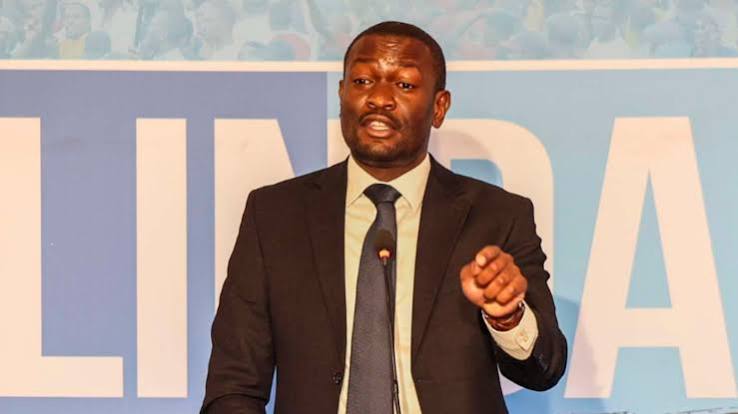
Edwin Sifuna pledges support for united opposition presidential candidate ahead of 2027 elections.
Linda Mwananchi Movement party leader Edwin Sifuna has pledged to support efforts to unite opposition leaders behind a single presidential candidate ahead of the 2027 General Election. The proposed unity seeks to consolidate opposition support and present a common challenger to President William Ruto. Sifuna's position comes amid ongoing political discussions on coalition-building, leadership and the opposition's strategy for the next election. Attention now turns to whether opposition leaders will reach a common agreement on their presidential candidate.
Linda Mwananchi Movement party leader Edwin Sifuna has pledged to support ongoing efforts aimed at uniting opposition leaders behind a single presidential candidate ahead of the 2027 General Election, in a political arrangement intended to challenge President William Ruto. His position highlights the growing discussions within opposition circles about the need for cooperation, political organisation and a common strategy as the country gradually moves towards the next general election.
Sifuna's commitment comes at a time when opposition leaders are exploring different approaches to strengthen their political influence and establish a united front capable of presenting a common alternative to the current administration. The question of whether opposition parties can agree on one presidential candidate has continued to feature prominently in political discussions, with different leaders expressing varying views on the most effective way to approach the 2027 contest.
The Linda Mwananchi Movement has emerged as part of the wider political conversations surrounding the organisation of opposition forces and the search for a common political direction. Sifuna's pledge to support unity efforts signals his willingness to participate in discussions aimed at bringing different political interests together rather than allowing individual ambitions to weaken the opposition's collective position.
The possibility of having one opposition presidential candidate is expected to generate further debate among political parties, their supporters and other stakeholders. Kenya's political landscape has historically been shaped by alliances and coalitions, with parties often seeking partnerships to increase their electoral strength and improve their chances of securing leadership positions.
For opposition leaders, the challenge will be finding common ground on leadership, policy priorities and the distribution of responsibilities within any proposed coalition. While political unity can provide an opportunity for parties to combine their support bases, achieving a lasting agreement requires negotiations, trust and a willingness among individual leaders to accommodate one another.
The 2027 General Election is expected to attract significant political attention as parties begin positioning themselves, strengthening grassroots structures and communicating their agendas to voters. Political leaders are likely to intensify consultations across different regions as they seek to understand public concerns and establish partnerships that could shape the next electoral contest.
Sifuna's position also places renewed attention on the relationship between political parties and movements seeking to influence national leadership. Political movements can provide platforms for mobilising supporters, discussing public issues and encouraging participation in national conversations. However, their influence often depends on their ability to establish clear objectives, build support and maintain consistent engagement with the electorate.
The question of opposition unity has remained a recurring issue in Kenya's multiparty political system. In previous elections, opposition parties have entered into different coalition arrangements in an effort to consolidate their support and avoid splitting votes among competing candidates. Such arrangements have sometimes produced broad political alliances, although disagreements over leadership and political interests have also affected their stability.
A single presidential candidate could provide opposition parties with an opportunity to coordinate their campaigns and present a common message to voters. It could also reduce competition among leaders who might otherwise seek the same political support in different parts of the country. However, the process of selecting such a candidate remains one of the most difficult aspects of coalition-building.
Different opposition leaders may have their own political ambitions, constituencies and policy priorities. Reaching an agreement would therefore require extensive consultations and a transparent process that gives participating parties confidence in the final decision. Without such an approach, disagreements could emerge and undermine the very unity the coalition seeks to achieve.
Beyond the question of who should carry the opposition presidential ticket, political discussions are also expected to focus on the issues that would form the foundation of a common campaign. These may include the cost of living, employment opportunities, taxation, public debt, healthcare, education, agricultural development and the management of public resources.
For many Kenyans, the 2027 election will provide an opportunity to assess the performance of political leaders and consider the different policy proposals presented by competing parties. Voters are likely to pay attention to how political organisations address everyday economic and social challenges, as well as the credibility of the commitments made during campaigns.
Opposition parties seeking to unite behind one candidate may therefore face pressure to move beyond political negotiations and develop a clear programme that responds to public concerns. A common presidential candidate would need to communicate a shared agenda that reflects the priorities of the participating parties while providing voters with a clear understanding of the proposed direction of government.
The role of party structures will also be important in determining whether unity efforts succeed. Political parties have established leadership systems, members and supporters who expect to participate in decisions affecting their organisations. Any coalition arrangement would need to consider these structures and establish mechanisms for cooperation at both national and grassroots levels.
Grassroots mobilisation is particularly important in Kenya's electoral environment, where political support is influenced by local networks, community engagement and regional political dynamics. Opposition leaders seeking a common candidate may need to strengthen cooperation among their supporters to ensure that national agreements are reflected in local political activities.
Sifuna's pledge comes as political conversations around the future of opposition leadership continue to develop. His willingness to support unity efforts could contribute to discussions involving leaders and political organisations interested in forming a common platform ahead of the next election.
However, supporting unity does not necessarily mean that all participating leaders will immediately agree on the same candidate or political strategy. The process is likely to involve consultations, negotiations and possible disagreements as different interests seek representation within a proposed coalition.
Political alliances also require clear agreements on how decisions will be made, how campaigns will be coordinated and how participating parties will work together after an election. These considerations are important because coalitions are expected not only to mobilise voters but also to establish a framework for cooperation among their members.
The experience of previous political alliances in Kenya demonstrates that bringing leaders together can be easier than maintaining unity throughout an electoral cycle. Differences in political priorities, leadership ambitions and regional interests can create challenges that require careful management.
For the opposition, the period leading to the 2027 General Election presents an opportunity to assess past experiences and determine the kind of political arrangement that can accommodate different interests while maintaining a common purpose. The ability to agree on clear principles and establish mutual confidence could play an important role in determining the direction of future cooperation.
At the same time, the political process will take place within Kenya's constitutional and electoral framework. Political parties and movements will be expected to observe the relevant laws governing political participation, nominations, campaigns and elections. The Independent Electoral and Boundaries Commission will also have a central role in administering the electoral process in accordance with its mandate.
President William Ruto is expected to be a central figure in the 2027 presidential contest, with opposition leaders seeking to establish their own political strategies and identify a candidate to challenge him. The discussions surrounding a possible united opposition ticket therefore form part of the broader preparations taking shape ahead of the election.
The coming months are likely to provide a clearer picture of how opposition leaders intend to approach coalition-building and whether their public commitments will translate into formal political agreements. Consultations among party leaders, public statements and grassroots engagements could help determine the extent of cooperation achievable among the different political formations.
Sifuna's position adds to the ongoing debate about the need for political coordination among leaders opposed to the current administration. His pledge to support a common presidential candidate places him among those advocating cooperation as one possible approach to the next electoral contest.

You Might Also Like
-
Transport CS Davis Chirchir has attributed delays in the completion of the Rironi-Naivasha dual carriageway to global petroleum supply disruptions linked to tensions between the United States and Iran. He says the crisis has affected fuel availability and prices, increasing construction costs. The h
-
Public Health Principal Secretary Mary Muthoni has announced encouraging progress in Kenya's efforts to contain the Ebola outbreak, with no new infections reported in the past 10 days. The government continues to strengthen surveillance, contact tracing, screening and isolation measures to prevent f
-
The government's plan to expand the National Internship Programme by an additional 50,000 placements from January 2027 represents an important proposed intervention targeting youth unemployment in Kenya. Through the involvement of public institutions and private-sector employers, the initiative is
-
President William Ruto's meeting with Russian President Vladimir Putin in Moscow represents an important development in Kenya's efforts to strengthen international economic partnerships. The signing of five memorandums of understanding, including one focusing on economic cooperation, provides a new
-
The meeting held at Governor Susan Kihika's home in Ngata on Thursday, October 29, 2026, placed Nakuru's unity and political cooperation at the centre of discussions. Led by Governor Kihika and attended by National Assembly Majority Leader Kimani Ichung'wah and other participants, the gathering pro
-
Speaking during the Diversity Benchmarking Focus Group Session at AFRALTI in Nairobi on October 29, 2026, Dr Isaac Mwaura said the proposed charter would provide fresh direction to the country's disability rights agenda. The initiative is expected to encourage government agencies, private businesse