Government Moves to Introduce New Disability Rights Charter in Major Push for Equality, Protection and Inclusion in Kenya
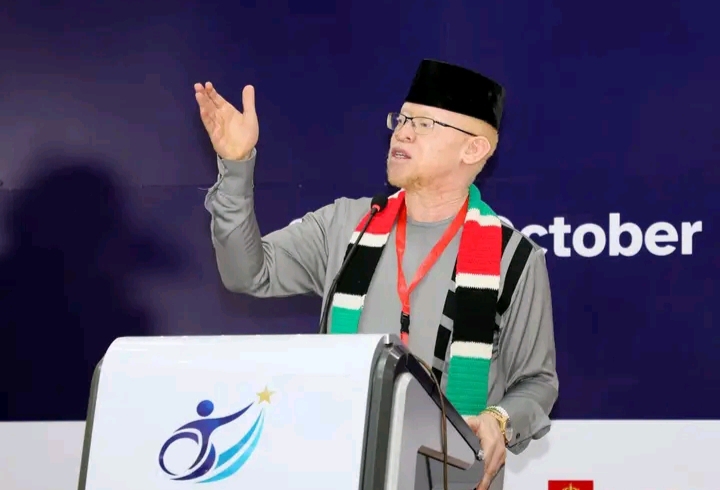
Speaking during the Diversity Benchmarking Focus Group Session at AFRALTI in Nairobi on October 29, 2026, Dr Isaac Mwaura said the proposed charter would provide fresh direction to the country's disability rights agenda. The initiative is expected to encourage government agencies, private businesses, educational institutions and other organisations to take greater responsibility for protecting the rights of persons with disabilities. It also complements the Persons with Disabilities Act, 2025, which established stronger legal protections and accountability measures. As the government moves towards introducing the charter, attention will be focused on how its commitments will be translated into practical improvements in education, employment, healthcare, infrastructure and access to information.
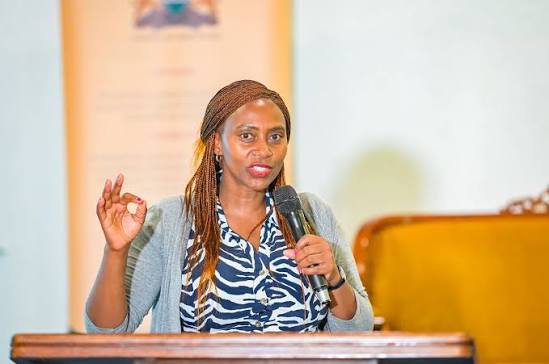
The announcement was made by Dr Isaac Mwaura, the Head of the Office of Diversity, Inclusion and Disability Rights (ODIDR), during a Diversity Benchmarking Focus Group Session held at the African Advanced Level Telecommunications Institute (AFRALTI) in Nairobi on Thursday, October 29, 2026.
Mwaura explained that the government intends to launch a disability rights charter that will give fresh momentum to efforts to protect persons with disabilities and promote their inclusion in different institutions.
He stated that the proposed charter would help set the direction for disability rights in the country and encourage institutions to take practical steps towards equality and accessibility.
Mwaura said the initiative would be aligned with the government's Usawa ni Sawa agenda, which focuses on equality, equity and inclusion.According to him, the government wants to ensure that women, young people, ethnic minorities and persons with disabilities are not left behind when national development programmes are being implemented.
He also explained that the Office of Diversity, Inclusion and Disability Rights was established to coordinate inclusion activities across government institutions. Its responsibility is to ensure that different ministries and agencies work together instead of duplicating programmes that are already being implemented.
The proposed charter is therefore expected to strengthen coordination and encourage institutions to recognise disability inclusion as an essential part of their responsibilities.Persons with disabilities continue to face various challenges that affect their ability to participate fully in society. Although Kenya has constitutional and legal protections for this population, the implementation of these protections remains an important concern.
Some people with disabilities experience discrimination when searching for employment, accessing education, using public transport or seeking healthcare services.
Others encounter difficulties when entering government offices, hospitals, schools and other public buildings because the facilities were not designed to accommodate people with different physical abilities.
There are also challenges involving communication. People with visual impairments may struggle to access documents that are not available in accessible formats, while people with hearing impairments may face difficulties when public information is communicated without sign language interpretation.The proposed charter is expected to strengthen the national conversation around these challenges and encourage organisations to develop policies that accommodate everyone.
It is also expected to promote the understanding that persons with disabilities have equal rights and should not be treated as people who cannot contribute to society.
The government wants disability inclusion to become a shared responsibility involving public institutions, private businesses, educational institutions, civil society organisations and communities.Persons with disabilities should enjoy the same fundamental rights as other citizens, including the right to education, employment, healthcare, dignity, privacy and participation in public affairs.
The government has an opportunity through the proposed charter to encourage institutions to eliminate practices that disadvantage people because of their disabilities.
For example, employers should not automatically reject qualified applicants simply because they have physical, hearing, visual or other disabilities.
Instead, organisations should assess applicants according to their qualifications, experience and ability to perform the required responsibilities, while providing reasonable accommodation where necessary.
The charter is also expected to encourage greater awareness of the rights of women and children with disabilities, who may face additional barriers and vulnerability.Anthony Akoto, a women's rights adviser at the Executive Office of the President, said institutions cannot claim to promote inclusivity while leaving women out of important discussions and decision-making processes.
His remarks highlighted the importance of recognising the different challenges faced by women with disabilities.
Women with disabilities may experience discrimination linked to both their gender and disability.
They may face difficulties accessing education, employment, healthcare and leadership opportunities.
There is therefore a need for policies that recognise their experiences and ensure that they have equal opportunities to participate in society.Cultural Diversity and Disability Rights
Gerald Alwanga, an official from the State Department for Culture, the Arts and Heritage, also emphasised the importance of recognising cultural diversity.
He explained that Kenya's diversity agenda should consider different languages, beliefs, traditions and cultural practices.
This discussion is relevant because cultural attitudes can influence how communities understand and respond to disability.
In some communities, people with disabilities may experience stigma, isolation and negative stereotypes.
Public education is therefore important in changing attitudes and encouraging families and communities to treat persons with disabilities with dignity.
Government institutions should also consider language and cultural differences when communicating information about public services.The law provides for stronger enforcement mechanisms, clearer institutional accountability and enhanced representation of persons with disabilities in national and county governance structures.
It also provides for the restructuring of the National Council for Persons with Disabilities, recognition and support for caregivers, improved access to justice and economic safeguards.
Other important provisions include stronger protection against discrimination and measures to promote equal opportunities in different sectors.
President Ruto also directed the Public Service Commission to reinstate the Disability Mainstreaming Performance Indicator in public service performance contracts. This is intended to make disability inclusion a measurable responsibility for government institutions.The National Council for Persons with Disabilities (NCPWD) is among the important institutions involved in promoting and protecting the rights of persons with disabilities.
The council is responsible for coordinating programmes, supporting registration, promoting accessibility and helping persons with disabilities access available government opportunities.
Its responsibilities also include supporting inclusive education, providing assistance through relevant programmes and promoting economic empowerment.
The council works with national and county governments, private institutions and organisations representing persons with disabilities.
The implementation of the 2025 law requires effective coordination between these institutions.
The proposed charter could provide additional momentum by encouraging organisations to strengthen their internal disability policies and improve the services they provide.Economic empowerment is equally important.
Persons with disabilities should have opportunities to start businesses, access financial services, acquire vocational skills and secure meaningful employment.
Creating accessible workplaces and removing discriminatory recruitment practices would help more people participate in the economy.
The United Nations and its partners have also developed the Kenya Joint Disability Inclusion Strategy 2025–2027, which identifies economic empowerment, access to facilities and services, disability data, political empowerment and digital empowerment as five strategic priorities.
This provides another framework supporting the country's wider disability inclusion agenda. 2. Equal employment opportunities: Employers should provide fair recruitment opportunities and reasonable workplace accommodation.What Kenyans Expect From the Proposed Charter
The announcement has brought attention to the need for practical solutions to challenges affecting persons with disabilities.
Among the key expectations are:
1. Improved accessibility: Public buildings, hospitals, schools and transport facilities should accommodate people with different disabilities.
2. Equal employment opportunities: Employers should provide fair recruitment opportunities and reasonable workplace accommodation.
3. Inclusive education: Learners with disabilities should receive suitable learning materials, assistive devices and educational support.
4. Protection against discrimination: Institutions should strengthen measures to prevent abuse, stigma and unfair treatment.
5. Digital inclusion: Government and private-sector digital platforms should be accessible to people with different disabilities.
6. Representation in leadership: Persons with disabilities should participate in decisions and policies affecting their communities.
7. Economic empowerment: More opportunities should be created for entrepreneurship, skills development and financial independence.Another challenge is public awareness. Some people still hold negative attitudes towards disability, making it difficult for affected individuals to participate freely in society.
There is also a need for stronger monitoring to ensure institutions comply with disability rights requirements.
The government will need to establish clear responsibilities, implementation timelines and accountability mechanisms so that the charter does not remain a policy announcement without visible results.
Most importantly, persons with disabilities and their representative organisations should be involved throughout the process.

You Might Also Like
-
Transport CS Davis Chirchir has attributed delays in the completion of the Rironi-Naivasha dual carriageway to global petroleum supply disruptions linked to tensions between the United States and Iran. He says the crisis has affected fuel availability and prices, increasing construction costs. The h
-
Public Health Principal Secretary Mary Muthoni has announced encouraging progress in Kenya's efforts to contain the Ebola outbreak, with no new infections reported in the past 10 days. The government continues to strengthen surveillance, contact tracing, screening and isolation measures to prevent f
-
The government's plan to expand the National Internship Programme by an additional 50,000 placements from January 2027 represents an important proposed intervention targeting youth unemployment in Kenya. Through the involvement of public institutions and private-sector employers, the initiative is
-
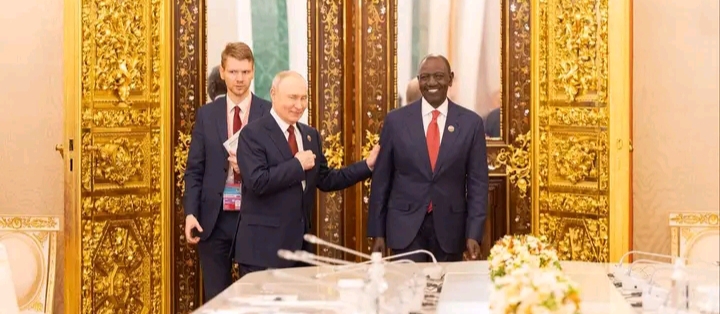
President William Ruto's meeting with Russian President Vladimir Putin in Moscow represents an important development in Kenya's efforts to strengthen international economic partnerships. The signing of five memorandums of understanding, including one focusing on economic cooperation, provides a new
-
The meeting held at Governor Susan Kihika's home in Ngata on Thursday, October 29, 2026, placed Nakuru's unity and political cooperation at the centre of discussions. Led by Governor Kihika and attended by National Assembly Majority Leader Kimani Ichung'wah and other participants, the gathering pro
-
Nairobi Senator Edwin Sifuna has outlined his proposed economic reforms ahead of the 2027 General Election, pledging to scrap selected taxes and levies introduced under President William Ruto’s administration. His first 100 days plan includes removing fuel and electricity taxes, abolishing the Aff