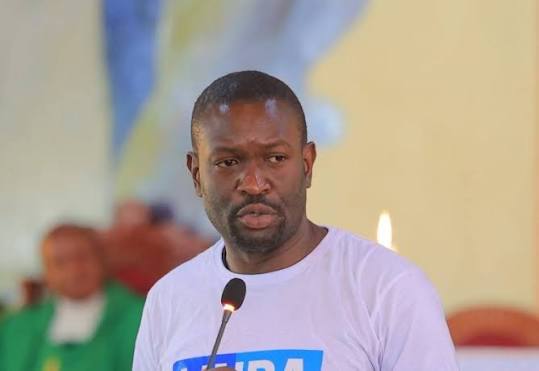
Edwin Sifuna pledges to scrap fuel, electricity and housing levies within first 100 days if elected president.
Nairobi Senator Edwin Sifuna has outlined his proposed economic reforms ahead of the 2027 General Election, pledging to scrap selected taxes and levies introduced under President William Ruto’s administration. His first 100 days plan includes removing fuel and electricity taxes, abolishing the Affordable Housing Levy and reducing government expenditure. He says the proposed measures would ease the cost of living and provide financial relief to Kenyans. Sifuna has also called for greater accountability and better management of public resources.
Nairobi Senator Edwin Sifuna has outlined a series of economic reforms and cost-cutting measures he intends to implement within his first 100 days in office if elected President in the 2027 General Election. His proposals focus on reducing the cost of living, eliminating selected taxes and levies, cutting government expenditure and improving the management of public resources.
Sifuna has pledged to scrap several taxes and levies introduced during President William Ruto’s administration, arguing that Kenyans need financial relief amid the high cost of essential goods and services. He believes that reducing unnecessary government spending would create room for tax relief while ensuring that public resources are directed towards priority sectors.
Among the key proposals is the removal of taxes imposed on fuel and electricity. The senator argues that these costs have a direct impact on households, businesses and the wider economy, making it necessary for the government to reconsider the existing taxation framework.
Fuel remains an important component of Kenya's economy, influencing transportation, agriculture, manufacturing and the distribution of essential commodities. Businesses depend on petroleum products to move goods across the country, while public transport operators rely on fuel to provide services to millions of passengers.
Sifuna believes that removing selected fuel taxes and levies could help reduce the financial burden experienced by consumers and businesses. Lower fuel-related costs could also ease some of the pressure on transport operators and other sectors that depend heavily on petroleum products.
He has also proposed eliminating taxes and levies affecting electricity consumption, arguing that the cost of power continues to place pressure on households and businesses. Electricity is essential for economic activities, from small enterprises and manufacturing industries to hospitals, schools and other public institutions.
According to his proposed economic programme, reducing the tax burden on electricity would help consumers manage their monthly expenses while potentially lowering operating costs for businesses.
Another major proposal is the abolition of the Affordable Housing Levy, which was introduced under President William Ruto's administration to finance the government's affordable housing programme.
The levy requires employees to contribute 1.5 per cent of their gross salaries, with employers making a matching contribution. The deductions have attracted public debate, particularly among workers concerned about the additional financial obligations placed on their earnings.
Sifuna has pledged to scrap the levy, arguing that Kenyans should not continue facing additional deductions while the government maintains what he considers excessive spending. His position is that public expenditure should first be reviewed to identify wastage and redirect available resources towards programmes that directly benefit citizens.
The Affordable Housing Programme remains one of the major development initiatives pursued by the current administration. The government has defended the programme as a strategy for increasing access to affordable homes, creating employment opportunities and supporting the construction industry.
However, Sifuna's proposal raises questions about how the housing programme would be financed if the levy were abolished. Any changes would require a clear alternative funding arrangement, particularly for projects already underway and other commitments associated with the initiative.
The senator has also called for significant reductions in government expenditure, arguing that public resources should be managed more carefully. He has questioned spending on government operations and official activities, maintaining that available funds should be directed towards essential services.
He has particularly raised concerns about expenditure at State House, contrasting government spending with challenges affecting healthcare workers and public hospitals.
Sifuna cited the nurses' strike, which he said had lasted 45 days, questioning why the government could allocate substantial resources to official activities while healthcare workers continued to experience unresolved concerns.
He argued that the government should prioritise the welfare of medical personnel and ensure that hospitals have the resources required to provide quality services.
The senator believes that reducing unnecessary expenditure would create savings that could be used to support essential sectors, including healthcare, education and infrastructure.
His proposed reforms are based on the argument that Kenya's economic challenges cannot be addressed solely by increasing taxes or introducing additional deductions on workers' earnings. Instead, he wants the government to examine how existing revenue is collected, allocated and spent.
Sifuna has also criticised what he describes as budgeted corruption, arguing that public resources must be protected from misuse and directed towards development priorities. He maintains that accountability should be strengthened to ensure that government funds produce tangible benefits for citizens.
The proposal to cut government spending, however, would require a detailed review of the national budget. Such an exercise would involve identifying expenditure that can be reduced without disrupting essential public services or ongoing development projects.
His announcement comes at a time when taxation and the cost of living remain important issues in Kenya's political and economic discussions. Many households continue to face pressure from the cost of food, transport, electricity, housing and other basic necessities.
Businesses have also raised concerns about operating costs, with taxation, energy prices and transportation expenses affecting their ability to expand and create employment opportunities.
By proposing the removal of selected taxes and levies, Sifuna is positioning tax relief as a central part of his economic agenda ahead of the 2027 presidential election.
The senator has also outlined proposals touching on other sectors, including education and healthcare. In education, he has advocated for improved management of public resources through the establishment of reliable databases containing information about schools and learners.
Such a system would help the government maintain accurate records and improve planning, particularly in the distribution of capitation funds to learning institutions.
He has argued that proper data management would make it easier to establish the number of learners in different schools and monitor how government funding is allocated.
In healthcare, Sifuna has proposed ensuring that hospitals receive payments within 30 days for services provided. He believes that delayed payments can place medical facilities under financial pressure, affecting their ability to acquire supplies, pay workers and maintain operations.
He has also called for action against healthcare providers found submitting fraudulent claims, proposing strict measures against institutions involved in such practices.
These proposals form part of his broader position that public institutions should operate efficiently, with accountability and proper financial management guiding the delivery of essential services.
Sifuna's latest announcement at the unveiling of the Linda Mwananchi Movement's national headquarters in Nairobi adds to the political activities taking shape ahead of the 2027 General Election.
Political leaders and groups have increasingly begun presenting their positions on taxation, public debt, government expenditure, employment and economic management as the country moves towards another election cycle.
President William Ruto's administration has defended its revenue measures as necessary for financing development programmes and meeting government obligations. The Affordable Housing Levy, for instance, has been presented as a funding mechanism for the national housing agenda.
Sifuna's proposals offer a different approach, focusing on reducing selected taxes while cutting government expenditure. His argument is that the government should review its spending priorities and identify savings before continuing to impose additional financial obligations on citizens.
However, implementing the proposed measures would require more than presidential directives. Changes to existing taxes and statutory levies would involve the relevant constitutional and legislative processes, including consideration by Parliament where required.

You Might Also Like
-
Transport CS Davis Chirchir has attributed delays in the completion of the Rironi-Naivasha dual carriageway to global petroleum supply disruptions linked to tensions between the United States and Iran. He says the crisis has affected fuel availability and prices, increasing construction costs. The h
-
Public Health Principal Secretary Mary Muthoni has announced encouraging progress in Kenya's efforts to contain the Ebola outbreak, with no new infections reported in the past 10 days. The government continues to strengthen surveillance, contact tracing, screening and isolation measures to prevent f
-
The government's plan to expand the National Internship Programme by an additional 50,000 placements from January 2027 represents an important proposed intervention targeting youth unemployment in Kenya. Through the involvement of public institutions and private-sector employers, the initiative is
-
President William Ruto's meeting with Russian President Vladimir Putin in Moscow represents an important development in Kenya's efforts to strengthen international economic partnerships. The signing of five memorandums of understanding, including one focusing on economic cooperation, provides a new
-
The meeting held at Governor Susan Kihika's home in Ngata on Thursday, October 29, 2026, placed Nakuru's unity and political cooperation at the centre of discussions. Led by Governor Kihika and attended by National Assembly Majority Leader Kimani Ichung'wah and other participants, the gathering pro
-
Speaking during the Diversity Benchmarking Focus Group Session at AFRALTI in Nairobi on October 29, 2026, Dr Isaac Mwaura said the proposed charter would provide fresh direction to the country's disability rights agenda. The initiative is expected to encourage government agencies, private businesse