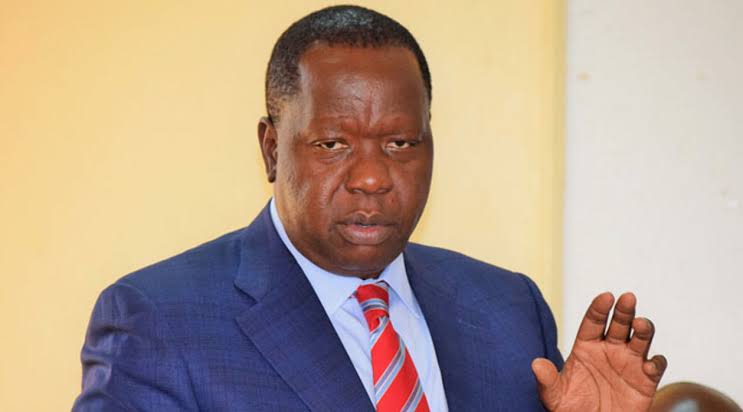
Fred Matiang’i Warns Opposition Against Excluding Political Leaders in Unity Push
Jubilee Party leader Fred Matiang’i has urged opposition leaders to embrace inclusivity as they pursue plans to form a united opposition ahead of the 2027 General Election. He has warned that sidelining certain political players could trigger internal disagreements, weaken the coalition and deepen divisions within the country. Matiang’i maintains that successful political cooperation requires consultation, mutual respect and equal participation among different parties and leaders. His remarks come amid ongoing discussions about possible alliances, leadership arrangements and strategies to challenge President William Ruto’s administration. Attention now turns to whether opposition leaders can accommodate competing interests and establish a common political platform ahead of 2027.
Jubilee Party leader Fred Matiang’i has cautioned opposition leaders against sidelining other political players in their efforts to establish a united opposition ahead of the 2027 General Election, warning that an exclusive political arrangement could weaken the coalition and deepen divisions within the country.
Matiang’i has emphasised the importance of inclusivity in ongoing discussions aimed at bringing together different political formations under a common opposition platform. He has maintained that building a strong political movement requires the participation of various leaders, parties and interest groups rather than allowing a few individuals to determine the direction of the entire coalition.
His remarks come amid growing political discussions surrounding the formation of a united opposition capable of challenging President William Ruto's administration in the next General Election.
With political activities gradually gaining momentum, opposition leaders have been exploring possible partnerships and strategies to strengthen their influence across different regions. However, questions about leadership, representation, political interests and the participation of various parties have continued to feature in conversations surrounding the proposed coalition.
Matiang'i's warning highlights the challenges facing opposition politicians as they attempt to establish a common political front while accommodating leaders with different ambitions and political backgrounds.
The former Interior Cabinet Secretary believes that excluding certain political figures from the unity process could create disagreements and weaken efforts to establish a coordinated opposition movement.
His position places emphasis on the need for consultation and cooperation among opposition leaders as they consider the political arrangements that could guide their activities ahead of the 2027 elections.
The formation of a united opposition has become an important subject in Kenya's political landscape, with different leaders expressing interest in working together to challenge the ruling administration.
Political parties and influential figures have continued to engage in discussions about possible alliances, with the aim of bringing together supporters from different regions and political backgrounds.
However, achieving such unity requires more than simply announcing an alliance. Leaders must agree on important issues, including leadership structures, decision-making processes, policy priorities and the distribution of political responsibilities.
These discussions can become complicated when different political parties have their own interests and expectations regarding the direction of the coalition.
Matiang'i's latest remarks therefore draw attention to the importance of ensuring that every participating political group feels recognised and involved in the process.
He has warned that sidelining some leaders could create resentment and disagreements, potentially undermining the very unity that opposition politicians are seeking to establish.
The Jubilee Party leader's position also reflects the broader challenges associated with building political coalitions in Kenya, where regional interests, party identities and individual political ambitions often influence negotiations.
For a coalition to remain stable, participating leaders must develop a framework that allows them to work together while respecting their differences.
Political observers have frequently pointed to disagreements over leadership and political representation as some of the issues that can affect the stability of alliances.
In many cases, parties enter coalitions with expectations of gaining influence and participating in decisions affecting the movement. When those expectations are not addressed, disagreements can emerge and affect cooperation.
Matiang'i's call for inclusivity comes at a time when opposition politicians are seeking to establish a common position on the country's political and economic direction.
The opposition has continued to raise concerns about governance, the cost of living, taxation, employment opportunities and the management of public resources.
These issues are expected to feature prominently in political engagements as parties prepare for the next General Election.
However, developing a common agenda among different political formations requires extensive consultation and agreement on the priorities that should guide the coalition.
Matiang'i's remarks suggest that political unity should be built through a process that accommodates different opinions rather than one that concentrates decision-making among a limited number of leaders.
His position also raises questions about how opposition parties intend to manage competing interests while maintaining a common political identity.
The Jubilee Party remains one of the political formations participating in discussions about the future of the opposition, with its leadership expected to play a role in conversations surrounding possible political arrangements.
Matiang'i's involvement in these discussions has attracted attention because of his previous experience in government and his current position within the opposition political establishment.
As a former Interior Cabinet Secretary, he held a senior government position before joining the opposition political space.
His political activities have continued to attract interest as different leaders assess possible alliances and strategies ahead of 2027.
The debate about opposition unity has also brought attention to the role of experienced politicians in bringing together different political groups.
Some leaders have emphasised the need for a common presidential candidate and a coordinated campaign strategy, while others have highlighted the importance of establishing clear structures before making decisions about leadership.
These discussions demonstrate that opposition unity involves several considerations beyond agreeing to oppose the current administration.
Political parties must also determine how they will resolve disagreements, share responsibilities and maintain cooperation throughout the electoral process.
Matiang'i's warning against exclusion comes as opposition leaders continue navigating these difficult negotiations.
The question of who participates in the proposed coalition is particularly important because different political figures command support in various parts of the country.
Excluding influential leaders could affect the geographical reach of an alliance and create disagreements among supporters who expect their representatives to have a role in national political discussions.
At the same time, accommodating different interests requires compromise and a willingness among political leaders to prioritise shared objectives.
The Jubilee leader's remarks have therefore placed inclusivity at the centre of the ongoing debate about how the opposition should organise itself ahead of the next elections.
Kenya's political history has witnessed several coalitions formed around common electoral interests. Some have succeeded in bringing together different political groups, while others have experienced disagreements that affected their operations.
Such experiences have made coalition management an important issue for parties seeking to establish long-term political partnerships.
For the opposition, maintaining unity could require leaders to develop clear guidelines on consultation, leadership selection and the management of internal disagreements.
Without such arrangements, political differences could become difficult to resolve, particularly as the election period approaches and individual ambitions become more pronounced.
Matiang'i's call for inclusivity also comes amid growing public interest in the political direction of the country.
Kenyans are increasingly following discussions about the next election, with questions surrounding leadership, economic development, public accountability and national cohesion remaining important.
Political alliances are expected to influence how parties present their policies and engage voters across different regions.
voters will also be interested in understanding the programmes and priorities that political formations intend to pursue if given an opportunity to form the next government.
The opposition will therefore face the responsibility of developing a clear political agenda that addresses the concerns of citizens while bringing together leaders with different perspectives.
For Matiang'i, ensuring that no political player is unnecessarily sidelined remains an important consideration in the process of building a united opposition.
His remarks serve as a reminder that political partnerships require consultation, mutual understanding and respect for the interests of participating parties.
As discussions continue, opposition leaders will have to determine how best to balance individual political ambitions with the wider objective of establishing a coordinated movement.
The coming months are expected to provide further clarity on the structure of possible alliances, the role of different political parties and the leadership arrangements that could shape the opposition's preparations for 2027.
Whether the various political formations can reach a common understanding will depend on their ability to manage disagreements and establish a framework acceptable to their members.
For now, Matiang'i's warning has added another dimension to the debate surrounding opposition unity, with the Jubilee leader calling for a more inclusive approach that brings different political players together rather than creating divisions.
His position highlights the importance of broad consultation as opposition politicians continue exploring possible partnerships ahead of the 2027 General Election.
As political negotiations gather momentum, attention will remain on whether opposition leaders can accommodate competing interests and build a common platform without sidelining some of the figures seeking to participate in the process.

You Might Also Like
-
DCP Deputy Party Leader Cleophas Malala has dismissed claims that he is being sidelined within the party, insisting that he remains confident in his leadership position. He has maintained that the growing influence of Nyandarua Senator John Methu does not threaten his role in the political outfit. H
-
The funeral of Bernard Kiplangat Ngetich in Kipkelion became an important moment for leaders from Kericho County to raise concerns about insecurity and accountability within security institutions. Led by Senator Aaron Cheruiyot, the leaders demanded that the DCI investigate allegations that some of
-
Education Cabinet Secretary Julius Migos Ogamba has announced that 1,048,355 candidates are sitting the 2026 KCSE examinations, marking a historic milestone as the number surpasses one million for the first time in Kenya’s examination history. The candidature represents a 5.27% increase from the 9
-
Aden Duale's development engagements in Garissa, including presiding over the groundbreaking of the KMTC project and inspecting affordable housing developments, have placed healthcare education and decent accommodation at the centre of the county's development agenda. His condemnation of the heckli
-
The supervision of KCSE examination distribution by Education Cabinet Secretary Julius Migos Ogamba at Borabu Sub-County in Nyamira County marks an important moment as Kenya begins the 2026 main written national examinations. With 1,048,355 candidates registered, the country faces a major responsib
-
His warning against examination irregularities sends a strong message to parents, teachers and individuals who attempt to exploit candidates by promising leaked examination papers. He has maintained that the government will not tolerate activities that threaten the future of learners or undermine t