GACHAGUA ISSUES IEBC WITH JANUARY 2027 DEADLINE, WARNS OF NATIONWIDE PROTESTS
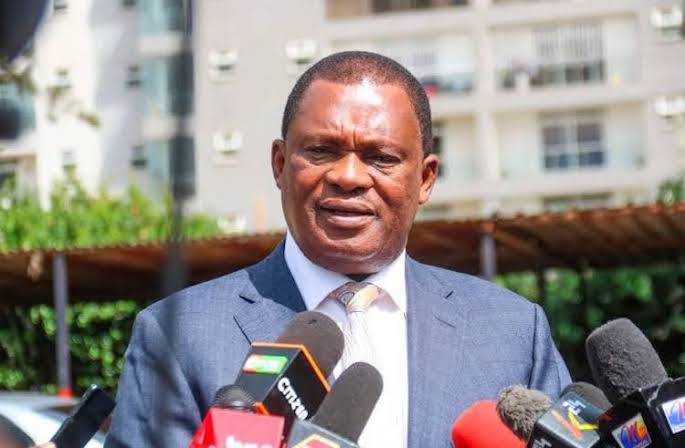
DCP Leader Rigathi Gachagua has given the Independent Electoral and Boundaries Commission (IEBC) until January 2027 to address concerns raised by the Opposition ahead of the August 2027 General Election, warning that failure to act could trigger nationwide protests. Gachagua wants the commission to respond to questions surrounding the audit of the voters' register, election technology, voter registration and the management and announcement of presidential results. He has also questioned IEBC's preparedness following concerns about its electoral technology arrangements and called for greater transparency in the electoral process. His warning comes amid growing tensions between opposition leaders and the commission following a disputed consultative meeting in Nairobi, which several opposition leaders walked out of over disagreements about the agenda. Gachagua maintains that the concerns raised by the Opposition must be addressed before the country moves further into the election period, warning that Kenyans could mobilise and stage demonstrations at IEBC offices if the commission fails to respond by the deadline. The commission is expected to continue engaging political stakeholders as preparations for the 2027 polls gather pace.
Democracy for the Citizens Party (DCP) leader Rigathi Gachagua has given the Independent Electoral and Boundaries Commission (IEBC) until January 2027 to address concerns raised by the Opposition over preparations for the next General Election, warning that failure to respond could trigger nationwide demonstrations targeting the electoral agency.
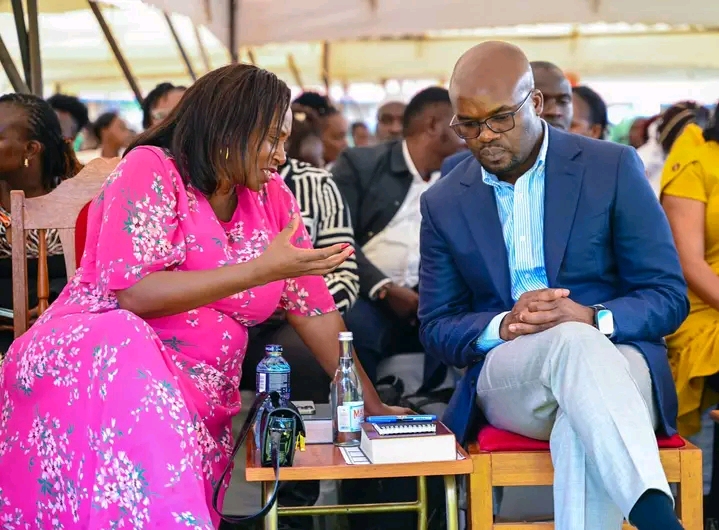
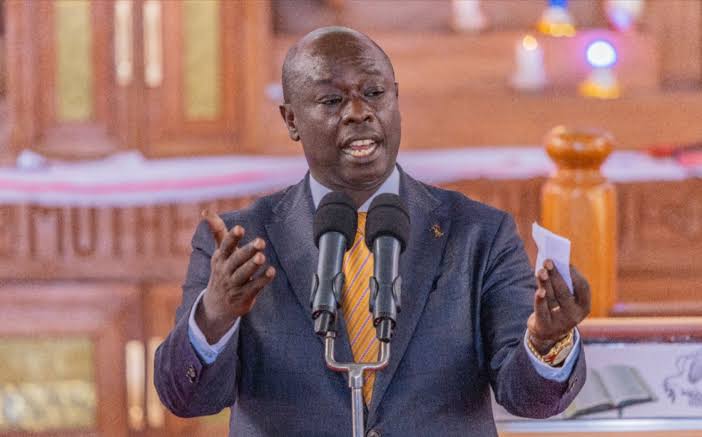
Gachagua issued the warning on Sunday, November 22, 2026, while speaking during a church service in Runyenjes, Embu County, where he questioned the commission's preparedness ahead of the August 2027 elections.
The former Deputy President maintained that the Opposition had raised several concerns regarding the management of the electoral process but accused the commission of failing to provide satisfactory responses. He argued that the issues needed to be addressed early enough to guarantee public confidence in the next election.
According to Gachagua, the Opposition wants IEBC to engage political leaders and provide clear explanations on matters affecting voter registration, the integrity of the voters' register, election technology and the announcement of presidential results.
He warned that the Opposition would not continue waiting indefinitely for the commission to respond to the issues. He gave IEBC Chairman Erastus Edung Ethekon until January 2027 to address the concerns, indicating that failure to do so could lead to a direct public mobilisation campaign.
Gachagua suggested that Kenyans could be encouraged to visit IEBC offices across the country to demand answers if the commission failed to engage political leaders. His warning signals the possibility of renewed political pressure on the electoral agency as preparations for the 2027 polls continue.
One of the major issues raised by the DCP leader concerns the planned audit of the national voters' register. Gachagua wants IEBC to clarify when the exercise will be conducted and how the commission intends to ensure that the register contains only eligible voters.
He argued that the audit should identify and remove the names of deceased persons whose details may still appear in the register. He also raised concerns about individuals he alleged could have been irregularly registered despite not being eligible to vote in Kenya.
The former Deputy President maintained that the accuracy of the voters' register is essential to ensuring that every eligible Kenyan has an opportunity to participate in the election while preventing possible irregularities.
He further called for transparency in the process, insisting that political parties and other stakeholders should be informed about the steps being taken by the commission to verify the register.
The question of voter registration is expected to remain an important subject as the country approaches the next election. A credible register is necessary for organising an election and establishing the number and distribution of eligible voters across different constituencies.
Gachagua also questioned the commission's preparedness regarding the technology expected to support voter registration and election management. He specifically raised concerns about the existing arrangement involving Smartmatic, arguing that the expiry of its contract could create challenges if a replacement system was not secured in good time.
He claimed that the existing contract was due to expire on November 24, 2026, and questioned how the commission would manage upcoming electoral activities if the transition to another system was delayed.
The DCP leader expressed concern about the time required to procure and deploy a replacement system, arguing that the process could take several months. He linked the issue to the planned mass voter registration exercise expected in February 2027, questioning whether IEBC would have the necessary technology in place before the exercise begins.
The concern comes as the commission faces questions about its procurement and preparations for the next election. Gachagua argued that any uncertainty surrounding election technology should be addressed before the country enters the final stages of preparations.
He maintained that the commission should communicate its plans clearly to political parties and the public to avoid confusion over how voter registration and other electoral processes will be conducted.
Another issue raised by Gachagua concerns the management, tallying and announcement of presidential election results. The former Deputy President opposed the proposed national tallying centre arrangement, arguing that presidential results should be announced at constituency level.
He maintained that the Opposition wanted greater transparency in the handling of results and insisted that constituency-level declarations should form the basis of the presidential tallying process.
The issue of presidential results management has been a subject of political debate in Kenya, particularly following previous elections that generated disagreements over the transmission, verification and announcement of results.
Gachagua argued that the process should be organised in a manner that allows political parties and their representatives to independently monitor the figures announced at different levels.
His position reflects the Opposition's wider demands for electoral reforms and stronger safeguards ahead of the 2027 General Election. However, the proposals and concerns raised by political leaders remain subject to discussion, and the IEBC is responsible for conducting elections in accordance with the Constitution and applicable electoral laws.
The latest warning comes days after opposition leaders walked out of a consultative meeting with IEBC commissioners in Nairobi on November 19, 2026. The meeting had been convened as part of efforts to engage political stakeholders on preparations for the next General Election.
Among the leaders involved in the walkout were Gachagua, Wiper Patriotic Front leader Kalonzo Musyoka and Nairobi Senator Edwin Sifuna. The leaders reportedly disagreed with the agenda of the meeting, arguing that the commission had not prioritised the electoral reforms and concerns they wanted discussed.
The Opposition maintained that its engagement with IEBC should focus on the issues it had previously submitted to the commission rather than concentrating mainly on presentations about the agency's general preparedness.
The disagreement exposed continuing differences between the Opposition and the electoral commission over the priorities that should guide consultations ahead of the next election.
Gachagua has maintained that the concerns raised by the Opposition are important to the credibility of the electoral process and should not be dismissed as ordinary political disagreements.
The Opposition has also proposed that a technical team led by former Chief Justice David Maraga be involved in helping organise discussions with the commission. The proposed arrangement is intended to provide a structured platform through which the outstanding issues can be examined before another consultation meeting is held.
The political pressure on IEBC is emerging at a time when preparations for the 2027 General Election are becoming increasingly important. Political parties are already positioning themselves, while leaders continue debating electoral reforms, voter registration and the systems that will be used to manage the polls.
Gachagua's January deadline adds urgency to the ongoing discussions, as it places the commission under pressure to respond to the Opposition's demands within the period he has outlined.
His warning also raises the possibility of further demonstrations if the disagreement between the Opposition and IEBC remains unresolved. The former Deputy President indicated that the public could be directly involved in demanding answers from the commission rather than leaving the matter entirely to political leaders.
However, any public demonstrations would need to take place within the law, with the rights of citizens and the responsibilities of public institutions respected.
The developments have also placed IEBC Chairman Erastus Ethekon at the centre of the political debate. Gachagua has challenged the commission's leadership to demonstrate its preparedness and address questions surrounding the management of the next election.
For the electoral agency, the coming months will involve addressing concerns about voter registration, election technology, results management and stakeholder engagement. The commission will also need to communicate its plans clearly as political parties and members of the public seek assurances about the credibility of the electoral process.
The Opposition, on its part, is expected to continue pressing for the reforms it considers necessary ahead of the polls. Whether the two sides can reach an agreement through further consultations remains to be seen.
Gachagua's latest remarks indicate that the disagreement is far from over, with the DCP leader insisting that the concerns must receive attention before January 2027.
As the country moves closer to the August 2027 General Election, the relationship between IEBC and political stakeholders is likely to remain under close public scrutiny. The commission's ability to address concerns through transparent engagement will be central to maintaining confidence in the electoral preparations.

You Might Also Like
-
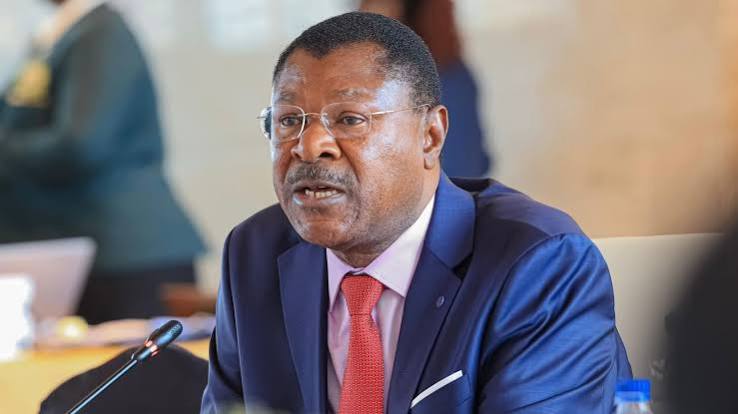
National Assembly Speaker Moses Wetangula has expressed interest in succeeding President William Ruto after the completion of his second term, declaring that he has the energy, experience and commitment required to lead the country. Wetangula says he is prepared to build on the development progress
-
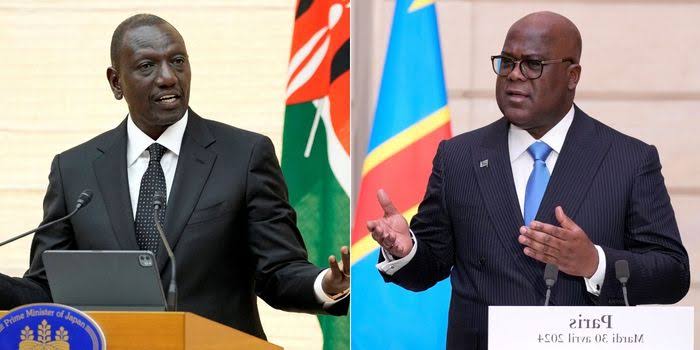
President William Ruto and Democratic Republic of Congo (DRC) President Félix Tshisekedi have agreed to restore full diplomatic relations and strengthen cooperation between their two countries following high-level talks in Oyo, Republic of the Congo. The agreement was reached during the Quadriparti
-
Democratic Party (DP) Leader Justin Muturi has announced that his party and its supporters have settled on Wiper Patriotic Front (WPF) Leader Kalonzo Musyoka as their preferred presidential candidate among the United Opposition leaders ahead of the 2027 General Election. Muturi's declaration adds a
-
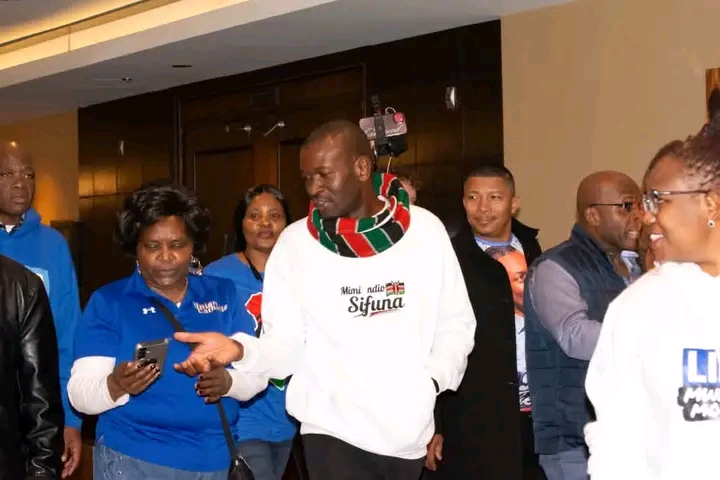
Nairobi Senator Edwin Sifuna has officially opened the first international office of the Linda Mwananchi Movement in Hackettstown, New Jersey, USA, marking a major milestone in the movement's efforts to expand its political influence beyond Kenya. The November 21, 2026, launch was part of Sifuna's d
-
The attendance of Public Health Principal Secretary Mary Muthoni and Internal Security Principal Secretary Raymond Omollo at St. Thomas More Kairuri Parish in Embu North Sub-County on Sunday, November 22, 2026, brought together senior national and county government officials for a religious gatherin
-
A heartbreaking incident has been reported in Morogo, Chemaner, Bomet East, where a middle-aged man identified as Nicholas Rop has been arrested over allegations that he killed his two children, aged four and seven, before attempting to take his own life. The suspect is accused of slitting the throa