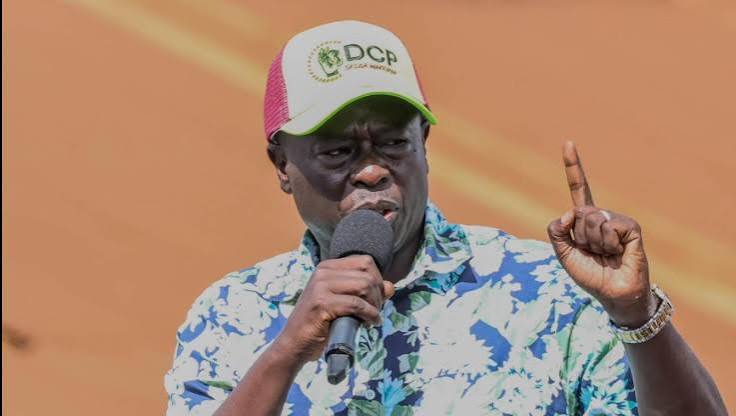
GACHAGUA WARNS IEBC AGAINST BUNGLING THE 2027 GENERAL ELECTION
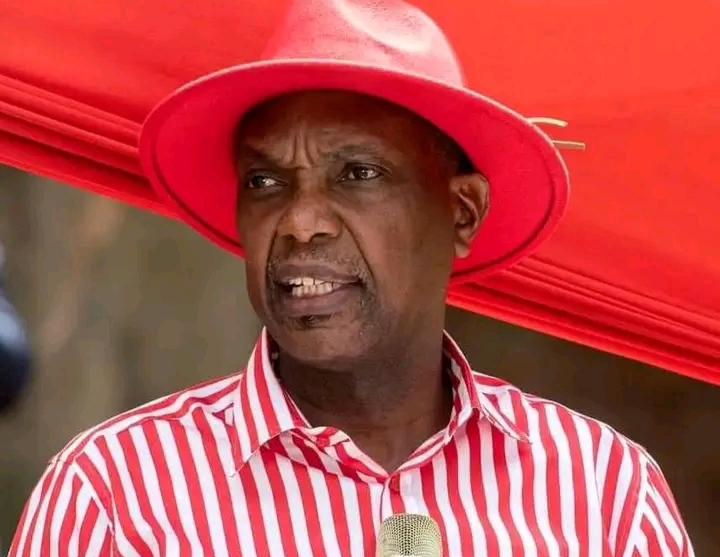
Democracy for the Citizens Party (DCP) Leader Rigathi Gachagua has warned IEBC Chairperson Erastus Ethekon against presiding over an election marred by irregularities, insisting that Kenyans are determined to have a transparent, free and fair 2027 General Election. Gachagua maintained that there would be no room for electoral malpractice, manipulation or bungled elections, adding that Kenyans are ready for a change of government through a credible democratic process. His remarks come amid growing pressure from opposition leaders demanding electoral reforms, including an independent audit of the voters' register, reliable election technology, transparent transmission of results and safeguards against political interference. Gachagua has also challenged the electoral commission to address concerns raised by opposition leaders, warning that failure to engage stakeholders could trigger nationwide mobilisation in January 2027. The DCP leader insists that the IEBC must demonstrate its independence and commitment to protecting the will of voters as preparations for the August 2027 elections continue. Meanwhile, the commission maintains that it is committed to conducting peaceful, transparent, free, fair and credible elections.
Democracy for the Citizens Party (DCP) leader Rigathi Gachagua has issued a stern warning to Independent Electoral and Boundaries Commission (IEBC) Chairperson Erastus Edung Ethekon, insisting that the 2027 General Election must be conducted in a transparent, free and fair manner, with no room for electoral malpractice or mismanagement.
Gachagua said Kenyans were determined to secure a credible electoral process and were prepared to pursue political change through the ballot. He maintained that the country could not afford another election characterised by irregularities, disputed results or a lack of transparency, warning that the electoral commission must take seriously concerns raised by political leaders and members of the public.
The former Deputy President made the remarks amid growing pressure from opposition leaders for the electoral body to address outstanding questions surrounding its preparedness for the August 2027 General Election. He insisted that the commission must demonstrate independence and accountability while ensuring that every eligible Kenyan has an equal opportunity to participate in the electoral process.
Gachagua's remarks come as political leaders continue raising concerns about the management of elections, the credibility of the voters' register, the reliability of election technology and the transmission and announcement of results. These issues have increasingly featured in discussions between opposition parties and the electoral commission as preparations for the next General Election gather momentum.
The DCP leader has repeatedly challenged Ethekon to address what he describes as weaknesses in the country's electoral management system. He has maintained that restoring public confidence in the commission requires clear explanations, practical reforms and guarantees that the electoral process will not be influenced by political interests.
His latest warning also reflects the opposition's growing demand for electoral reforms before the country enters the final stages of preparations for the 2027 polls. Gachagua has indicated that political leaders will continue engaging the commission until their concerns receive adequate attention.
On Wednesday, November 25, 2026, Gachagua joined other opposition figures in a meeting held under the People’s Coalition on Electoral Reforms, where they discussed concerns over the IEBC's preparedness and presented demands they consider necessary for a credible election.
The meeting brought together several political leaders, including former Chief Justice David Maraga, Wiper Party leader Kalonzo Musyoka, former Interior Cabinet Secretary Fred Matiang’i, former Attorney General Justin Muturi and other opposition figures. The leaders expressed concern about the direction of electoral preparations and called for discussions aimed at strengthening transparency and accountability.
Among the issues raised was the need for an independent audit of the voters' register to establish its accuracy before the next General Election. Gachagua and other opposition leaders have called for the identification and removal of duplicate records, deceased voters and any other irregular entries that could compromise the credibility of the electoral database.
They have argued that a clean and verifiable register is essential in ensuring that only eligible voters participate in the election. The opposition also wants the electoral commission to provide clear information about the audit process, including when it will begin, the institutions expected to undertake it and how the findings will be made public.
Another major concern raised by the opposition relates to election technology and the systems expected to be used in managing the 2027 elections. Gachagua has questioned the commission's preparations for replacing or renewing its election management technology, arguing that any changes must be properly planned, tested and implemented before polling day.
He has previously raised concerns about the transition from the existing Smartmatic election management system, particularly regarding the timing of procurement and the availability of a replacement system. He has argued that introducing new technology too close to the election could create operational challenges, especially during voter registration and the transmission of results.
The opposition has consequently called for an open, reliable and independently verifiable election technology system. Its leaders want safeguards that would allow political parties, candidates, agents and election observers to monitor the process and independently verify information transmitted during the election.
The management and announcement of presidential election results have also emerged as major areas of disagreement between the opposition and the electoral commission.
Gachagua has questioned the role of the national tallying centre at Bomas of Kenya, arguing that the constitutional framework provides for presidential elections to be conducted within the country's 290 constituencies. He has called for greater emphasis on constituency-level results and the transparency of the collation process.
The opposition wants results announced at polling stations to be publicly accessible and transmitted electronically to relevant tallying centres. It has also proposed mandatory livestreaming of voting, counting and the announcement of results to allow stakeholders to follow proceedings as they happen.
The leaders argue that strengthening the visibility of the process would help reduce suspicion and improve public confidence in the final outcome. They have further called for a publicly accessible electronic results portal that would enable political parties, candidates, their agents and election observers to monitor transmitted results.
However, the legal framework governing presidential election results involves constitutional provisions requiring verification and tallying by the IEBC before the official declaration. The opposition's proposals on constituency-level finality and changes to the tallying arrangements would therefore require consideration within the existing constitutional and electoral laws.
Gachagua has maintained that the commission must resolve these concerns before the country approaches the election period. He has warned that continued failure to engage stakeholders could create unnecessary tension and weaken confidence in the institution responsible for overseeing the polls.
The opposition has also raised questions about the recruitment and deployment of electoral officials, particularly returning officers who play an important role in managing elections at constituency level. The leaders have called for transparent, competitive and merit-based recruitment procedures to ensure that electoral officials carry out their responsibilities without political interference.
They argue that the credibility of an election depends not only on the technology used but also on the professionalism and impartiality of the personnel entrusted with managing the process.
The latest concerns have emerged amid disagreements between opposition leaders and the IEBC over the nature of consultations required before the 2027 elections. On November 19, 2026, a section of opposition leaders attended a consultative meeting with the electoral commission but later walked out before substantive discussions could proceed.
The leaders said they were dissatisfied with the arrangement and wanted their proposed electoral reforms addressed as priority issues. They maintained that the meeting needed to provide sufficient time to examine the concerns and obtain meaningful responses from the commission.
IEBC Chairperson Erastus Ethekon subsequently criticised the decision by the politicians to leave the meeting before the scheduled discussions were concluded. The commission maintained that walking away from consultations would not help resolve the outstanding concerns and reaffirmed its willingness to receive formal proposals from political parties.
The disagreement has since developed into a wider political dispute over how electoral reforms should be discussed and implemented ahead of the next General Election.
Gachagua has continued to insist that the opposition will not abandon its demands, maintaining that the commission must address the questions raised before the country proceeds towards the election.
On November 22, 2026, the former Deputy President gave the electoral body until January 2027 to engage political leaders and provide responses to their concerns. He warned that failure to address the issues could lead to nationwide mobilisation, with Kenyans being encouraged to engage the commission directly.
His latest remarks have reinforced that position, with the opposition maintaining that it is prepared to pursue public demonstrations if the electoral body fails to respond to its demands. The proposed mobilisation is expected to focus on calling for electoral accountability and reforms before the 2027 polls.
The opposition has also urged President William Ruto's administration to allow the IEBC to operate independently, without political interference. Gachagua has questioned the relationship between the electoral commission and government officials, arguing that the institution must demonstrate its independence through its decisions and actions.
However, allegations of political interference raised by opposition figures remain contested, with the commission having previously defended its independence and maintained that its decisions are guided by the Constitution and applicable electoral laws.
The IEBC has consistently stated that it is committed to conducting peaceful, transparent, free, fair and credible elections. It has also called on political parties and other stakeholders to participate in consultations and submit their proposals through established procedures.
As preparations continue, the commission faces the responsibility of ensuring that the necessary logistical, technological and administrative arrangements are completed before polling day. These include voter registration, verification of the electoral register, recruitment and training of election officials, procurement of equipment and preparation of polling and tallying centres.
Political parties and other stakeholders are also expected to participate in voter education and encourage eligible citizens to register and take part in the electoral process.
For Gachagua and other opposition leaders, the central issue remains the need to establish confidence in the electoral system before the campaign period reaches its peak. They maintain that addressing concerns early would help prevent disagreements during the election and reduce the possibility of disputes after results are announced.
The former Deputy President has also argued that Kenyans should be allowed to determine their political leadership through a process that reflects their genuine choices. He has insisted that the electoral commission must protect the will of voters and ensure that the final outcome is determined by ballots cast rather than administrative irregularities.
With the 2027 General Election scheduled for August 10, 2027, discussions surrounding electoral preparedness are expected to remain a major issue in the country's political environment. The pressure on IEBC is likely to increase as parties and aspirants intensify their preparations and demand assurances about the management of the exercise.
Gachagua's warning adds to the growing debate over the commission's readiness and the reforms being proposed by opposition leaders. While the political sides continue to differ over some aspects of the electoral process, the central responsibility remains ensuring that the election is conducted within the constitutional framework and that every eligible Kenyan can exercise their democratic right.
The DCP leader maintains that Kenyans are determined to achieve political change through a credible electoral process and that the country cannot afford an election whose management raises questions about transparency or fairness.

You Might Also Like
-
President William Ruto on Thursday, November 26, 2026, presided over the fourth graduation ceremony at the National Defence University-Kenya in Lanet, Nakuru County, where he announced major initiatives aimed at strengthening national security, research and higher education. The President committed
-
The National Transport and Safety Authority (NTSA) has announced plans to suspend approximately 300,000 driving licences within seven days over unpaid traffic fines, giving affected motorists a limited period to clear their outstanding penalties and avoid losing their driving privileges. The planned
-
Energy and Petroleum Cabinet Secretary Opiyo Wandayi's appearance at the KenGen Sustainable Energy Conference in Olkaria on November 26, 2026, has highlighted the government's ambition to expand Kenya's energy industry. His announcement that KenGen could participate in oil drilling in the South Loki
-
Deputy President Kithure Kindiki has chaired a meeting of the United Democratic Alliance (UDA) National Steering Committee at Hustler Plaza in Nairobi to assess the party's preparedness for the 2027 General Election. The Thursday, November 26, 2026, meeting focused on strengthening party structures,
-
Jeremiah Kioni's resignation from Jubilee after 11 years marks a significant moment in Kenya's changing political landscape ahead of the 2027 General Election. Having served as Secretary General and Deputy Party Leader, the former Ndaragwa MP has decided to pursue his political ambitions outside the
-
President William Ruto has on Thursday, November 26, 2026, assented to six National Assembly Bills into law during a presidential assent ceremony held at State House, Nairobi. The legislation covers several critical areas, particularly maternal protection, public servants' retirement benefits, finan