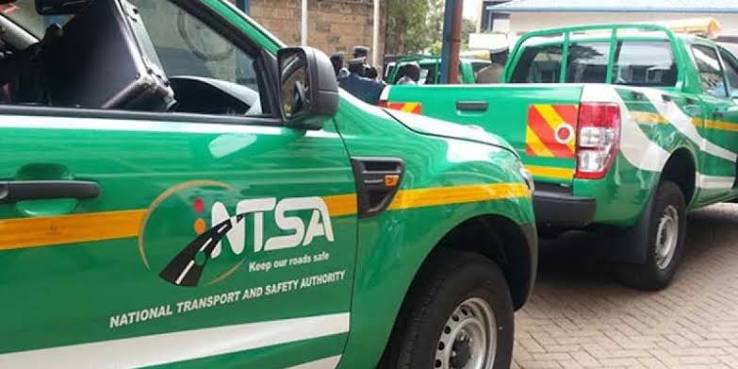
NTSA to suspend 300,000 driving licences over unpaid traffic fines
The National Transport and Safety Authority (NTSA) has announced plans to suspend approximately 300,000 driving licences within seven days over unpaid traffic fines, giving affected motorists a limited period to clear their outstanding penalties and avoid losing their driving privileges. The planned enforcement action targets drivers who have accumulated traffic fines but have failed to settle them, with the authority urging motorists to check their records and make payments through authorised channels. The move is aimed at strengthening compliance with traffic regulations, promoting accountability among road users and reinforcing discipline on Kenyan roads. The planned suspensions could significantly affect motorists who depend on driving for their daily activities, employment and businesses, particularly those in the transport sector. NTSA's announcement serves as a reminder that drivers are expected to observe traffic laws and address penalties issued for violations to avoid further consequences.
The National Transport and Safety Authority (NTSA) has announced plans to suspend approximately 300,000 driving licences within seven days over unpaid traffic fines, in a move aimed at strengthening compliance with road safety regulations and ensuring motorists take responsibility for traffic offences committed on Kenyan roads. The authority has warned drivers with outstanding penalties to settle their dues within the stipulated period to avoid having their driving privileges suspended.
The planned action is expected to affect a significant number of motorists who have accumulated traffic fines but have yet to clear them. NTSA's announcement places renewed attention on the enforcement of traffic regulations and the measures available to authorities to address persistent violations of road safety laws. Motorists have therefore been urged to check their traffic records and establish whether they have any outstanding penalties that require payment.
The proposed suspension of the 300,000 driving licences comes at a time when road safety remains an important national concern. Traffic offences continue to raise questions about motorists' conduct, compliance with road regulations and the effectiveness of existing enforcement mechanisms. Authorities have repeatedly emphasised the need for drivers to observe traffic rules, maintain discipline and recognise that operating a vehicle on public roads comes with legal responsibilities.
Driving licences are official documents that authorise individuals to operate specific categories of motor vehicles. They also form part of the regulatory framework used to monitor drivers and ensure that those using the roads meet the required legal standards. A suspension therefore carries significant consequences for motorists, particularly those who depend on driving as their main source of income or as an essential part of their daily activities.
For professional drivers, including taxi operators, public service vehicle drivers, delivery personnel and individuals employed in transport-related businesses, the loss of driving privileges could disrupt their ability to earn a living. Many people rely on valid driving licences to access employment opportunities and maintain their businesses. The possibility of suspension is consequently expected to encourage affected motorists to pay greater attention to their traffic records and resolve any outstanding obligations.
NTSA's warning also highlights the importance of motorists understanding the consequences associated with traffic violations. Road regulations are designed to promote order, protect road users and reduce accidents caused by dangerous driving behaviour. When drivers ignore traffic rules, they not only expose themselves to legal penalties but may also place passengers, pedestrians, cyclists and other motorists at risk.
Traffic offences vary in nature and severity. Some involve failure to observe traffic signs, improper parking, speeding, careless driving and other violations that can affect the safety and smooth movement of vehicles. Although the penalties imposed may differ depending on the offence, motorists are expected to comply with the law and settle any fines issued through the recognised legal procedures.
The planned suspension exercise is likely to renew public discussion about how traffic fines are administered, how motorists are notified about outstanding penalties and the procedures followed before driving licences are suspended. For the enforcement process to be effective, drivers need access to accurate information about the offences recorded against them, the amounts payable and the appropriate channels through which they can resolve disputes.
Motorists who believe that a traffic penalty has been issued incorrectly may also need clear guidance on the available procedures for challenging the record. Such processes are important in ensuring that enforcement measures are implemented fairly and that individuals are not penalised for offences they did not commit. Accurate records and transparent procedures can help strengthen public confidence in the authority's traffic management systems.
The seven-day notice has placed urgency on motorists who may have ignored previous reminders or delayed settling their traffic penalties. Drivers with outstanding fines have been advised to act within the announced period rather than wait until enforcement measures are implemented. Failure to address the penalties could result in the suspension of their licences, potentially affecting their ability to continue driving legally.
The announcement also brings into focus the relationship between traffic enforcement and road safety education. While penalties are an important tool for encouraging compliance, awareness campaigns remain essential in helping motorists understand the importance of responsible driving. Drivers need to appreciate that observing traffic rules is not simply about avoiding fines but also about protecting lives and preventing unnecessary injuries and damage to property.
Kenya's road network serves millions of people every day, connecting towns, cities, commercial centres and rural communities. It also supports the movement of goods, agricultural products and essential services. The behaviour of motorists therefore has a direct impact on public safety and economic activity. A breakdown in road discipline can contribute to congestion, accidents, delays and financial losses for individuals and businesses.
The transport sector also supports a large number of livelihoods, making the enforcement of driving regulations an issue that affects different sections of society. Public service vehicles, motorcycles, private cars, trucks and commercial vehicles all operate within a system that depends on compliance with established traffic laws. Drivers are expected to understand their responsibilities regardless of the type of vehicle they operate or the purpose of their journeys.
For public service vehicle operators, compliance with traffic regulations is particularly important because they carry passengers who depend on them for safe transportation. Drivers operating commercial vehicles also have a responsibility to protect other road users, especially when handling heavy vehicles or transporting goods over long distances. NTSA's planned action could therefore serve as a reminder that traffic rules apply to all motorists and that outstanding penalties should not be ignored.
The authority's announcement may also prompt motorists to become more proactive in managing their driving records. Drivers are encouraged to maintain awareness of any penalties associated with their vehicles or licences and to ensure that payments are made through authorised channels. Keeping proper records of transactions and official communication can also help motorists address any discrepancies that may arise during the enforcement process.
At the same time, the implementation of the suspension plan will require effective communication between NTSA and affected motorists. Drivers need sufficient information on how to identify outstanding fines, confirm the validity of penalties and understand the steps required to restore their driving privileges where a suspension has taken effect. Clear communication can help prevent confusion and reduce unnecessary disruptions.
The authority's move also underscores the need for motorists to take traffic enforcement notices seriously. Ignoring penalties does not necessarily make them disappear, and unresolved fines may eventually attract additional administrative or legal consequences depending on the applicable regulations. Drivers are therefore encouraged to respond promptly whenever they receive official communication regarding traffic offences.
Road safety remains a shared responsibility involving government agencies, motorists, passengers, pedestrians and other road users. While NTSA and other enforcement agencies have a duty to ensure compliance with traffic laws, individual drivers must also demonstrate discipline and respect for regulations. Every motorist has a role to play in reducing dangerous behaviour and creating safer roads.
The proposed suspension of approximately 300,000 driving licences within seven days represents a significant enforcement measure targeting motorists with unpaid traffic fines. Its implementation is expected to test the authority's ability to manage outstanding penalties while ensuring that affected drivers are treated in accordance with established procedures.
As the deadline approaches, motorists with unpaid fines face the responsibility of checking their records and taking the necessary steps to settle outstanding penalties. Those who rely on driving for employment and business have an additional reason to ensure that their licences remain valid and that they meet all legal requirements.
NTSA's warning serves as a reminder that holding a driving licence comes with obligations that extend beyond passing a driving test and obtaining the required documentation. Motorists are expected to maintain responsible conduct on the roads, comply with traffic regulations and respond appropriately to penalties issued for violations.
The authority's planned action is also likely to keep road safety enforcement in the spotlight as the government continues to pursue measures aimed at improving discipline among road users. Whether the exercise will lead to improved compliance will depend on the effectiveness of enforcement, public awareness and the willingness of motorists to fulfil their legal responsibilities.
For now, the key message to drivers is to avoid waiting until their licences are affected before addressing unpaid traffic fines. Motorists are encouraged to verify their records, use recognised payment channels and seek clarification from the relevant authorities where necessary. The seven-day timeline announced by NTSA places affected drivers on notice that failure to settle outstanding penalties could have direct consequences for their ability to operate vehicles legally.

You Might Also Like
-
Democracy for the Citizens Party (DCP) Leader Rigathi Gachagua has warned IEBC Chairperson Erastus Ethekon against presiding over an election marred by irregularities, insisting that Kenyans are determined to have a transparent, free and fair 2027 General Election. Gachagua maintained that there wou
-
President William Ruto on Thursday, November 26, 2026, presided over the fourth graduation ceremony at the National Defence University-Kenya in Lanet, Nakuru County, where he announced major initiatives aimed at strengthening national security, research and higher education. The President committed
-
Energy and Petroleum Cabinet Secretary Opiyo Wandayi's appearance at the KenGen Sustainable Energy Conference in Olkaria on November 26, 2026, has highlighted the government's ambition to expand Kenya's energy industry. His announcement that KenGen could participate in oil drilling in the South Loki
-
Deputy President Kithure Kindiki has chaired a meeting of the United Democratic Alliance (UDA) National Steering Committee at Hustler Plaza in Nairobi to assess the party's preparedness for the 2027 General Election. The Thursday, November 26, 2026, meeting focused on strengthening party structures,
-
Jeremiah Kioni's resignation from Jubilee after 11 years marks a significant moment in Kenya's changing political landscape ahead of the 2027 General Election. Having served as Secretary General and Deputy Party Leader, the former Ndaragwa MP has decided to pursue his political ambitions outside the
-
President William Ruto has on Thursday, November 26, 2026, assented to six National Assembly Bills into law during a presidential assent ceremony held at State House, Nairobi. The legislation covers several critical areas, particularly maternal protection, public servants' retirement benefits, finan