RUTO SIGNS SIX MAJOR BILLS INTO LAW AT STATE HOUSE: NEW PROTECTIONS FOR WORKING MOTHERS, PUBLIC SERVANTS AND VICTIMS OF SEXUAL OFFENCES
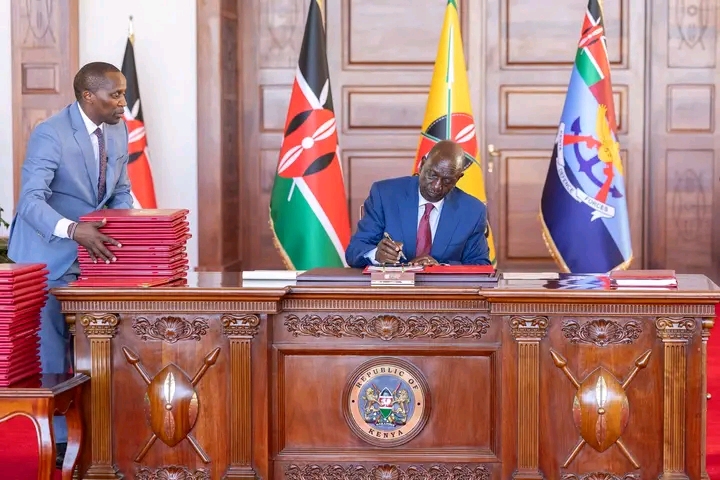
President William Ruto has on Thursday, November 26, 2026, assented to six National Assembly Bills into law during a presidential assent ceremony held at State House, Nairobi. The legislation covers several critical areas, particularly maternal protection, public servants' retirement benefits, financial accountability, environmental regulation and access to justice for victims of sexual offences. The Breastfeeding Mothers Bill stands out because it directly addresses the challenges faced by working mothers, while the pension amendments could improve retirement planning for eligible public servants. Meanwhile, the amendments relating to sexual offences seek to strengthen victim protection, public awareness and access to justice. The effectiveness of these laws will ultimately depend on proper implementation, adequate resources and cooperation among the responsible government institutions.
President William Ruto has on Thursday, November 26, 2026, assented to six National Assembly Bills into law during a presidential assent ceremony held at State House, Nairobi. The development marks an important moment in Kenya's legislative process, with the newly approved laws targeting several areas, including public financial accountability, retirement benefits for public servants, protection of breastfeeding mothers, environmental professional regulation and the justice system's response to sexual offences.The six Bills had undergone parliamentary consideration before being presented to the Head of State for presidential assent. Their signing gives the legislation the final presidential approval required under Article 115 of the Constitution of Kenya.
The ceremony brought attention to the government's efforts to strengthen existing legal frameworks and address challenges affecting different groups of Kenyans. Among the most significant developments is the Breastfeeding Mothers Bill, which seeks to improve working conditions for mothers, while amendments to the Public Service Superannuation Scheme introduce new opportunities for public servants employed on fixed-term contracts.The other laws are expected to strengthen Parliament's oversight of public funds, establish professional standards in environmental practice and improve the handling of sexual offence cases.
Deputy Chief of Staff in the Executive Office of the President, Josphat Nanok, outlined the objectives of the six Bills before inviting President Ruto to undertake the constitutional responsibility of assenting to the legislation.
The six Bills signed into law are the East African Development Bank (Amendment) Bill, 2026; Environmental Professionals Institute of Kenya Bill, 2024; Public Service Superannuation Scheme (Amendment) Bill, 2025; Breastfeeding Mothers Bill, 2024; Sexual Offences (Amendment) Bill, 2023; and Sexual Offences (Amendment) Bill, 2025. Breastfeeding Mothers Bill to protect working mothers
One of the major pieces of legislation signed by President Ruto is the Breastfeeding Mothers Bill, 2024, which was sponsored by nominated Member of Parliament Sabina Chege.The law seeks to address challenges experienced by breastfeeding mothers, particularly women who return to employment after giving birth. Many working mothers face difficulties balancing their professional responsibilities with the need to breastfeed and care for their children.
Under the new legislation, employers will be required to provide clean, private and properly equipped breastfeeding spaces within workplaces. These facilities are intended to give mothers a safe and comfortable environment where they can breastfeed their children or express and store breast milk.
The law also provides for reasonable breastfeeding breaks and flexible working arrangements to enable mothers to continue breastfeeding after returning to work.President Ruto congratulated Sabina Chege for sponsoring the Bill and acknowledged the efforts of legislators who supported its passage through Parliament.
He said the legislation would help mothers raise their children in safe and dignified environments without being negatively affected by pregnancy, breastfeeding or motherhood.
The President also announced that he would instruct State House staff to ensure that appropriate breastfeeding facilities are available for mothers working within State House.
The development is expected to encourage more employers to recognise the needs of working mothers and establish environments that support maternal and child health. This arrangement is expected to help contract employees build their retirement savings gradually and improve their financial security after leaving public service.
The amendments also seek to strengthen the fund's governance structures through changes in its leadership and representation, including the introduction of independent directors.
The reforms are intended to promote transparency, accountability, inclusivity and better management of retirement contributions.
For thousands of public servants, the changes could provide greater flexibility in planning for retirement and encourage long-term financial planning.The amendment introduces a requirement for parliamentary approval before public funds are committed to the bank, alongside the necessary authorisation by the Controller of Budget.
The changes follow a 2025 High Court decision that declared the relevant provisions of the existing law unconstitutional because of shortcomings in parliamentary approval and public financial oversight.
The amendment therefore seeks to align the legislation with the Constitution, particularly the principles governing the use and management of public resources.
The development is important because taxpayers expect government institutions to account for how public money is committed, transferred and utilised.
By strengthening Parliament's oversight role, the law is expected to improve transparency and ensure that public financial commitments receive the necessary scrutiny.However, professional regulation is important to ensure that people working in the sector possess the necessary qualifications, skills and experience.
The establishment of the Environmental Professionals Institute of Kenya is expected to create a more organised professional framework.
The institute will be responsible for supporting professional standards, registration and licensing, as well as encouraging continuous professional development among environmental practitioners.
The legislation is also expected to strengthen accountability by providing a framework through which professional conduct can be monitored.The legislation recognises that addressing sexual offences requires more than prosecuting offenders. It also requires public education, prevention programmes and support for victims.
One of its key provisions introduces a requirement for the Cabinet Secretary responsible for legal affairs to promote nationwide education and information campaigns on sexual offences.
These campaigns are intended to help members of the public understand different forms of sexual offences, their consequences and the legal remedies available to victims.
Public awareness is important because some victims may fail to report sexual abuse due to fear, stigma, intimidation or a lack of knowledge about their rights.Another significant provision concerns the education of victims of sexual offences.
The Cabinet Secretary responsible for education will be required to establish programmes within the education system to protect and promote access to education for victims.
The provision specifically includes teenage mothers, who sometimes experience discrimination and difficulties continuing with their education after becoming pregnant.
The law seeks to ensure that victims are not denied educational opportunities because of their experiences.
This is an important step towards protecting children's rights, promoting equality and encouraging the continuation of education among vulnerable learners.Delays in the judicial process can also discourage victims and their families from continuing with cases.
The new legislation seeks to ensure that sexual offence cases are handled through formal judicial processes and concluded within six months from the date of plea.
The proposed timeline is intended to promote timely determination of cases and reduce unnecessary delays in the justice system.
The legislation also introduces additional safeguards relating to the withdrawal of sexual offence proceedings.
Judicial officers will be required to seek further reasons from the Director of Public Prosecutions before permitting the withdrawal of proceedings involving sexual offences.President Ruto's remarks during the signing ceremony
During the ceremony, President Ruto emphasised the importance of legislation that responds to the needs of Kenyans and strengthens the country's institutions.
He particularly welcomed the Breastfeeding Mothers Bill, congratulating Sabina Chege and the Members of Parliament who supported the legislation.
The President also indicated that State House would take steps to provide breastfeeding facilities for mothers working within the institution.
Deputy Chief of Staff Josphat Nanok explained the purpose of the six Bills before inviting the President to exercise his constitutional mandate under Article 115.
The signing ceremony marked the completion of the presidential assent stage for the six pieces of legislation.What the six new laws mean for Kenyans
The six laws address different challenges affecting the country and are expected to have implications for workers, mothers, public servants, taxpayers, environmental professionals and victims of sexual offences.
Their significance can be summarised as follows:
Breastfeeding Mothers Act: Provides workplace breastfeeding facilities, reasonable breaks and support for mothers.
Public Service Superannuation Scheme Amendment Act: Expands pension opportunities for eligible fixed-term public servants.East African Development Bank Amendment Act: Strengthens parliamentary oversight over public funds committed to the regional bank.
Environmental Professionals Institute of Kenya Act: Establishes a framework for regulating environmental professionals.
Sexual Offences Amendment Act, 2023: Strengthens public awareness and protects the educational rights of victims.
Sexual Offences Amendment Act, 2025: Introduces measures aimed at improving the handling and determination of sexual offence cases.

You Might Also Like
-
Democracy for the Citizens Party (DCP) Leader Rigathi Gachagua has warned IEBC Chairperson Erastus Ethekon against presiding over an election marred by irregularities, insisting that Kenyans are determined to have a transparent, free and fair 2027 General Election. Gachagua maintained that there wou
-
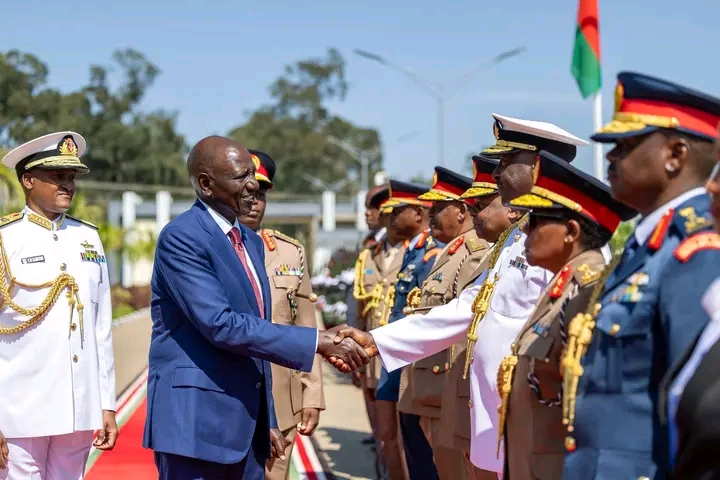
President William Ruto on Thursday, November 26, 2026, presided over the fourth graduation ceremony at the National Defence University-Kenya in Lanet, Nakuru County, where he announced major initiatives aimed at strengthening national security, research and higher education. The President committed
-
The National Transport and Safety Authority (NTSA) has announced plans to suspend approximately 300,000 driving licences within seven days over unpaid traffic fines, giving affected motorists a limited period to clear their outstanding penalties and avoid losing their driving privileges. The planned
-
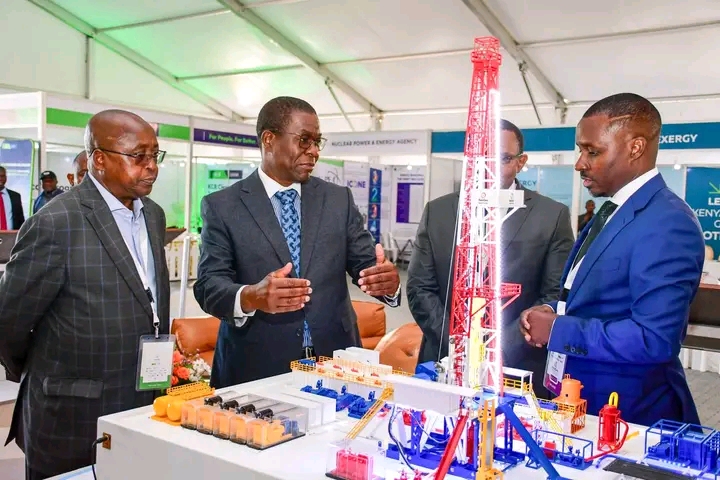
Energy and Petroleum Cabinet Secretary Opiyo Wandayi's appearance at the KenGen Sustainable Energy Conference in Olkaria on November 26, 2026, has highlighted the government's ambition to expand Kenya's energy industry. His announcement that KenGen could participate in oil drilling in the South Loki
-
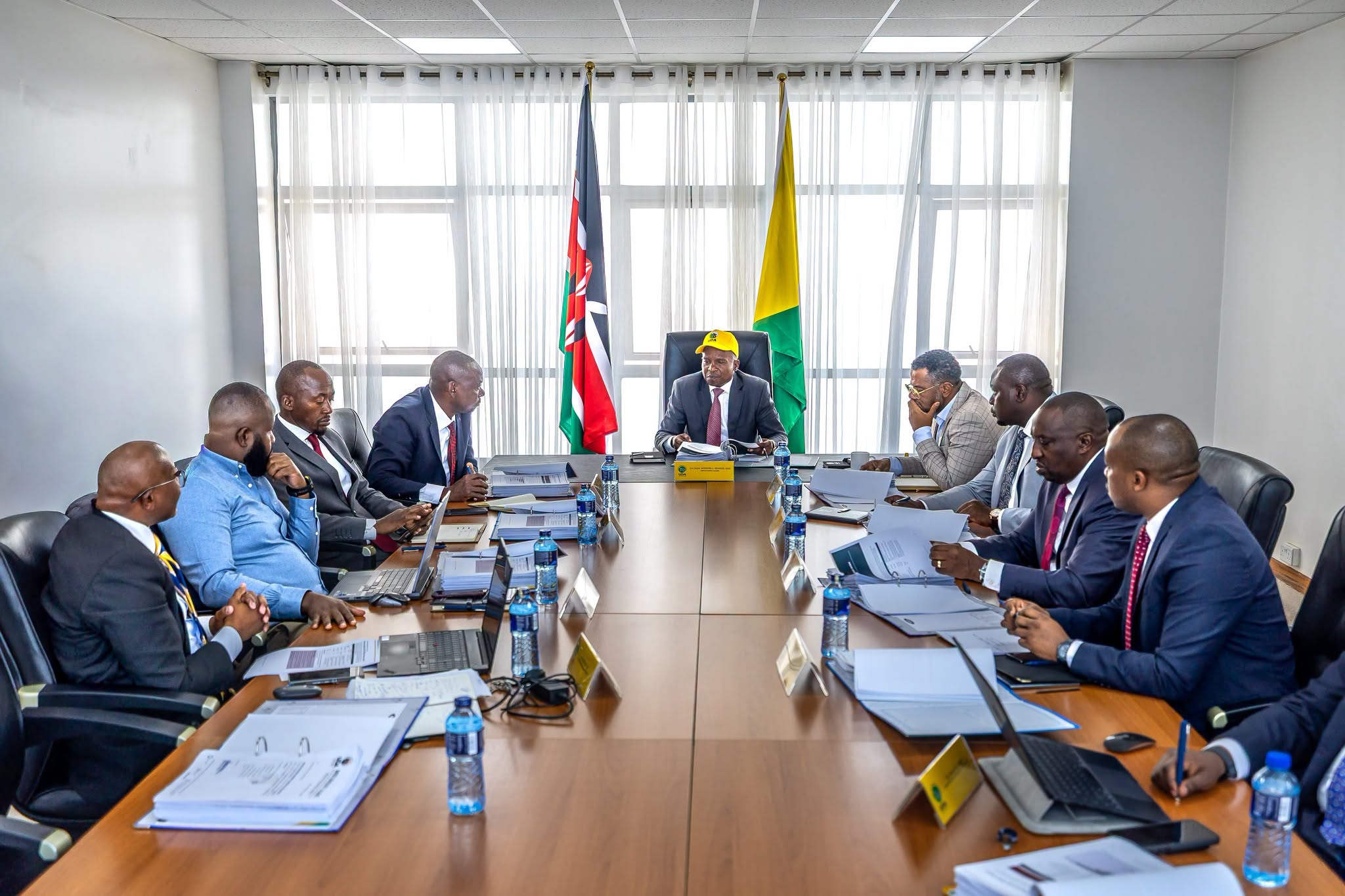
Deputy President Kithure Kindiki has chaired a meeting of the United Democratic Alliance (UDA) National Steering Committee at Hustler Plaza in Nairobi to assess the party's preparedness for the 2027 General Election. The Thursday, November 26, 2026, meeting focused on strengthening party structures,
-
Jeremiah Kioni's resignation from Jubilee after 11 years marks a significant moment in Kenya's changing political landscape ahead of the 2027 General Election. Having served as Secretary General and Deputy Party Leader, the former Ndaragwa MP has decided to pursue his political ambitions outside the