



International Deaf Awareness Week in Bomet: A Celebration of Sign Language, Inclusion and the Rights of Deaf People
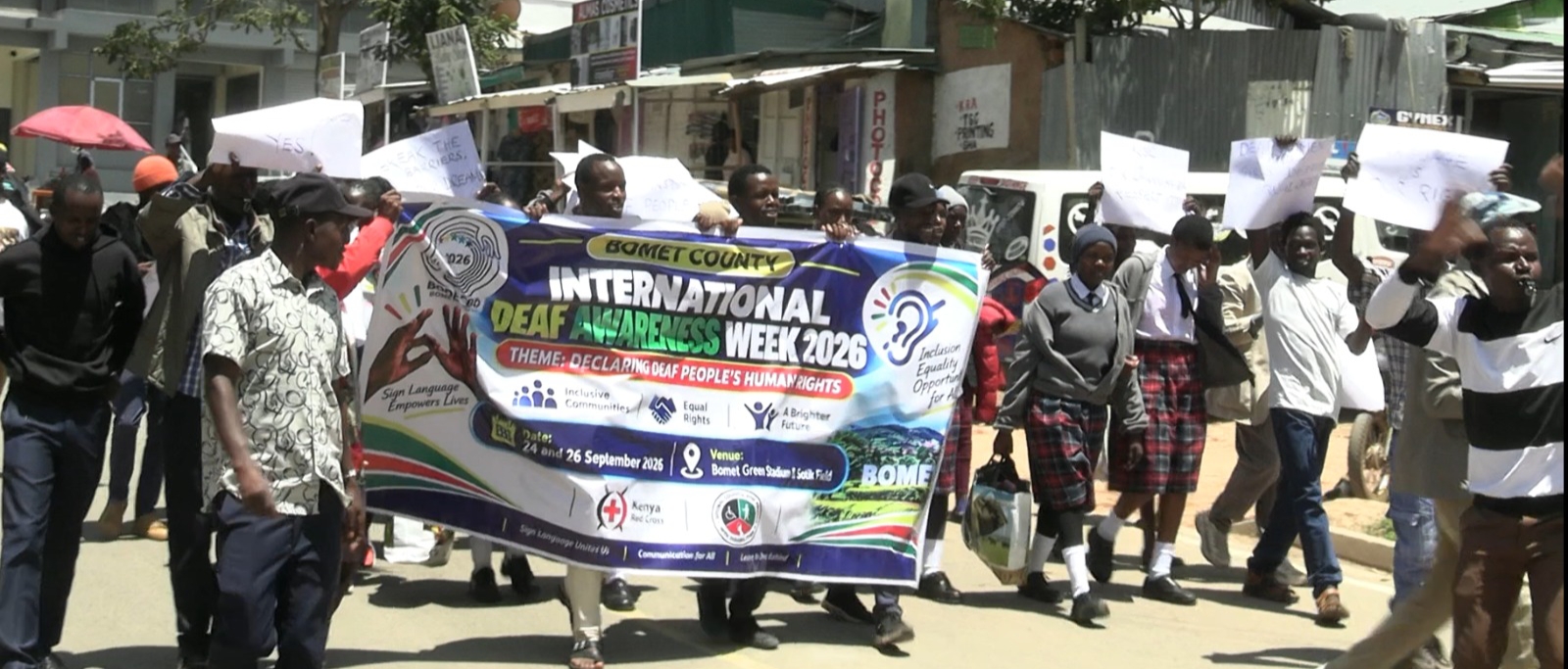
Bomet Green Stadium hosted activities marking International Week of Deaf People, bringing together members of the Deaf community, families, advocates and other stakeholders to raise awareness about the rights, dignity, language and inclusion of Deaf people. The event highlighted the importance of Kenyan Sign Language, accessible education, healthcare, employment opportunities and effective communication for Deaf people. It also provided a platform to celebrate Deaf culture and achievements while encouraging the wider community to remove barriers that limit participation in public life. The celebrations form part of the global International Week of Deaf People, observed from September 21 to 27, with the 2026 theme “Declaring Deaf People’s Human Rights.”
Bomet County joined communities around the world in marking International Week of Deaf People, an important occasion dedicated to raising awareness about Deaf people, sign languages, Deaf culture and the need for equal participation in society. The activities held at Bomet Green Stadium provided an opportunity for members of the Deaf community, families, leaders, disability-rights advocates and other members of the public to come together and highlight issues affecting people who are Deaf or hard of hearing.
The 2026 International Week of Deaf People is being observed from September 21 to 27, under the theme “Declaring Deaf People’s Human Rights.” The World Federation of the Deaf says the campaign is intended to promote recognition and implementation of the human rights of Deaf people, with particular attention to national sign languages, accessibility, education, participation and Deaf culture.
Bomet Green Stadium becomes a platform for inclusion
The gathering at Bomet Green Stadium was significant because public spaces can help bring disability issues into the wider community. Instead of treating Deafness as an issue that concerns only families or special schools, such events create an opportunity for the entire community to understand the experiences and rights of Deaf people.
The event also comes at a time when Bomet has hosted other activities focusing on disability inclusion. In August 2026, for example, Bomet Green Stadium hosted an inclusion event involving KUPPET Bomet and the Daniel Mutai Foundation, which focused on the rights and inclusion of teachers with disabilities and the provision of assistive devices.
International Deaf Awareness Week therefore provides another important platform for discussing how Bomet can make public services, education, employment, healthcare and community activities more accessible to Deaf residents.
Why the week matters
International Week of Deaf People is more than a celebration. It is an opportunity to challenge barriers that prevent Deaf people from participating fully in society.
According to the World Federation of the Deaf, the 2026 campaign places human rights at the centre of the celebrations. The organisation is particularly emphasizing the importance of national sign languages and ensuring that Deaf people have access to information and services through sign language.
The week also coincides with the International Day of Sign Languages on September 23. Sign language is essential for many Deaf people because it enables communication, education, social interaction and participation in public life.
For communities such as Bomet, awareness activities can help hearing residents appreciate that communication barriers are often created by society's lack of accessibility rather than by Deafness itself.
Focus on Kenyan Sign Language
One of the important issues surrounding Deaf awareness in Kenya is the promotion and use of Kenyan Sign Language (KSL).
The National Council for Persons with Disabilities has previously partnered with Deaf organisations to promote awareness of the rights of Deaf people and Kenyan Sign Language. In 2023, the council and the Kenya National Association of the Deaf co-hosted a national symposium on Kenyan Sign Language during International Deaf Awareness Week. Issues raised included education, healthcare, employment, representation and access to interpretation services.
The importance of sign language has also featured in parliamentary discussions in 2026. During National Assembly proceedings in June, legislators discussed provisions concerning Kenyan Sign Language, including education for Deaf learners, appropriate learning materials, training of teachers and regulation of sign-language interpreters. The discussions also addressed accessibility of television and online content through captioning and transcripts.
These national discussions give additional importance to awareness activities taking place at county level.
Education remains a major concern
Education is one of the central issues highlighted during the 2026 International Week of Deaf People.
The World Federation of the Deaf has dedicated one of the campaign's daily themes to the right to quality multilingual inclusive education. It argues that Deaf learners should have access to education through national sign languages and should be supported in environments where they can develop academically and socially.
For Bomet, this means continuing to examine the needs of Deaf learners in schools across the county.
Teachers require appropriate training and learning materials, while parents need information about the educational opportunities available to Deaf children. Schools also need adequate facilities and communication support so that Deaf learners are not excluded from classroom activities.
Awareness events can help parents understand that early access to language and education is important to a child's development.
Access to healthcare
Healthcare is another area where communication can become a major barrier.
A Deaf patient may have difficulty explaining symptoms, understanding medical instructions or asking questions when a healthcare facility does not provide appropriate communication support. This can affect the quality of healthcare received.
International Deaf Awareness Week provides an opportunity to encourage healthcare facilities to consider the needs of Deaf patients. Training healthcare workers in basic sign language, providing qualified interpreters where necessary and ensuring that important health information is available in accessible formats can contribute to more inclusive services.
The Deaf community in Kenya has previously highlighted improved access to healthcare among the issues requiring government attention.
Employment and economic empowerment
Employment is another important part of Deaf people's inclusion.
Awareness should extend beyond education and communication to economic opportunities. Deaf people have skills and abilities that can contribute to businesses, government institutions and community organisations, but communication barriers and misconceptions can make it difficult for some to secure employment.
The 2023 memorandum presented by representatives of the Deaf community to the government called for greater employment opportunities, better support in education and healthcare, and increased access to Kenyan Sign Language interpretation in public settings.
Events such as the one at Bomet Green Stadium can therefore help shift the conversation from disability as a limitation to disability inclusion as a question of rights, accessibility and opportunity.
The importance of sign-language interpreters
Sign-language interpreters play a crucial role in ensuring communication between Deaf people and hearing people.
However, interpretation should not be viewed simply as an optional service. For Deaf people, access to communication can determine whether they are able to participate in meetings, public forums, healthcare services, education, legal processes and other activities.
Kenyan parliamentary discussions in 2026 included proposals concerning the registration and regulation of sign-language interpreters, demonstrating that the issue continues to receive national attention.
At public events, the presence of competent interpreters can ensure that Deaf participants are able to follow speeches, discussions and announcements.
Celebrating Deaf identity and culture
Another important message from the 2026 campaign is that Deafness should not only be discussed in terms of disability.
The World Federation of the Deaf describes Deaf communities as linguistic and cultural communities whose identity is closely connected with national sign languages and Deaf culture. Its 2026 programme includes a specific focus on Deaf Culture as a Human Right.
This makes celebrations such as the Bomet event important for visibility. Deaf people can showcase their talents, achievements, communication skills and contribution to society.
It also gives hearing members of the public an opportunity to learn that sign language is a complete language rather than simply a collection of gestures.
A call for greater community participation
The Bomet gathering also provides an opportunity for residents to consider what they can do individually to make their communities more inclusive.
Learning basic Kenyan Sign Language can make communication easier. Schools can encourage learners and teachers to acquire basic sign-language skills. Businesses can consider accessibility when serving Deaf customers, while government offices can improve communication arrangements for Deaf residents seeking public services.
The message of the 2026 campaign is particularly relevant here: “Declaring Deaf People’s Human Rights.” The World Federation of the Deaf says the objective is not simply to recognise rights on paper but to ensure that those rights become meaningful in everyday life.
Looking beyond the celebrations
As International Deaf Awareness Week continues, the activities at Bomet Green Stadium should be viewed as part of a wider conversation about inclusion.
The real impact of such an event goes beyond the day of celebration. It can encourage institutions to improve accessibility, parents to seek better opportunities for Deaf children, employers to consider qualified Deaf workers and members of the public to learn sign language.
For Bomet County, sustained attention to Deaf people's needs can contribute to a society where residents can access services and participate in community life regardless of their hearing status.
The 2026 International Week of Deaf People runs from September 21 to 27, while September 23 marked the International Day of Sign Languages. The campaign is also particularly significant because 2026 marks 75 years since the founding of the World Federation of the Deaf and 20 years since the adoption of the UN Convention on the Rights of Persons with Disabilities.
The Bomet Green Stadium gathering therefore forms part of a much wider global effort to promote the dignity, identity, language and rights of Deaf people. Its central message is that inclusion requires practical action: accessible communication, inclusive education, equal employment opportunities, accessible healthcare and meaningful participation in decisions affecting Deaf people.
Ultimately, International Deaf Awareness Week offers Bomet and the wider Kenyan community an opportunity to move from awareness to action. By promoting Kenyan Sign Language, supporting Deaf-led organisations and removing communication barriers, communities can create an environment in which Deaf people are able to participate fully and contribute to social and economic development.
You Might Also Like
-
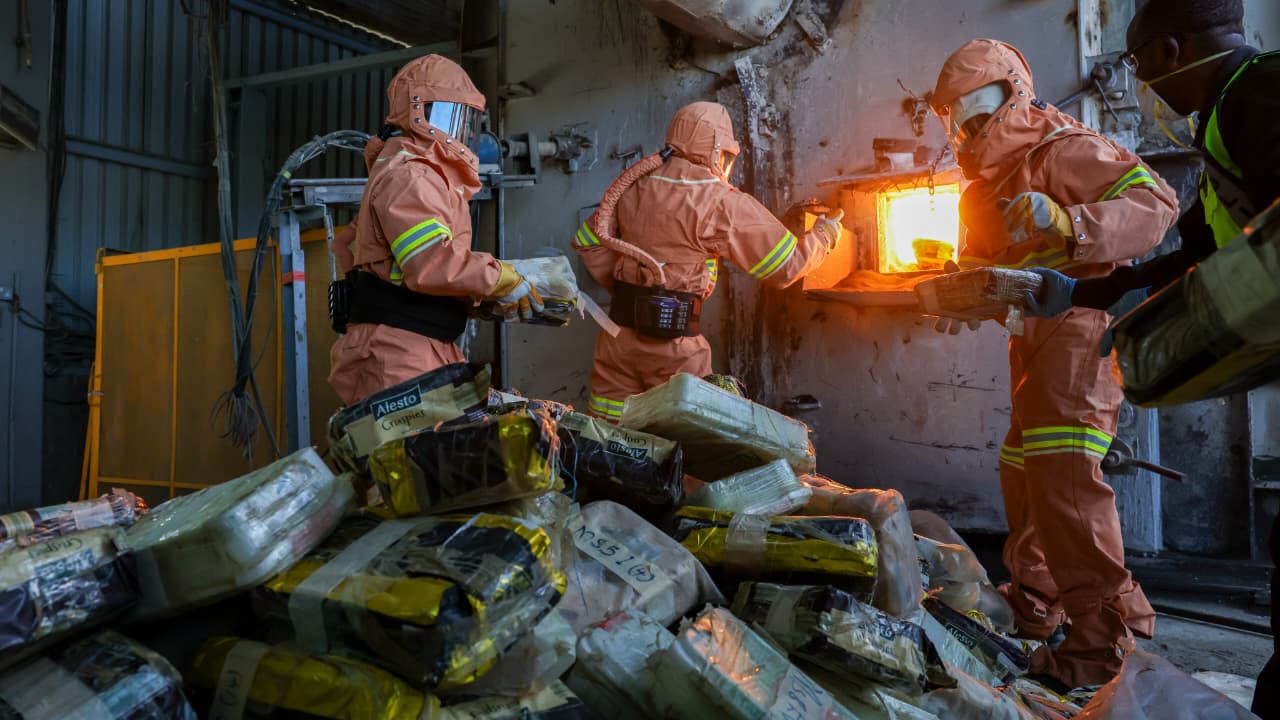
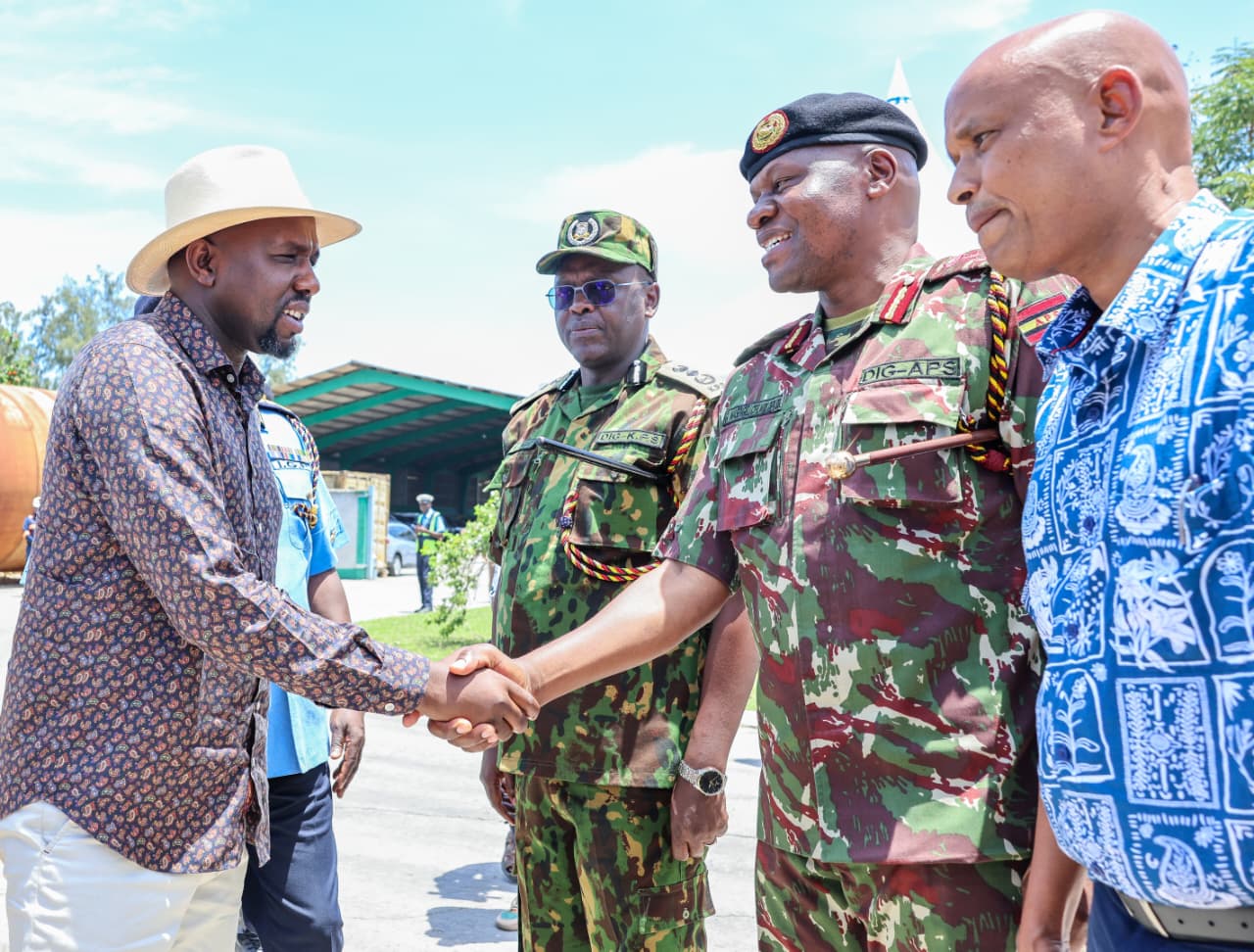
Interior CS Kipchumba Murkomen has overseen the destruction of narcotics worth Sh8.2 billion at Bamburi Cement Factory in Mombasa, including more than 1,000kg of methamphetamine seized in the Indian Ocean last October.
-
Kipchoge Keino Stadium in Eldoret is undergoing a major transformation as the government accelerates preparations ahead of the 2026 Mashujaa Day celebrations scheduled for October 20. Defence Principal Secretary Patrick Mariru has toured the facility to assess progress and monitor the ongoing works,
-
Interior CS Kipchumba Murkomen is overseeing the destruction of methamphetamine worth Sh8.2 billion at Bamburi Cement Factory in Mombasa. The more than one-tonne narcotics consignment was seized by a multi-agency security team in the Indian Ocean last year.
-
UASU's announcement today marks a significant escalation in the ongoing dispute over lecturers' employment terms and the financing of public universities. The union has issued a seven-day strike notice and says lecturers could down their tools on October 2, 2026, unless the 2025–2029 CBA and relat
-
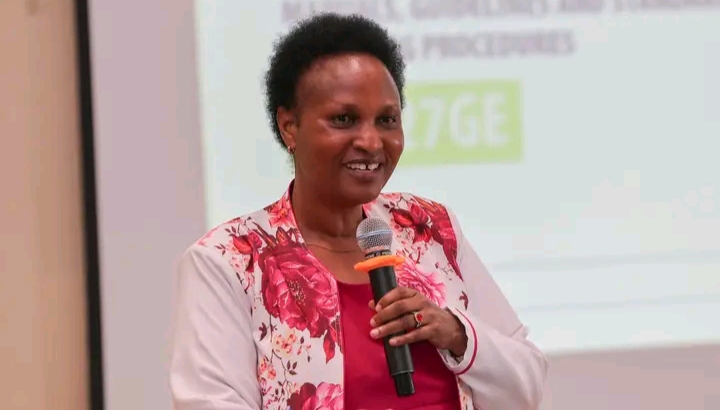
IEBC Commissioner Dr. Ann Nderitu has emphasized the importance of ensuring that Deaf Kenyans can participate fully and equally in the country’s electoral process as preparations for the 2027 General Election continue. The focus includes accessible voter education, Kenyan Sign Language interpretat
-
Eldoret's hosting of the 2026 UN Tourism Week and World Tourism Day celebrations places the North Rift firmly in the national tourism spotlight. With activities taking place mainly at the University of Eldoret, the celebrations are bringing together tourism, culture, sports, technology, artificial i