Justin Muturi Warns Opposition Against Political Supremacy Battles Ahead of 2027 Elections
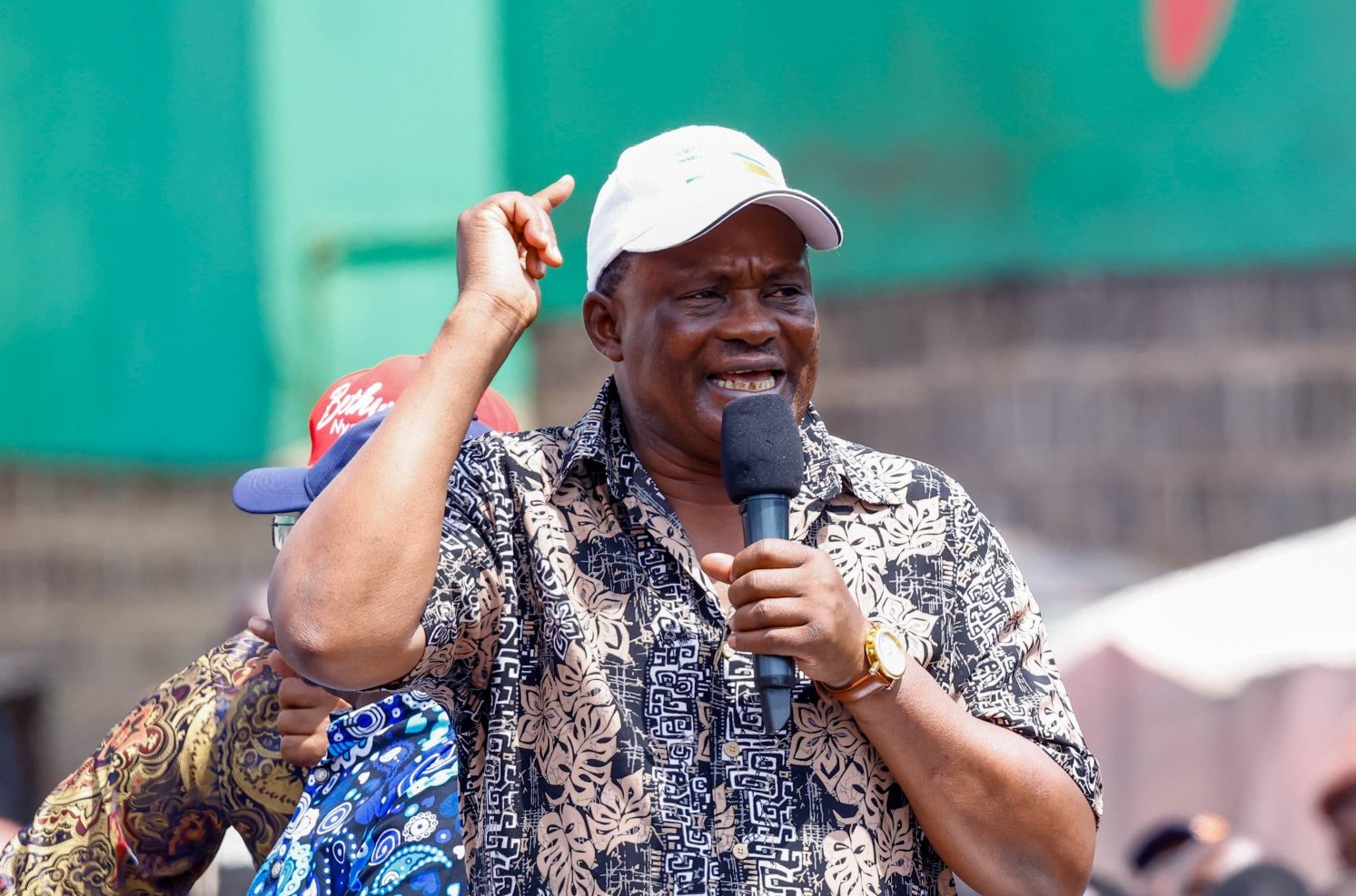
Democratic Party of Kenya leader Justin Muturi has urged opposition leaders to put aside personal ambitions, political supremacy battles and internal disagreements as they prepare for the 2027 General Election. Muturi maintains that no single politician or community can independently secure the presidency, emphasising the need for broad national support, mutual respect and cooperation among political leaders. He has cautioned that divisions within the opposition could weaken its chances of mounting a strong challenge against the Kenya Kwanza administration. The DP leader wants opposition parties to prioritise a common agenda, embrace dialogue and establish fair leadership arrangements that accommodate different political interests. His remarks come amid growing political realignments and discussions over who should lead the opposition in the 2027 presidential race.
Democratic Party of Kenya leader Justin Muturi has cautioned opposition leaders against internal divisions and political supremacy battles, warning that such disagreements could undermine efforts to establish a united political front ahead of the 2027 General Election.
Muturi has called on politicians within the opposition to prioritise unity, mutual respect and cooperation, arguing that personal ambitions should not take precedence over the broader objective of building a strong political movement capable of challenging the government in the next election.
His remarks come at a time when opposition leaders are engaged in discussions about possible political alliances, leadership arrangements and the selection of a presidential candidate to represent their coalition in 2027.
The former National Assembly Speaker expressed concern over growing competition among opposition figures, with different leaders appearing to position themselves for influential roles within the emerging political arrangement.
He maintained that political partnerships should be built on consultation and mutual understanding rather than attempts by individual politicians to dominate others or impose their preferred leadership structures.
Muturi argued that the opposition needs to recognise the country's political diversity and understand that no single individual or community can independently determine who becomes President of Kenya.
According to him, securing the country's highest political office requires support from different regions, communities and political interests across the nation.
His message is directed at opposition politicians who have been involved in discussions about the leadership and future direction of the coalition as the country moves closer to the next General Election.
The DP leader believes that disagreements over political positions and influence could create unnecessary divisions at a time when opposition parties should be concentrating on developing a common agenda.
Muturi's remarks also reflect growing concerns about the challenges facing opposition leaders as they explore ways of working together before the 2027 elections.
Several politicians within the opposition have expressed presidential ambitions, while others have indicated interest in influencing the coalition's leadership and decision-making structures.
The competition has generated questions about who should lead the opposition, how the presidential candidate should be selected and how different political parties will share responsibilities within a possible coalition.
Muturi has warned that these discussions should not become a source of hostility among leaders who are expected to cooperate.
He maintains that political leadership should not be determined through intimidation, personal attacks or claims of superiority.
Instead, he wants opposition politicians to embrace consultations and recognise the contributions of different leaders within the political arrangement.
The DP leader believes that every politician seeking to participate in the coalition should be given an opportunity to contribute ideas and engage in discussions about its future.
He has also emphasised that respect for individual political ambitions is necessary if the opposition hopes to maintain a working relationship among its different members.
Political alliances often bring together leaders with different backgrounds, ideologies and support bases. Managing these differences requires compromise, patience and clear agreements on how decisions will be made.
Without such arrangements, disagreements can easily develop into public confrontations that affect the stability and credibility of the coalition.
One of the central points in Muturi's message is that no Kenyan community can independently determine the country's presidency.
He has maintained that presidential elections require broad national support, making it necessary for politicians to engage communities beyond their traditional political strongholds.
Kenya has a diverse population with different political interests and regional considerations. Presidential candidates therefore need to build partnerships that bring together voters from different parts of the country.
Muturi's position challenges the idea that one political leader or community should exercise exclusive control over an opposition coalition.
He believes that political influence should be built through cooperation and negotiations rather than claims of entitlement.
The DP leader has also cautioned against political approaches that could make other communities or leaders feel excluded from the coalition.
Such an environment, he argues, could make it difficult for opposition parties to establish the national partnerships required for a presidential campaign.
The issue of regional representation has remained an important part of Kenya's political discussions, particularly during the formation of electoral alliances.
Political leaders frequently engage in negotiations involving presidential candidates, running mates and other senior positions as they seek to build support across different regions.
Muturi wants such negotiations to be conducted through mutual understanding rather than confrontational political statements.
He maintains that every community has a role to play in determining the country's leadership and that political coalitions should reflect the diversity of the Kenyan electorate.
The opposition's efforts to establish a united political front ahead of 2027 come with several challenges.
Different parties have their own leadership structures, supporters and political interests, making it necessary for their leaders to agree on a common framework.
Some politicians are interested in contesting for the presidency, while others are focused on parliamentary seats, gubernatorial positions and other elective offices.
These ambitions could complicate negotiations, particularly when several leaders believe they have the political influence and experience required to lead the coalition.
Muturi has urged politicians to approach these discussions with patience and avoid creating unnecessary disagreements.
He believes that the opposition should first establish a shared understanding of its objectives before engaging in serious competition over leadership positions.
A common political agenda could provide a foundation for cooperation by allowing different parties to identify issues they can collectively address.
Such an agenda may include economic challenges, the cost of living, unemployment, public accountability, taxation, healthcare and the delivery of essential services.
By concentrating on issues affecting ordinary Kenyans, opposition leaders could develop a platform that brings together supporters from different political backgrounds.
Muturi's remarks suggest that coalition-building should involve more than selecting a presidential candidate or distributing political positions.
He wants the opposition to develop an arrangement that can accommodate different interests while maintaining a common direction.
He has further emphasised the importance of mutual respect in political partnerships, arguing that no individual should attempt to control the entire opposition movement.
The DP leader believes that leaders joining a coalition should recognise one another's political contributions and avoid treating their colleagues as competitors who must be pushed aside.
He wants politicians to address their differences through dialogue instead of public confrontations that could further complicate their relationships.
Muturi also maintains that leadership should be earned through consultation and the confidence of coalition members rather than imposed through political pressure.
For a coalition involving several parties, decision-making procedures are particularly important. Political partners need to agree on how candidates will be selected, how disagreements will be resolved and how responsibilities will be distributed.
Without clear procedures, internal competition could become difficult to manage, especially when the coalition begins preparing for nominations and campaign activities.
The 2027 General Election is expected to generate significant political activity as parties and individual politicians position themselves for different elective offices.
The opposition's ability to agree on a common presidential candidate remains one of the major questions surrounding its preparations.
Several political leaders have expressed interest in participating in the presidential contest, while others have indicated that they are willing to support a broader coalition if an agreement can be reached.
The selection of a presidential candidate could become a sensitive issue because different leaders have their own supporters and political expectations.
Muturi's warning highlights the importance of handling this process carefully.
He argues that the opposition should avoid allowing individual ambitions to undermine the wider objective of political cooperation.
A candidate selected through a process accepted by coalition members could provide a basis for a coordinated campaign.
However, disagreements over the selection process could create competing political formations and complicate efforts to maintain a united opposition.
Beyond the question of who should lead the opposition, Muturi's remarks also raise the importance of developing a common agenda that addresses the concerns of Kenyan citizens.
Issues such as unemployment, the cost of living, agricultural production, education, healthcare and economic opportunities remain important to voters.
Opposition parties seeking to work together will need to explain how their proposed policies would address these challenges.

You Might Also Like
-
A court has summoned Inspector General of Police Douglas Kanja to appear and provide information regarding the alleged abduction of Tanzanian activist Twaha Mwaipaya. The police chief is expected to clarify what the National Police Service knows about the incident and the steps taken to establish th
-
A Nairobi court has ordered four suspects arrested in connection with the murder of 86-year-old Dorita Macharia to remain in police custody for 10 days as detectives continue investigations. The suspects, Thande Malaika Gitau, Emmanuel Munyeki, Jimmy Macharia and Regina Wangui Macharia, will be held
-
 The accident along the Narok-Nakuru Highway near Enengetia Centre has left six people dead and five others seriously injured, marking another painful moment for families affected by road tragedies in Kenya. The Isuzu FRR lorry was travelling from Nakuru towards Narok when it reportedly lost control
-
Former Mombasa Governor Ali Hassan Joho has declared that the next President of Kenya after William Ruto should come from the Orange Democratic Movement (ODM). His remarks have reignited discussions about ODM's presidential ambitions and its political direction ahead of the 2027 General Election. Jo
-
CS Geoffrey Ruku's impromptu visit to government offices in Kajiado on November 2, 2026, has renewed the national conversation about accountability and discipline in the public service. The reported discovery that more than 70 per cent of public servants were absent from their workstations, alongsi
-
Agriculture Cabinet Secretary Mutahi Kagwe has highlighted opportunities for Kenya and Australia to strengthen cooperation in agricultural research, livestock technology and youth skills development. The proposed partnership could help Kenya benefit from Australia's agricultural expertise through sc