KENYA NEARS EBOLA-FREE STATUS AS ALL NINE CONFIRMED PATIENTS RECOVER, 42-DAY COUNTDOWN BEGINS
Kenya is moving closer to being declared Ebola-free following the recovery and discharge of all nine confirmed patients who tested positive for Bundibugyo Virus Disease. Health Cabinet Secretary Aden Duale has confirmed that the final 11 contacts also completed their mandatory 21-day monitoring period in good health, marking a major milestone in the country's efforts to contain the outbreak. Since confirming the first imported case on October 6, 2026, health authorities have successfully traced and monitored all 135 contacts linked to the index case, with all confirmed infections contained within a single cluster and no community transmission reported. The Ministry of Health has now begun a mandatory 42-day countdown from November 12, with Kenya expected to be declared Ebola-free around December 23, 2026, provided no new cases are detected. CS Aden Duale has called for continued vigilance and cooperation as the country enters the final phase of its Ebola response.
Kenya has reached a significant milestone in its fight against Ebola following the recovery and discharge of the last confirmed patient who had tested positive for the Bundibugyo Virus Disease. The Ministry of Health has also confirmed that the final 11 contacts who were under medical monitoring successfully completed their mandatory 21-day observation period without developing symptoms associated with the virus.
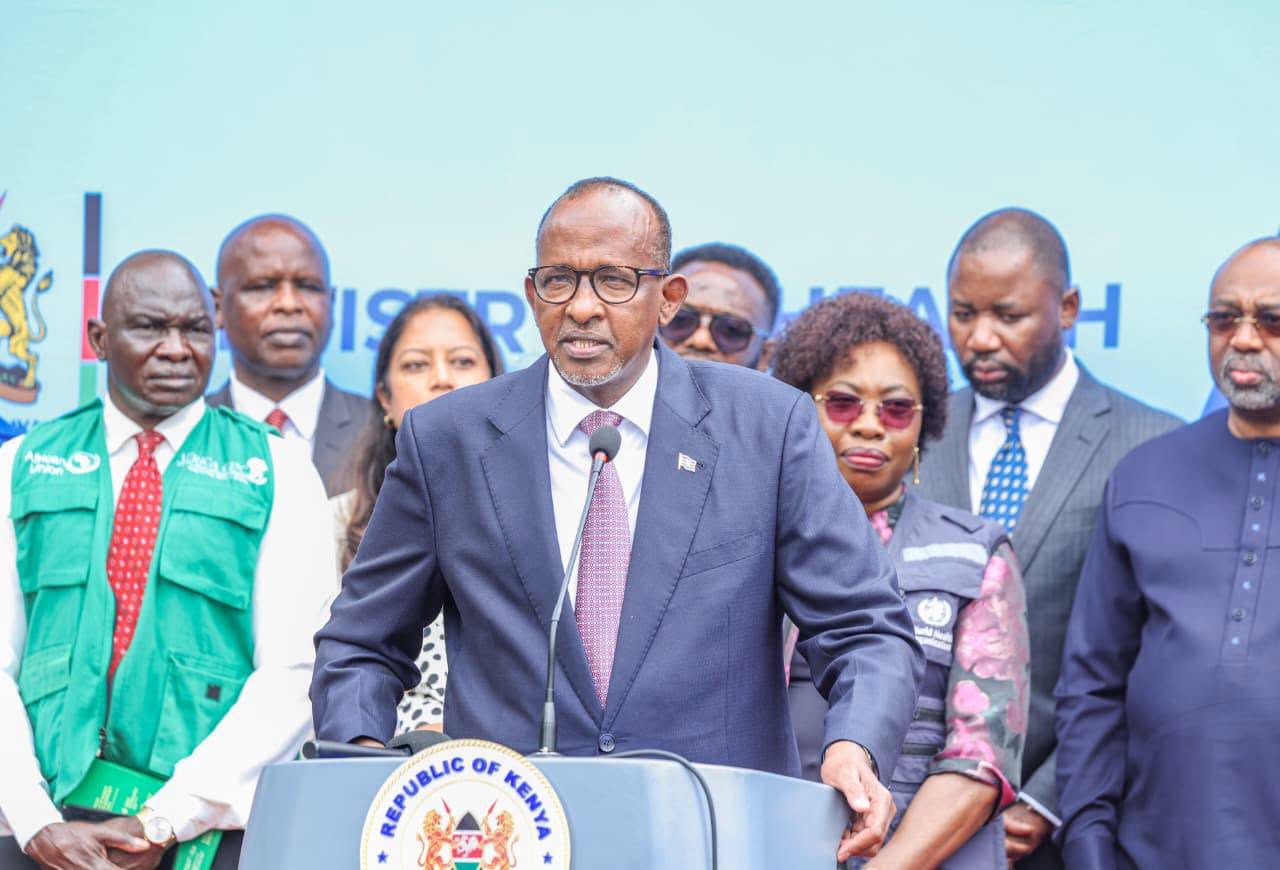
Health Cabinet Secretary Aden Duale announced the development while addressing the media, describing it as an important achievement in the country's efforts to contain the outbreak and prevent further infections. The announcement comes after weeks of heightened surveillance, contact tracing and public health interventions aimed at controlling the spread of the disease following the confirmation of the first imported case in October 2026.
According to Duale, the recovery of the final patient and the successful completion of monitoring by the remaining contacts mark an important stage in Kenya's Ebola response. However, the country must still complete a mandatory 42-day observation period before it can officially be declared Ebola-free.
The countdown is scheduled to begin on Thursday, November 12, 2026, following the discharge of the last patient and the release of the final contacts from monitoring. If no additional cases are reported during this period, Kenya is expected to be declared free of the outbreak on or around December 23, 2026.
The 42-day period is an important public health requirement used to establish whether a country has successfully interrupted transmission of the virus. It allows health authorities to continue monitoring the situation and confirm that no new infections emerge after the last known patient has recovered.
The Ministry of Health has maintained that the successful containment of the outbreak was made possible through surveillance, timely identification of suspected infections, contact tracing and close monitoring of individuals who had been exposed to confirmed cases.
Kenya confirmed its first imported case of Bundibugyo Virus Disease on October 6, 2026, triggering an immediate response by health authorities to prevent the virus from spreading to other parts of the country. The confirmation prompted the government to strengthen disease surveillance and activate public health measures aimed at identifying possible infections and monitoring individuals who may have come into contact with the patient.
Following the first confirmed infection, health officials worked to establish the movement history of the patient and identify individuals who could have been exposed to the virus. Contact tracing became one of the central strategies in the national response, allowing authorities to follow up on people who had interacted with confirmed patients.
The country subsequently recorded nine confirmed cases, with all infections linked to a single cluster. According to the Health Cabinet Secretary, the outbreak remained contained within that cluster, with no evidence of community transmission reported.
The absence of community transmission was an important development in the country's response because it indicated that the infections had not spread beyond the identified cluster. Health teams continued to monitor the situation closely to ensure that any new suspected infection would be detected and addressed promptly.
Duale revealed that all 135 contacts associated with the index case were successfully traced and placed under the required monitoring programme. The individuals were observed for 21 days, during which health officials assessed their health status and remained alert to any symptoms that could indicate infection.
Contact tracing plays a critical role in controlling infectious disease outbreaks because it helps health authorities identify people who may have been exposed before they unknowingly spread an infection to others. By monitoring these individuals, medical teams can quickly isolate suspected cases and provide the necessary medical attention.
The successful completion of the monitoring period by all identified contacts represents another important achievement in Kenya's efforts to contain the outbreak. The final 11 contacts were released after completing the required 21 days in good health, meaning that none developed symptoms during the observation period.
The Ministry of Health has continued to emphasise the importance of maintaining surveillance even after the last confirmed patient has recovered. This is because the recovery of patients does not immediately mean that an outbreak has officially ended. Health authorities must observe the required period without new infections before making a formal declaration.
The 42-day countdown is therefore expected to provide an additional opportunity for medical teams to monitor the population, investigate suspected cases and ensure that the virus has not resurfaced.
During this period, health facilities and surveillance teams are expected to remain alert and continue following established reporting procedures. Members of the public will also be encouraged to seek medical attention whenever they experience symptoms associated with serious infectious diseases.
The government has relied on coordination between different health institutions and frontline workers to manage the outbreak. Surveillance officers, medical personnel and other public health teams have played important roles in identifying contacts, monitoring exposed individuals and ensuring that confirmed patients receive appropriate care.
The recovery of all nine confirmed patients also highlights the importance of timely medical intervention and coordinated outbreak management. Their discharge marked a major development in the country's efforts to bring the outbreak under control.
Although the latest announcement offers reassurance, health authorities are expected to maintain vigilance throughout the countdown period. The possibility of new suspected cases means that surveillance cannot be relaxed until the required 42 days have passed without another confirmed infection.
The Bundibugyo Virus Disease belongs to the group of illnesses caused by Ebola viruses. It is a serious infectious disease that requires rapid identification, effective infection prevention measures and coordinated public health action to limit transmission.
Outbreaks of Ebola-related diseases can place considerable pressure on health systems because they require specialised monitoring, isolation arrangements and strict infection prevention procedures. Governments must therefore respond quickly whenever a suspected or confirmed case is identified.
Kenya's response involved tracing individuals who may have been exposed, monitoring their health and ensuring that suspected infections were investigated. These measures were aimed at preventing additional cases and protecting communities from possible transmission.
The Ministry of Health has also continued to underline the importance of public awareness and cooperation in managing infectious disease threats. Members of the public are encouraged to follow official health guidance and avoid spreading unverified information that could create unnecessary fear or confusion.
Health authorities have repeatedly stressed that accurate information is essential during disease outbreaks because it enables communities to understand the risks and take appropriate precautions.
The latest development is expected to provide relief to families, healthcare workers and communities that have closely followed the country's response since the first imported case was confirmed.
For the health sector, the successful monitoring of all 135 contacts demonstrates the importance of organised surveillance systems and the ability of medical teams to follow up on individuals who may have been exposed to infectious diseases.
The government will now focus on completing the 42-day countdown while maintaining the surveillance measures necessary to detect any possible new infection.
The expected December 23 declaration will, however, depend entirely on whether Kenya records another confirmed case during the observation period. Should a new infection emerge, health authorities would be required to investigate the situation and take the necessary public health measures.
The Ministry of Health has therefore urged continued cooperation as the country moves into the final stage of its outbreak response.
The announcement by Aden Duale marks an important moment in Kenya's fight against Bundibugyo Virus Disease. With all nine confirmed patients having recovered, the final 11 contacts released from monitoring and all 135 identified contacts successfully traced, the country has made significant progress in containing the outbreak.
Kenya now faces the final 42-day monitoring period, which will determine whether the country can officially be declared Ebola-free around December 23, 2026.
For now, the focus remains on sustained surveillance, public cooperation and continued readiness by health authorities as the country works towards ending the outbreak completely.

You Might Also Like
-
Kenyan tea farmers and exporters are expected to benefit from renewed business opportunities following Sudan’s decision to lift its ban on tea imports from Kenya. The move paves the way for the resumption of tea shipments to the Sudanese market, which has traditionally been an important destinatio
-
Kenya has made a major breakthrough in its fight against the Ebola virus after Health Cabinet Secretary Aden Duale announced that the last patient receiving treatment for the disease had been discharged from hospital. The announcement marks an important milestone in the country's efforts to contain
-
The destruction of two classrooms at the school in Tilito village, Kipkelion East Constituency, following heavy rainfall and strong winds has left residents concerned about the future of learning facilities in their community. The incident, which occurred on November 9, 2026, also affected the schoo
-
Prime cabinet secretary Musalia Mudavadi opens national forum on county public service boards.His call for merit-based recruitment, performance-based promotions, independent public service boards and proper wage-bill management highlights the need for stronger human resource systems across all 47 co
-
Deputy President Kithure Kindiki has officially commissioned the Sh52 million Rabai Huduma Centre in Kilifi County, in a move aimed at bringing essential government services closer to residents while creating new opportunities for young people. During the launch, Kindiki announced plans to equip the
-
A new report by the National Council on the Administration of Justice (NCAJ) has revealed that nearly one in three convicted inmates in Kenya's prisons is serving a sentence for a sexual offence. Data from the State Department for Correctional Services indicates that 11,108 out of approximately 37,0