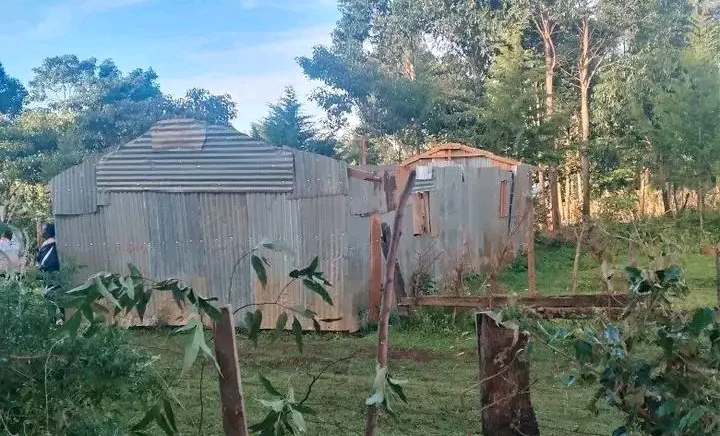
Heavy Rains and Strong Winds Destroy Two Classrooms at Tilito Junior School in Kipkelion East
The destruction of two classrooms at the school in Tilito village, Kipkelion East Constituency, following heavy rainfall and strong winds has left residents concerned about the future of learning facilities in their community. The incident, which occurred on November 9, 2026, also affected the school's ICT facility, increasing the need for urgent intervention. Residents, including Ruben Lang'at and village manager Bernard Siele, have called on local leaders to address the damage and fulfil earlier commitments concerning school facilities. The community is also appealing for improvements to local roads, which have been affected by poor conditions during the rainy season. The incident serves as a reminder of the importance of investing in strong school infrastructure, disaster preparedness and regular maintenance to protect learners and ensure uninterrupted education.
The learning environment at Tilito Junior School in Kipkelion East Constituency has been affected after heavy rainfall accompanied by strong winds destroyed two classrooms at the institution. The incident has raised concerns among parents, teachers and members of the local community over the safety of learners and the condition of school infrastructure, particularly during the rainy season.
The destruction of the two classrooms is a major setback for the school because learning facilities play an important role in ensuring that pupils receive quality education in a safe and supportive environment. The incident has also highlighted the vulnerability of school buildings to extreme weather conditions and the need for stronger infrastructure in learning institutions.
According to reports published on November 10, 2026, the incident occurred on Monday, November 9, at approximately 6:00 p.m. in Tilito village, Chepseon Ward, Kipkelion East Constituency, Kericho County. The heavy downpour was accompanied by strong winds that swept through the area, bringing down the classrooms and damaging school facilities. The classrooms were reportedly brought down by the combination of heavy rainfall and powerful winds. The structures were left severely damaged and could no longer be used for normal learning activities.
The destruction has also raised questions about the quality and strength of school infrastructure in areas that frequently experience heavy rainfall. Residents are concerned that other school buildings could face similar challenges if appropriate measures are not taken to protect them against extreme weather.
The incident is particularly worrying because schools are expected to provide safe environments where children can study without being exposed to dangerous conditions.Apart from the destruction of the classrooms, the school's Information and Communication Technology (ICT) facility was also affected by the storm.
The damage to the ICT facility is another major concern because digital learning has become an important part of modern education. Schools increasingly depend on computers and other technological resources to help learners develop digital skills and access educational materials.
The destruction of this facility could interfere with efforts to introduce pupils to technology and improve their understanding of digital education.
Residents have also questioned the delay in fulfilling an earlier promise to repair the ICT facility. One resident, Ruben Lang'at, expressed disappointment, saying that the community had been expecting intervention after a commitment had reportedly been made to address the facility's condition.
His concerns reflect the frustration among residents who want leaders to take action and ensure that the school receives the assistance it needs.Ruben Lang'at questioned the delay in addressing earlier concerns about the ICT facility and appealed to the area's leadership to honour the commitment reportedly made to repair it.
Village manager Bernard Siele also confirmed that the strong winds accompanying the rainfall had brought down the classrooms, leaving the structures unusable.
The residents believe that the situation requires cooperation between the national government, county government, local leaders, education officials and the community.
They are particularly concerned that without urgent intervention, learners could face difficulties accessing suitable classrooms when schools resume.The destruction of buildings constructed through their contributions represents a significant loss to the community.
Families are now concerned about the possibility of further contributions being required to restore the damaged structures.
For many households, meeting educational expenses is already a challenge. Parents have to provide school materials, uniforms, transport and other necessities for their children.
The destruction of the classrooms has therefore created another concern for families who depend on the school to provide education within their community.
Residents are appealing for government assistance instead of leaving parents to shoulder the financial burden of rebuilding the damaged facilities alone.His concerns demonstrate that the effects of heavy rainfall go beyond school buildings. Poor roads can affect access to essential services, transportation of agricultural produce and the movement of residents.
The situation has prompted calls for the relevant authorities to consider improving local roads to ensure that communities remain accessible during the rainy season.The Tilito incident highlights the importance of regularly inspecting school infrastructure to identify weaknesses before they develop into serious safety risks.
Education authorities should work with relevant technical officers to assess the remaining school buildings and determine whether they are strong enough to withstand further heavy rainfall.
Such inspections would help identify structures that require repairs, reinforcement or reconstruction.
Parents and teachers also have an important role in reporting visible damage and ensuring that pupils do not enter buildings that have become unsafe.The incident comes during Kenya's October-November-December rainy season, a period associated with increased rainfall in several parts of the country.
The Kenya Meteorological Department has forecast above-average rainfall in a number of counties, raising concerns about possible effects on infrastructure, agriculture, transport and public facilities.
Kericho County is among the areas where communities need to remain alert to changing weather conditions.
Heavy rainfall can cause flooding, soil erosion, destruction of buildings and damage to roads. Strong winds can also remove roofs, bring down weak structures and damage electricity infrastructure.
The destruction of the classrooms in Tilito demonstrates how quickly severe weather can affect essential community facilities.
It also highlights the need for disaster preparedness at schools, particularly those operating in areas vulnerable to heavy rainfall and strong winds.The relevant authorities should assess the extent of the damage and establish the resources required to reconstruct the buildings.
The reconstruction process should prioritise durable materials, proper roofing systems and strong structural designs capable of withstanding severe weather conditions.
There is also a need to establish temporary learning arrangements if the affected facilities cannot be restored before learners return.
Pupils should not be forced to study in damaged buildings or overcrowded classrooms because of the incident.
Education officials, local leaders and the school administration should work together to ensure that every learner has access to a safe learning environment.

You Might Also Like
-
Kenya is moving closer to being declared Ebola-free following the recovery and discharge of all nine confirmed patients who tested positive for Bundibugyo Virus Disease. Health Cabinet Secretary Aden Duale has confirmed that the final 11 contacts also completed their mandatory 21-day monitoring peri
-
Kenyan tea farmers and exporters are expected to benefit from renewed business opportunities following Sudan’s decision to lift its ban on tea imports from Kenya. The move paves the way for the resumption of tea shipments to the Sudanese market, which has traditionally been an important destinatio
-
Kenya has made a major breakthrough in its fight against the Ebola virus after Health Cabinet Secretary Aden Duale announced that the last patient receiving treatment for the disease had been discharged from hospital. The announcement marks an important milestone in the country's efforts to contain
-
Prime cabinet secretary Musalia Mudavadi opens national forum on county public service boards.His call for merit-based recruitment, performance-based promotions, independent public service boards and proper wage-bill management highlights the need for stronger human resource systems across all 47 co
-
Deputy President Kithure Kindiki has officially commissioned the Sh52 million Rabai Huduma Centre in Kilifi County, in a move aimed at bringing essential government services closer to residents while creating new opportunities for young people. During the launch, Kindiki announced plans to equip the
-
A new report by the National Council on the Administration of Justice (NCAJ) has revealed that nearly one in three convicted inmates in Kenya's prisons is serving a sentence for a sexual offence. Data from the State Department for Correctional Services indicates that 11,108 out of approximately 37,0