



Kenya Power Announces Planned Power Outages in Several Areas Across the Country
The latest Kenya Power notice shows that customers in selected parts of Nairobi and the Coast region, including South C in Nairobi and Mariakani in Kilifi County, are scheduled for electricity interruptions on Sunday, September 6, 2026, as part of planned maintenance activities. Although power outages can inconvenience households, students, businesses and institutions, planned maintenance is necessary to keep electricity infrastructure safe and reliable. Customers in affected areas should prepare early by charging electronic devices, making alternative arrangements where necessary and protecting sensitive electrical equipment. Kenya Power has also made it easier for customers to access information and report problems through digital services, particularly *977#, the MyPower app and its customer-contact channels. Most importantly, members of the public should treat electrical infrastructure with caution during an outage. Fallen cables and damaged poles should never be touched or moved. Instead, they should immediately be reported to Kenya Power or the relevant emergency authorities.
Kenya Power has notified members of the public about planned electricity interruptions affecting selected areas of the country as the company carries out maintenance and improvement works on its electricity distribution network. The latest notice covers Sunday, September 6, 2026, with affected customers expected to experience temporary interruptions as engineers undertake network maintenance. Kenya Power has urged customers in the affected areas to plan ahead and use its official channels to obtain updates or report unexpected outages.
Kenya Power, formally known as the Kenya Power and Lighting Company (KPLC), is responsible for transmitting, distributing and retailing electricity to millions of customers across Kenya. The company currently serves more than 10 million customers and operates an extensive electricity distribution network throughout the country.
Areas affected by the September 6 outage
According to the latest available outage schedule, some customers in Nairobi and the Coast region are among those scheduled to experience interruptions on Sunday.
In Nairobi, the notice lists parts of South C as an affected area. Locations mentioned include Bandari Estate, Amboseli Estate, the Southern Bypass area, The Curve, NextGen Mall, Kenya Re Estate, College of Insurance, KNEC, KPA Flats, Halai Estate and Defam, among other adjacent customers. Power Interruptions
In the Coast region, Mariakani is listed for a planned interruption. The affected locations include Mariakani Town, Bamba, Kadzonzo, Roche, Shreeji, Mariakani Barracks, the weighbridge area, Mariakani Police, Mariakani Catholic, Miracle Church, Mkilo, Kalalani, Msufini and World Poles, among other customers.
The interruptions are part of planned maintenance rather than necessarily being an indication of a national electricity crisis. Kenya Power regularly switches off sections of its network when engineers need to safely work on electrical equipment, lines, transformers and other infrastructure.
Why Kenya Power carries out planned outages
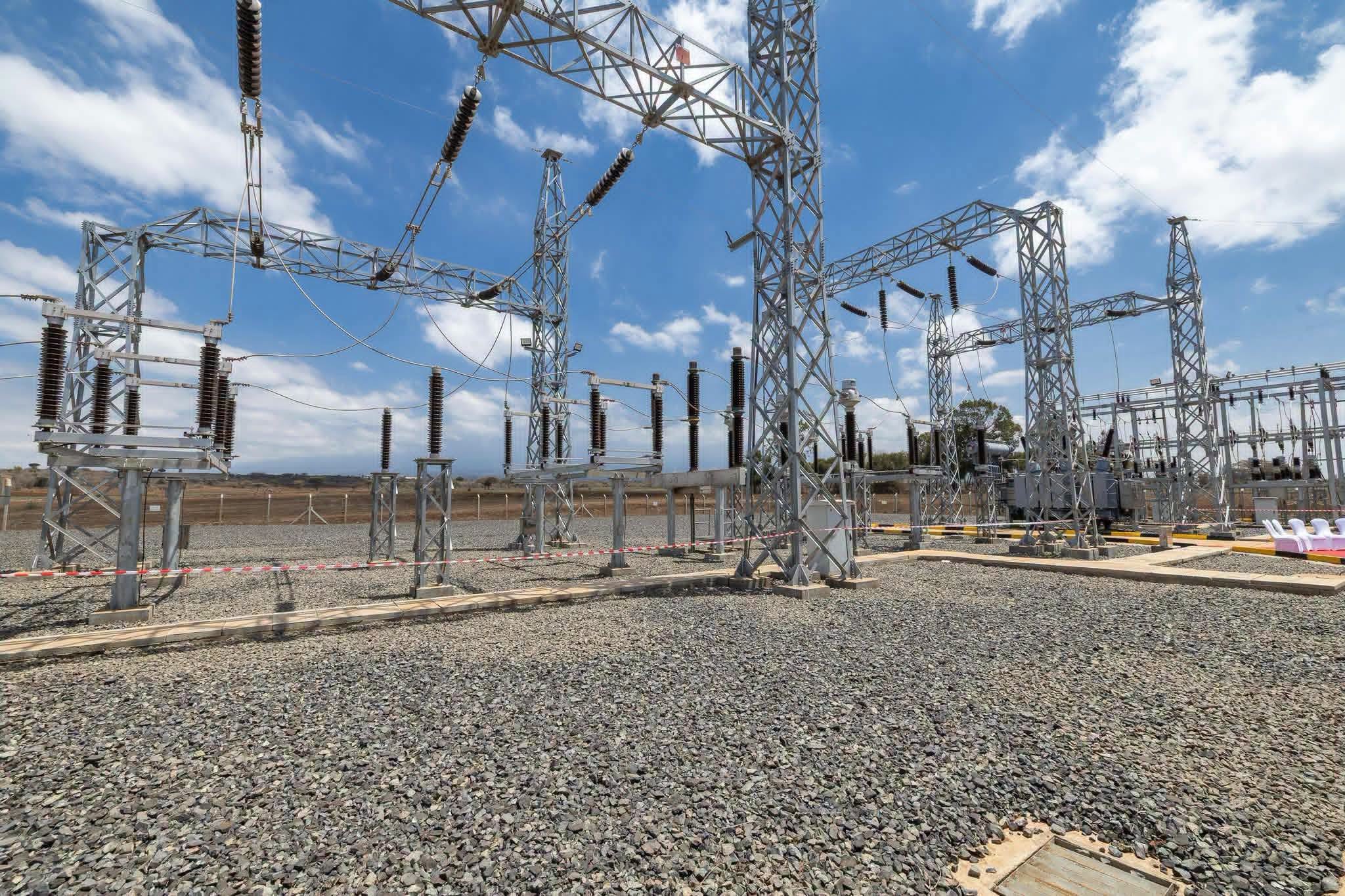
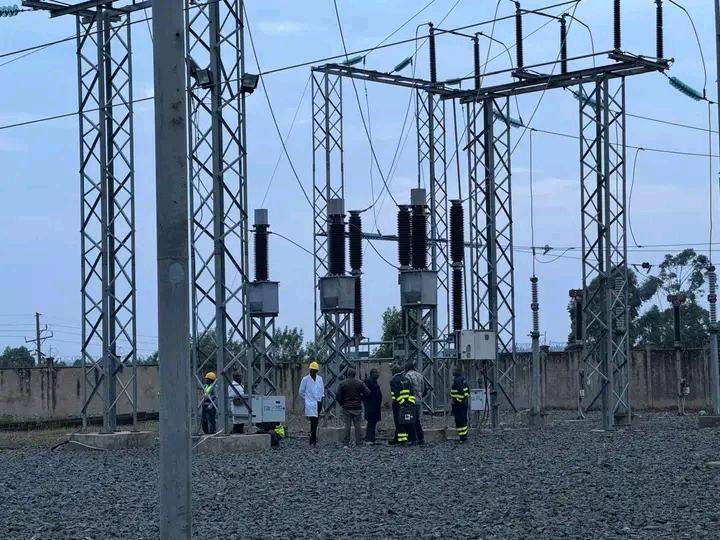
Electricity maintenance requires engineers and technicians to work on equipment that can be extremely dangerous when energized. In some situations, the safest way to conduct repairs or upgrades is to temporarily disconnect electricity to a particular section of the network.
Planned interruptions can therefore allow Kenya Power personnel to carry out activities such as repairing or replacing transformers, maintaining power lines, installing new equipment, upgrading substations and strengthening distribution networks.
Although customers may experience inconvenience during these exercises, maintenance is important for improving reliability in the long term. Kenya Power has previously explained that planned interruptions are undertaken as part of efforts to improve electricity supply reliability.
The company has also continued investing in network expansion and electrification. Its Last Mile Connectivity programme, for example, includes installation of transformers and extension of low-voltage networks to connect additional customers to electricity.
Difference between planned and unplanned outages
It is important for electricity consumers to understand that not every blackout is planned.
A planned outage is announced in advance and normally occurs because Kenya Power has scheduled maintenance or other work. Customers can therefore prepare by charging phones, powering essential equipment and making alternative arrangements for businesses or households that depend heavily on electricity.
An unplanned outage, on the other hand, can occur unexpectedly because of faults, damaged equipment, accidents, storms, fallen trees, overloaded infrastructure or other technical problems.
The two situations can sometimes look similar to customers because both result in electricity being unavailable. However, their causes and restoration processes may be different.
Kenya Power's official customer-service platform allows customers to report power outages and access information about planned interruptions. The company says customers can use the *977# USSD service, while its MyPower application also provides information on planned interruptions and allows customers to report outages.
Impact on households
Power interruptions can have a significant effect on households. Many families depend on electricity for lighting, cooking, charging mobile phones, watching television, accessing the internet and operating household appliances.
A daytime interruption may be less disruptive to some households because natural light is available. However, longer interruptions can still affect people working or studying from home.
Families with children preparing for examinations may also be affected when they rely on electricity for evening studies. Students who use computers or internet-connected devices may be unable to continue with their work during an outage.
For this reason, advance notice of planned interruptions is useful. Customers can charge phones and other devices before the interruption begins and complete important electronic tasks beforehand.
Impact on businesses
Businesses are also likely to feel the effects of electricity interruptions.
Small shops, salons, restaurants, cybercafés, offices, supermarkets and workshops often depend on electricity for their daily operations. A power interruption can prevent businesses from using computers, refrigerators, payment machines, internet equipment and other electrical appliances.
For businesses dealing with perishable goods, prolonged outages can be particularly challenging. Restaurants, hotels, butcheries, milk shops and supermarkets may need alternative power sources to protect food and other temperature-sensitive products.
Businesses can reduce the impact by preparing backup systems such as generators, solar power systems, rechargeable lighting and backup internet equipment.
Hospitals and essential services
Electricity reliability is especially important for hospitals and other essential institutions.
Healthcare facilities use electricity for lighting, medical equipment, refrigeration, computers, communication systems and other essential operations. Hospitals normally have backup power arrangements for critical services, but planned outages still require proper preparation.
Other institutions such as police stations, schools, banks, government offices and communication facilities can also be affected by interruptions.
This is why electricity companies must carefully coordinate maintenance work and ensure that safety and continuity of essential services are considered.
Kenya Power encourages customers to use official channels
Kenya Power has increasingly encouraged customers to use its digital platforms rather than relying solely on physical offices.
The company's customer-service information states that the *977# USSD service is available for customers using different types of mobile phones. Customers can use the service for prepaid and postpaid services, report incidents, raise billing complaints and access other services.
The MyPower app also provides customers with access to services including viewing bills and tokens, bill simulation, new supply applications, planned interruptions and outage reporting.
Kenya Power's official website also lists 97771 as its national contact centre and provides customer-support information.
This is important because customers sometimes receive information about electricity interruptions from unofficial social-media pages or forwarded messages. Consumers should verify outage information through Kenya Power's official platforms before making decisions based on it.
Safety remains important during outages
Kenya Power has also warned the public about the dangers associated with electricity infrastructure.
A power line that appears to be dead should not automatically be assumed to be safe. Electricity can be restored without warning, particularly when engineers are working to repair a fault.
Kenya Power advises members of the public not to touch, drive over or attempt to remove fallen power lines, electricity poles or conductors. Customers who encounter fallen power lines are advised to report them through 97771 or *977#, or contact the police.
Parents should also ensure that children do not play near electrical equipment, substations, poles or fallen cables.
Motorists should exercise caution around areas where electrical poles or lines have fallen, especially during bad weather.
Importance of preparing for an outage
Customers living or working in areas scheduled for an interruption can take several simple steps before the electricity is switched off.
First, mobile phones should be fully charged. Power banks should also be charged in advance.
Second, businesses should save important computer work and safely shut down sensitive equipment before the interruption.
Third, households that depend on electrically powered water pumps should consider storing enough water beforehand.
Fourth, refrigerators and freezers should be kept closed as much as possible during an outage to help maintain low temperatures.
Fifth, people using medical equipment that requires electricity should make appropriate arrangements with their healthcare providers or caregivers and ensure backup power is available where necessary.
Businesses should similarly prepare alternative power sources if an interruption is likely to affect their operations significantly.
The wider issue of electricity reliability in Kenya
The latest planned interruptions also highlight the broader importance of maintaining Kenya's electricity infrastructure.
Kenya has expanded access to electricity significantly over the years, with Kenya Power reporting that its network extends across hundreds of thousands of kilometres and serves millions of accounts.
However, expanding the network also creates a continuing need for maintenance, upgrades and replacement of ageing equipment.
Electricity demand also changes as more households, businesses and industries connect to the grid. New housing developments, commercial centres and industrial facilities require reliable electricity, meaning that distribution infrastructure has to be continuously improved.
Maintenance is therefore an important part of ensuring that electricity can be supplied safely and reliably.
Customers should check whether an outage is planned
Not every outage affecting a customer's home or business will appear in the planned interruption schedule. If electricity goes off unexpectedly, customers should report it through Kenya Power's official channels.
The company provides the *977# service for reporting incidents, while the MyPower app also provides an outage-reporting option.
Customers should provide accurate information when reporting an outage, including their location and, where possible, the nature of the problem. This can help Kenya Power identify the affected section of the network and dispatch the appropriate technical team.

You Might Also Like
-
Kenya's weather today, Sunday, September 6, 2026, is expected to be largely sunny and dry, but several counties may experience localized light rainfall. The areas with rainfall possibilities today include parts of Mombasa, Kwale, Lamu, Garissa, Nyandarua, Nyeri, Siaya, Bungoma and Busia, with the ti
-
The Nakuru–Eldoret Highway accident at Twin Bridge on September 5, 2026, has left at least five people dead and eight others injured after a Kapsowar Sacco matatu collided with a stationary truck during the early hours of the morning. The victims were reportedly travelling towards Eldoret, with so
-
The directive is aimed at improving security planning, maintaining public order and managing crowds during political gatherings
-
Kenya’s Ministry of Education has introduced fresh directives regulating school activities during the third term and the 2026 national assessment and examination period. The measures are intended to reduce disruptions and give candidates adequate time to prepare for KCSE, KPSEA, KJSEA and other na
-
President William Ruto’s expected September 9, 2026 development tour of Kericho County comes at an important moment for the county. The reported programme brings together four projects that have direct implications for residents: the Chelimo Affordable Housing project, Kipsigis Girls’ new tuitio
-
President Ruto Commissions New Power Transmission Lines to Boost Electricity Connectivity