Kenya Set to End Ebola Monitoring as Final 52 People Leave Quarantine
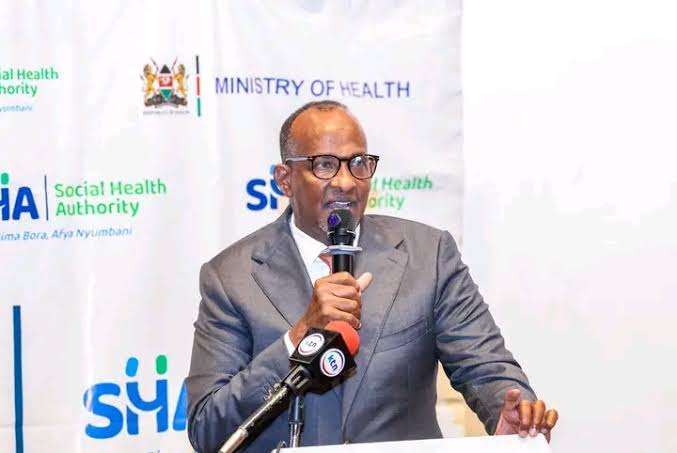
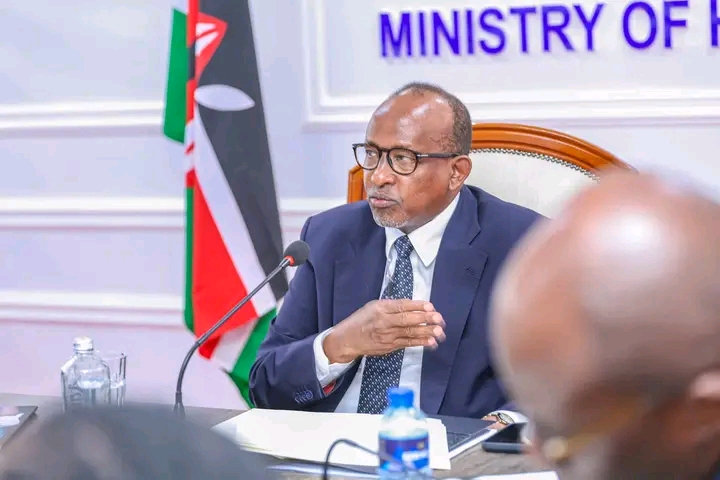
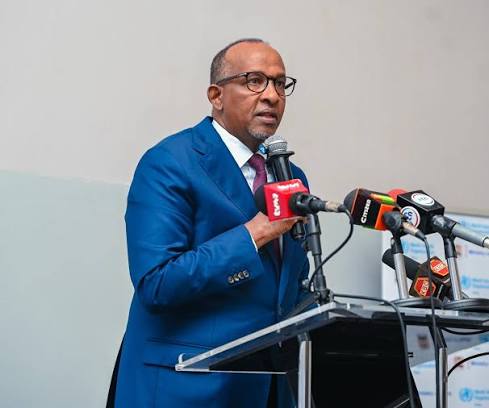
Kenya is expected to end the monitoring phase of its Ebola outbreak this week after the remaining 52 people complete quarantine and are cleared to return home. Health CS Aden Duale says no new confirmed infections have been reported since October 19, with all nine cases traced to a single cluster linked to a patient who travelled from the Democratic Republic of Congo. The outbreak claimed two lives, while health authorities maintained surveillance and contact tracing to prevent further transmission. The latest update signals progress in containing the disease and restoring normalcy as the country prepares to conclude its response.
Kenya is preparing to end the monitoring phase of its Ebola outbreak once the remaining 52 people under quarantine complete their observation period and are cleared to return home this week. Health Cabinet Secretary Aden Duale has indicated that the country has recorded no new confirmed infections since October 19, offering reassurance as health authorities continue efforts to contain the outbreak. The Ministry of Health says the nine confirmed cases were linked to a single cluster, with the first patient having travelled from the Democratic Republic of Congo. Two people died from the disease, while the remaining cases were managed through the country's response system.
The expected release of the 52 people from quarantine marks an important stage in Kenya’s efforts to bring the outbreak response to a close. Their monitoring period has been part of the measures put in place to identify possible infections early and prevent further spread. Health authorities have continued observing individuals considered to have been exposed to the virus, ensuring that anyone who develops symptoms can receive prompt medical attention and undergo the necessary testing.
Duale's update indicates that the outbreak has remained contained within the identified cluster, with no confirmed evidence of transmission beyond it. The absence of new infections since October 19 is an important development in the country's public health response. It suggests that the measures introduced by health authorities have helped prevent additional confirmed cases, although the completion of quarantine and monitoring procedures remains necessary before the response phase can be formally concluded.
The outbreak involved nine confirmed infections and two deaths, according to the information provided by the Ministry of Health. Although the number of cases was limited, Ebola required a serious and coordinated response because of the disease's potential to cause severe illness and spread through direct contact with infected bodily fluids. The government therefore had to maintain surveillance, monitor exposed individuals and ensure that suspected cases could be identified and handled safely.
The first patient, who had travelled from the Democratic Republic of Congo, was identified as the starting point of the outbreak cluster. This detail highlights the importance of monitoring cross-border movement and strengthening cooperation between countries when responding to infectious disease threats. Kenya shares regional connections with several countries, making disease surveillance and timely communication important parts of protecting public health.
The Ministry of Health's position that all confirmed infections were linked to one cluster is central to understanding the outbreak. A cluster refers to a group of related cases connected through a common exposure or transmission chain. Establishing such links helps health officials understand how an infection spread, identify people who may have been exposed and determine whether transmission is continuing in other areas.
By tracing the confirmed infections to one cluster, health authorities have been able to focus their monitoring efforts on individuals connected to the identified cases. This approach is important in outbreak management because it allows public health teams to concentrate resources on people who may face a higher risk of infection. It also helps reduce unnecessary disruption to members of the public who have not been identified as having relevant exposure.
The 52 individuals who remain in quarantine are therefore part of the final stage of the monitoring process described by the government. Their expected release this week will depend on the completion of the required observation procedures and the assessment of their health status. Quarantine is used to separate or restrict the movement of people who may have been exposed to an infectious disease while health officials monitor whether symptoms develop.
The measure is different from isolating someone who has already tested positive or is suspected of having an active infection. People placed under quarantine may not be sick, but monitoring helps establish whether they develop signs of the disease during the relevant period. This is particularly important for Ebola because early identification and appropriate handling of suspected cases are essential in preventing further transmission.
Kenya's response has involved tracking people linked to confirmed infections and maintaining communication with those under observation. Such measures help health workers identify possible symptoms and direct individuals to appropriate medical assessment when necessary. They also provide authorities with information needed to determine whether the outbreak is spreading or remains limited to the original cluster.
Duale's announcement that no new confirmed infection has been reported since October 19 provides an important update on the country's progress. However, the government must complete the remaining monitoring procedures before declaring the response phase over. The release of the final group will represent a major step in that process, particularly if all those under quarantine complete observation without developing symptoms or testing positive.
The two deaths recorded during the outbreak also underline the seriousness of Ebola and the importance of maintaining preparedness even when the number of infections is relatively small. Every confirmed case requires careful medical attention, contact tracing and strict infection prevention measures. Health workers must also take precautions when handling suspected or confirmed patients to protect themselves and other people within healthcare facilities.
The outbreak has demonstrated the importance of having systems capable of responding quickly to infectious diseases. Effective surveillance enables health authorities to detect unusual illnesses, investigate possible cases and identify connections between patients. When these activities are carried out promptly, they can help prevent an outbreak from developing into a wider public health emergency.
Cross-border surveillance is equally important because infectious diseases do not respect national boundaries. The reported travel history of the first patient makes regional cooperation particularly relevant. Countries need to exchange information, strengthen screening where appropriate and maintain communication between health authorities to ensure that potential threats are identified early.
The Democratic Republic of Congo has previously faced Ebola outbreaks, making the movement of people between the country and neighbouring states an important consideration in regional disease surveillance. However, the reported link to travel does not mean that all travellers from affected regions pose a risk. Public health responses should be guided by exposure assessments, symptoms and established medical procedures rather than assumptions about individuals based on their nationality or travel history.
Kenya's health authorities have also had to communicate developments to the public while managing the outbreak response. Clear communication is important during disease emergencies because misinformation and unnecessary fear can complicate efforts to contain infections. Citizens need accurate information about confirmed cases, quarantine arrangements and the measures being taken by the government.
Duale's latest update offers reassurance that no additional confirmed infection has been recorded since October 19. It also provides an indication that the monitoring process is approaching its final stage. Nevertheless, members of the public are expected to continue following guidance from health authorities and seek medical attention if they experience symptoms that raise concern.
Ebola is a serious viral disease that can cause fever, weakness, vomiting, diarrhoea and other symptoms. In severe cases, it can lead to internal and external bleeding, organ complications and death. Transmission generally occurs through direct contact with the blood or other bodily fluids of an infected person who is showing symptoms, or through contaminated materials. These characteristics make infection prevention, early diagnosis and safe patient care essential.
The management of suspected Ebola cases requires specialised precautions to protect patients, healthcare workers and the wider community. Medical teams must follow established procedures when examining patients, collecting samples and handling potentially contaminated materials. Facilities also need appropriate protective equipment, trained personnel and systems for safely managing patients who may have the disease.
The experience of the latest outbreak provides an opportunity for Kenya to continue strengthening its preparedness. Maintaining trained health personnel, reliable laboratory services, effective surveillance systems and adequate protective equipment is important even after an outbreak has been contained. These investments help ensure that the country can respond quickly if another infectious disease threat emerges.
The government will also need to maintain coordination between national and county health departments. County-level facilities are often among the first points of contact for people seeking medical attention. Their ability to recognise warning signs, report suspected cases and refer patients appropriately can make a significant difference during an outbreak.
Public awareness remains another important part of disease prevention. People should rely on official health updates and avoid spreading unverified reports about suspected infections. During an outbreak, inaccurate information can create panic, encourage discrimination and undermine confidence in public health institutions. Authorities therefore have a responsibility to provide timely updates and explain the reasons behind measures such as quarantine and isolation.
For the 52 people still under quarantine, the expected release will bring an end to a period of observation that has been necessary for public health reasons. Their return home will also signal that the country is nearing the conclusion of the monitoring phase. The government has indicated that this will happen during the week, although the final step depends on completing the required health assessments.
The conclusion of the monitoring phase would be a significant milestone, but it should not be interpreted as a reason for Kenya to abandon disease surveillance. Health authorities must remain alert to possible new cases and continue maintaining the systems established during the outbreak. Preparedness is important because infectious diseases can emerge unexpectedly and require immediate action.
The government’s update also highlights the value of contact tracing in controlling outbreaks. By identifying people who may have come into contact with infected individuals, health teams can monitor possible exposure and respond quickly if symptoms develop. This approach helps interrupt potential chains of transmission and reduces the likelihood of infections spreading unnoticed.
As Kenya approaches the end of the Ebola monitoring phase, the focus remains on completing quarantine for the remaining 52 individuals and confirming that no additional infections have emerged. The nine confirmed cases and two deaths recorded during the outbreak show why continued vigilance is necessary, even when transmission appears to have been contained.
Duale's announcement that there have been no new confirmed infections since October 19 is an encouraging development in the country's response. With all identified cases traced to one cluster and no evidence of transmission beyond it, Kenya is preparing to close the monitoring phase once the remaining individuals are cleared. The development marks progress in containing the outbreak while reinforcing the importance of surveillance, public awareness and continued preparedness against future health threats.

You Might Also Like
-
More than 350 Kenyan workers who travelled to Saudi Arabia in search of employment have been forced to return home after being denied entry over concerns linked to the Ebola outbreak in Kenya. The unexpected development has disrupted their employment plans, leaving many uncertain about when they wil
-
Dr Raymond Omollo hosted the 5th Kenya-European Union (EU) Security and Defence Dialogue, bringing together key stakeholders to strengthen cooperation between Kenya and the European Union in addressing emerging security challenges. The discussions focused on combating terrorism and violent extremism
-
Inspector General of Police Douglas Kanja has appeared in court to respond to concerns surrounding the disappearance of Tanzanian activist Twaha Mwaipaya, who was reportedly last seen in Nairobi's Kamulu area on October 25, 2026. During the court proceedings, Kanja denied allegations that police off
-
The Ministry of Health has confirmed the discharge of five Ebola patients after medical tests established that they had fully recovered from the disease. The development marks a significant step in Kenya’s efforts to contain the outbreak and prevent further infections. The recoveries highlight the
-
Health Cabinet Secretary Aden Duale has appeared before a parliamentary committee to respond to concerns surrounding Kenya's preparedness and response to the ongoing Ebola outbreak. During the engagement, Duale defended the government's containment measures, highlighting the successful tracing of al
-
Health Cabinet Secretary Aden Duale and Public Health Principal Secretary Mary Muthoni on Tuesday, November 3, 2026, held a high-level meeting with a UNICEF delegation led by Country Representative Shaheen Nilofer to review Kenya's ongoing response to the Ebola outbreak and strengthen collaboration