



Kericho on High Alert: County Steps Up El Niño Preparedness as Heavy Rains Loom
Kericho County's increased attention to El Niño preparedness reflects the growing need for early action as the country approaches the 2026 October–December rainfall season. The county faces potential risks from flooding, landslides, infrastructure damage, disruption of transport, agricultural losses and health emergencies. National authorities have already placed Western Kenya on alert, while government agencies and humanitarian organisations are strengthening disaster-response systems. Kericho's existing climate-resilience programmes, disaster-management structures and community initiatives provide a foundation for responding to heavy rains. However, preparedness ultimately depends on coordination between county authorities, national agencies, humanitarian organisations and residents. The key message for Kericho residents is therefore early preparation, vigilance and reliance on verified information. Residents in flood- and landslide-prone areas should monitor official warnings and be ready to move to safer locations when instructed. Farmers should protect crops and livestock, motorists should avoid dangerous flooded routes, and communities should report emerging hazards quickly. With the rainy season approaching, effective preparedness can help reduce loss of life, protect property and livelihoods, and enable essential services to continue even when rainfall becomes intense.
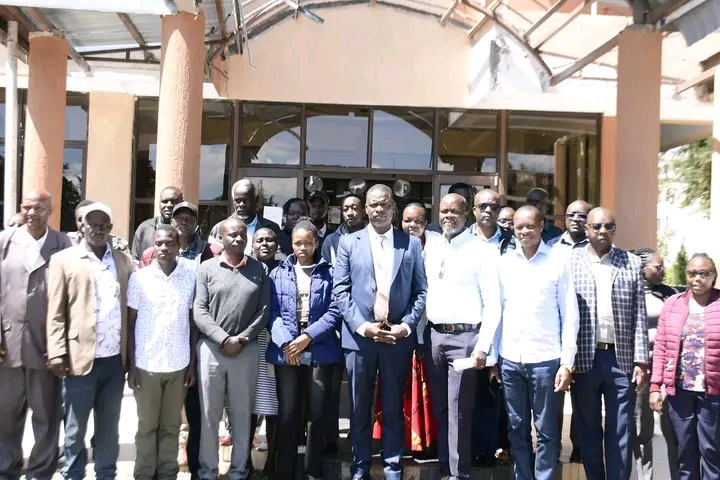
Kericho County has stepped up preparations for the anticipated El Niño rains as Kenya enters a period of heightened weather monitoring and disaster-readiness. The preparations come amid warnings from national authorities and meteorological agencies that the October–December 2026 rainfall season could bring above-normal rainfall in many parts of the country, with risks including flooding, landslides, damage to infrastructure, displacement and disruption of essential services. Kericho is among the areas receiving particular attention because of its mountainous terrain, agricultural activities, rivers and history of flash floods and other climate-related hazards.
The preparations are taking place against a wider national effort to ensure that counties do not wait until heavy rains have already caused damage before responding. The national government has directed all 47 counties to map areas vulnerable to flooding, identify safer evacuation grounds and strengthen measures for protecting lives, livelihoods and critical infrastructure. The government has also emphasised coordinated communication so that weather warnings can reach communities quickly and lead to early action.
Why Kericho is preparing early
Kericho's geographical and economic characteristics make disaster preparedness particularly important during periods of heavy rainfall. Agriculture is a major part of the county's economy, with tea farming and other agricultural activities supporting many households. Excessive rainfall can therefore affect not only roads and homes but also farms, livestock, crops and local businesses.
A document from the Kericho County Assembly previously highlighted the county's history of flash floods and warned that severe El Niño rainfall could worsen flooding, cause displacement and affect livestock and agricultural production. It also identified diseases associated with flooding as an additional concern.
The county's climate-change planning documents similarly recognise floods, landslides, thunderstorms, hailstorms and other climate-related hazards as threats to households, livelihoods and critical infrastructure. The County Climate Change Action Plan identifies disaster-risk management and stronger early-warning systems as important parts of building resilience.
This background explains why preparations are being undertaken before the heaviest part of the rainy season.
Early-warning information and community awareness
One of the most important components of El Niño preparedness is ensuring that residents receive reliable weather information in time to act. National authorities have been emphasising the importance of using official forecasts and advisories rather than relying on rumours or unverified information.
The national government has established mechanisms for coordinated crisis communication, including the use of mainstream and vernacular radio, digital platforms and government administrative structures to communicate with communities.
For Kericho residents, early warnings are particularly important for people living close to rivers, steep slopes and other areas vulnerable to flooding or landslides. Farmers also need timely information to make decisions concerning crops, livestock, farm inputs and harvesting.
The aim is not simply to tell people that heavy rainfall is expected. Effective preparedness requires communities to understand what the warning means, which areas are at risk and what action should be taken if conditions deteriorate.
Flood and landslide risks
Heavy rainfall can cause rapid increases in water levels, particularly where drainage channels are inadequate or where rivers overflow. Flash floods can develop quickly and may threaten homes, roads, bridges and farmland.
Landslides are another concern in areas with steep terrain and saturated soils. The national Environment Ministry has urged residents in Western Kenya, including Kericho, to take precautions against flooding and landslides, including avoiding flooded roads, bridges and rivers and moving to safer locations when necessary.
This makes identification of vulnerable locations an important part of preparedness. County and national authorities need to know which communities could become isolated, which roads could be cut off and where evacuation centres or safer areas can be accessed.
Emergency response capacity
Preparedness also involves ensuring that emergency teams can respond quickly when incidents occur. Earlier this year, the Kenya Red Cross Society's Kericho branch reported efforts to strengthen community-based disaster preparedness and response mechanisms through local resource mobilisation and public awareness activities. The initiative was intended to improve humanitarian support capacity during emergencies.
At the national level, the government has also activated multi-agency preparedness mechanisms. Public Service Cabinet Secretary Geoffrey Ruku said in July that emergency response teams, relief supplies and logistical support had been reviewed and positioned to enable rapid intervention in the event of flooding, landslides or displacement.
Such arrangements are important for counties like Kericho because emergencies can require several agencies to work together. Disaster management officers, health workers, security agencies, humanitarian organisations, roads agencies and local administrators may all have different responsibilities during a major incident.
Kericho County's own planning framework includes disaster and emergency response plans and recognises the need for stronger disaster-risk management capacity. Its climate programme also reports the establishment of a climate-change unit and training of ward-level climate-change planning committees.
Protection of roads and infrastructure
Heavy rainfall can seriously affect transport infrastructure. Floodwaters can damage roads, wash away sections of roads, weaken bridges and make some routes difficult or impossible to use.
This is particularly important for Kericho because roads connect farmers to markets, patients to health facilities, students to schools and residents to administrative and commercial centres.
National preparedness plans have therefore placed emphasis on protecting critical infrastructure and maintaining essential services during the rainy season. The government has warned that the anticipated rains could damage roads and other infrastructure while disrupting services and isolating communities.
For residents, the message is also about personal safety. Motorists and pedestrians are expected to avoid crossing flooded roads or bridges when water levels are dangerous. Even apparently shallow floodwater can conceal damaged roads, open drainage channels or strong currents.
Health preparedness
Another major concern during prolonged heavy rainfall is public health. Flooding can contaminate water sources, damage sanitation facilities and increase the risk of waterborne diseases. Stagnant water can also create conditions favourable for mosquito breeding.
The national government's El Niño preparedness measures include health-related preparations intended to reduce risks associated with flooding and ensure that essential health services remain available.
Kericho's health facilities therefore have an important role in preparedness. Health workers need to remain ready to handle injuries, disease outbreaks and other emergencies that may occur during periods of heavy rainfall.
Residents can also reduce risks by maintaining clean water sources, protecting food supplies, avoiding contaminated floodwater and seeking medical attention when symptoms of illness develop.
Agriculture and livestock
Agriculture is particularly important in Kericho, meaning that excessive rainfall can have consequences beyond immediate flooding.
Farmers need to monitor weather information and take measures to protect crops, livestock and farm infrastructure. Heavy rains can cause soil erosion, waterlogging, crop damage and difficulties transporting agricultural products to markets.
Kericho's climate-change action plan includes measures aimed at strengthening resilience, including water harvesting and storage, irrigation development and other climate-adaptation initiatives.
Farmers can also use early weather information to plan planting, harvesting and movement of livestock. Where possible, livestock should be moved away from flood-prone areas, while farm inputs and important documents should be protected from water damage.
Evacuation and protection of vulnerable families
Preparedness also requires authorities to identify people who may need additional assistance during emergencies. These may include children, older people, persons with disabilities and families living in high-risk locations.
The national government has directed counties to identify safer evacuation areas and prepare for the movement of families from vulnerable zones. It has also advised people living in riparian areas to relocate to safer ground ahead of the rains.
For Kericho, this means residents should pay attention to warnings from local administrators and disaster-management authorities. People living near rivers, steep slopes or areas that have experienced flooding in the past should know where they can move if conditions become dangerous.
Climate resilience beyond the rainy season
Kericho's preparations are not limited to responding to one rainy season. The county has been developing longer-term climate-resilience programmes.
Through the Financing Locally-Led Climate Change Action programme, Kericho says it has established a climate-change unit, trained staff and established ward climate-change planning committees. The programme is intended to help the county and communities plan for and manage climate-related risks.
The county's Climate Change Action Plan for 2023–2027 also includes disaster-risk management measures and calls for stronger early-warning systems, disaster preparedness, capacity building and resilience of critical infrastructure.
This long-term approach is important because extreme rainfall is only one part of the broader climate challenge. Effective resilience requires communities to prepare for floods, droughts, landslides and other hazards while strengthening infrastructure and livelihoods.
Role of residents
Although county and national governments have major responsibilities, residents also have an important role in preparedness.
People are encouraged to follow official weather forecasts, avoid crossing flooded rivers and roads, keep emergency contacts accessible and move to safer locations when authorities issue evacuation instructions.
Residents should also avoid blocking drainage channels with waste. Keeping compounds and drainage systems clear can help reduce local flooding.
Community members can alert authorities when they identify blocked drainage, damaged bridges, rising river levels, landslide risks or other hazards. Early reporting can give emergency teams more time to respond.
The broader national picture
Kericho's preparations are part of a countrywide response. The national government has warned that the anticipated October–December rains could lead to flooding, drowning, injuries, displacement, disease outbreaks, disruption of essential services and damage to crops, livestock and infrastructure.
On September 22, 2026, Deputy President Kithure Kindiki chaired a multi-agency preparedness meeting and said the government was coordinating with county governments, development partners and humanitarian organisations as rains began in parts of the country. Kenya Meteorological Services was also expected to continue providing weather forecasts, advisories and early warnings to support early action.
The emphasis from authorities has increasingly been on preparation rather than waiting for disasters to happen. This includes identifying vulnerable areas, improving communication, preparing emergency teams and ensuring communities know what to do when warnings are issued.

You Might Also Like
-
Interior CS Kipchumba Murkomen has overseen the destruction of narcotics worth Sh8.2 billion at Bamburi Cement Factory in Mombasa, including more than 1,000kg of methamphetamine seized in the Indian Ocean last October.
-
Bomet Green Stadium hosted activities marking International Week of Deaf People, bringing together members of the Deaf community, families, advocates and other stakeholders to raise awareness about the rights, dignity, language and inclusion of Deaf people. The event highlighted the importance of Ke
-
Kipchoge Keino Stadium in Eldoret is undergoing a major transformation as the government accelerates preparations ahead of the 2026 Mashujaa Day celebrations scheduled for October 20. Defence Principal Secretary Patrick Mariru has toured the facility to assess progress and monitor the ongoing works,
-
Interior CS Kipchumba Murkomen is overseeing the destruction of methamphetamine worth Sh8.2 billion at Bamburi Cement Factory in Mombasa. The more than one-tonne narcotics consignment was seized by a multi-agency security team in the Indian Ocean last year.
-
UASU's announcement today marks a significant escalation in the ongoing dispute over lecturers' employment terms and the financing of public universities. The union has issued a seven-day strike notice and says lecturers could down their tools on October 2, 2026, unless the 2025–2029 CBA and relat
-
IEBC Commissioner Dr. Ann Nderitu has emphasized the importance of ensuring that Deaf Kenyans can participate fully and equally in the country’s electoral process as preparations for the 2027 General Election continue. The focus includes accessible voter education, Kenyan Sign Language interpretat