Kindiki’s Powerful Mashujaa Day Message: Economic Liberation Is Kenya’s Next Big Mission
Deputy President Kithure Kindiki’s address at the 2026 Mashujaa Day celebrations in Eldoret placed economic liberation at the centre of Kenya’s next development chapter. By recognising the country’s progress in democracy, civil rights and political freedoms, he argued that Kenya should build on the achievements of the past 63 years and pursue greater economic empowerment for its citizens. His message connected the history of national struggle with the contemporary challenge of improving livelihoods, expanding opportunities and strengthening the economy. As Kenyans celebrated their heroes and heroines at Kipchoge Keino Stadium, the speech provided an opportunity to reflect on what national progress should mean for future generations.
Deputy President Kithure Kindiki has used his address during the 63rd Mashujaa Day celebrations in Eldoret to call for a stronger focus on Kenya’s economic empowerment, saying the country must build on the democratic progress it has made since independence.
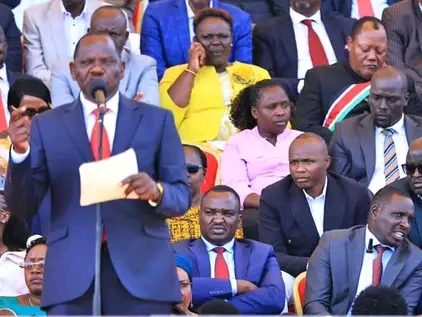
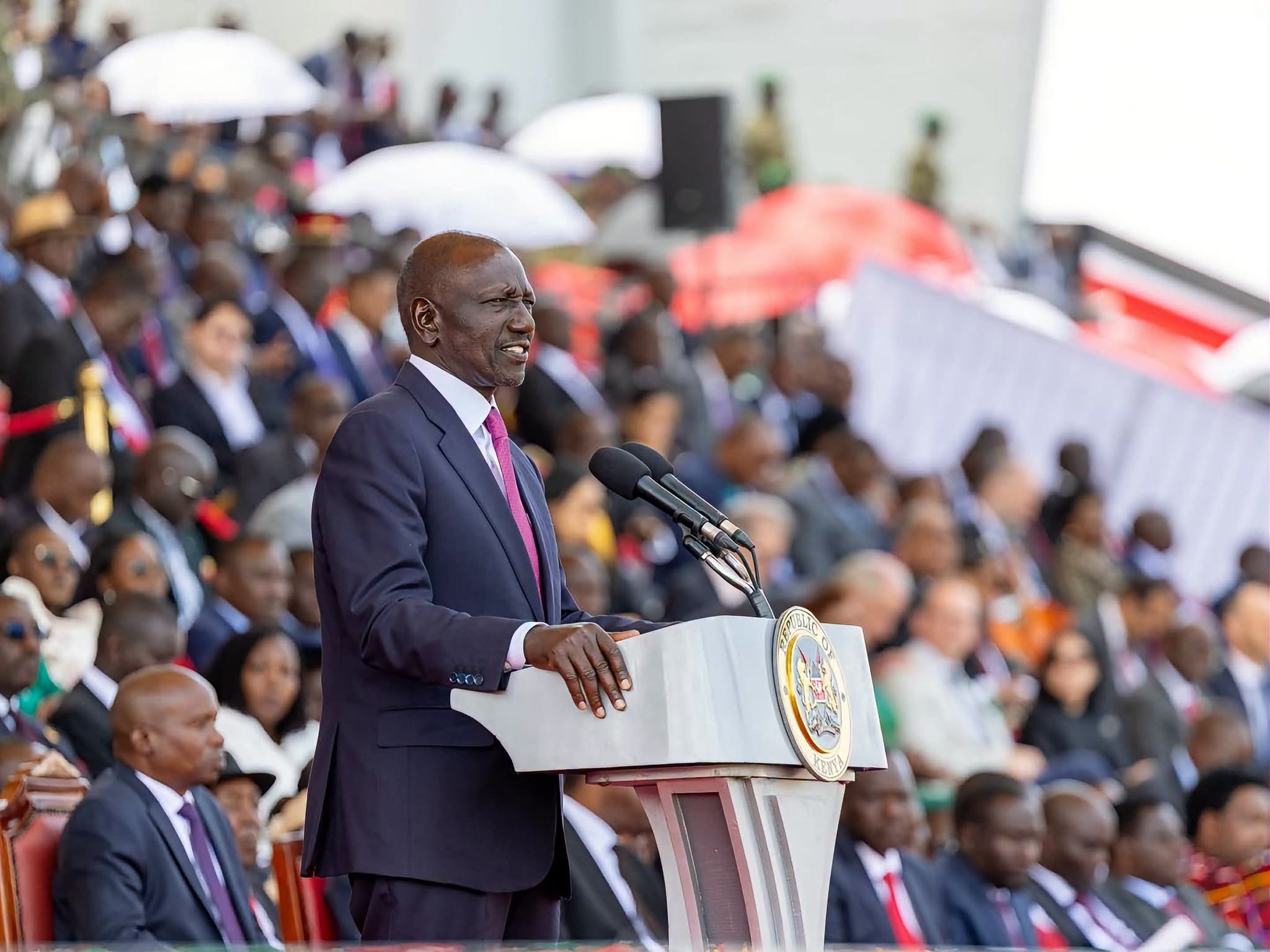
Speaking at Kipchoge Keino Stadium on Tuesday, October 20, 2026, Kindiki highlighted Kenya’s achievements in democracy, civil rights and political freedoms. He also challenged the country to pursue the next phase of its development by expanding economic opportunities for citizens.
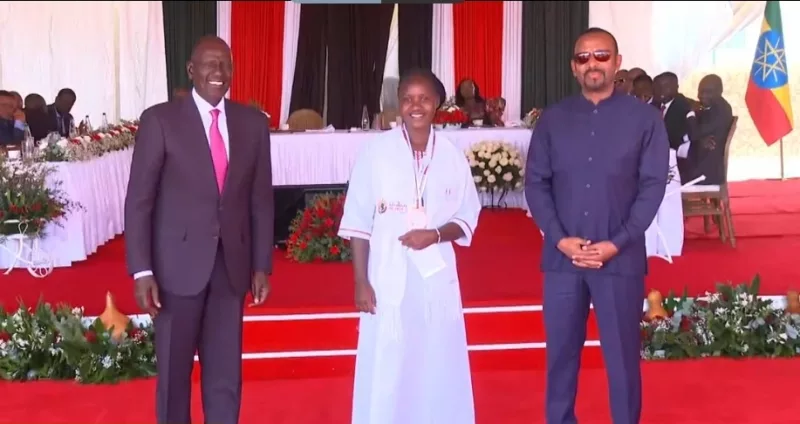
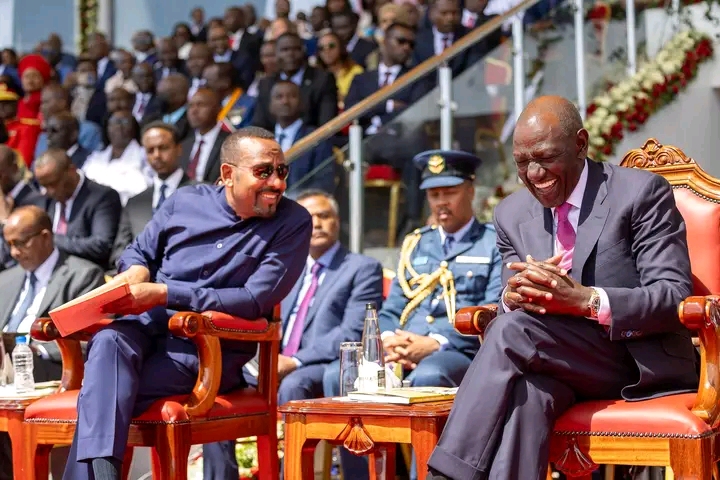
The celebrations, presided over by President William Ruto, brought together national leaders, county officials, members of the public and foreign dignitaries, including Ethiopian Prime Minister Abiy Ahmed. Uasin Gishu, Nandi and Elgeyo Marakwet counties jointly hosted the national event, which brought the Mashujaa Day celebrations to the North Rift region. Kindiki highlights Kenya’s democratic achievements
One of the central messages in Kindiki’s speech was that Kenya has made considerable progress in strengthening its democracy over the 63 years since independence.
The Deputy President pointed to the expansion of civil rights and liberties, presenting the country’s democratic development as an important achievement that Kenyans should recognise while considering the challenges that remain.
He said Kenya had made progress in expanding democracy, civil rights and freedoms, and described the country as having strong democratic credentials.Economic liberation becomes the next priority
Kindiki’s most prominent message was the need for Kenya to move towards greater economic empowerment.
The Deputy President told President Ruto that the remaining journey was to build on the progress made during the country’s first 63 years and make a final push towards economic empowerment and liberation.
His message presented economic progress as the next major national objective following the gains achieved in political development.
Economic liberation is a broad concept that involves giving citizens better opportunities to earn a living, operate businesses, access productive resources and improve their household incomes.Young people, in particular, continue to look for meaningful employment opportunities and ways to become financially independent. Small-business owners also need an environment in which they can access markets, manage operating expenses and grow their enterprises.
Farmers require dependable markets, affordable inputs and prices that make agricultural production worthwhile.
Kindiki’s call therefore raises an important question about the next phase of Kenya’s development: how can the country translate its political and institutional progress into tangible improvements in living standards?Kindiki’s address was closely connected to the purpose of Mashujaa Day, a national holiday that honours Kenyans who sacrificed their lives, freedom and personal interests for the country’s independence and subsequent development.
The Deputy President’s emphasis on building on the progress of the last 63 years presented the celebrations as an opportunity to reflect on the country’s history while considering its future direction.
Kenya’s independence struggle involved many individuals and communities who resisted colonial rule and demanded self-determination. Their efforts helped shape the country’s political identity and the institutions that govern it today.The choice of Eldoret as the host city gave the celebrations a particular significance for the North Rift region.
The event took place at Kipchoge Keino Stadium in Uasin Gishu County, with Uasin Gishu, Nandi and Elgeyo Marakwet jointly hosting the national celebrations. Thousands of Kenyans attended, while national leaders and invited guests participated in the ceremony.
Eldoret is an important commercial and agricultural centre, while the wider North Rift region is known for farming and its contribution to Kenyan athletics.
The region's hosting of the event provided an opportunity to showcase its economic potential, sporting heritage and infrastructure development.Security is essential because communities need peace to engage in farming, trade, education and other economic activities. Persistent insecurity can disrupt livelihoods, displace families and discourage investment.
Sports development is equally important, particularly in a region that has produced internationally recognised athletes. Investment in sports facilities, training and youth development can create opportunities for talented young people while supporting related businesses and tourism.
Economic prosperity brings the third element together by focusing on jobs, enterprise, investment and improved living standards.The significance of Kindiki’s message to President Ruto
Kindiki directed his appeal towards President William Ruto, urging the administration to build on the progress achieved over the past 63 years and make economic empowerment a major priority.
The message placed the next phase of national development within the broader responsibility of the government to improve the welfare of citizens.
It also highlighted the relationship between political achievements and economic performance. A country can strengthen its democratic institutions while still facing difficulties in employment, household incomes and access to opportunities.The Deputy President’s remarks offer a broad vision of Kenya’s next stage of development: building on the country’s democratic progress while giving greater attention to economic opportunities.
That vision raises several important priorities.
First, employment creation remains essential. Young people need opportunities to acquire skills, start businesses and find sustainable sources of income.
Second, agriculture requires continued attention because farmers contribute to food security, rural employment and the wider economy.
Third, small businesses need an environment that allows them to grow, employ workers and contribute to local economic activity.
Fourth, public investment must produce measurable benefits. Infrastructure projects, public facilities and government programmes should be assessed according to their impact on citizens.

You Might Also Like
-
The decision by the PCEA congregation in Narok to break a longstanding taboo restricting unmarried men from church leadership marks a notable development in local religious life.A report on October 20 and another on October 19, 2026, the move challenges a tradition that treated marriage as a pre
-
President William Ruto has honoured nurse Jacobeth Jeptoo for her courage, compassion, and selfless service following the tragic February helicopter crash in Nandi County that claimed the lives of Emurua Dikirr MP Johana Ng’eno and five other people. The recognition highlights the vital role playe
-
Inspector General Douglas Kanja's approval of promotions for 1,948 police officers marks a significant development in Kenya's police administration following the Court of Appeal's October 16, 2026, judgment. The ruling resolved a major dispute over the authority to manage uniformed police officers,
-
Governor Jonathan Bii's speech during the October 20, 2026, Mashujaa Day celebrations in Eldoret placed the protection of fertile agricultural land and support for farmers at the centre of an important national discussion. His appeal was for Kenyans to balance the growing demand for housing with th
-
Ethiopian Prime Minister Abiy Ahmed's address at the 2026 Mashujaa Day celebrations in Eldoret centred on a clear message: Kenya and Ethiopia should transform their historical friendship into shared economic progress. He called for stronger trade, improved opportunities for farmers and producers, c
-
President William Ruto has praised Kenya’s broad-based government, commending leaders who set aside political differences to promote cooperation and national development. He noted that the partnership demonstrates how political competition can coexist with collective efforts to address the country