Lily Ng’ok Leads ICT Device Distribution in Kericho as JSS Students and Bureti TTI Benefit from Digital Learning Boost
Led by the participation of Lily Ng’ok in the national digital classroom initiative, the activity brought attention to the need to equip learners and support teachers as schools adapt to technology-based education. The reported presentation of devices to Jackson Tonui of Bureti Technical Training Institute also highlights the relevance of digital resources to technical and vocational training.
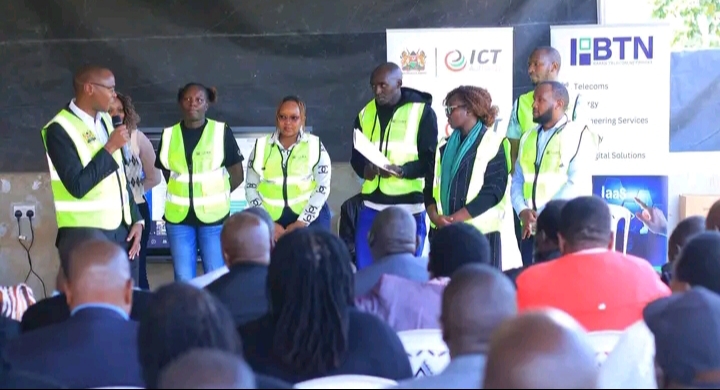
Kericho County has taken another step towards strengthening digital learning following the distribution of Information and Communication Technology (ICT) devices to support Junior Secondary School (JSS) students. The exercise, led by Lily Ng’ok at Kericho Township Primary School, brought together education stakeholders and teachers in an initiative aimed at improving access to technology and enhancing the quality of education in the county.
The distribution highlighted the growing importance of digital tools in Kenya’s education system, particularly under the Competency-Based Curriculum (CBC), which emphasises practical skills, creativity, problem-solving and the effective use of technology. The event also saw ICT devices presented to Jackson Tonui of Bureti Technical Training Institute (TTI) in Kericho, demonstrating the importance of extending technological support to institutions serving learners at different levels of education.The ICT initiative comes at a time when the government is accelerating the integration of technology into learning institutions across the country. On October 14, 2026, President William Ruto led a national digital classroom demonstration from Kiminini Junior Secondary School in Trans Nzoia County, while Lily Ng’ok, Chairperson of the ICT Authority Board, joined learners at Kericho Township Junior Secondary School. The exercise demonstrated how digital technology can connect schools and create opportunities for learners and teachers to share educational experiences.Supporting Junior Secondary School Students Through Technology
The provision of ICT devices is an important step towards helping Junior Secondary School students acquire the digital skills required in today's rapidly changing world. Technology has become an essential component of education, enabling learners to access learning materials, conduct research, develop computer skills and interact with educational content in new ways.
For students in Kericho County, access to appropriate digital equipment can help bridge the gap between traditional classroom learning and technology-based education. Learners can use digital resources to strengthen their understanding of subjects, practise different skills and prepare for future academic and professional opportunities.Lily Ng’ok's Role in Advancing Digital Education
Lily Ng’ok's participation in the Kericho activity highlights the role of ICT leadership in promoting the use of technology in public institutions.
As Chairperson of the ICT Authority Board, she was among the officials involved in the national digital classroom demonstration. Her participation at Kericho Township Junior Secondary School placed the county among the institutions taking part in the initiative to expand digital learning opportunities.For Kericho County, the initiative offers an opportunity to strengthen the connection between education and digital development. Schools can use technology to improve classroom participation, expose students to online learning resources and prepare them for a society increasingly dependent on digital services.
However, the long-term impact will depend on how effectively schools integrate the devices into their daily learning activities. The equipment must be properly maintained, teachers must be supported in using it, and learners must be given sufficient opportunities to practise their digital skills.The presence of teachers during the ICT exercise was significant because educators are responsible for translating technological investment into better learning outcomes.
Providing devices alone does not automatically improve education. Teachers need the skills and confidence to incorporate digital tools into lesson preparation, classroom instruction and assessment.
With appropriate training, teachers can use digital resources to explain difficult concepts, encourage independent research and provide learners with different ways of understanding classroom topics.Digital technology can also help teachers identify areas where students require additional support. Interactive exercises and electronic learning materials may make lessons more engaging while encouraging students to participate actively.
The national digital classroom programme has already included teacher training. The Ministry of ICT reported that more than 64,000 teachers had been trained in the effective use of interactive smartboards, laptops and digital learning resources.
Such training is essential because teachers need to understand not only how to operate the equipment but also how to use it to achieve specific educational objectives.Strengthening Competency-Based Education
Kenya's Competency-Based Education framework places emphasis on helping learners develop practical abilities, critical thinking, creativity, communication and problem-solving skills.
Digital learning supports these objectives by allowing students to explore information, practise computer-based activities and interact with educational content beyond the traditional textbook.
For Junior Secondary School students, these opportunities can be particularly valuable as they build foundational skills for further education and eventual entry into the workplace.Bureti Technical Training Institute Also Receives Support
The ICT distribution exercise also extended to the technical training sector, with devices presented to Jackson Tonui of Bureti Technical Training Institute in Kericho County, according to the details provided about the event.
The inclusion of a technical training institution is important because digital skills are not needed only in primary and junior secondary education. Students pursuing technical and vocational courses also require access to appropriate technology to strengthen their training and prepare for employment.Bridging the Digital Divide
One of the major challenges facing education systems is ensuring that all learners have fair access to technological opportunities.
Differences in school resources, internet connectivity, electricity supply and teacher training can affect how effectively digital education is implemented.
The ICT initiative in Kericho highlights the importance of continuing to equip schools and supporting institutions so that learners can benefit from the digital economy.
For the programme to succeed, schools will need reliable electricity, suitable learning spaces, secure storage for equipment and technical support when devices develop faults.Ensuring Proper Use and Maintenance of Devices
As schools receive ICT equipment, proper management will be essential to protect public resources and ensure that students benefit from the investment for years to come.
School administrators and teachers should establish clear procedures for handling, storing and maintaining devices. Learners should also be taught responsible technology use, including digital safety, respect for school equipment and the importance of using educational resources appropriately.Teachers will need continued professional development to keep pace with changes in digital learning tools and teaching methods.
In addition, education stakeholders should monitor how the equipment is used and whether it improves classroom participation, digital literacy and learners' understanding of different subjects.
These measures can help ensure that technology becomes a useful teaching and learning resource rather than equipment that remains unused because of inadequate training or maintenance.

You Might Also Like
-
Experts at the ISACA Kenya Chapter’s GRC 360° Africa Conference 2026 in Naivasha have called for stronger human oversight, accountability and governance in artificial intelligence adoption. Internal Auditor-General at the National Treasury, Dr Sammy Kimunguyi, warned that AI is making cyberattack
-
EPRA Director General Edward Mwirigi Kinyua has attributed Kenya's latest fuel price increase to rising international petroleum costs, particularly the pressure associated with the conflict in the Middle East. The figures released during the October review show substantial increases in the landed co
-
Ida Odinga's reassurance at Migwena Cultural and Sports Grounds became one of the major talking points during the first anniversary commemoration of Raila Odinga's death on Thursday, October 15, 2026. After sections of the crowd chanted Oburu Oginga's name and demanded to know where he was, Ida exp
-
The university lecturers' demonstrations in Nairobi CBD on Thursday, October 15, 2026, underscored the growing pressure on the government to resolve the public universities' pay dispute. Lecturers marched from the University of Nairobi grounds, demonstrated along Kenyatta Avenue and presented a peti
-
President William Ruto’s development engagements in Baringo have highlighted the government's focus on roads, electricity connectivity, education and security as part of its broader North Rift development agenda. The Sh22 billion road programme targeting 350 kilometres of roads, the electricity c
-
Ida Odinga on Thursday, October 15, 2026, hosted leaders associated with the Linda Mwananchi movement at Opoda Farm in Bondo, Siaya County, ahead of the first anniversary celebrations of the late former Prime Minister Raila Amolo Odinga at Migwena Cultural and Sports Grounds. The delegation included