Ruto Takes Development Agenda to Baringo with Sh22 Billion Road Plan, Electricity Connections and Sh250 Million College Boost
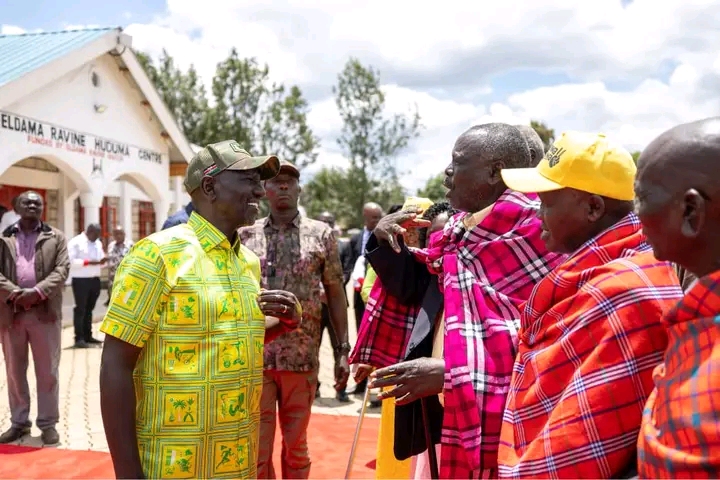
President William Ruto’s development engagements in Baringo have highlighted the government's focus on roads, electricity connectivity, education and security as part of its broader North Rift development agenda. The Sh22 billion road programme targeting 350 kilometres of roads, the electricity connectivity initiative for 3,329 households and the Sh250 million pledge towards completing Kongasis Teachers Training College are among the most significant commitments associated with the visit. Ruto has also urged parents in pastoralist communities to prioritise education and challenged political opponents to present clear plans for transforming Kenya ahead of the 2027 elections.
President William Ruto’s development tour of Baringo County has placed renewed attention on road construction, electricity connectivity, education infrastructure and efforts to improve security in communities that have experienced years of insecurity and limited access to essential services.
The visit forms part of the President’s wider North Rift development tour ahead of the Mashujaa Day celebrations scheduled for October 20, 2026, at Kipchoge Keino Stadium in Eldoret. During his engagements in Baringo, the Head of State highlighted government investments intended to improve transport, expand access to electricity, support education and open up economic opportunities for residents. Sh22 billion road programme to transform Baringo
One of the major announcements associated with Ruto’s Baringo visit was the government’s commitment of Sh22 billion towards the construction of 350 kilometres of roads across the county.
The programme is intended to improve connectivity between villages, trading centres, schools, health facilities and other essential services. According to reports published during the tour, the President inspected construction works on the 55-kilometre Kipsaraman–Kinyach road in Baringo North Constituency. The road is particularly important to residents who have experienced difficulties travelling between communities because of poor transport infrastructure. During rainy seasons, damaged or unpaved roads can make it difficult for farmers to transport their produce, students to reach school and patients to access medical facilities.
The Kipsaraman–Kinyach road is part of a wider effort to improve transportation links in Baringo and neighbouring parts of the North Rift. Ruto indicated that the road would eventually be extended towards Kapsowar in Elgeyo-Marakwet County, creating a stronger connection between the two counties.Government launches electricity connectivity programme
Electricity connectivity was another major component of the government’s development agenda in Baringo.
During the North Rift tour, Ruto launched an electricity connectivity programme reported to involve an allocation of approximately Sh1 billion and targeting 3,329 households across Baringo County. The programme includes a Sh162 million investment intended to connect 723 households in Baringo North. Ruto pledges Sh250 million for Kongasis Teachers Training College
Education was another important focus of the President’s visit, particularly in Tiaty Constituency, where he inspected the ongoing construction of Kongasis Teachers Training College in Churo.
Ruto pledged Sh250 million towards completing the institution and announced that the government would also construct student hostels to provide accommodation for learners. The announcement was reported on October 13, 2026. Ruto urges parents to take children to school
During the visit, the President urged parents, particularly those in pastoralist communities, to ensure their children attend school and take advantage of available educational opportunities.
He referred to the Sh784 billion education budget for the 2026/2027 financial year, arguing that government investment in education should translate into greater opportunities for learners.
His message highlighted the importance of cooperation between the government, parents, teachers and local communities in improving school attendance.
In pastoralist areas, some families face challenges associated with long distances to schools, mobility in search of pasture and water, and limited access to educational facilities. Improving infrastructure is therefore only one part of the solution; families must also be supported and encouraged to keep children in school.Ruto links development to peace and security
Baringo has faced persistent insecurity in some areas, including incidents involving banditry, cattle theft and inter-community conflict. These challenges have affected livelihoods, disrupted schooling and restricted economic activity in some communities.
During the North Rift tour, Ruto presented infrastructure development as one of the ways the government intends to open up historically underserved areas and support economic recovery.
He identified road construction across Baringo, Elgeyo-Marakwet, Turkana, West Pokot and Samburu as an important intervention for improving connectivity, supporting trade and contributing to lasting peace. Economic opportunities for farmers, traders and young people
The road and electricity investments are expected to support businesses and improve the movement of goods across the county.
Agriculture and livestock keeping remain important sources of livelihoods for many families in Baringo. Better roads can make it easier to transport farm produce and livestock products to trading centres, potentially reducing delays and transport costs.
Traders could also benefit from improved access to suppliers and customers. Small businesses may find it easier to expand when roads are passable and electricity is available.Ruto challenges opposition leaders over their development agenda
Beyond infrastructure, the President used his North Rift tour to make a political argument about the direction of Kenya ahead of the 2027 General Election.
Ruto challenged opposition leaders to explain how they would transform the country, arguing that political competition should focus on development plans and results rather than ethnic mobilisation, insults and personal attacks.
He stated: “If the opposition had any agenda on how to transform the country, they would present it to the people.”His remarks placed roads, electricity, housing and markets at the centre of his administration’s case for continued public support.
The political significance of the tour is that development projects are being presented as evidence of the government's commitment to communities outside the country's major urban centres.
However, the impact of such investments will be judged by residents through the delivery of promised projects and improvements in their daily lives.
For opposition leaders, the President’s challenge puts pressure on them to present alternative proposals on infrastructure, security, education, employment and the cost of living.
The debate is expected to remain central to Kenya’s political environment as parties prepare for the next general election.

You Might Also Like
-
Experts at the ISACA Kenya Chapter’s GRC 360° Africa Conference 2026 in Naivasha have called for stronger human oversight, accountability and governance in artificial intelligence adoption. Internal Auditor-General at the National Treasury, Dr Sammy Kimunguyi, warned that AI is making cyberattack
-
EPRA Director General Edward Mwirigi Kinyua has attributed Kenya's latest fuel price increase to rising international petroleum costs, particularly the pressure associated with the conflict in the Middle East. The figures released during the October review show substantial increases in the landed co
-
Ida Odinga's reassurance at Migwena Cultural and Sports Grounds became one of the major talking points during the first anniversary commemoration of Raila Odinga's death on Thursday, October 15, 2026. After sections of the crowd chanted Oburu Oginga's name and demanded to know where he was, Ida exp
-
The university lecturers' demonstrations in Nairobi CBD on Thursday, October 15, 2026, underscored the growing pressure on the government to resolve the public universities' pay dispute. Lecturers marched from the University of Nairobi grounds, demonstrated along Kenyatta Avenue and presented a peti
-
Ida Odinga on Thursday, October 15, 2026, hosted leaders associated with the Linda Mwananchi movement at Opoda Farm in Bondo, Siaya County, ahead of the first anniversary celebrations of the late former Prime Minister Raila Amolo Odinga at Migwena Cultural and Sports Grounds. The delegation included
-
role in elective politics and strengthen her presence in Kenya’s political landscape. Winnie, who currently serves in the East African Legislative Assembly (EALA), has built political experience through regional representation and her involvement in the Orange Democratic Movement (ODM). Her pos