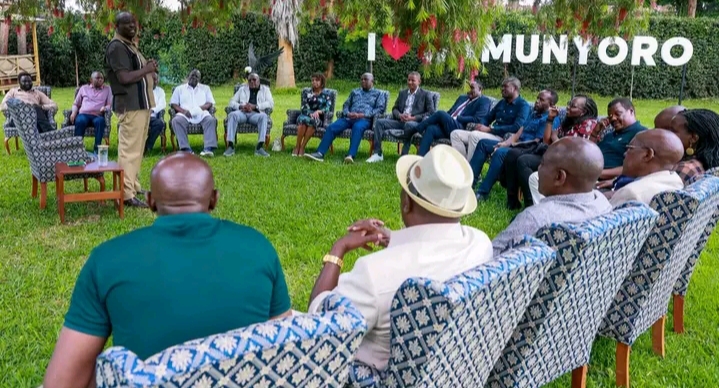
Linda Mwananchi Leaders Storm Gachagua’s Wamunyoro Residence After His Return From the USA in Major 2027 Political Move
The visit by Linda Mwananchi leaders, led by Nairobi Senator Edwin Sifuna, to Rigathi Gachagua's Wamunyoro residence on October 20, 2026, was one of the notable political developments following the former deputy president's return from the United States. Gachagua welcomed the delegation and expressed optimism about the benefits of political cooperation. He subsequently described their discussion as focusing on Kenya's future and the formation of the Sixth Administration, while Sifuna indicated that further engagements could follow.
The visit by Linda Mwananchi leaders and supporters to the residence of former Deputy President Rigathi Gachagua following his return from the United States is a significant political development to watch in Kenya’s evolving opposition politics. The gathering brings attention to Gachagua’s political influence, his relationship with opposition figures, and the efforts by different political groups to strengthen their networks ahead of the 2027 General Election.
The meeting also highlights the importance of political consultations, solidarity visits and public appearances in Kenya’s political landscape. However, the specific statements made during the visit on Tuesday, October 20, 2026, need to be verified before attributing particular remarks, promises or political agreements to Gachagua or the Linda Mwananchi leaders.Gachagua welcomes Linda Mwananchi leaders to Wamunyoro
According to reports published on October 20, 2026, Gachagua received Nairobi Senator Edwin Sifuna and a delegation associated with the Linda Mwananchi movement at his Wamunyoro residence in Nyeri County. The meeting took place shortly after he returned to Kenya from an extended visit to the United States.
The encounter attracted political attention because it brought together Gachagua, the leader of the Democracy for the Citizens Party (DCP), and Sifuna, a prominent figure in the Linda Mwananchi movement.
Gachagua welcomed the visitors warmly, referring to them as his cousins and expressing optimism about cooperation between their political camps.The delegation included several prominent political figures associated with the Linda Mwananchi movement and the broader opposition.
Among those reported to have attended were:
Edwin Sifuna, Nairobi Senator and a leading figure in Linda Mwananchi.
Babu Owino, Embakasi East Member of Parliament.
George Natembeya, Trans Nzoia Governor.
Godfrey Osotsi, Vihiga Senator.
Cleophas Malala, a DCP political leader.
John Methu, associated with DCP's national leadership.
Pauline Njoroge, a political communicator associated with Linda Mwananchi.
Faith Odhiambo, former president of the Law Society of Kenya.
What was discussed during the meeting?
One of the most important details emerged when Gachagua publicly described the engagement as a discussion about Kenya's political future.
In a statement report, he said the meeting focused on the country's liberation and the formation of what he called the Sixth Administration. He described the discussion as candid and constructive.
The phrase points to the political ambitions of leaders seeking a change in government and a new direction for the country. It also places the visit within the broader debate over the kind of administration opposition politicians would seek to establish if they won the 2027 election.Edwin Sifuna hints at further engagements
Sifuna also acknowledged the visit and thanked Gachagua and his wife for hosting the Linda Mwananchi delegation at Wamunyoro.
According to a report , the Nairobi senator indicated that the meeting could be the first of several engagements intended to promote unity within the opposition ahead of the next General Election.Gachagua's return from the United States
Gachagua returned to Kenya on Tuesday, October 20, 2026, after spending close to two months in the United States. His trip included engagements in several locations, including Spokane, Portland, Kansas, Dallas and Boston, where he interacted with Kenyans living in the diaspora.
During his time abroad, Gachagua had spoken about the importance of making political decisions away from pressure from people surrounding him. Reports also indicated that he had used part of his stay to reflect on possible strategies for the 2027 election.Could the meeting lead to an opposition alliance?
One of the biggest questions arising from the visit is whether Gachagua and Sifuna could work together in the 2027 General Election.
The possibility of an alliance has already featured in public political discussions. Gachagua previously indicated that he was open to supporting Sifuna for the presidency or serving as his running mate if negotiations and political circumstances made that the best option for the opposition. What the meeting means for the 2027 General Election
Kenya's next General Election is scheduled for August 2027, making the current period important for party mobilisation, coalition negotiations and the development of campaign strategies.
Opposition leaders face the challenge of balancing individual ambitions with the potential benefits of presenting a united political front.
The Wamunyoro meeting demonstrates the kind of engagement that may shape these calculations. By bringing together leaders associated with different political networks, the visit created an opportunity to explore common interests.Gachagua's Wamunyoro residence has become an important venue for political consultations and engagements with supporters and visiting delegations.
His description of the residence as a place where consequential political discussions take place added symbolic importance to the Linda Mwananchi visit. By hosting Sifuna and the delegation shortly after returning from abroad, Gachagua placed political dialogue at the centre of his immediate public engagements.
Political meetings at private residences can provide leaders with opportunities to discuss sensitive matters away from the formality of public rallies. They can also serve as a starting point for negotiations that later move to public forums.Despite the positive messages coming from the meeting, several challenges could affect future cooperation.
First, the leaders may have different political priorities and expectations. Agreeing on a common objective is often easier than agreeing on who should lead a coalition and how its benefits should be shared.
Second, political parties must maintain the confidence of their members. An arrangement that appears to favour particular leaders or regions could generate disagreements within the participating organisations.
Third, the opposition must develop a clear and credible policy agenda. Voters will expect more than criticism of the government; they will also want practical proposals for addressing economic and social challenges.
Finally, any coalition will need a reliable process for making decisions, resolving disputes and selecting candidates. Without these structures, early expressions of unity may fail to translate into effective electoral cooperation.

You Might Also Like
-
The National Assembly has passed the Sexual Offences (Amendment) Bill No. 78 of 2023, aimed at promoting public awareness, protecting victims’ right to education and aligning existing laws with the Constitution of Kenya. The proposed amendments highlight the importance of safeguarding victims’ r
-
The Kenya Meteorological Department's forecast for October 20–26, 2026, indicates that rainfall is expected in parts of 45 counties across western Kenya, the Rift Valley, Central Kenya, the Coast, the eastern region and the north-eastern counties. Afternoon thunderstorms are particularly relevant
-
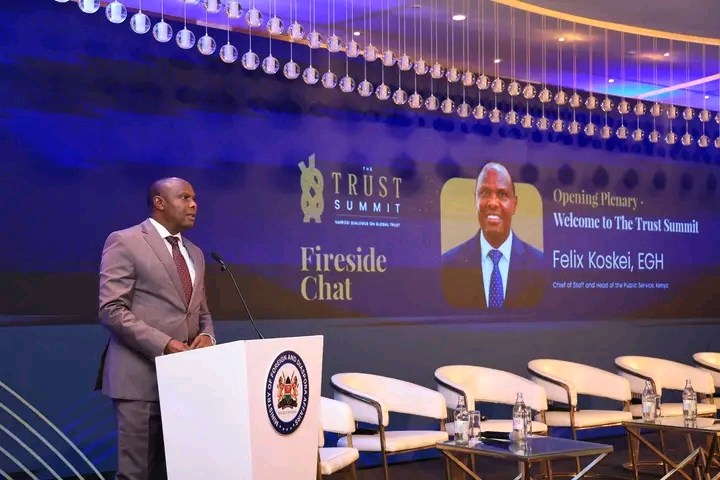
Felix Koskei's participation in the Global Trust Summit 2026 placed Kenya's public service leadership within a major conversation about the relationship between institutions and the people they serve. The summit's first day focused on rebuilding trust from the frontline, examining democracy, publi
-
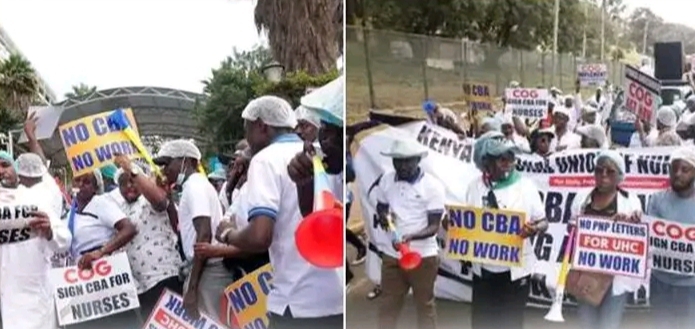
The October 21 protest by public health officers in Nairobi has brought renewed attention to the connection between workers' welfare, adequate staffing and Kenya's preparedness for infectious disease outbreaks. As their nationwide strike entered its 92nd day, the officers demanded the signing of a
-
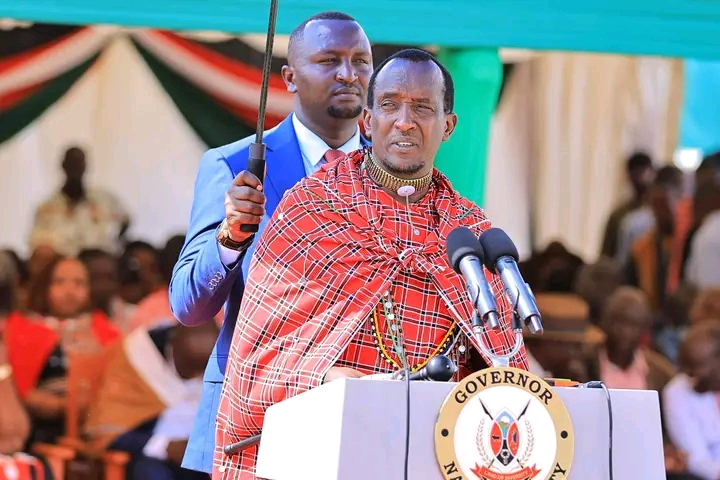
Governor Patrick Ole Ntutu's reported peace message during the Mashujaa Day celebrations at Esoit Naibor Primary School highlights the importance of unity, security and cooperation in Trans Mara South. The gathering came amid concerns about inter-clan disputes and the need to prevent ethnic incitem
-
Deputy President Kithure Kindiki's development agenda in Gatundu North highlights two important areas: modern market infrastructure and improved road connectivity. Kanyoni Market represents the importance of supporting small-scale traders and farmers, while the inspection of the Thika–Magumu Mau M