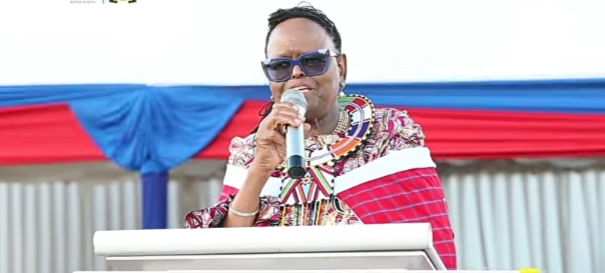
Martha Koome Celebrates 200 Rescued Girls Graduating in Kajiado, Issues Powerful Warning Against FGM and Early Marriages
Chief Justice Martha Koome's visit to Kimana in Kajiado County for the International Day of the Girl Child on October 11, 2026, placed the protection and empowerment of vulnerable girls at the centre of national attention. The graduation of 200 rescued girls following skills and leadership training demonstrated the importance of providing opportunities for girls to rebuild their lives and pursue their ambitions. The opening of a digital hub at the Nice Place Foundation further highlighted the need to equip young people with skills that can expand their educational and economic prospects.
Chief Justice Martha Karambu Koome has called on parents, community leaders and government institutions to strengthen the protection of girls against female genital mutilation (FGM), early marriages and other forms of abuse. She made the appeal in Kimana, Kajiado County, on Sunday, October 11, 2026, during celebrations marking the International Day of the Girl Child, where 200 rescued girls graduated after completing skills training and leadership programmes.
The event celebrated the achievements of girls who had received support to rebuild their lives, gain practical skills and pursue a more secure future. It also highlighted the continuing challenges facing girls exposed to harmful cultural practices, violence, poverty and barriers to education.Koome urged communities to create safe environments where every girl can learn, grow and develop her abilities without fear. The ceremony at the Nice Place Foundation for Girls brought together people working to protect children and promote opportunities for vulnerable young people.
The graduation was also an occasion to recognise the importance of education, leadership development, digital skills and cooperation between families, communities, government agencies and organisations supporting survivors of abuse. One of the central messages delivered by Chief Justice Koome was the need to abandon harmful cultural practices that expose girls to violence and deny them opportunities to complete their education. She called on parents and community leaders to put children's welfare first and ensure that girls are protected from female genital mutilation, early marriages and other forms of abuse.
According to reports from the event, Koome emphasised that every girl deserves an environment where she can feel safe, learn, dream and eventually become a leader. She warned that poverty, harmful traditions, discrimination and violence should not determine a girl's future. Her remarks were particularly significant because some of the girls attending the graduation had been rescued from situations that threatened their safety and interrupted their childhoods. For these girls, the opportunity to receive training represented an important step towards rebuilding their lives.
Female genital mutilation remains a major child-protection concern in communities where the practice persists. It can expose girls to serious health risks and is sometimes associated with pressure to enter marriage at a young age. Early marriage can interrupt schooling, limit economic opportunities and expose girls to further abuse.The graduation of 200 girls was among the most important highlights of the International Day of the Girl Child celebrations in Kajiado.
The girls had participated in skills training and leadership programmes designed to help them rebuild their lives, develop confidence and become more self-reliant. Some had previously been rescued from different forms of violence, making the ceremony an important milestone in their journeys towards safety and independence.
The programmes were intended to help the girls develop abilities they could use to pursue their ambitions and participate more actively in society. Beyond celebrating the completion of training, the graduation drew attention to the importance of providing vulnerable girls with opportunities to develop their talents and prepare for the future.The programmes were intended to help the girls develop abilities they could use to pursue their ambitions and participate more actively in society. Beyond celebrating the completion of training, the graduation drew attention to the importance of providing vulnerable girls with opportunities to develop their talents and prepare for the future.
For girls who have experienced abuse or been forced to leave school, returning to a safe environment and gaining practical skills can be an important part of recovery. However, training alone cannot resolve every challenge they face. Continued access to education, mentorship, psychosocial support, healthcare and opportunities for employment or further training remains important.At the centre of its work is the understanding that protecting girls requires both immediate intervention and long-term support.
A girl facing the threat of forced marriage, for example, may first need a safe place to stay. She may then need help continuing her education, receiving counselling, developing leadership skills and planning for a future in which she can make decisions about her own life.
The foundation combines these areas of support to address different challenges affecting vulnerable girls.
During the event, its founder highlighted the importance of cooperation between organisations, government agencies and communities. The fight against female genital mutilation and early marriage cannot be sustained if those working to protect girls operate independently without coordinating their efforts. The facility is intended to expand access to digital learning and create opportunities for young people to develop skills relevant to an increasingly technology-driven economy.
Digital skills are becoming increasingly important in education, employment, entrepreneurship and access to information. Young people who can use technology effectively may be better positioned to pursue online learning, explore career opportunities and participate in the digital economy.The International Day of the Girl Child is observed annually on October 11. It provides an opportunity to recognise girls' rights, celebrate their achievements and draw attention to the barriers that continue to prevent many girls from reaching their potential.
For 2026, UNICEF identified the theme as “End Child Marriage and Invest in Girls’ Rights.” The theme calls for action to prevent child marriage and expand opportunities that allow girls to learn, remain safe and shape their futures. The celebration in Kajiado reflected these priorities through the graduation of rescued girls, the call to end harmful practices and the opening of a digital hub.
The challenges facing girls are not limited to one county or community. Poverty, violence, unequal access to education and discriminatory social expectations can affect girls in different parts of Kenya.
The National Gender and Equality Commission has also highlighted the importance of implementing laws that protect children, strengthening school retention and transition, improving access to support services and involving families and community leaders in preventing child marriage. As Chief Justice and President of the Supreme Court of Kenya, Martha Koome heads the Judiciary and chairs key judicial bodies, including the Judicial Service Commission and the National Council on the Administration of Justice. She assumed office on May 21, 2021, becoming the first woman to serve as Kenya's Chief Justice.
Her professional background includes extensive experience in legal practice and judicial service, as well as involvement in child-rights initiatives. She previously chaired the Federation of Women Lawyers in Kenya and the National Council on the Administration of Justice's Special Taskforce on Children Matters, which contributed to the development of the Children Act, 2022. For families and communities, the event was a reminder that harmful traditions should not be allowed to take precedence over the safety, education and dignity of children.
For government institutions, it underscored the need to strengthen child-protection systems and ensure that girls who experience abuse can access safe accommodation, education and justice.
The launch of the digital hub added another dimension to the celebration by highlighting the importance of preparing girls for the modern economy. Protecting girls from harm and equipping them with useful skills are complementary goals.
The International Day of the Girl Child also provides an opportunity to examine whether vulnerable girls are receiving the assistance they need beyond commemorative events. Sustained funding, effective coordination and community participation are important if programmes are to achieve lasting results.The graduation of 200 rescued girls was a celebration of progress, but it also highlighted the work that remains to be done.
For the graduates, completing training offers an opportunity to move forward with new knowledge and skills. Their future progress will depend partly on whether they can access further education, practical opportunities, mentorship and the support necessary to become independent.

You Might Also Like
-
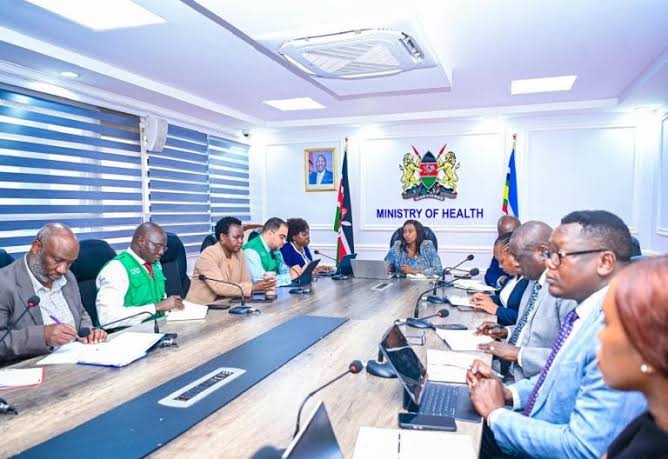 Ps mary muthoni leads the national multi-agency ebola taskforce in reviewing response operations, coordinating resources and strengthening preparedness measures following an imported ebola case in kenya, as authorities intensify efforts to prevent further transmission and protect public health.
 -
Two police officers attached to kinjo police patrol base in meru county have been arrested over allegations of defiling a three-year-old girl. the suspects are expected to appear before the githongo law courts as investigations continue.
-
President william ruto announces ksh850 million for the construction of small-scale tea factories, aiming to support tea farmers, boost local processing and create employment opportunities in tea-growing regions.
-
Deputy President Kithure Kindiki's visit to Othaya Constituency in Nyeri County on October 12, 2026, centred on two major development activities: the launch of the Kihuro–Kirio–Kianjogu Last Mile Electrification Project and the inspection of the Gathunguri–Waihara–Kabebero road. The electri
-
The kenya kwanza administration is accelerating infrastructure development in nandi county, with 350km of roads under construction, 23,000 households targeted for electricity connectivity, 15 modern markets, 3,500 affordable housing units and 6,000 student hostel units. president william ruto and ot
-
Rigathi Gachagua's latest assurance that the opposition will field one presidential candidate against President William Ruto in 2027 has placed unity at the centre of Kenya's emerging election debate. The DCP leader has maintained that opposition leaders must be prepared to put aside personal ambit