Matiang’i Sounds Alarm on Opposition Divisions, Calls for Unity Ahead of 2027 Elections During Nairobi Church Service
Dr Fred Matiang’i's appearance at Jesus Is Alive Ministries in Nairobi on Sunday, October 11, 2026, brought together calls for opposition unity, concerns about political disruption and support for Bishop Margaret Wanjiru's gubernatorial ambitions. His central message was that opposition leaders should cooperate, develop an alternative political programme and seek common ground ahead of the 2027 General Election. He also condemned the heckling at the church service and called for respect for religious gatherings and the rule of law. The meeting did not establish that opposition parties had settled on a joint presidential candidate, but it underscored the importance Matiang’i attaches to cooperation.
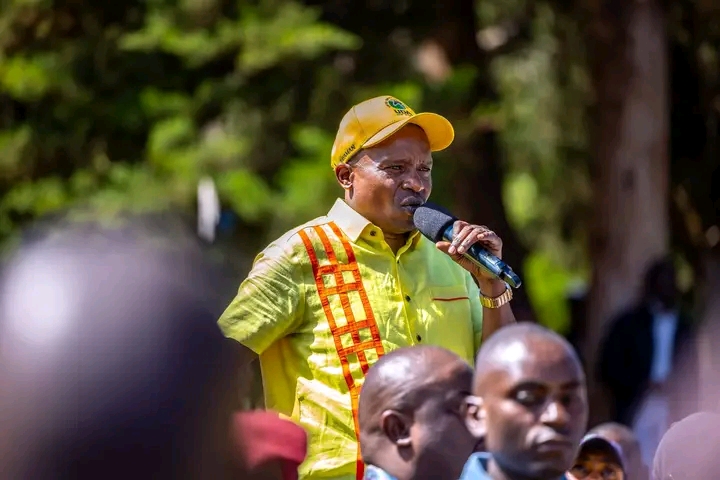
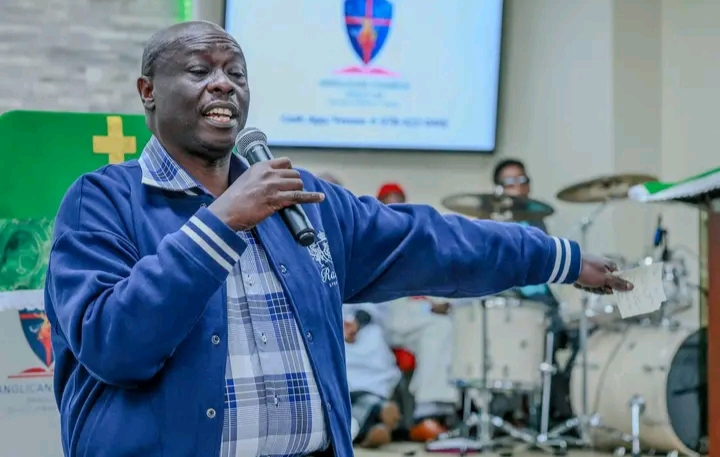
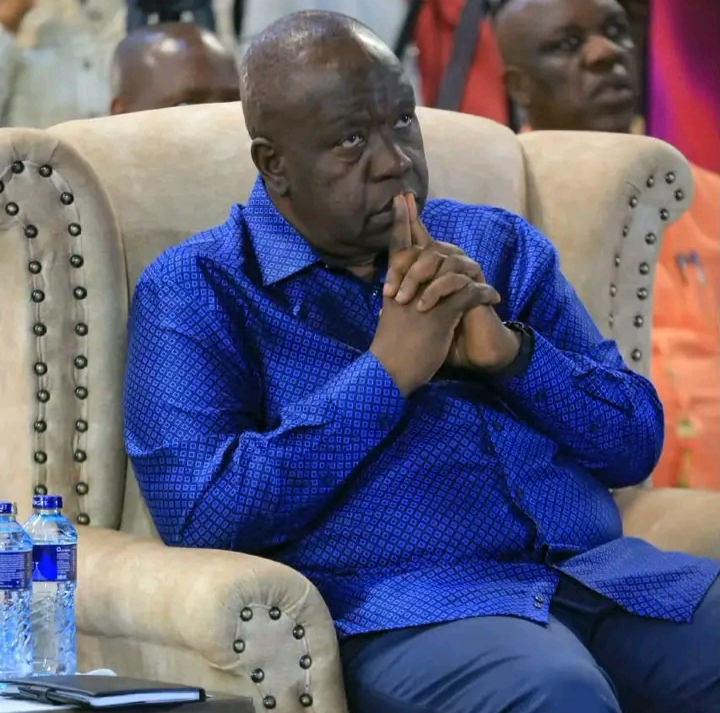
Dr Fred Matiang’i on Sunday, October 11, 2026, called for unity among opposition leaders as Kenya prepares for the 2027 General Election. He made the remarks during a church service at Jesus Is Alive Ministries, hosted by Bishop Margaret Wanjiru.
According to reports published by Citizen Digital and the Daily Nation, Matiang’i urged opposition leaders to put aside their differences, work together and develop a common political strategy ahead of the next election. He also condemned the heckling that disrupted the church gathering and stressed the importance of discipline, peace and respect for places of worship. During the same visit, he pledged support for Wanjiru's bid for Nairobi governor. One of the main issues addressed by Matiang’i during the church service was the need for opposition leaders to establish a united political front before the 2027 General Election.
The former Interior Cabinet Secretary argued that cooperation among opposition leaders would be important if they intended to present a common alternative to President William Ruto's administration. He urged his colleagues to work together rather than allow individual political ambitions to weaken their collective efforts.I urge my colleagues in the opposition to come together, work together and find an alternative if we want to form the next government,” Matiang’i said, according to Citizen Digital's report on the meeting.
His remarks highlighted a challenge facing opposition parties as they prepare for the next general election. Several leaders have expressed interest in the presidency, while others are concentrating on strengthening their parties and expanding their influence in different parts of the country.Kenya's political landscape is already experiencing early positioning as politicians prepare for the 2027 General Election. Parties are assessing their support bases, building alliances and identifying potential candidates for presidential, parliamentary and county-level contests.
For opposition leaders, unity presents both opportunities and challenges.
A common political platform could allow parties to coordinate their campaigns and communicate shared policy proposals. It could also reduce competition among leaders seeking to challenge the same political establishment.On the other hand, opposition unity can be difficult to achieve when individual leaders have presidential ambitions or disagree over leadership arrangements, party interests and the policies they would prioritise in government.
Matiang’i's intervention at the Nairobi church service therefore came amid continuing discussions about whether opposition leaders would cooperate under one arrangement or pursue separate political paths.
He maintained that the opposition needed to work together if it hoped to form the next government. His comments were a political appeal rather than evidence that a final coalition agreement had been reached.These statements formed part of his wider political message about the kind of leadership he says Kenya needs.
It is important, however, to distinguish his allegations about the individuals responsible for the heckling from independently verified facts. The available reports describe his accusations but do not establish who organised the disruption.
Under Kenya's constitutional framework, freedom of religion, expression and peaceful assembly are protected rights, subject to the relevant constitutional and legal limitations. Political disagreements should therefore be handled through lawful and peaceful means.
The episode at Jesus Is Alive Ministries placed these questions at the centre of a gathering that was also intended to provide a platform for political engagementAnother significant development during the church service was Matiang’i's expression of support for Bishop Margaret Wanjiru's ambition to become Nairobi governor.
Wanjiru, a former Starehe Member of Parliament and founder of Jesus Is Alive Ministries, is seeking the Nairobi gubernatorial seat under the Kenya Moja Movement Party.
Matiang’i pledged that Jubilee would work with her and encouraged her to continue pursuing her political ambitions. He also offered to support her as she seeks to build her political base across the capitalThe endorsement was notable because Nairobi is an important political centre, with a large electorate and considerable influence on national political debates.
Wanjiru's bid places her among the politicians seeking to challenge incumbent Governor Johnson Sakaja in 2027. The race is expected to involve negotiations, campaign activities and competition among several aspirants.
Matiang’i's support could create opportunities for political cooperation between Jubilee and Wanjiru's movement. However, the endorsement does not by itself establish a formal coalition agreement or determine the outcome of the gubernatorial contest.Matiang’i's remarks place renewed attention on the question of whether opposition leaders can agree on a common approach before the next election.
His appeal raises several issues that political parties will need to address if they intend to work together.
First, they will need to establish a shared political programme. A coalition requires more than a common desire to challenge the incumbent administration; participating parties must also explain what policies they intend to pursue and how they would address the country's economic and social challenges.Wanjiru also used the occasion to express her political ambitions and appeal for support. Her participation demonstrated how church gatherings can provide a meeting point for religious activities and political discussions.
The relationship between Matiang’i and Wanjiru is therefore relevant to two connected developments: the former Cabinet Secretary's national political ambitions and the contest for leadership of Nairobi County.Second, leaders must agree on a credible decision-making process. Where several politicians aspire to the presidency, parties need a way to resolve disagreements over candidate selection without causing unnecessary divisions.
Third, opposition leaders must determine how their parties would cooperate at county and parliamentary levels, where political interests may differ from those at the national level.
Finally, they must demonstrate that their calls for unity can translate into sustained cooperation beyond public appearances and political rallies.Matiang'i has presented unity as a necessary step towards forming the next government. Whether his fellow opposition leaders will adopt a shared strategy remains to be seen.
His endorsement of Wanjiru also shows that political cooperation can take different forms, from supporting a county gubernatorial candidate to negotiating broader arrangements at the national level.

You Might Also Like
-
 Ps mary muthoni leads the national multi-agency ebola taskforce in reviewing response operations, coordinating resources and strengthening preparedness measures following an imported ebola case in kenya, as authorities intensify efforts to prevent further transmission and protect public health.
 -
Two police officers attached to kinjo police patrol base in meru county have been arrested over allegations of defiling a three-year-old girl. the suspects are expected to appear before the githongo law courts as investigations continue.
-
President william ruto announces ksh850 million for the construction of small-scale tea factories, aiming to support tea farmers, boost local processing and create employment opportunities in tea-growing regions.
-
Deputy President Kithure Kindiki's visit to Othaya Constituency in Nyeri County on October 12, 2026, centred on two major development activities: the launch of the Kihuro–Kirio–Kianjogu Last Mile Electrification Project and the inspection of the Gathunguri–Waihara–Kabebero road. The electri
-
The kenya kwanza administration is accelerating infrastructure development in nandi county, with 350km of roads under construction, 23,000 households targeted for electricity connectivity, 15 modern markets, 3,500 affordable housing units and 6,000 student hostel units. president william ruto and ot
-
Rigathi Gachagua's latest assurance that the opposition will field one presidential candidate against President William Ruto in 2027 has placed unity at the centre of Kenya's emerging election debate. The DCP leader has maintained that opposition leaders must be prepared to put aside personal ambit