



Meet Wicknell Chivayo: From a Struggling Childhood to Zimbabwe’s Millionaire Tycoon and His Close Bond With President Ruto
Wicknell Chivayo, popularly known as Sir Wicknell, rose from a difficult childhood in Zimbabwe to become one of the country’s most prominent and controversial businessmen, building his wealth through energy, infrastructure and other business ventures. He became widely known for his lavish lifestyle, luxury cars, expensive gifts and high-profile philanthropy, while his business dealings and government-linked projects also attracted public scrutiny and legal challenges. In Kenya, Chivayo gained significant attention because of his close relationship with President William Ruto, whom he described as a father figure and mentor. Their repeated meetings and informal encounters, including Chivayo being driven by Ruto to his helicopter, sparked widespread interest in the nature of their relationship. His remarkable journey—from leaving school at a young age and facing difficult personal and legal circumstances to becoming a wealthy businessman with access to influential African leaders—made him a highly recognisable figure before his death in a helicopter crash in Zimbabwe in September 2026.
Wicknell Chivayo, popularly known as “Sir Wicknell,” became one of Zimbabwe’s most recognisable businessmen because of his extraordinary wealth, involvement in major energy and infrastructure projects, lavish lifestyle and close relationships with influential political and business figures across Africa. His story has attracted attention not only because of the fortune he accumulated, but also because of the difficult circumstances he says he experienced while growing up. His relationship with Kenyan President William Ruto also became a major subject of public interest, particularly after the two were repeatedly seen together in Kenya. Chivayo died on September 30, 2026, at the age of 43, together with his wife Lucy Muteke, after a helicopter crash in Zimbabwe.
His early life and childhood
Chivayo was born in 1982 and was raised in Gandami, Chivhu, in Zimbabwe's Mashonaland East province. His childhood was reportedly marked by financial difficulties and personal loss. His father died in a road accident when he was still young, leaving his mother to raise him. Reports about his early years describe a young man who did not grow up with the privileges that later became associated with his name and lifestyle.
One of the most striking aspects of Chivayo's story was his early departure from formal education. Reports indicate that he left Churchill Boys High School at about the age of 15 and started working as a wages clerk at a local bus company. That decision meant that his path to wealth was very different from that of many successful businesspeople who completed university before entering the corporate world.
Chivayo later presented his childhood experiences as part of the reason he became interested in making money and building businesses. In interviews, he attributed his success to hard work, determination and his religious faith. The Times reported that he described himself as having grown up without financial privilege and linked his later philanthropy to his Apostolic Christian faith and personal experiences.
The difficult period before his fortune
Before becoming a major businessman, Chivayo's life also included legal problems. According to The Times, he spent about three years at Chikurubi Maximum Security Prison after a fraud conviction relating to a black-market foreign-currency transaction in the early 2000s. The conviction was later overturned on appeal.
This part of his biography is important because Chivayo's rise was not a straightforward story of starting a company and immediately becoming successful. His journey included periods of financial struggle, legal battles and controversy before he established himself as a major figure in Zimbabwe's business world.
He subsequently moved more firmly into formal business and eventually became associated with Intratrek Zimbabwe, an engineering, energy and infrastructure company. It was through major infrastructure projects, particularly in the energy sector, that his public profile and business interests expanded dramatically.
How Wicknell Chivayo became rich
A major turning point in Chivayo's career was his involvement in large-scale energy projects.
His company, Intratrek Zimbabwe, became closely associated with the 100-megawatt Gwanda Solar Project, a major proposed solar-power development in Zimbabwe. The project was initially valued at approximately US$172 million and became the subject of prolonged controversy over delays, financing and contractual issues.
Chivayo's business activities subsequently expanded beyond a single project. His interests included energy, infrastructure, construction and other investments. He became a prominent figure in Zimbabwe's business environment and developed relationships with government officials and political leaders.
The Gwanda Solar Project also became the centre of legal proceedings. Chivayo and Intratrek faced allegations concerning millions of dollars connected with the project, but they were acquitted in 2023 in a US$5.6 million fraud case. More recently, in September 2026, the Zimbabwean government issued Intratrek a Notice to Proceed relating to completion of the solar project under a restated agreement.
His wealth, however, was not simply reflected in business projects. Chivayo became famous for displaying an extraordinarily expensive lifestyle on social media.
The millionaire lifestyle
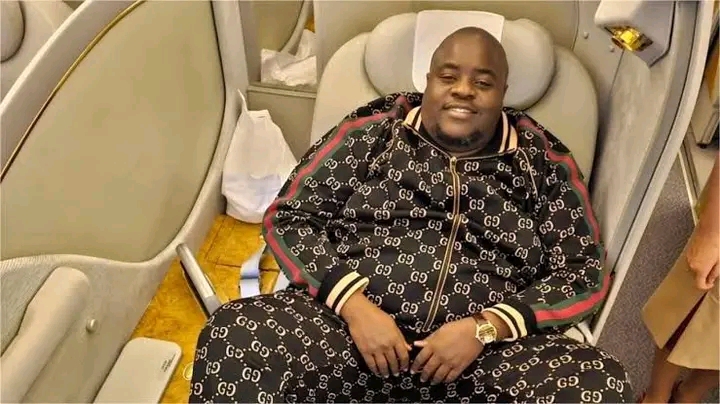
Chivayo became a social-media celebrity through photographs and videos showing luxury vehicles, private aircraft, expensive watches, designer clothing and large amounts of money.
He also became known for giving away expensive gifts. His beneficiaries reportedly included musicians, footballers, church leaders, sports personalities and ordinary people. Some of the gifts included luxury vehicles, while others were cash donations.
Mail & Guardian reported that the value of vehicles he had donated had reached millions of US dollars, while The Times similarly described his generosity as running into millions. Chivayo maintained that his philanthropy was motivated by his faith and his personal experience of growing up without financial privilege.
His generosity also attracted scrutiny. Zimbabwean authorities and critics questioned the source of his wealth, particularly because of his involvement in government-linked contracts. Chivayo denied allegations of wrongdoing and maintained that his wealth was legitimate.
It is therefore important to distinguish documented business activities and gifts from allegations about the source of his wealth. Some allegations were investigated or litigated, while Chivayo repeatedly denied wrongdoing, and in some major cases he was acquitted.
His political connections
Another major feature of Chivayo's public life was his access to powerful political leaders.
In Zimbabwe, he developed a highly visible relationship with President Emmerson Mnangagwa. He was photographed with the president on numerous occasions and was known for supporting political and social initiatives associated with the ruling establishment.
But his relationships extended beyond Zimbabwe. He was seen with several African leaders, including Tanzanian President Samia Suluhu Hassan and other senior political figures. This international network helped make him a familiar figure in African political and business circles.
Wicknell Chivayo and President William Ruto
Chivayo's relationship with President William Ruto became particularly interesting to Kenyans.
The relationship attracted significant attention because Chivayo was repeatedly seen with Ruto at both official and private settings. According to Kenyan media reports, Chivayo first attracted major public attention in connection with Ruto after sharing photographs from the President's private residence in Kilgoris in 2025.
He later visited State House in Nairobi, where he said he had discussions with Ruto about renewable energy. He was also photographed with Ruto and Tanzanian President Samia Suluhu Hassan during another State House encounter.
The meetings continued into 2026. Reports documented encounters at locations including Sagana State Lodge, Wajir State Lodge and State House Nairobi. His repeated appearances with the Kenyan President generated considerable public curiosity about the nature of their relationship.
The Kilgoris moment
One of the most widely discussed moments came in August 2026.
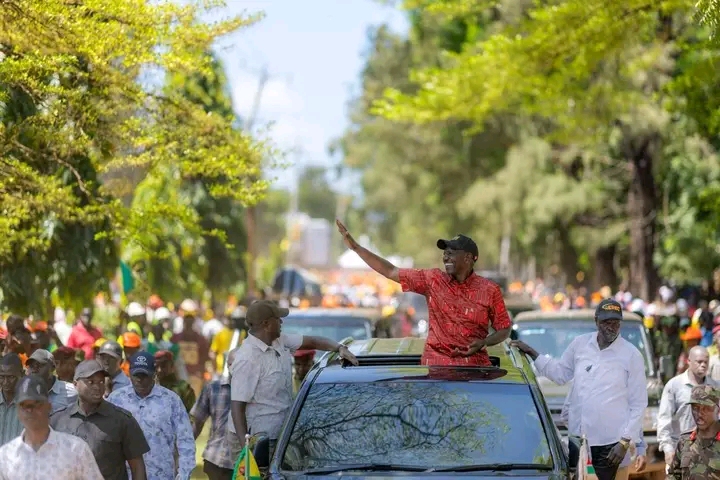
After attending a traditional family ceremony involving Ruto's daughter Charlene in Kilgoris, Chivayo recorded a video showing President Ruto personally driving him and his wife towards their helicopter.
The businessman appeared extremely excited about the encounter and described it as one of the most memorable experiences of his life. The video attracted considerable attention in Kenya because it showed an unusually informal interaction between a head of state and a private businessman.
Chivayo later described his relationship with Ruto as personal and based on faith, respect and mentorship, according to The Times. He also said he had never sought to use his relationship with Ruto to obtain a tender, favour or other undue benefit.
The Standard also reported that Chivayo had previously described Ruto in personal terms, saying he regarded him as a father figure.
At the same time, the public encounters led to questions in Kenya about Chivayo's access to the presidency. Those questions were particularly notable because Chivayo was not a Kenyan government official but a Zimbabwean businessman with interests in energy and infrastructure.
Business interests in Kenya
Chivayo's interest in Kenya also became connected to infrastructure and investment discussions.
Reports in 2026 linked his company and partners to proposals surrounding expansion of Jomo Kenyatta International Airport. However, the reported details became contested, with Kenya's Transport Cabinet Secretary Davis Chirchir saying that the tender process was still being evaluated.
This illustrates why Chivayo's activities in Kenya attracted so much attention: his meetings with political leaders occurred alongside reported interests in major commercial and infrastructure opportunities.
A complicated legacy
Chivayo's life combined several contrasting elements. He came from a difficult childhood, left school at a young age, experienced legal problems and later built a major business empire. He became associated with energy and infrastructure projects, accumulated substantial wealth and became famous for his extravagant lifestyle and philanthropy.
At the same time, his wealth and political connections attracted scrutiny and allegations concerning government contracts and influence. Chivayo consistently denied wrongdoing, and some significant legal cases ended in acquittals.
His relationship with President Ruto became one of the most discussed aspects of his life in East Africa. The two were photographed together repeatedly, and the 2026 video of Ruto driving Chivayo to his helicopter made their relationship especially visible.
Chivayo's life therefore became a story of ambition, business, wealth, philanthropy, political access and controversy. From a young boy raised by a single mother in Zimbabwe to a businessman who dined and interacted with presidents across Africa, his rise was extraordinary and highly public.
His story came to a sudden end on September 30, 2026, when the helicopter carrying him, his wife and other passengers crashed in Zimbabwe. Authorities reported that there were no survivors. The death marked the end of the life of a businessman whose name had become closely associated with Zimbabwe's energy sector, conspicuous wealth, philanthropy and relationships with influential African leaders.

You Might Also Like
-
Health CS Aden Duale says the Ministry of Health has extended the HMIS transition period by one month, giving Level 5 and 6, private and faith-based facilities more time to complete the migration while ensuring uninterrupted healthcare services.
-
The St. Kizito Litein School for the Deaf eight-kilometre awareness walk gave students and teachers an opportunity to take their message beyond the school compound and into the streets of Litein. The October 1, 2026 activity was aimed at raising awareness about hearing impairment while promoting gre
-
The survey indicates that 52% of respondents support the idea. Among those open to a female Deputy President, Kirinyaga Governor Anne Waiguru leads with 36%, followed by former Deputy President candidate Martha Karua at 27% and Homa Bay Governor Gladys Wanga at 15%.
-
Murkomen's presence in Kiminini and now Saboti places attention on several issues affecting residents of Trans Nzoia: roads and bridges, agricultural development, youth training, public services, security and cooperation between national and county governments. While the exact list of projects he ha
-
The Ogiek meeting in Nandi brought together members of a community that is geographically dispersed across several parts of the Rift Valley, including Kericho, Uasin Gishu and Nandi itself. The gathering came at a time when Ogiek communities continue to discuss ancestral land, historical displacemen
-
President Ruto's current Coast programme is therefore broader than a single-day project launch in Mombasa. It combines land titling, port and maritime development, railway connectivity, Dongo Kundu SEZ, water infrastructure, affordable housing, electricity expansion and regional trade. Mombasa's pos