



Mount Kenya Fires: What Is Happening, Causes, Impact and the Ongoing Fight Against the Blaze
The ongoing Mount Kenya fire is a serious environmental concern because the mountain is much more than a scenic landmark. It is a critical ecosystem, wildlife habitat, tourism destination and water tower. The current blaze, which began on September 1, has continued for several days and has involved numerous fire points. Strong winds have repeatedly complicated firefighting efforts, while teams from government agencies, conservation organisations and local communities continue working to contain the flames. The incident also demonstrates why long-term investment in wildfire prevention is essential. Mount Kenya has experienced destructive fires before, including major incidents in 2019 and 2022. Protecting the mountain requires cooperation among government agencies, conservation organisations, local communities, researchers and visitors. Early detection, firebreaks, trained community teams, responsible land-use practices and stronger environmental protection can all reduce future risks. Ultimately, the Mount Kenya fires are a reminder that protecting Kenya's forests is directly connected to protecting water, wildlife, tourism, livelihoods and the country's environmental future.
Mount Kenya, one of Kenya’s most important ecological and water-catchment areas, is currently facing a serious wildfire incident that has raised concern among conservationists, firefighters, communities and environmental authorities. The latest reports indicate that a fire that began on September 1, 2026, has continued to challenge firefighting teams because of strong winds, difficult high-altitude terrain and dry vegetation.
The situation is particularly concerning because Mount Kenya is not simply a tourist attraction. The mountain supports a complex ecosystem containing forests, bamboo zones, alpine moorlands, wildlife habitats and important water sources. Kenya Forest Service identifies Mount Kenya among the country's major natural forest water towers.
The latest Mount Kenya fire
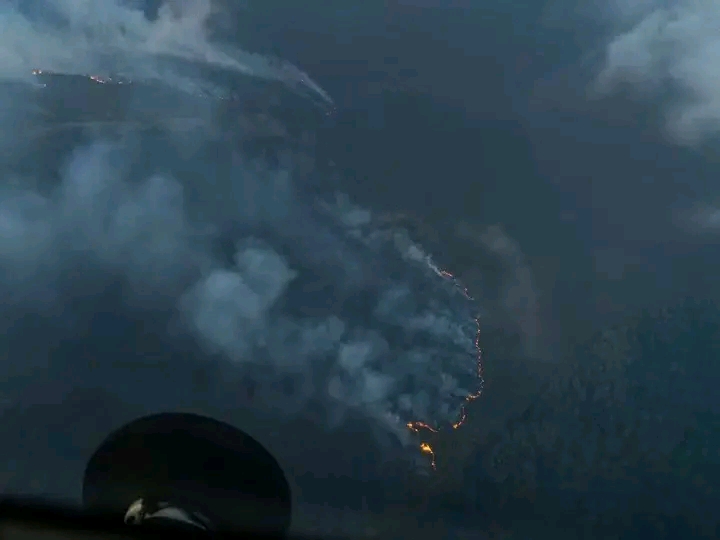
According to information released by the Mount Kenya Trust, the current fire began on September 1, 2026. By September 5, firefighting teams had been dealing with the blaze for five consecutive days, with as many as 17 separate fire points visible at one time.
The fire has reportedly affected sections around the eastern flank of Kibiaranyeki before moving in a southerly and westerly direction. Areas around Rutundu, Lake Alice and Lake Ellis have been affected by the spreading flames. Strong winds have made the situation considerably more difficult because fires that appear to have been extinguished can flare up again or spread to new areas.
The Mount Kenya Trust reported that the fire crossed Kathita Gorge, illustrating the difficulty of controlling a blaze in rugged mountain terrain. The combination of wind, dry vegetation, steep slopes and limited accessibility creates major challenges for firefighters working on the mountain.
As of September 7, reports indicated that the fire had continued into its sixth day, with firefighters, volunteers and conservation organisations still working to contain it.
*Organisations involved in fighting the fire*
The response has involved several organisations and community groups. The Mount Kenya Trust has reported cooperation with agencies and conservation organisations including the Kenya Wildlife Service (KWS), Kenya Forest Service (KFS), Lewa Wildlife Conservancy, Rhino Ark, Borana, Kisima and Community Forest Associations.
This multi-agency response is important because fighting a fire on Mount Kenya requires more than conventional firefighting. Teams need knowledge of mountain terrain, wildlife, vegetation, weather patterns and access routes.
The Mount Kenya Trust has developed systems specifically aimed at improving wildfire preparedness and response. Its fire-management programme includes firebreaks, trained community firefighters, equipment, reporting systems and coordinated response mechanisms. The organisation says it has constructed more than 11 kilometres of firebreaks and trained and equipped 140 scouts from six Community Forest Associations.
*Why Mount Kenya is vulnerable to fires*
Wildfires are not a completely new phenomenon on Mount Kenya. The ecosystem has experienced major fires in the past, particularly during dry periods.
One of the major factors is the availability of dry vegetation. When grasses, shrubs, leaves and other plant material lose moisture, they become highly flammable. Strong winds can then carry flames quickly across open vegetation.
The Mount Kenya Trust says that fires have become more frequent and severe because of factors including climate change, prolonged drought and increasing human activity around forest boundaries.
Historical assessments of the Mount Kenya ecosystem have identified several potential causes of fires. These include arson, honey gathering, lightning, grazing activities, forest clearing, discarded cigarette butts and charcoal production.
It is important, however, not to automatically conclude that the current fire was deliberately started. The exact cause of a particular wildfire should be established through investigation rather than speculation.
The role of weather and strong winds
Weather conditions are among the most important factors influencing the current situation.
Reports from the mountain indicate that very strong winds have repeatedly helped spread the flames. On some occasions, firefighters have managed to put out flames only for new fire points to appear later in the day.
Strong winds can carry burning embers from one location to another. This can cause fires to jump across gaps in vegetation and makes firebreaks less effective when conditions are extreme.
The Star has also linked the current fire situation to wider concerns about unusual weather conditions and possible El Niño effects, although weather-related explanations should be distinguished from an established cause of the individual fire.
*Environmental importance of Mount Kenya*
Mount Kenya is one of the most important natural ecosystems in the country.
The mountain contains a range of ecological zones, from lower forests through bamboo and high-altitude moorlands to alpine environments. These different habitats support numerous species of plants and animals.
A major fire can therefore affect biodiversity in several ways.
First, vegetation can be destroyed directly by flames. Young trees, shrubs, grasses and other plants may burn before they have an opportunity to reproduce.
Second, animals can lose important habitats. Even where wildlife escapes the flames, destruction of vegetation can reduce food and shelter.
Third, fires can alter the structure of an ecosystem. An assessment of the Mount Kenya ecosystem notes that forest fires can change vegetation structure and species diversity and may encourage the spread of invasive species. They can also reduce the ecosystem's water-catchment capacity.
*Threat to water resources*
Perhaps one of the greatest concerns about fires on Mount Kenya is their potential impact on water.
Mount Kenya functions as an important water tower. Kenya Forest Service lists Mount Kenya among the country's major natural forest water towers alongside areas such as the Mau Forest Complex, Aberdares, Mount Elgon and Cherangani.
Healthy vegetation helps regulate water flows. Forests and other vegetation can slow rainfall runoff, protect soils and support water infiltration.
When vegetation is destroyed, exposed soil can become more vulnerable to erosion. Heavy rainfall following a major fire can wash ash and loose soil downslope, potentially affecting rivers and water quality.
This is why the consequences of a mountain wildfire can continue long after the flames disappear.
Threat to wildlife
Mount Kenya provides habitat for a wide range of wildlife. A large wildfire can destroy vegetation that animals depend upon for food and shelter.
Animals may flee affected areas, while smaller species may have difficulty escaping fast-moving flames.
Fire can also disrupt ecological relationships. For example, the destruction of plants can reduce food availability for herbivores, while predators may subsequently be affected by changes in prey distribution.
The long-term consequences depend on the size and intensity of the burned area and how quickly vegetation recovers.
Impact on tourism
Mount Kenya is an internationally recognised tourism destination and is important to Kenya's adventure and nature-tourism industry.
The mountain attracts climbers, hikers, researchers, conservationists and visitors interested in its unique landscapes and wildlife.
Large fires can damage the mountain's scenic appearance and create concerns about safety. Smoke, fire activity and difficult conditions can also interfere with tourism operations.
However, it is important to distinguish between a wildfire affecting particular sections of the mountain and the entire Mount Kenya tourism industry being closed. Decisions about access should come from relevant authorities and park managers based on safety conditions.
Previous major fires on Mount Kenya
The current fire comes after several serious fire incidents in recent years.
The Mount Kenya Trust reports that a major 2019 moorland fire burned an estimated 20,000 hectares, making it one of the most destructive fires in the mountain's recent history.
Another major fire episode occurred in 2022. UNESCO reported that fires on Mount Kenya burned for more than two months and escalated to uncontrolled levels on the northern slopes. The fires threatened important moorland and forest habitats, including areas containing mature rosewood and cedar trees.
During the 2022 response, the Mount Kenya Trust, Rhino Ark, Kenya Forest Service and Kenya Wildlife Service coordinated firefighting operations. Up to 35 trained personnel were deployed daily, alongside between 150 and 200 community members.
These previous incidents demonstrate that wildfire is a recurring conservation challenge rather than an isolated event.
Human activities and wildfire risk
Human activity around forests can increase the risk of fires.
Agricultural clearing, charcoal production, honey gathering and other activities can potentially introduce fire into areas where dry vegetation is present. Accidental fires may also result from activities such as discarded cigarettes or uncontrolled burning.
Conservation assessments have previously identified arson and honey gathering among important causes of fires in the Mount Kenya ecosystem.
This makes community participation essential. People living around the mountain are often among the first to notice smoke or flames and can provide valuable information to authorities.
Importance of community firefighters
Community members play an important role in Mount Kenya's fire-management strategy.
The Mount Kenya Trust says it has trained and equipped community scouts to assist with first response and fire prevention.
This approach is particularly valuable because professional firefighters and government agencies cannot be everywhere at once. Communities living close to forests can provide early warnings and assist trained teams when fires occur.
Community participation also helps promote prevention. Residents who understand the dangers associated with uncontrolled burning can help reduce the number of accidental fires.
Challenges facing firefighters
Mount Kenya's landscape presents unique firefighting difficulties.
Steep slopes can make it difficult for vehicles and heavy equipment to reach affected areas. Firefighters may have to walk long distances carrying equipment.
High altitude can also make operations physically demanding.
Another major problem is unpredictable wind. A fire that appears contained can suddenly change direction, forcing teams to retreat or redirect their efforts.
The current fire demonstrates these challenges, with reports indicating that high winds caused flames to spread even after some areas had been extinguished.
*What can be done to prevent future fires?*
Prevention remains more effective than trying to control a large wildfire after it has already spread.
Several measures are important.
First, early detection should be strengthened. Smoke and heat should be identified as quickly as possible so that small fires can be attacked before they become large.
Second, firebreaks should be maintained. Properly planned firebreaks can slow the movement of flames and give firefighters safer areas from which to work.
Third, communities should receive continuous education. People living near forests should understand the risks of uncontrolled fires and the importance of reporting smoke immediately.
Fourth, illegal activities inside protected areas should be addressed. Where fires are deliberately associated with activities such as charcoal burning or poaching, stronger enforcement and community surveillance can reduce risks.
Fifth, climate and weather monitoring should be strengthened. Dry conditions and strong winds can create dangerous fire conditions, allowing authorities to increase preparedness before a crisis develops.
The bigger climate question
The Mount Kenya fires also highlight a wider environmental challenge facing Kenya.
Climate change does not necessarily start every wildfire, but changes in temperature, rainfall patterns and drought conditions can influence how easily vegetation burns and how rapidly fires spread.
The Mount Kenya Trust specifically identifies climate change and prolonged drought among factors contributing to increasing wildfire risks on the mountain.
This means that wildfire management needs to be part of a broader climate-resilience strategy.
Protecting forests, restoring degraded areas, maintaining water catchments and reducing unnecessary human-caused fires are all important components of that strategy.

You Might Also Like
-
President William Ruto's assent to the four Bills today represents an important development in Kenya's legislative and governance landscape. The National Council for Population and Development Bill, Air Passenger Service Charge Amendment Bill, Public Finance Management Amendment Bill 2025 and Trust
-
The September 7, 2026 prayers and dedication of the Dr Joyce Laboso Memorial Mother and Child Wellness Centre marked an important moment in Bomet's healthcare journey. The dedication church service, scheduled for 7:30 a.m. at the hospital grounds, provided an opportunity to pray for the institution
-
The gathering of Burundian nationals at their embassy in Nairobi is one of the most visible consequences of Kenya's new crackdown on certain foreign-operated small-scale businesses. Some Burundians are seeking emergency travel documents because they want to return home, while others are seeking cla
-
The latest weather outlook provides a mixed picture for Kenya. Most parts of the country are expected to remain generally dry, while selected areas—especially parts of Lamu, Kilifi, Tana River, Mombasa, Kwale, Narok and Bomet—have a higher likelihood of rainfall. Afternoon showers and thundersto
-
Bomet’s worsening water shortage is forcing students and residents to fetch water late at night as limited supply and low daytime pressure make access increasingly difficult. The situation is disrupting daily routines and raising concerns over safety and access to essential water services.
-
This major healthcare facility aimed at improving medical services for mothers and children in Bomet County. Named in honour of the late Dr. Joyce Laboso, the centre represents a lasting investment in better healthcare for families and future generations.