OBURU OGINGA WARNS ODM OFFICIALS AGAINST DEMANDING MONEY FOR DIRECT TICKETS
ODM Party Leader Oburu Oginga has issued a strong warning to party officials against soliciting money from aspirants in exchange for promises of direct nomination tickets ahead of the 2027 General Election. Oburu cautioned that officials found engaging in the practice will face disciplinary action, insisting that the party's nomination process must be transparent, fair and free from bribery. He maintained that no aspirant should be forced to pay money to secure a party ticket, emphasizing the need to uphold integrity and equal opportunities for all members seeking elective positions. The warning comes as ODM prepares for its March 2027 nomination exercise, with the party leadership also encouraging consensus where possible and secret ballots where competing aspirants fail to reach an agreement
Orange Democratic Movement (ODM) Party Leader Oburu Oginga has warned party officials against demanding or accepting money from aspirants in exchange for promises of direct nomination tickets, saying those found engaging in the practice will face disciplinary action. The warning comes as the party prepares for the 2027 General Election, with competition expected among members seeking the party’s ticket for various elective positions.
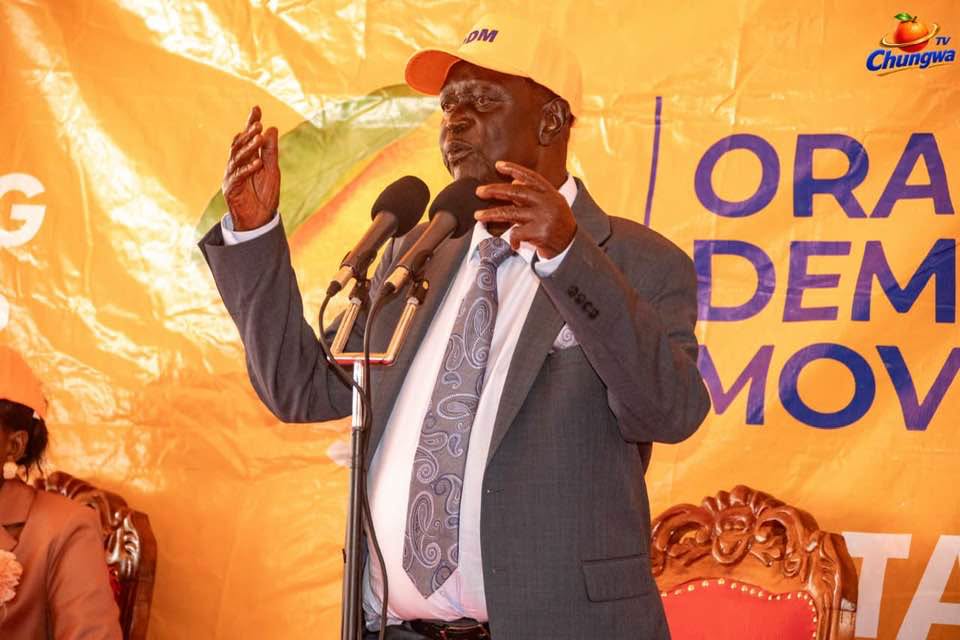
Oburu issued the caution on Wednesday, November 25, 2026, during a meeting at Chungwa House in Nairobi, where the party received new members and hosted aspirants interested in contesting on the ODM ticket. He said the party would not allow officials to use their positions to influence nominations for personal benefit, insisting that access to a party ticket must not be determined by payments or private arrangements.
The party leader said the forthcoming nomination exercise should be free, fair and transparent, with all aspirants given an opportunity to pursue their political ambitions through the party’s established procedures. He ruled out the idea that individuals could secure tickets by approaching senior officials with money, warning that any official who solicits funds while claiming to guarantee a nomination would face consequences.
The warning is directed at the practice of presenting a direct ticket as something that can be privately secured in exchange for cash. Such promises can undermine confidence in party nominations by creating the impression that candidates with financial influence may enjoy an advantage over members who rely on grassroots support. Oburu said ODM would not tolerate officials exploiting aspirants in this way and emphasised that integrity must guide the process.
He also made it clear that no aspirant should assume that a party position or connection to senior leaders automatically guarantees a nomination. Members seeking elective office will have to follow the procedure adopted by the party, rather than treating the ticket as an entitlement that can be obtained through informal negotiations. The message places responsibility on party officials to protect the credibility of the process and avoid conduct that could create mistrust among competing candidates.
The issue of nominations is significant for ODM as it prepares to select candidates for the next General Election, scheduled for 2027. Party tickets are an important route through which political parties organise competition and present candidates to voters. For aspirants, the process can determine whether they proceed to a general election under the party banner, making transparency and consistency central to confidence in the outcome.
At the same meeting, Oburu encouraged members to consider consensus as a way of resolving contests where several aspirants are seeking the same position. Under that approach, members would seek agreement on a suitable candidate instead of immediately turning to a ballot. However, he indicated that voting would remain an option where consensus cannot be reached or where the party determines that a ballot is necessary.
The party leader’s position is that consensus should be explored first, while a secret ballot can serve as the alternative when members do not reach an agreement. The approach is intended to manage competition within the party, although its effectiveness will depend on whether aspirants and their supporters consider the process open and acceptable. Where agreement proves impossible, a clearly administered vote would provide a formal way of choosing the candidate.
ODM has indicated that it is working to strengthen and streamline its nomination procedures ahead of the exercise expected in March 2027. The preparations are aimed at addressing loopholes that could allow bribery, favouritism or other forms of interference. For aspirants, clear rules and communication about how candidates will be selected will be important in understanding what is expected of them and how disputes can be handled.
Party Chairperson Gladys Wanga also addressed the question of direct tickets, saying aspirants should not assume that selected individuals had already been chosen for particular seats. She maintained that candidates would be required to go through the party’s nomination process. Her remarks reinforced Oburu’s message that ODM would not reserve automatic nominations for individuals outside the agreed procedure.
The presence of several aspirants seeking the same positions is likely to create intense competition in some areas. ODM leaders have therefore urged members to maintain discipline and avoid turning internal contests into personal disputes. Differences over nominations are common in political parties, but disagreements can weaken party structures when they develop into public attacks or divisions that continue after candidates have been selected.
Oburu’s warning also places the conduct of party officials under scrutiny. Officials responsible for organising nominations are expected to act impartially and provide accurate information to aspirants. They should not suggest that they can secure a ticket in return for payment, nor should they use their party roles to create an advantage for particular candidates. The disciplinary warning signals that the leadership wants to deter such behaviour before the nomination period begins.
The meeting also provided an opportunity for ODM to receive new members, including former Bureti Member of Parliament Paul Sang, who moved from the Kenya African National Union (KANU) to the Orange party. The reception of new members comes as ODM seeks to strengthen its structures and attract politicians interested in contesting under its banner in the next election. Their entry also adds to the number of political figures who may participate in the party’s internal activities.
For aspirants and ordinary party members, the central question will be whether the promised safeguards are applied consistently when nominations begin. A credible process requires more than public assurances: members need to understand the rules, know how candidates will be assessed or selected, and have confidence that complaints will be handled fairly. The party’s planned efforts to close loopholes will therefore be judged by how they work in practice.
The warning is also a reminder to aspirants that paying an individual who claims to have influence over the nomination process is not a reliable or legitimate way of securing a party ticket. Candidates should follow official party communication and procedures, and report any requests for money made in exchange for a promised nomination. Party officials, in turn, will be expected to protect members from exploitation and uphold the standards set by the leadership.
The leadership’s position also places importance on communicating the nomination timetable and requirements early enough for members across different regions to prepare. When procedures are clearly explained, aspirants are less likely to depend on intermediaries claiming to have special access to decision-makers. Clear channels for inquiries and complaints can also help the party identify attempts to solicit money before they damage confidence in the exercise. The party has not publicly identified any official accused of the practice in the remarks reported on Wednesday.
As ODM moves towards its March 2027 nomination exercise, the party faces the task of balancing competition with internal unity. Members may disagree over who should carry the party flag in particular constituencies, but the leadership has said that the selection process must remain transparent and free from bribery. Oburu’s warning makes clear that officials found soliciting money from aspirants under the promise of direct tickets risk disciplinary action, as the party seeks to prepare its candidates for the next General Election. Its credibility will ultimately depend on consistent enforcement during the nomination period.

You Might Also Like
-
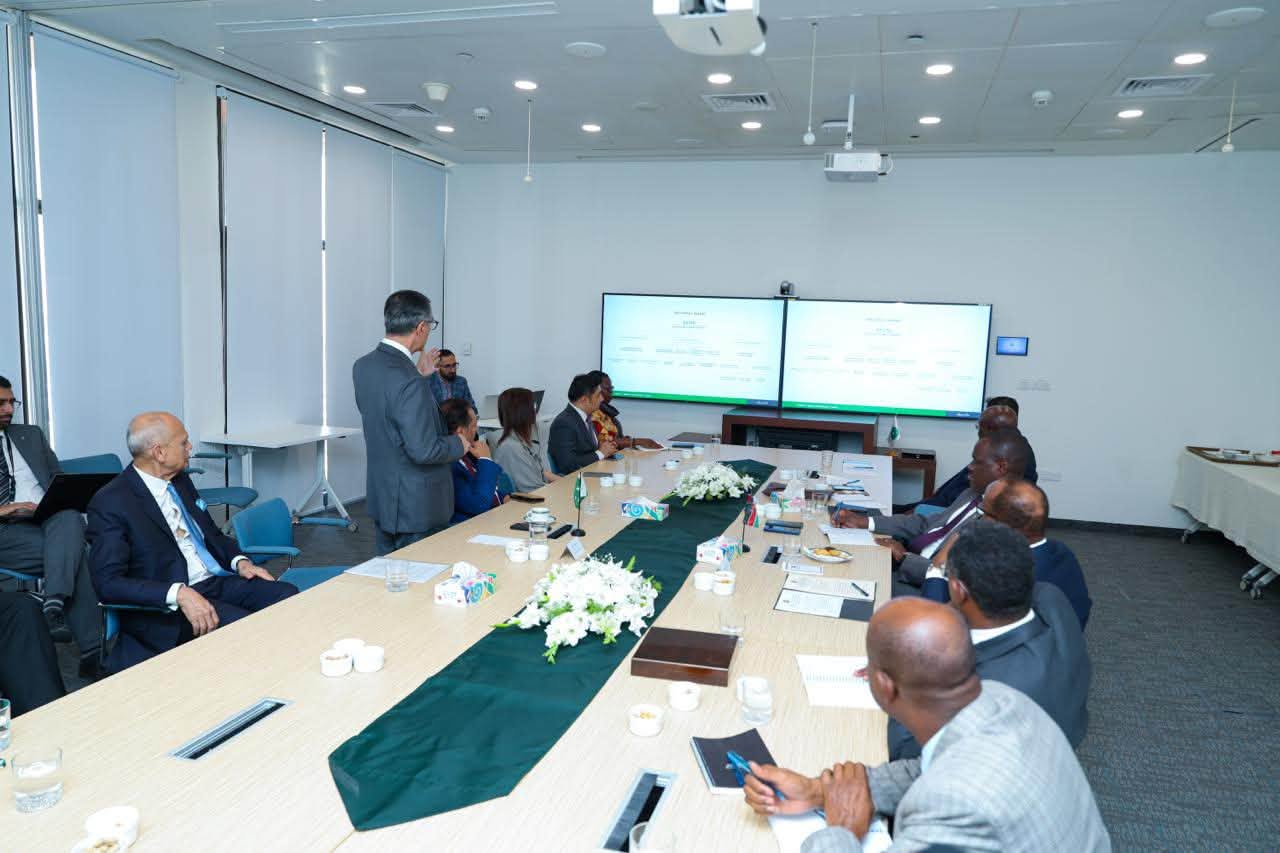
Health Cabinet Secretary Aden Duale has held a strategic meeting with Aga Khan University (AKU) Global President and Vice-Chancellor Dr Sulaiman Shahabuddin, AKDN Kenya Diplomatic Representative H.E. Amin Mawji and senior officials at the university's global headquarters in Karachi, Pakistan, to str
-
NACADA Chief Executive Officer Anthony Omerikwa has commended the Judiciary for its role in strengthening Kenya's fight against drug abuse and trafficking, praising the tough penalties imposed on individuals found guilty of drug-related offences. Omerikwa says the KSh50 million fine or 20-year priso
-
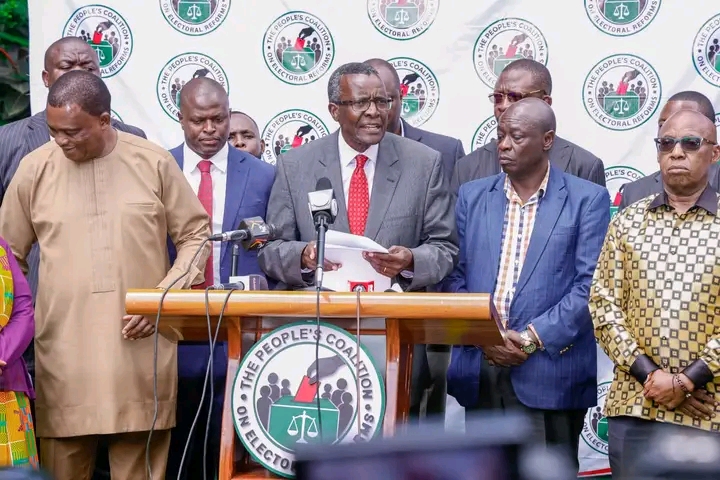
The threat by opposition leaders to organise mass action over electoral reforms marks a significant development in Kenya's preparations for the August 2027 General Election. Led by figures including Rigathi Gachagua, Kalonzo Musyoka, David Maraga, Martha Karua, Fred Matiang'i and Edwin Sifuna, the o
-
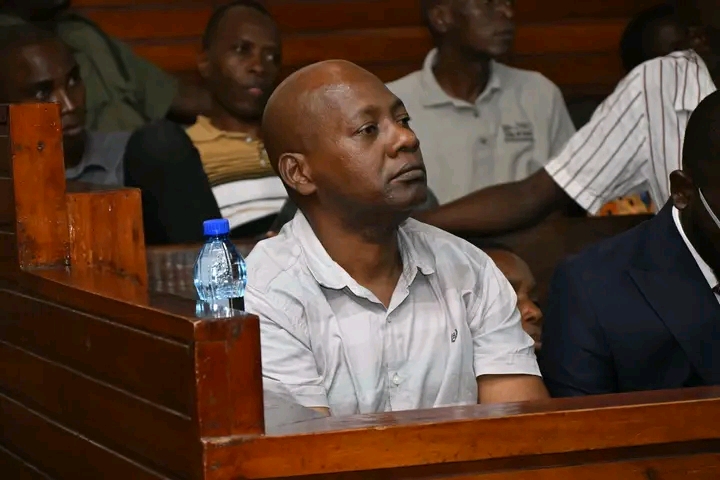
The conviction of Paul Nthenge Mackenzie and 11 others on November 25, 2026, marks another major development in the ongoing Shakahola cases. The Tononoka Children's Court found the 12 accused persons guilty of various offences involving assault, cruelty to children and violations of children's right
-
The seven-day strike ultimatum issued by the Kenya Union of Clinical Officers on November 25, 2026, has placed the government, the Council of Governors and several county administrations under pressure to resolve longstanding labour disputes. KUCO is demanding full implementation of the January 28,
-
Aden Duale's meeting with Aga Khan University President and Vice-Chancellor Dr. Sulaiman Shahabuddin and Pakistan's Federal Health Minister Syed Mustafa Kamal in Karachi marks an important engagement in Kenya's efforts to strengthen international healthcare partnerships. The discussions focused on