



ODM DEMANDS ANSWERS FROM UHURU OVER CLAIMS RAILA WON 2022 POLL
ODM has questioned former President Uhuru Kenyatta over his claim that Raila Odinga won the 2022 presidential election, with party leader Oburu Oginga asking why he handed over power to President William Ruto.
The Orange Democratic Movement (ODM) has challenged former President Uhuru Kenyatta to explain why he handed over power to President William Ruto in 2022 if he remains convinced that the late Raila Odinga won that year’s presidential election.
The demand follows fresh remarks by Kenyatta in which he said he still believes Odinga won the August 2022 presidential election, reopening debate over one of Kenya’s most closely contested political races.
ODM party leader Senator Oburu Oginga questioned the circumstances surrounding the transfer of power, arguing that Kenyatta’s latest position raises questions about what happened after the election.
In a statement issued on September 24, 2026, ODM said Kenyatta’s remarks had revived painful memories surrounding the 2022 election and called for clarity on the former administration’s actions following the vote.
The controversy follows comments made by Kenyatta during a Jubilee Party meeting in Nairobi on September 22. The former President said he remained convinced that Odinga had received enough votes to win the presidency.
Kenyatta said his administration and political allies had done everything possible to support Odinga’s presidential bid and maintained that he believed the former Prime Minister had won the election.
“We did everything to help Baba become President of the Republic of Kenya. He got the votes, and to this day I know that he is the one who won those votes,” Kenyatta said, according to reports of his remarks.
He also questioned how the coalition supporting Odinga could have performed strongly in parliamentary and county elections but failed to secure the presidency.
Kenyatta cited the number of governors, senators and members of Parliament elected under the Azimio coalition as part of the basis for his argument.
The former President also rejected suggestions that he personally lost the election, saying he was not a candidate on the presidential ballot.
His remarks have since triggered responses from political parties and leaders across the country, with the 2022 election once again becoming a major subject of political debate.
ODM SEEKS CLARITY
For ODM, the question now goes beyond whether Odinga won or lost the election.
The party has focused on why Kenyatta, who was President at the time, presided over a peaceful transfer of power to Ruto after the election and subsequent legal challenges.
According to ODM's statement, the party maintained at the time that Odinga had won but accepted the outcome after the constitutional avenues available for challenging the presidential result had been exhausted.
The party's position therefore raises a question about the difference between political belief and the constitutional process that determines an election outcome.
Kenya's electoral system provides mechanisms for challenging presidential results through the courts. Following the 2022 election, Odinga and other petitioners challenged the presidential results at the Supreme Court.
The Supreme Court ultimately upheld Ruto's election, bringing the formal legal challenge to an end.
Official results showed Ruto receiving 7,176,141 votes, representing 50.49 per cent of the vote, while Odinga received 6,942,930 votes, equivalent to 48.85 per cent. The difference was 233,211 votes.
The court's decision meant that Ruto was constitutionally confirmed as the winner of the 2022 presidential contest.
ODM's latest response does not change that legal outcome but instead focuses attention on Kenyatta's current assertion that Odinga actually won.
UHURU'S ROLE IN THE 2022 TRANSITION
Kenyatta's role in the 2022 transition is central to the renewed debate.
As President, he oversaw the final stages of the election and subsequently handed over the instruments of power to Ruto after the Supreme Court upheld the election.
In his latest remarks, Kenyatta said he accepted the court's decision at the time and handed over power peacefully.
He has also argued that Kenya should not repeat what he described as the political problems surrounding the 2022 election.
That position has now become a key point of discussion following his public assertion that he believes Odinga won the vote.
ODM's challenge effectively asks why the former President did not publicly raise the issue in the same manner at the time, particularly after the Supreme Court proceedings had concluded.
The party has also cautioned against reducing Odinga's long political career and sacrifices to arguments about election figures alone.
RAILA'S POLITICAL LEGACY
The debate has also reopened broader discussions about Odinga's political legacy.
Odinga, who died in 2025, spent decades at the centre of Kenya's political affairs and contested the presidency several times.
His supporters have long maintained that his political struggles contributed to the expansion of multiparty democracy, constitutional reforms and greater political competition in Kenya.
Following his death, different political leaders and groups have continued to debate how his political legacy should be remembered and carried forward.
ODM has maintained that Odinga's contribution should not be reduced to whether he won or lost individual elections.
The party's latest statement comes against the backdrop of continued political realignments ahead of the 2027 General Election, with various parties and political leaders reassessing alliances and strategies.
POLITICAL REACTION
Kenyatta's comments have already generated reactions from both his former allies and political opponents.
The United Democratic Alliance (UDA), which supports President Ruto, criticised the former President after he reiterated his belief that Odinga won the 2022 election.
UDA Secretary-General Hassan Omar accused Kenyatta of refusing to accept Ruto's victory and argued that the official and legal outcome of the election should be respected.
The renewed dispute therefore brings together competing interpretations of the same election.
On one side, Kenyatta has expressed his personal belief that Odinga won the vote, pointing partly to Azimio's performance in other elective positions.
On the other side, the official results declared Ruto the winner, while the Supreme Court unanimously upheld his election after considering petitions challenging the result.
The distinction between those positions is important because a political claim about who received the most votes is different from the legally determined outcome of an election.
WHY THE ISSUE HAS RETURNED
The timing of Kenyatta's remarks has also attracted attention.
Four years after the 2022 election, the former President has now publicly stated that he continues to believe Odinga won the contest.
The comments come as Kenya's political parties begin positioning themselves ahead of the 2027 General Election.
ODM itself is navigating changes following Odinga's death, while several political formations are reassessing their alliances.
Kenyatta has also remained active in political discussions despite leaving the presidency in 2022.
His latest remarks have consequently become part of the wider political conversation over Kenya's next electoral cycle.
For ODM, however, the issue is also about accountability and historical record.
The party wants the former President to explain how his belief that Odinga won the election fits with the decision by his administration to facilitate a peaceful transition after the Supreme Court ruling.
THE 2022 ELECTION RECORD
The 2022 presidential election remains a settled legal matter in terms of the constitutional process.
Ruto was declared the winner after receiving more than seven million votes, narrowly crossing the 50 per cent threshold required to avoid a runoff.
Odinga challenged the result at the Supreme Court, but the court rejected the petitions and upheld Ruto's election.
Kenyatta's latest comments therefore do not alter the official result or the Supreme Court's determination.
Instead, they have reopened a political debate over how the election unfolded and what various actors believed happened behind the scenes.
Kenyatta has suggested that he knows how events unfolded but has not publicly provided evidence that overturns the official result.
That has prompted calls from different political actors for greater clarity over the basis of his claim.
LOOKING AHEAD
As the debate continues, ODM's demand places the former President at the centre of renewed questions over the 2022 transition.
The party wants Kenyatta to explain why he handed over power to Ruto if he believed that Odinga had actually won the election.
At the same time, the renewed debate is likely to keep the 2022 election in Kenya's political conversation as parties prepare for the 2027 contest.
For ODM, the issue is not only about the final vote tally but also about preserving what the party describes as Odinga's broader political legacy.
The 2022 election was ultimately settled through Kenya's constitutional and judicial mechanisms, with Ruto declared the winner and the Supreme Court upholding that result.
Kenyatta's latest remarks have nevertheless introduced a fresh political dimension to the debate, while ODM's response has shifted the focus toward the actions of those who were in power during the transition.
The question now being raised by ODM is straightforward: if the former President remains convinced that Raila Odinga won the 2022 presidential election, why did he oversee the transfer of power to William Ruto after the election and the subsequent Supreme Court ruling?
That question is likely to remain part of Kenya's political discourse as the country moves closer to the 2027 General Election.

You Might Also Like
-
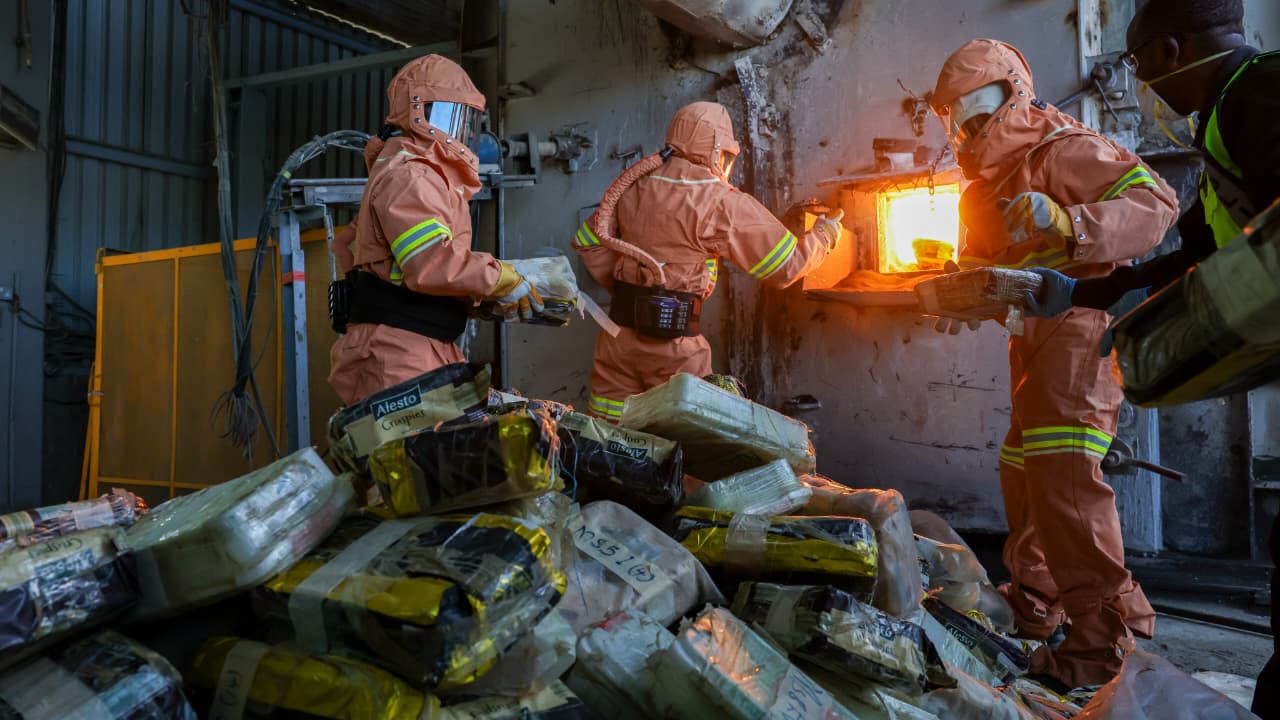
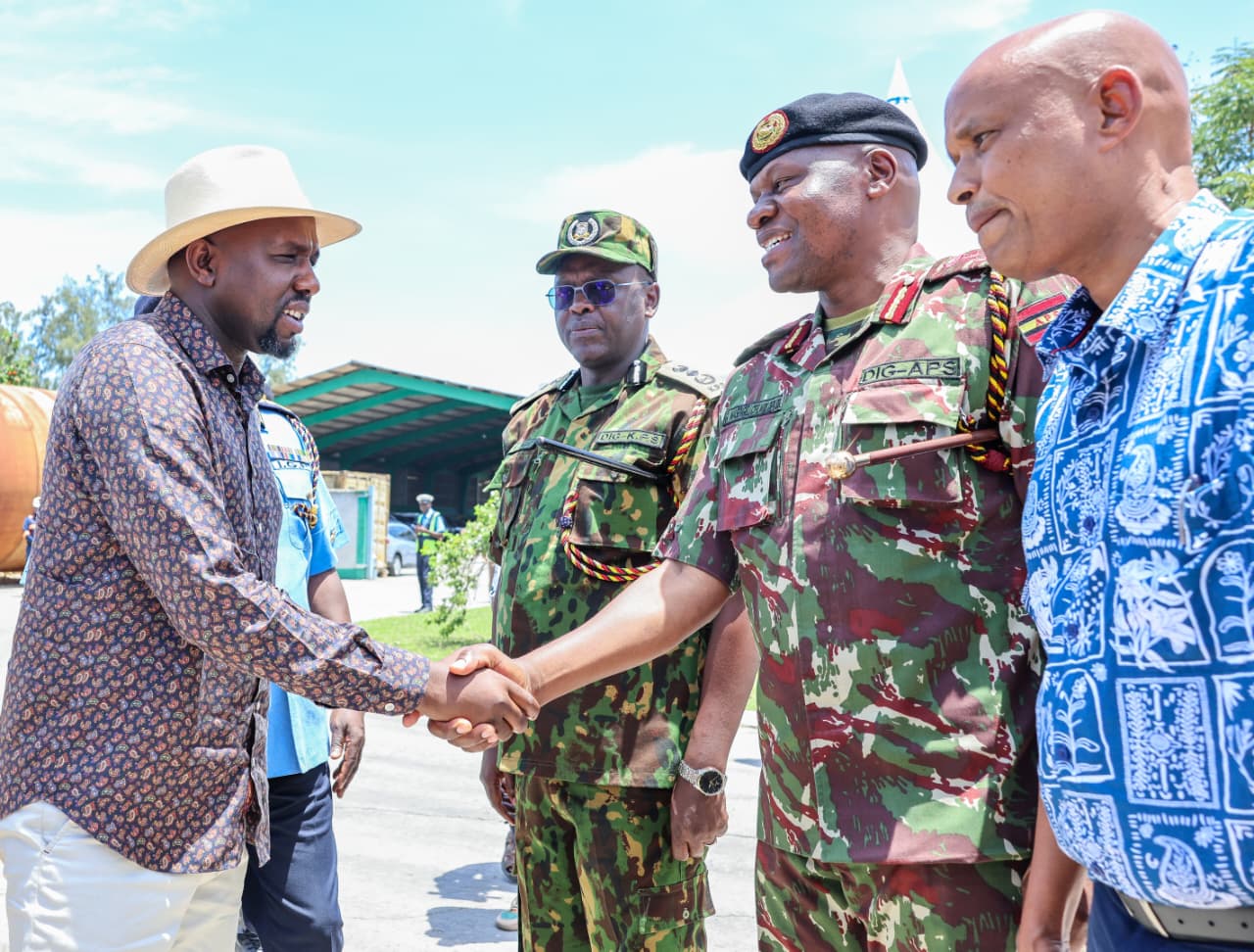
Interior CS Kipchumba Murkomen has overseen the destruction of narcotics worth Sh8.2 billion at Bamburi Cement Factory in Mombasa, including more than 1,000kg of methamphetamine seized in the Indian Ocean last October.
-
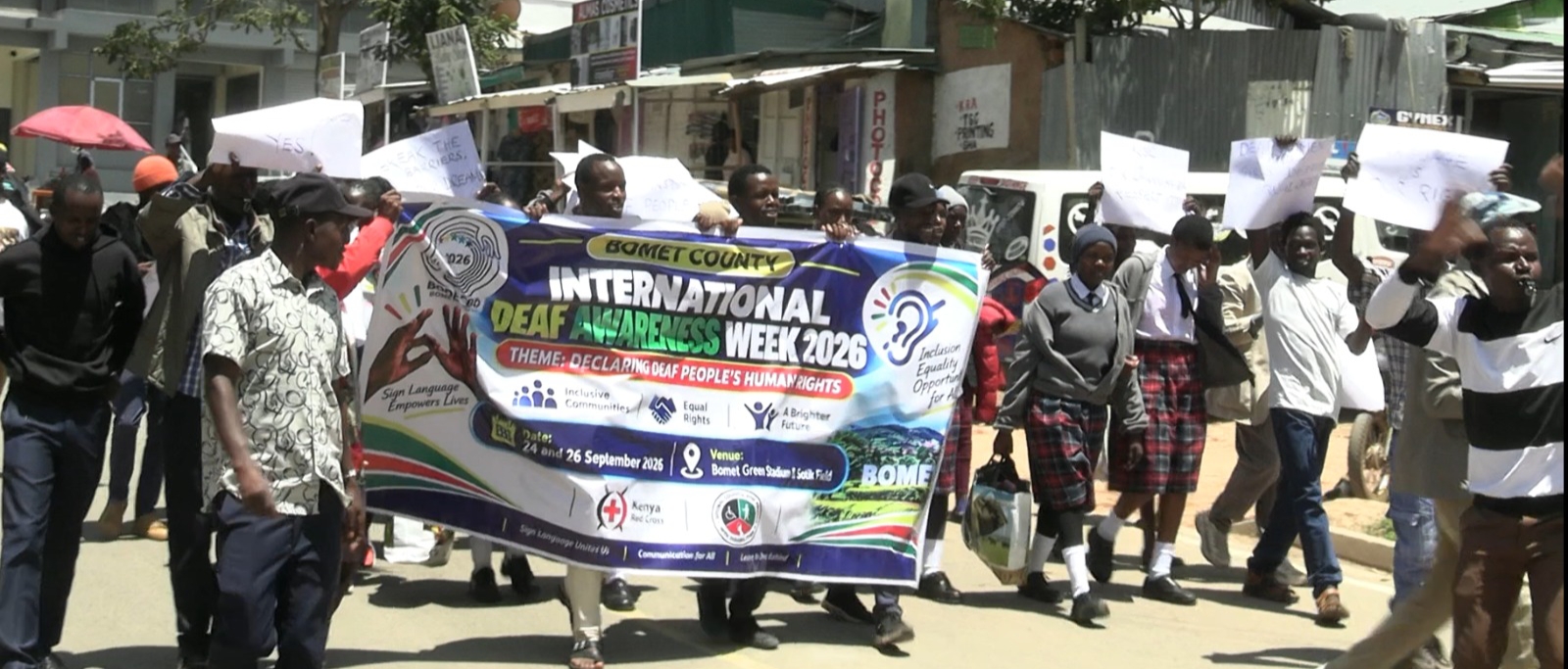
Bomet Green Stadium hosted activities marking International Week of Deaf People, bringing together members of the Deaf community, families, advocates and other stakeholders to raise awareness about the rights, dignity, language and inclusion of Deaf people. The event highlighted the importance of Ke
-
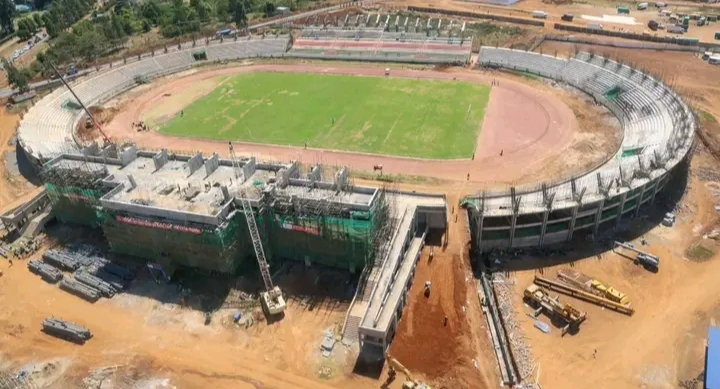
Kipchoge Keino Stadium in Eldoret is undergoing a major transformation as the government accelerates preparations ahead of the 2026 Mashujaa Day celebrations scheduled for October 20. Defence Principal Secretary Patrick Mariru has toured the facility to assess progress and monitor the ongoing works,
-
Interior CS Kipchumba Murkomen is overseeing the destruction of methamphetamine worth Sh8.2 billion at Bamburi Cement Factory in Mombasa. The more than one-tonne narcotics consignment was seized by a multi-agency security team in the Indian Ocean last year.
-
UASU's announcement today marks a significant escalation in the ongoing dispute over lecturers' employment terms and the financing of public universities. The union has issued a seven-day strike notice and says lecturers could down their tools on October 2, 2026, unless the 2025–2029 CBA and relat
-
IEBC Commissioner Dr. Ann Nderitu has emphasized the importance of ensuring that Deaf Kenyans can participate fully and equally in the country’s electoral process as preparations for the 2027 General Election continue. The focus includes accessible voter education, Kenyan Sign Language interpretat