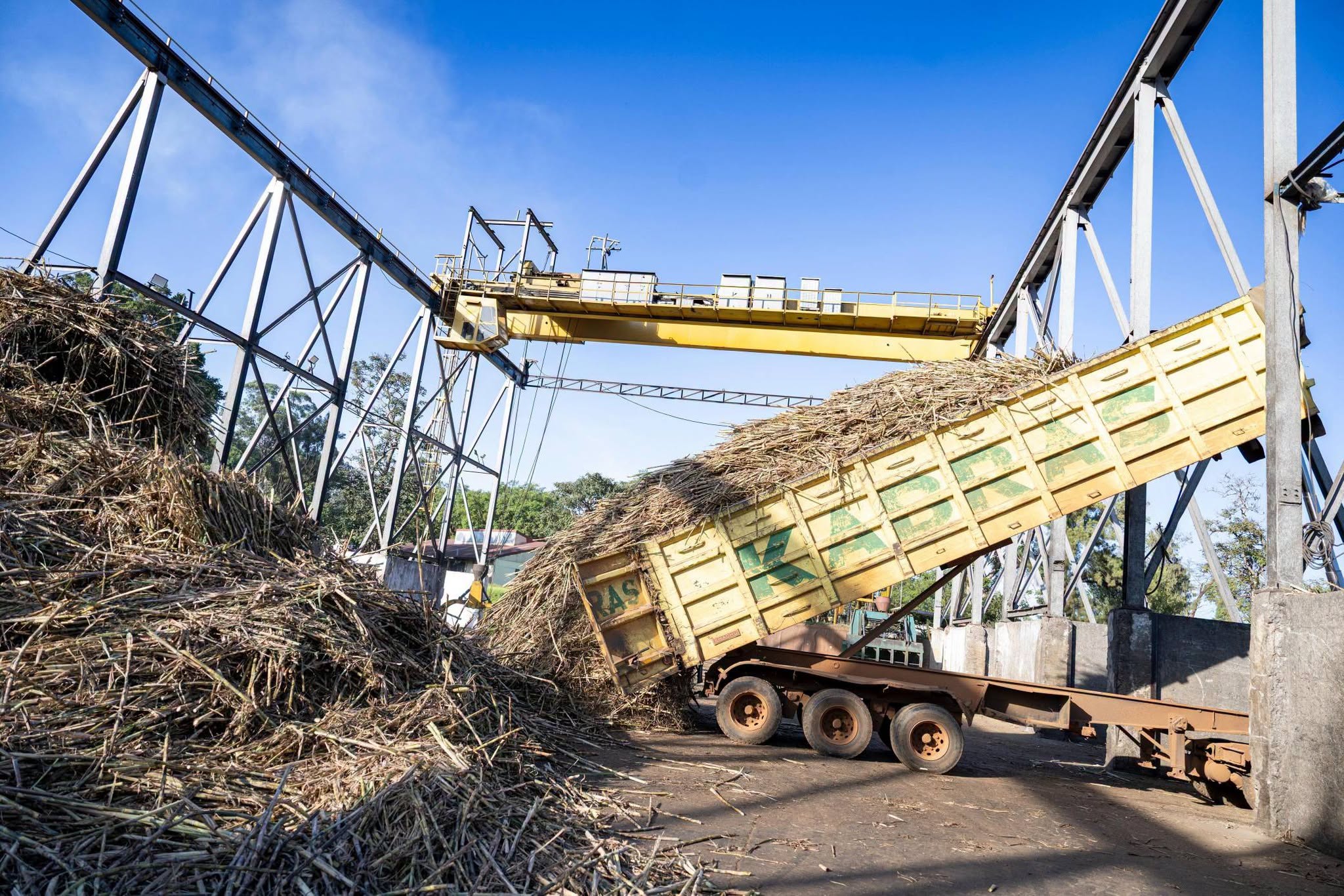
PRESIDENT RUTO DISTRIBUTES KSH195 MILLION BONUS TO SUGARCANE FARMERS IN BUNGOMA
President William Ruto has issued bonus cheques worth KSh195 million to sugarcane farmers in Bungoma County during an engagement with growers affiliated with Nzoia Sugar Factory in Kanduyi. The payment forms part of the KSh1.2 billion allocated by the government to reward and support sugarcane farmers across the Western sugar belt. The initiative is aimed at recognising farmers' contribution to the country's sugar industry, improving their livelihoods and encouraging continued investment in sugarcane production. The bonus payments are expected to provide financial relief to growers, enabling them to meet household expenses, purchase farm inputs and reinvest in their agricultural activities. The move also highlights the government's efforts to strengthen the sugar sector, address challenges facing farmers and improve the performance of local sugar factories. Sugarcane farming remains a major economic activity in Bungoma and neighbouring counties, supporting thousands of households through farming, transportation, factory operations and related businesses. The latest disbursement comes amid continued calls for better returns, timely payments and sustainable reforms to ensure farmers benefit more from their agricultural efforts.
President William Ruto has issued bonus cheques worth KSh195 million to sugarcane farmers in Bungoma County, marking another step in the government's efforts to support sugarcane production and improve the livelihoods of farmers across the Western sugar belt.
The payments form part of a broader KSh1.2 billion allocation set aside for sugarcane farmers in the Western region, with the funds intended to reward growers and strengthen their participation in the country's sugar industry.
The distribution exercise took place in Bungoma, where farmers associated with Nzoia Sugar Factory received bonus payments in recognition of their contribution to sugarcane production. The initiative is expected to provide financial relief to growers while encouraging continued investment in the agricultural sector.
Speaking during the event, President Ruto expressed satisfaction with the progress made in supporting sugarcane farmers, describing the payment exercise as an important development for an industry that has faced numerous challenges over the years.
The President noted that supporting farmers remains a priority for his administration, particularly in agricultural sectors that provide employment and income to thousands of households. He maintained that the government is committed to strengthening the sugar industry through interventions aimed at improving productivity, supporting growers and ensuring that farmers receive better returns from their agricultural activities.
The KSh195 million payment represents part of the wider financial commitment targeting sugarcane farmers across the Western sugar belt. The remaining allocation is expected to benefit other growers in the region, depending on the applicable payment arrangements and eligibility requirements.
For many farmers in Bungoma and neighbouring counties, sugarcane farming remains an important economic activity. The crop supports household incomes, creates employment opportunities and provides raw materials for sugar factories operating within the region.
The industry also supports several other economic activities, including transportation, harvesting, agricultural input supply and small businesses that depend on the movement and processing of sugarcane.
The latest bonus payments are therefore expected to have an impact beyond individual farmers, with the financial benefits potentially extending to local businesses and communities that rely on the sugar economy.
The government's decision to allocate KSh1.2 billion towards bonus payments reflects its continued focus on addressing challenges affecting sugarcane growers in Western Kenya.
For years, farmers in the sugar-producing regions have raised concerns about delayed payments, low returns, high production costs and difficulties accessing reliable markets for their produce.
These challenges have affected the ability of some growers to maintain their farms, purchase agricultural inputs and expand sugarcane production.
In some instances, farmers have struggled to meet basic household expenses while waiting for payments from sugar factories after delivering their cane.
The situation has also affected confidence in the industry, with some growers questioning whether sugarcane farming can provide sustainable income compared with other agricultural activities.
Through the latest payment initiative, the government is seeking to recognise the contribution of farmers while providing additional financial support to households involved in sugarcane production.
President Ruto's administration has repeatedly emphasised the importance of agriculture as a major driver of economic growth, job creation and food security.
The agricultural sector remains a significant source of livelihood for millions of Kenyans, with farmers producing crops that support both domestic consumption and industrial processing.
Sugarcane farming is particularly important in parts of Western Kenya, where the crop has supported rural economies for generations.
The government has consequently identified the need to improve the performance of the sugar industry by addressing production challenges and strengthening the relationship between farmers, factories and other stakeholders.
The bonus payments are among the interventions intended to improve farmers' financial position and encourage greater participation in the sector.
Nzoia Sugar Factory is among the key sugar-processing facilities serving farmers in the Western region. Its operations have a significant connection to the economic activities of Bungoma and surrounding areas, where thousands of households depend directly or indirectly on sugarcane farming.
The factory provides a market for sugarcane growers, while its operations support employment and other commercial activities within the surrounding communities.
The distribution of the KSh195 million bonus is therefore significant to farmers who depend on sugarcane production as their main source of income. The payments are expected to help growers meet some of their financial obligations and improve their ability to sustain agricultural activities.
Sugarcane farming requires considerable investment, particularly in land preparation, planting materials, fertilisers, weed control, harvesting and transportation. Farmers must also wait for the crop to mature before harvesting and delivering it to processing factories.
This means growers often require financial resources to maintain their farms throughout the production cycle.
The additional payments could provide some relief to farmers who have invested their resources in sugarcane production and are looking forward to improved returns.
For small-scale farmers, in particular, additional income can make a difference in meeting household needs, supporting children's education, accessing healthcare and reinvesting in agricultural activities.
The bonus distribution also comes amid continued calls for reforms in the sugar industry to ensure that farmers receive fair compensation for their produce and that factories operate efficiently.
Western Kenya is one of the country's major sugar-producing regions, with Bungoma, Kakamega, Busia and neighbouring areas supporting extensive sugarcane-growing activities.
The crop has historically played an important role in the economic development of these counties, providing income opportunities for rural households and supporting businesses involved in agricultural production.
Beyond the farmers themselves, the sugar industry creates opportunities for transporters, cane cutters, factory employees, agricultural suppliers and traders.
Sugarcane harvesting and transportation also provide seasonal employment to individuals who depend on agricultural activities for their livelihoods.
When farmers receive payments for their produce, the money circulates within local economies through spending on household necessities, school fees, construction, farm inputs and other services.
The KSh1.2 billion allocation targeting farmers across the Western sugar belt is therefore expected to benefit a wider network of people whose livelihoods are connected to sugar production.
However, the long-term performance of the industry will depend on more than bonus payments. Farmers also require reliable markets, timely payments, affordable production inputs and efficient processing facilities.
Ensuring that factories have the capacity to process harvested cane without unnecessary delays is equally important in protecting farmers from losses.
Sugarcane is a crop that requires proper harvesting and timely delivery for processing. Delays can affect the quality of the produce and potentially reduce the returns available to growers.
Consequently, farmers and industry stakeholders continue to place emphasis on improving the relationship between sugar factories and cane producers.
For sugarcane farmers in Bungoma County, the latest payments provide an opportunity to receive additional financial support following their contribution to the industry.
Many rural households depend on agricultural earnings to meet daily expenses, making the availability of reliable income an important consideration when deciding whether to continue investing in farming.
The bonus initiative is expected to encourage growers to maintain their farms and continue supplying sugarcane to processing facilities.
It may also provide farmers with additional resources to purchase fertilisers, prepare their land and manage their crops as they plan for subsequent harvesting seasons.
The payments could further strengthen confidence among growers who have continued to face challenges associated with the cost of production and the sustainability of sugarcane farming.
Nevertheless, farmers will continue to expect broader measures that address longstanding problems within the industry.
These include improving the efficiency of sugar factories, ensuring transparency in payments, supporting agricultural extension services and establishing mechanisms that protect farmers from unfair practices.
There is also a need to encourage modern farming methods that can improve productivity while reducing the cost of production.
Access to quality planting materials, appropriate fertilisers and reliable agricultural information can help farmers improve yields and maximise the value of their land.
The government's continued engagement with farmers and industry stakeholders will therefore remain important in determining the future of sugar production in the region.
President William Ruto has consistently placed agriculture among the key sectors through which his administration intends to promote economic growth and improve household incomes.
The government has pursued different interventions targeting farmers, including support for agricultural inputs, improved market access and initiatives aimed at strengthening agricultural value chains.
The sugar industry forms part of this broader agricultural agenda because of its importance to employment, rural development and manufacturing.
The latest KSh1.2 billion allocation demonstrates the financial commitment directed towards supporting sugarcane growers in the Western region.
By issuing KSh195 million in bonus cheques to farmers in Bungoma, the President has highlighted the importance of recognising growers' contributions to the sugar industry.
The initiative also provides an opportunity for the government to demonstrate its engagement with agricultural communities that have repeatedly called for assistance and improved working conditions within the sector.
However, the success of such interventions will ultimately depend on their implementation and the extent to which farmers experience meaningful improvements in their earnings and production activities.
Despite the importance of the bonus payments, the sugar sector continues to face structural challenges that require long-term solutions.
One of the major concerns among growers has been the need for predictable and timely payments after delivering sugarcane to factories.
Farmers invest considerable resources in producing the crop and expect to receive compensation within reasonable timelines.
When payments are delayed, growers may struggle to finance subsequent farming activities, forcing some to reduce production or seek alternative sources of income.
There are also concerns surrounding the cost of agricultural inputs, transportation expenses and the availability of sufficient processing capacity.
Addressing these issues requires cooperation between the national government, county administrations, factory management and farmers' representatives.
Improving factory operations and ensuring that growers have access to reliable markets would help create a more sustainable environment for sugarcane production.
Additionally, investment in modern processing technology could improve efficiency and strengthen the industry's ability to compete in the domestic market.
The government will also need to continue addressing issues affecting the availability and affordability of locally produced sugar.
A stronger domestic sugar industry could create more opportunities for farmers, support manufacturing and reduce the challenges associated with maintaining a reliable local supply.
The KSh195 million distributed to sugarcane farmers in Bungoma is expected to provide an important financial boost to the beneficiaries and the surrounding communities.
As farmers receive their payments, the funds could support household spending, agricultural investments and other economic activities across the county.
The wider KSh1.2 billion allocation also places attention on the contribution of sugarcane growers throughout the Western sugar belt.
For communities that have depended on the sugar industry for generations, improving the welfare of farmers remains an important part of securing rural livelihoods.
The latest exercise therefore represents more than a financial distribution, as it also highlights the continuing importance of agriculture in Kenya's economic development.
President Ruto's engagement with sugarcane farmers in Bungoma is expected to remain part of the broader conversation about improving agricultural productivity, supporting local industries and ensuring that farmers benefit from their work.
As the government continues implementing its agricultural programmes, attention will remain on whether the interventions translate into better earnings, reliable markets and improved living conditions for sugarcane-growing households.
Farmers in Bungoma and other parts of Western Kenya, the immediate focus is on receiving the promised support and ensuring that the sugar industry becomes more reliable and financially sustainable.
The KSh195 million payment marks a significant development in the ongoing effort to support sugarcane growers, while the wider KSh1.2 billion allocation underscores the government's stated commitment to strengthening the Western sugar belt and improving the welfare of farming communities.

You Might Also Like
-
Kenyan households and businesses are set to face changes in their November electricity bills following three tariff adjustments announced by the Energy and Petroleum Regulatory Authority (EPRA). The changes include a KSh3.54 per kilowatt-hour fuel cost charge, alongside foreign exchange and water re
-
Former Deputy President Rigathi Gachagua has held discussions with United Nations Office at Nairobi Director-General Zainab Bangura, focusing on Kenya's political environment, human rights concerns, democratic governance and the country's engagement with international institutions. The meeting comes
-
Health Cabinet Secretary Aden Duale has reaffirmed Kenya's commitment to strengthening healthcare systems across Africa, saying the country will use its position on the Africa CDC Governing Board to champion local production of medicines and medical supplies, enhance cross-border health security and
-
The Ethics and Anti-Corruption Commission (EACC) has outlined several corruption-related cases scheduled to proceed in courts across Kenya this week, with various matters lined up for hearings, rulings, judgments and mentions. The proceedings form part of ongoing efforts to address corruption allega
-
A man from Nyando, Kisumu County, has been sentenced to life imprisonment after being convicted of defiling a three-year-old girl whom he allegedly lured into his house under the pretence of offering her tea in July 2025. The court found the prosecution had proved the case beyond reasonable doubt be
-
National Assembly Speaker Moses Wetangula has expressed interest in succeeding President William Ruto after the completion of his second term, declaring that he has the energy, experience and commitment required to lead the country. Wetangula says he is prepared to build on the development progress