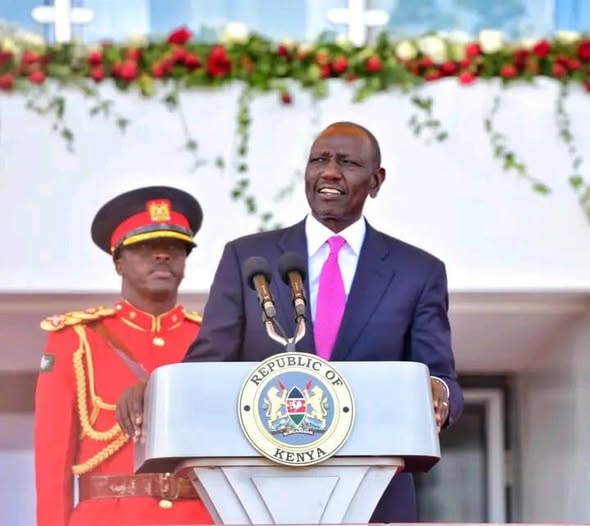
Ruto Announces Proposed PAYE Exemption for Kenyans Earning Sh32,333 and Below
Writing President William Ruto has announced proposals to exempt Kenyans earning Sh32,333 or less per month from PAYE tax, alongside a separate plan to waive stamp duty on land transactions valued at Sh1 million or below. The proposed measures aim to ease the financial burden on low-income workers and reduce property transfer costs, potentially giving eligible employees more disposable income while making qualifying land transactions more affordable. The proposals are subject to the relevant approval and implementation processes.
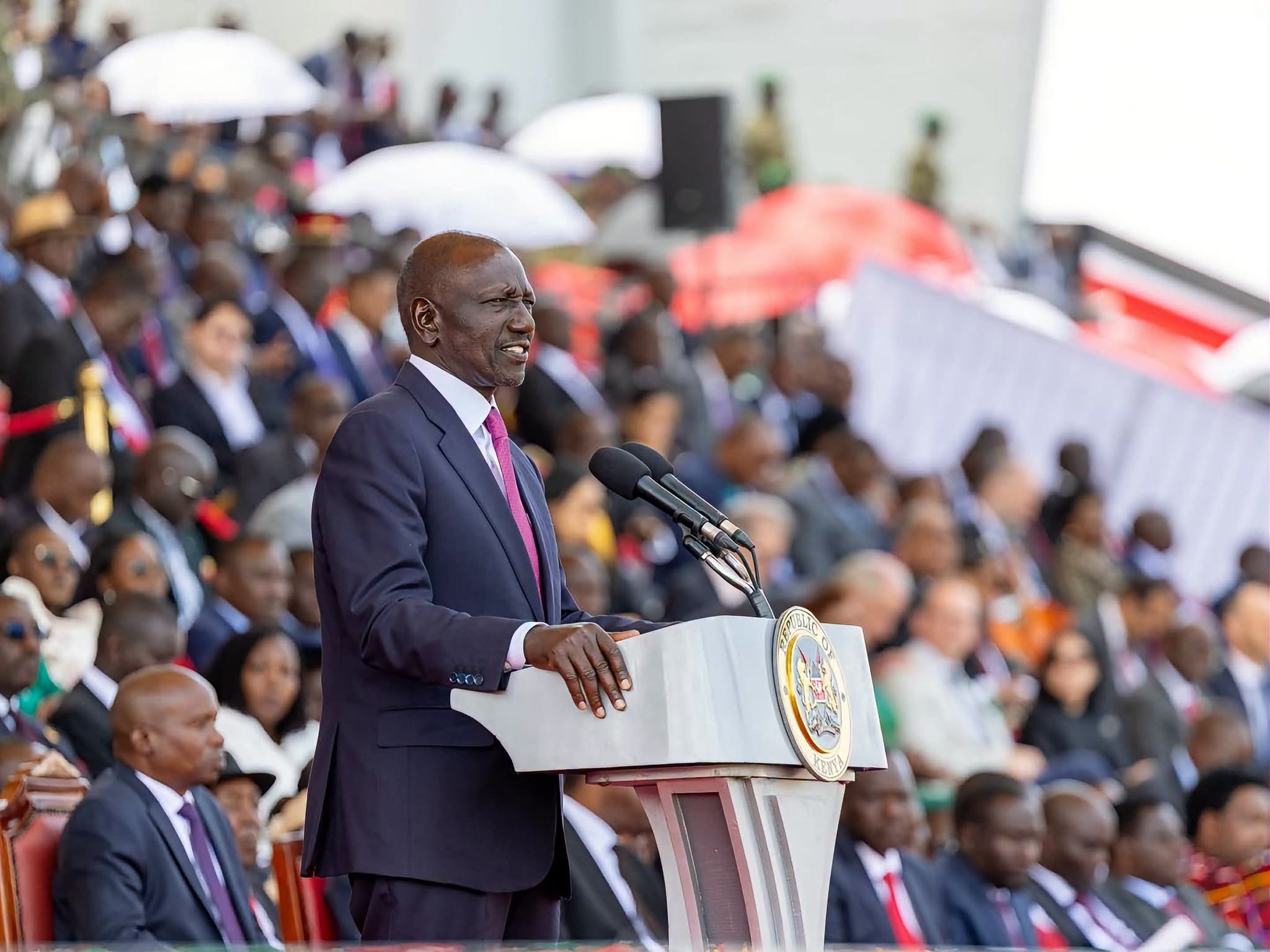
President William Ruto has announced that the government has prepared proposals to exempt Kenyans earning Sh32,333 or less per month from Pay As You Earn (PAYE) tax, in a move aimed at reducing the tax burden on low-income workers and improving their disposable income.
The President also revealed that the National Treasury has developed proposals to exempt land transactions valued at Sh1 million or less from stamp duty, a measure that could lower the costs associated with transferring ownership of lower-value properties.
The proposed changes target two areas of taxation that affect different groups of Kenyans: income tax paid by salaried employees and stamp duty charged on qualifying property transactions. If approved and implemented, the measures could provide financial relief to eligible workers and people involved in purchasing or transferring land within the proposed value threshold.
The announcement comes amid ongoing public discussions about taxation, the cost of living, household budgets and access to affordable property. Many Kenyans continue to balance their monthly incomes against expenses such as rent, food, transport, school fees, healthcare and utility bills.
For workers earning modest salaries, deductions can significantly affect the money available for daily needs. Similarly, the costs associated with land transactions can make property ownership more expensive, particularly for individuals purchasing smaller parcels of land.
The proposed PAYE exemption is intended to allow eligible workers to retain more of their earnings, while the proposed stamp duty exemption seeks to reduce the financial obligations associated with qualifying land transactions.
However, the measures remain proposals, and their implementation will depend on the applicable legal and administrative processes. The final details, including eligibility requirements and the effective date, will be important in determining how the changes affect workers and property buyers.
Proposed PAYE Exemption for Low-Income Workers
One of the main measures announced by Ruto is the proposal to exempt employees earning Sh32,333 or less per month from PAYE.
PAYE is the system through which employers deduct applicable income tax from employees' salaries and remit the money to the Kenya Revenue Authority. It enables the government to collect income tax from salaried workers regularly.
For employees earning modest incomes, income tax deductions can affect their ability to meet household expenses and save for the future. A change to the PAYE framework could therefore influence the amount of money some workers take home each month.
If the proposed exemption is approved and implemented as outlined, eligible employees could retain more of their salaries instead of having PAYE deducted from their earnings.
The additional money could help workers pay rent, purchase food, cover transport costs, meet school expenses and manage healthcare bills. Some may also use the extra income to repay debts, build emergency savings or support small businesses.
The extent of the benefit would depend on the final rules governing eligibility and the treatment of different categories of income.
It will also be important for the government to clarify whether the threshold will be based on gross monthly earnings, taxable income or another measure specified in the final policy.
Clear guidance would help employers, employees and tax administrators understand how the proposed exemption should be applied.
What the Proposal Could Mean for Employees
For many salaried Kenyans, the difference between gross salary and take-home pay is an important consideration when planning household spending.
Gross salary refers to earnings before applicable deductions, while take-home pay is the amount an employee receives after taxes and other deductions have been applied.
PAYE is one of the deductions that may affect an employee's final earnings. Other statutory contributions and authorised deductions may also apply, depending on the relevant laws and an individual's circumstances.
A PAYE exemption would therefore not necessarily eliminate every deduction from an employee's payslip. Instead, its direct effect would relate to the income tax covered by the proposed measure.
For workers whose earnings fall within the specified threshold, the proposed change could provide additional room in their monthly budgets.
Households could use the money to manage rising expenses, particularly where a large share of earnings goes towards basic necessities.
For example, an employee who struggles to balance rent, food and transport costs may find it easier to manage these expenses if their take-home pay increases.
Others may use the additional money to save for emergencies or meet expenses that would otherwise require borrowing.
However, the actual financial benefit will depend on the final policy and the amount of PAYE an eligible employee would otherwise have paid.
The proposal should therefore be understood as a potential tax relief measure rather than a guarantee that every worker earning below the stated threshold will receive the same increase in take-home pay.
National Treasury Proposes Stamp Duty Relief on Land Transactions
Alongside the proposed PAYE exemption, Ruto announced that the National Treasury has developed proposals to exempt land transactions valued at Sh1 million or less from stamp duty.
Stamp duty is a tax associated with certain legal instruments and property transactions. In land transfers, it forms part of the costs that buyers may need to meet when completing the process of acquiring property.
These expenses can increase the total amount required to complete a transaction, beyond the agreed purchase price.
For people purchasing lower-value land, additional charges may represent a significant financial consideration, particularly when combined with legal fees, registration expenses and other transaction-related costs.
The proposed exemption seeks to reduce this burden for eligible transactions falling within the stated value limit.
If implemented, the measure could make it less expensive for some buyers to complete land transfers and could provide relief to individuals seeking to acquire modestly valued properties.
It may also benefit people transferring qualifying land under circumstances covered by the final rules.
However, the exact impact will depend on how the government defines eligible transactions, determines property values and applies the exemption.
The proposal does not automatically mean that every expense associated with purchasing land would be removed. Other applicable costs and legal requirements may remain in place.
Buyers would therefore need to understand the final rules before calculating the total amount required to complete a land transaction.
Potential Benefits for First-Time Land Buyers
Land ownership remains an important financial goal for many Kenyans. Some people purchase land to build homes, while others view it as a long-term investment or an asset to pass on to their families.
For first-time buyers, the total cost of a transaction can be a major obstacle. Even when a parcel of land is relatively affordable, additional charges can increase the amount required to complete the purchase.
Reducing stamp duty on qualifying transactions could ease one part of this financial burden.
For example, a buyer purchasing land valued at Sh900,000 could potentially benefit if the proposed exemption covers the transaction and the final rules are applied as announced.
The precise saving would depend on the applicable stamp duty rules and the terms of the approved exemption.
Lower transaction costs could make it easier for some buyers to plan their finances and complete property purchases.
The proposal may also be relevant to households that are saving gradually to acquire land for future residential development.
However, affordability depends on more than stamp duty alone. Buyers must also consider the purchase price, access to financing, legal expenses, registration requirements and the availability of essential services near the property.
Before completing a purchase, prospective buyers should also verify ownership documents and ensure that the transaction complies with the relevant legal requirements.
The proposed relief could reduce some costs, but it would not remove the need for careful financial planning and proper property due diligence.
The Government's Wider Tax Policy Direction
The two proposals reflect an effort to review how taxation affects workers and people undertaking certain property transactions.
Tax policy plays an important role in financing public services and supporting government operations. At the same time, the structure of taxes can influence household spending, investment decisions and the ability of individuals to acquire assets.
Income tax affects the amount of money employees retain from their earnings, while taxes on property transactions influence the total cost of buying or transferring land.
Changes to these taxes can therefore have different effects across the economy.
A PAYE exemption for eligible low-income earners could increase disposable income for workers covered by the measure. A stamp duty exemption could reduce the transaction costs faced by eligible land buyers and sellers, depending on the final provisions.
The government would also need to consider how the proposals affect public revenue and how any resulting changes fit into the broader budget framework.
Tax relief measures must be assessed alongside the government's responsibility to finance essential services, including healthcare, education, infrastructure and other public programmes.
The challenge is to balance the need for revenue with the financial pressures facing households and businesses.
Clear policy communication will be important in helping citizens understand who qualifies for relief, how the measures will operate and when any approved changes will take effect.
Implementation and Public Awareness
For the proposed measures to achieve their intended objectives, the government will need to provide clear guidance on their implementation.
For the PAYE exemption, employers and payroll administrators would need to understand the eligibility criteria and the procedures for applying any approved changes to salary deductions.
Employees would also need accessible information explaining how the exemption affects their tax obligations and whether they must take any action to benefit from it.
For the proposed stamp duty exemption, land buyers, sellers, lawyers and property registration officials would need to understand which transactions qualify and how the property value threshold will be applied.
Clear procedures could reduce confusion and help ensure that eligible transactions receive the intended treatment.
Public awareness would be especially important for people who do not regularly interact with tax authorities or professional advisers.
The government would also need to communicate the effective date of any approved changes to avoid situations in which taxpayers assume a proposal is already operational.
Until the necessary measures are formally adopted and take effect, workers and property buyers should distinguish between an announced proposal and an exemption that can already be claimed.
Conclusion
President William Ruto has announced proposals to exempt Kenyans earning Sh32,333 or less per month from PAYE and to remove stamp duty on eligible land transactions valued at Sh1 million or below.
The proposed PAYE exemption is intended to ease the tax burden on lower-income workers and potentially increase the money they retain from their salaries. The proposed stamp duty relief seeks to reduce the cost of qualifying land transfers and make some property transactions less expensive.
Both measures address financial obligations that can affect household budgets, although their actual benefits will depend on the final rules and implementation arrangements.
The government will need to clarify eligibility requirements, establish the relevant procedures and communicate when any approved changes take effect.
For workers, the key consideration will be whether the PAYE proposal results in meaningful relief from income tax. For prospective land buyers, the focus will be on whether the stamp duty proposal lowers the cost of completing qualifying transactions.
Ultimately, the impact of the proposals will depend on how they are implemented and whether the intended beneficiaries can access the relief provided.
As the government continues reviewing its tax policies, public understanding, transparent administration and clear communication will be essential to ensuring that any approved measures deliver their intended benefits.

You Might Also Like
-
The decision by the PCEA congregation in Narok to break a longstanding taboo restricting unmarried men from church leadership marks a notable development in local religious life.A report on October 20 and another on October 19, 2026, the move challenges a tradition that treated marriage as a pre
-
President William Ruto has honoured nurse Jacobeth Jeptoo for her courage, compassion, and selfless service following the tragic February helicopter crash in Nandi County that claimed the lives of Emurua Dikirr MP Johana Ng’eno and five other people. The recognition highlights the vital role playe
-
Inspector General Douglas Kanja's approval of promotions for 1,948 police officers marks a significant development in Kenya's police administration following the Court of Appeal's October 16, 2026, judgment. The ruling resolved a major dispute over the authority to manage uniformed police officers,
-
Governor Jonathan Bii's speech during the October 20, 2026, Mashujaa Day celebrations in Eldoret placed the protection of fertile agricultural land and support for farmers at the centre of an important national discussion. His appeal was for Kenyans to balance the growing demand for housing with th
-
Ethiopian Prime Minister Abiy Ahmed's address at the 2026 Mashujaa Day celebrations in Eldoret centred on a clear message: Kenya and Ethiopia should transform their historical friendship into shared economic progress. He called for stronger trade, improved opportunities for farmers and producers, c
-
President William Ruto has praised Kenya’s broad-based government, commending leaders who set aside political differences to promote cooperation and national development. He noted that the partnership demonstrates how political competition can coexist with collective efforts to address the country