Sh3.6 Billion Drug Seizure in Kwale Raises Concerns Over International Trafficking Networks
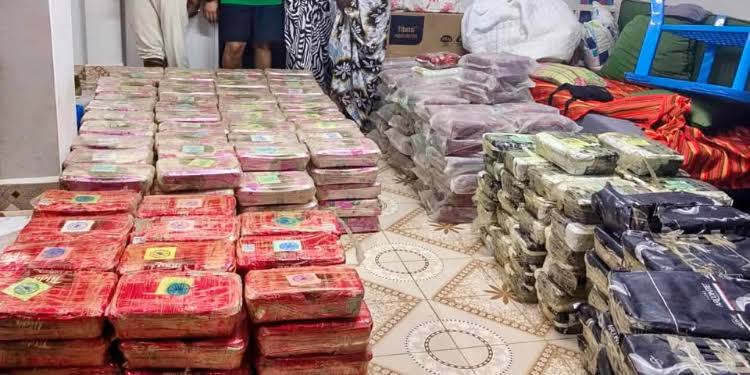
The recovery of narcotics estimated to be worth Sh3.6 billion in Kwale County has raised fresh concerns over Kenya’s growing exposure to international drug trafficking networks, highlighting the challenges facing security agencies in combating organised criminal activities. The major seizure has renewed calls for tighter border controls, enhanced maritime surveillance, improved intelligence gathering and stronger cooperation with international law enforcement agencies to disrupt illegal drug supply chains. It has also drawn attention to the need for sustained efforts to prevent criminal networks from exploiting Kenya’s transport routes while protecting communities from the security, social and economic consequences of drug trafficking and substance abuse.
The recovery of narcotics estimated to be worth Sh3.6 billion in Kwale County has raised fresh concerns about Kenya's growing exposure to international drug trafficking networks and the increasing threat posed by the illegal drug trade. The major seizure has drawn attention to the country's vulnerability to organised criminal groups operating across international borders and exploiting various transportation routes to move prohibited substances.
The incident has renewed discussions about the effectiveness of existing security measures, intelligence gathering and law enforcement operations aimed at disrupting drug trafficking activities. It has also highlighted the importance of strengthening cooperation between national security agencies and international partners in addressing the growing challenge.
Drug trafficking remains a major security, economic and social concern in many countries. Criminal organisations continue to develop sophisticated methods of transporting, concealing and distributing illegal substances, making it increasingly difficult for authorities to identify and intercept their operations.
Kenya's geographical position makes it an important commercial and transportation hub within East Africa. Its access to the Indian Ocean, international shipping routes, airports and regional road networks provides significant opportunities for trade, investment and economic development. However, these transportation connections can also be exploited by criminal organisations seeking to move illegal substances between countries and across continents.
The recovery of narcotics worth billions of shillings in Kwale has therefore highlighted the importance of strengthening surveillance and security operations, particularly in areas that may be vulnerable to international trafficking activities. It has also drawn attention to the need for authorities to remain vigilant against criminal networks that may attempt to exploit legitimate commercial activities.
The scale of the recovered substances presents an important challenge for investigators, who must establish their origin, intended destination and the individuals or organisations responsible for their movement. Such investigations require detailed intelligence, coordinated security operations and cooperation between different law enforcement agencies.
Beyond recovering the narcotics, authorities must establish whether the substances were part of a wider international trafficking operation. Identifying the people responsible for financing, transporting and distributing illegal drugs is essential in dismantling the networks behind the trade.
The financial value of the seized narcotics also demonstrates the enormous profits associated with international drug trafficking. Criminal organisations often operate through complex networks involving suppliers, transporters, distributors and financial intermediaries. These groups exploit demand for prohibited substances to generate substantial income while attempting to conceal their activities from law enforcement agencies.
The proceeds from illegal drug trafficking can also support other criminal activities, including money laundering, corruption and the financing of organised criminal groups. This makes it necessary for investigations to extend beyond the physical recovery of narcotics and examine the financial structures supporting the illegal business.
Authorities must therefore strengthen efforts to trace suspicious financial transactions, identify assets linked to trafficking activities and establish possible connections between local operations and international criminal organisations. Targeting the financial foundations of these networks could help disrupt their operations and prevent them from continuing to generate illegal profits.
The latest seizure has also placed renewed focus on security along Kenya's coastline. Coastal counties play a significant role in the country's economy through tourism, fishing, maritime transport, shipping and other commercial activities. Protecting these areas from criminal exploitation is therefore important for both national security and economic stability.
Kwale County, like other coastal regions, benefits from its proximity to the Indian Ocean and established maritime connections. However, maintaining effective security in such areas requires continuous surveillance, modern equipment and sufficient coordination among agencies responsible for monitoring activities along the coastline.
Improved maritime patrols, intelligence sharing and cooperation between security institutions could help identify suspicious movements and prevent illegal substances from reaching their intended destinations. Strengthening monitoring systems at ports and other entry points could also contribute to the detection of prohibited goods.
The involvement of international criminal networks means Kenya cannot effectively address drug trafficking through domestic enforcement operations alone. Cooperation with neighbouring countries and international law enforcement agencies remains essential in investigating cross-border criminal activities and tracing the movement of illegal substances.
International cooperation can also improve the exchange of intelligence, strengthen investigations and support coordinated operations against individuals and organisations involved in the illegal drug trade. Criminal networks often operate across several jurisdictions, making collaboration between countries necessary to identify and apprehend those responsible.
The seizure has further highlighted the importance of strengthening the capacity of security agencies through training, modern technology and adequate operational resources. Officers involved in combating drug trafficking require specialised skills to identify suspicious activities, conduct investigations and gather evidence that can support successful prosecutions.
At the same time, effective coordination between different government institutions is necessary to avoid gaps that criminal organisations could exploit. Sharing relevant information and responding quickly to intelligence reports can improve the ability of authorities to prevent illegal activities before they develop into larger security challenges.
Beyond the security implications, drug trafficking has serious social and economic consequences for communities. The availability of illegal substances can contribute to substance dependency, increased crime, family difficulties and pressure on healthcare and rehabilitation services.
Young people remain particularly vulnerable to the effects of substance abuse, especially in communities where access to education, employment opportunities and rehabilitation programmes may be limited. The consequences can extend beyond individuals, affecting families, schools, workplaces and the wider community.
Addressing the drug problem therefore requires a comprehensive approach that tackles both the supply and demand sides of the illegal trade. While security agencies work to disrupt trafficking networks, public education programmes can help communities understand the dangers associated with substance abuse.
Rehabilitation services are equally important in supporting individuals struggling with drug dependency. Providing access to professional treatment, counselling and reintegration programmes can help affected individuals rebuild their lives and reduce the long-term effects of substance abuse.
Community participation also plays an important role in supporting security operations. Residents, community leaders and local institutions can help authorities identify suspicious activities by sharing relevant information through appropriate reporting channels.
However, community efforts must be supported by effective investigations, accountability and respect for the law. Individuals suspected of involvement in drug trafficking should be investigated and prosecuted through established legal procedures.
The government and other stakeholders also need to strengthen public awareness campaigns, particularly among young people, to discourage involvement in drug-related activities. Schools, religious institutions, community organisations and local leadership structures can contribute to these efforts by promoting responsible choices and encouraging access to support services.
The Sh3.6 billion narcotics recovery in Kwale has consequently renewed attention on Kenya's efforts to protect its borders and prevent international criminal organisations from exploiting the country's transportation and commercial infrastructure.
The incident also raises broader questions about the country's preparedness to deal with increasingly complex forms of organised crime. As international trafficking networks continue to evolve, security agencies must adapt their strategies to address emerging threats and strengthen their capacity to detect illegal activities.
As investigations into the seizure progress, attention will remain on the ability of authorities to establish the wider networks behind the recovered narcotics and hold those responsible accountable. Identifying the source of the substances, their intended destination and the individuals involved could provide important information about the operations of international trafficking groups.
The recovery of narcotics valued at Sh3.6 billion serves as a reminder of the scale of the challenge facing Kenya and the importance of sustained efforts to combat the illegal drug trade. Stronger border controls, improved maritime surveillance, effective intelligence systems, international cooperation and community awareness remain essential in addressing the problem.
The fight against drug trafficking requires a coordinated national and international response that goes beyond individual seizures. Dismantling the criminal organisations responsible for financing and distributing illegal substances will be critical in protecting communities, strengthening national security and preventing Kenya from becoming an attractive route for international drug trafficking networks.

You Might Also Like
-
Interior Cabinet Secretary Kipchumba Murkomen has reassured international partners that the government is strengthening security arrangements to ensure Kenya conducts peaceful 2027 General Elections. Speaking on Monday, November 9, 2026, during a meeting with Refugee Donor Group heads of mission, re
-
Deputy President Kithure Kindiki has reaffirmed the government’s commitment to equitable development, insisting that every region across Kenya deserves a fair share of national resources. He emphasised that no Kenyan is more important than another and that all citizens have equal rights, regardles
-
Kasarani Member of Parliament Ronald Karauri has officially joined the United Democratic Alliance (UDA) as he positions himself to contest the Nairobi gubernatorial seat in the 2027 General Election on the ruling party’s ticket. His move marks a significant political development as preparations fo
-
The Directorate of Criminal Investigations (DCI) has clarified that the 454-kilogram consignment of suspected methamphetamine seized in Kwale County originated from Pakistan and is not connected to the separate 1,036-kilogram narcotics shipment recovered from the vessel MV Mashala, which was traced
-
Police are investigating the tragic death of 17-year-old Michael Kimani, who was allegedly pushed from the ninth floor of an Airbnb apartment in Gwakairu in an incident that has left his family devastated and raised serious questions about the circumstances surrounding his death. The teenager’s pa
-
Principal Secretary for Internal Security and National Administration Dr. Raymond Omollo has officially opened the 12th cohort of the Kenya Coordinated Border Management Programme, reaffirming the government's commitment to strengthening national security and improving border operations. The program