SHA RELEASES KSH8.7 BILLION TO 8,208 HEALTHCARE FACILITIES NATIONWIDE
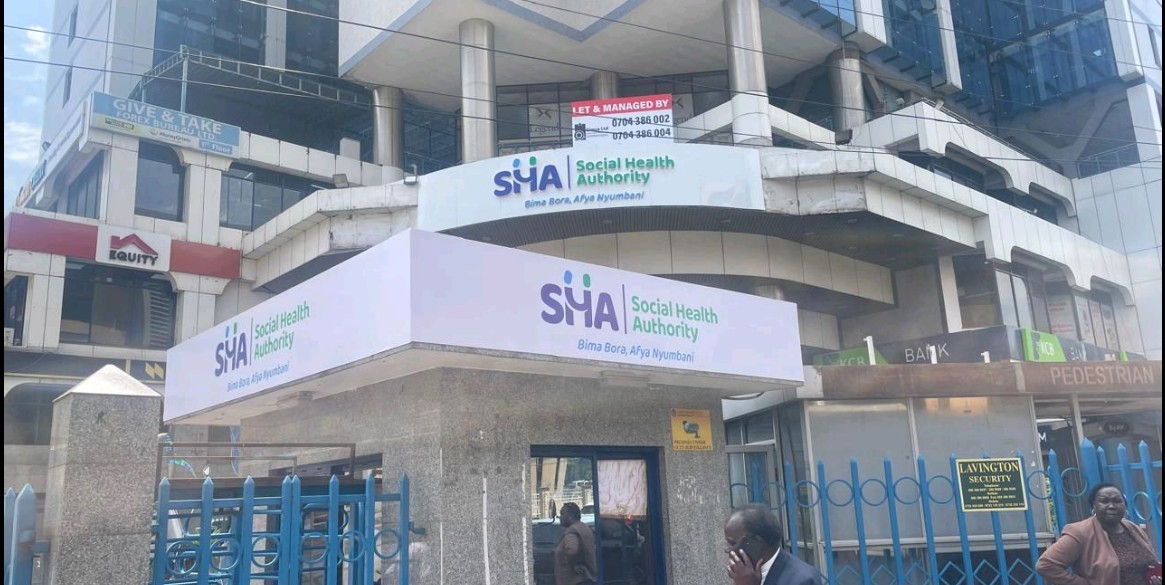
The Social Health Authority (SHA) has released KSh8.7 billion to 8,208 healthcare facilities across the country under its November 2026 payment cycle, in a move aimed at strengthening healthcare service delivery and supporting the day-to-day operations of medical institutions. The disbursement comprises approximately KSh7.82 billion allocated to 7,975 facilities under the Primary Health Care Fund (PHCF), while KSh874.8 million has been released to 233 facilities under the Emergency, Chronic and Critical Illness Fund (ECCIF). The funds are expected to help healthcare providers replenish essential medicines and medical supplies, meet operational expenses and maintain uninterrupted services for patients. The latest payment comes amid growing calls for timely reimbursements to enable hospitals and other healthcare providers to meet their financial obligations and sustain service delivery. SHA is expected to release the November payment schedule for providers under the Social Health Insurance Fund (SHIF) on Friday, November 27, 2026. The disbursement forms part of ongoing efforts to strengthen healthcare financing, improve access to medical services and support the government's transition towards a more accessible and sustainable healthcare system.
The Social Health Authority (SHA) has released KSh8.7 billion to 8,208 healthcare facilities across the country under its November 2026 payment cycle, in a move aimed at strengthening healthcare service delivery, supporting hospital operations and ensuring the continued availability of essential medical supplies.
The disbursement is expected to provide financial support to healthcare providers as they continue attending to patients under Kenya's healthcare financing system. The funds are intended to help hospitals, health centres and dispensaries meet their operational requirements, restock medicines and other medical commodities, and maintain the provision of essential services to the public.
According to the payment information released on Thursday, November 26, 2026, the allocation covers facilities benefiting from the Primary Health Care Fund (PHCF) and the Emergency, Chronic and Critical Illness Fund (ECCIF). These two funding arrangements form part of the government's broader healthcare financing framework, which seeks to improve access to medical services and support healthcare providers across different levels of the health system.
The Primary Health Care Fund received the largest share of the latest disbursement, amounting to approximately KSh7.82 billion. The allocation is being distributed among 7,975 healthcare facilities across the country, while the Emergency, Chronic and Critical Illness Fund has received approximately KSh874.8 million for 233 facilities.
The two allocations bring the total amount released under the November payment cycle to KSh8,698,722,375.15, representing approximately KSh8.7 billion.
The authority said the funds would enable healthcare facilities to sustain their daily operations, replenish medical supplies and maintain the delivery of essential healthcare services without unnecessary interruptions. The disbursement is also expected to support providers in meeting some of the financial demands associated with treating patients and maintaining functional health facilities.
The latest payments come at a time when healthcare providers continue to play a central role in implementing the country's health financing reforms. Hospitals and other medical facilities rely on predictable financial arrangements to purchase medicines, acquire medical equipment, maintain infrastructure and meet other operational costs.
For dispensaries and health centres offering primary healthcare services, consistent financing is particularly important because they serve as the first point of contact for many patients seeking medical attention. These facilities provide essential services within communities, helping residents access treatment without necessarily travelling long distances to major hospitals.
The Primary Health Care Fund is designed to support this level of healthcare delivery by financing services at the primary care level. Its allocations are therefore significant to facilities that provide routine consultations, basic treatment, preventive healthcare and other essential medical services.
Through improved financial support, healthcare providers can strengthen their capacity to respond to the medical needs of communities while reducing pressure on larger hospitals. A well-supported primary healthcare system can also help identify medical conditions earlier and improve the referral of patients who require specialised treatment.
The Emergency, Chronic and Critical Illness Fund, on the other hand, provides a separate financing arrangement for healthcare needs involving emergencies, chronic conditions and critical illnesses. Its allocation under the latest payment cycle is intended to support facilities participating in the fund as they provide services to patients requiring medical attention for these conditions.
The distribution of funds across the two programmes highlights the government's continued reliance on different financing arrangements to support healthcare delivery. By directing resources to both primary healthcare and emergency, chronic and critical illness services, the system seeks to address medical needs at different stages of treatment.
The release of the KSh8.7 billion is also significant for healthcare facilities that depend on reimbursements to sustain their operations. Hospitals must continuously maintain stocks of essential medicines, medical equipment and other supplies to ensure that patients receive the required attention whenever they visit.
Medical facilities also incur recurring expenses associated with electricity, water, maintenance, laboratory services and other administrative requirements. Delays in receiving payments can place pressure on these operations, particularly for facilities that attend to large numbers of patients and depend heavily on reimbursements for services provided.
The latest disbursement is therefore expected to provide some financial relief to the participating facilities as they continue delivering services. However, the actual impact will depend on how individual providers receive and utilise their allocations in addressing operational requirements and outstanding obligations.
The announcement comes amid continued discussions between healthcare providers and the authority over the timeliness of reimbursements, claims processing and the financial sustainability of health facilities operating under the new financing arrangements.
Some healthcare providers have previously raised concerns about delayed payments for services already offered to patients, arguing that outstanding claims can affect their ability to maintain operations and purchase essential medical supplies.
In early November 2026, the National Council of Churches of Kenya raised concerns over outstanding payments reportedly exceeding KSh10 billion owed to faith-based healthcare facilities. The organisation warned that prolonged delays could affect hospitals' ability to pay suppliers, maintain medicine stocks and meet staff-related obligations.
Private healthcare providers have also expressed concerns about delayed reimbursements, saying that facilities require predictable payments to continue offering services without experiencing serious financial difficulties.
These concerns have placed additional attention on SHA's payment systems, particularly the need to ensure that claims submitted by eligible healthcare providers are processed and settled within reasonable timelines.
The latest KSh8.7 billion release therefore comes against a background of growing expectations from hospitals and other providers for more consistent payment arrangements. While the disbursement covers thousands of facilities, questions surrounding outstanding claims and the processing of other reimbursement categories remain relevant to the wider implementation of the healthcare financing system.

You Might Also Like
-
Democracy for the Citizens Party (DCP) Leader Rigathi Gachagua has warned IEBC Chairperson Erastus Ethekon against presiding over an election marred by irregularities, insisting that Kenyans are determined to have a transparent, free and fair 2027 General Election. Gachagua maintained that there wou
-
President William Ruto on Thursday, November 26, 2026, presided over the fourth graduation ceremony at the National Defence University-Kenya in Lanet, Nakuru County, where he announced major initiatives aimed at strengthening national security, research and higher education. The President committed
-
The National Transport and Safety Authority (NTSA) has announced plans to suspend approximately 300,000 driving licences within seven days over unpaid traffic fines, giving affected motorists a limited period to clear their outstanding penalties and avoid losing their driving privileges. The planned
-
Energy and Petroleum Cabinet Secretary Opiyo Wandayi's appearance at the KenGen Sustainable Energy Conference in Olkaria on November 26, 2026, has highlighted the government's ambition to expand Kenya's energy industry. His announcement that KenGen could participate in oil drilling in the South Loki
-
Deputy President Kithure Kindiki has chaired a meeting of the United Democratic Alliance (UDA) National Steering Committee at Hustler Plaza in Nairobi to assess the party's preparedness for the 2027 General Election. The Thursday, November 26, 2026, meeting focused on strengthening party structures,
-
Jeremiah Kioni's resignation from Jubilee after 11 years marks a significant moment in Kenya's changing political landscape ahead of the 2027 General Election. Having served as Secretary General and Deputy Party Leader, the former Ndaragwa MP has decided to pursue his political ambitions outside the