Thousands Flock to Eldoret as Kenya Celebrates Mashujaa Day 2026: Honouring Heroes, Freedom Fighters and National Pride
Kenya's Mashujaa Day celebrations on October 20, 2026, at Kipchoge Keino Stadium in Eldoret bring together history, patriotism, culture and national development. The large crowds, ceremonial activities and recognition of outstanding Kenyans reflect the importance of honouring people whose contributions have shaped the nation. The event also highlights the North Rift's sporting heritage and economic potential, while focusing attention on security, sports and the economy. Most importantly, Mashujaa Day reminds Kenyans that heroism is not confined to the past. It can be demonstrated through honesty, courage, compassion, innovation and service to others.
Kenya marks Mashujaa Day on October 20 every year, a national public holiday dedicated to honouring the heroes and heroines who contributed to the country's independence, freedom, unity and development. The celebrations bring together national leaders, government officials, security officers, community representatives and ordinary citizens to reflect on the sacrifices made by previous generations and the responsibility of building a better future for the country.
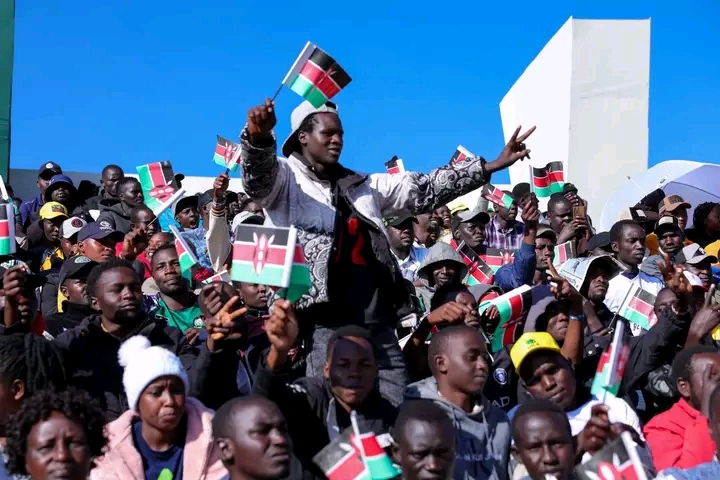
Mashujaa Day 2026 falls on Tuesday, October 20. The occasion is particularly significant because it provides Kenyans with an opportunity to celebrate the country's history, recognise individuals who have made outstanding contributions to society and reflect on the values that should guide the nation.This year's celebrations in Eldoret, Uasin Gishu County, focus national attention on the North Rift region, with Kipchoge Keino Stadium serving as the venue for the national event. Preparations ahead of the celebrations have attracted considerable public interest, including the inspection of the stadium, security arrangements and the arrival of thousands of Kenyans who gathered ahead of the ceremony.
Beyond the formal speeches and colourful displays, Mashujaa Day serves as a reminder that Kenya's independence was achieved through determination, sacrifice and the collective efforts of many people whose contributions deserve recognition.The meaning of Mashujaa Day goes beyond remembering historical figures. It is an occasion to celebrate courage, patriotism, sacrifice, integrity, innovation and service to the community. Heroes can be found in many parts of society, including education, healthcare, sports, agriculture, entrepreneurship, public service, the arts and humanitarian work.
The day also reminds Kenyans that the country's development depends on the contributions of ordinary citizens, not only prominent political leaders. A teacher who transforms the lives of learners, a healthcare worker who saves lives, a farmer who supports food production and a young entrepreneur who creates employment can all make meaningful contributions to national progress.Mashujaa Day, also known as Heroes' Day, is one of Kenya's three constitutional national days. The word Mashujaa is Kiswahili for heroes. The holiday is observed every October 20 to recognise the people who fought for Kenya's independence and those who continue to make important contributions to the country's social, economic, cultural and political development.Kenya's independence was made possible by the efforts of many individuals and communities who challenged colonial rule and demanded political freedom, land rights and self-determination.
Among the prominent figures remembered during Mashujaa Day are:
Jomo Kenyatta: Kenya's first President and a central figure in the country's independence movement.
Dedan Kimathi: A prominent Mau Mau freedom fighter who became a symbol of resistance against colonial rule.
Mekatilili wa Menza: A respected freedom fighter who resisted colonial interference among the Giriama people.
Harry Thuku: An early political activist who opposed colonial injustices and advocated for African rights.
Pio Gama Pinto: An independence activist and journalist who contributed to the struggle for freedom and social justice.
Field Marshal Muthoni Kirima: A woman who played a significant role in the Mau Mau freedom struggle.
Article 9 of the Constitution of Kenya, 2010, officially recognises Mashujaa Day as a national day and a public holiday. The other two national days are Madaraka Day, celebrated on June 1, and Jamhuri Day, celebrated on December 12. Eldoret hosts the 2026 Mashujaa Day celebrations
This year's national celebrations are taking place at Kipchoge Keino Stadium in Eldoret, Uasin Gishu County. The event brings Mashujaa Day to the North Rift region, with Uasin Gishu, Nandi and Elgeyo Marakwet counties jointly hosting the occasion for the first time.
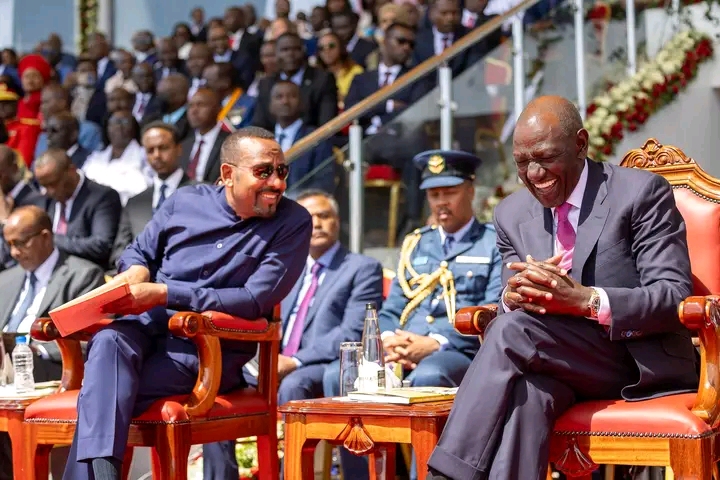
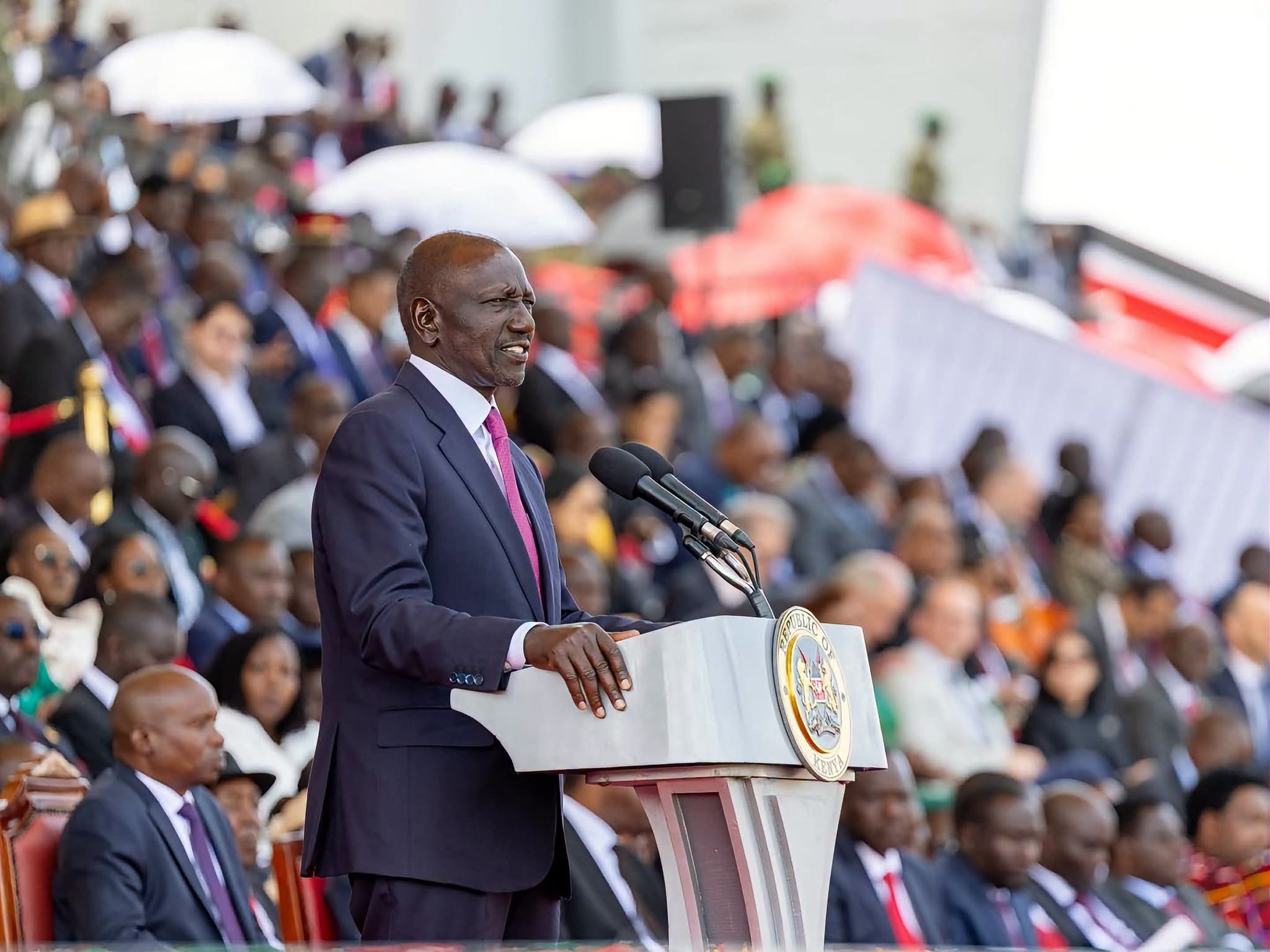
President William Ruto is leading the national celebrations, bringing together senior government officials, security officers, invited dignitaries, cultural groups and members of the public.Eldoret's selection as the host city has placed the region at the centre of national attention. The North Rift is widely associated with athletics, agricultural production, entrepreneurship and a rich cultural heritage. Hosting the national event offers an opportunity to showcase these strengths to visitors from other parts of Kenya and beyond.
The celebrations also highlight the importance of taking national events to different regions. Such occasions can help promote tourism, encourage investment, create business opportunities and give residents a chance to participate in significant national activities.The National Heroes Council's 2026 publication includes marathon runner Sebastian Sawe, musician Professor Kissinger and film producer Christine Savane Mabwa among those recognised for their contributions in different fields.
Their recognition reflects the evolving meaning of heroism in contemporary Kenya.
An athlete who breaks international records can inspire young people to believe in their abilities. An artist who preserves indigenous music can protect cultural heritage for future generations. A filmmaker who creates opportunities for young people can strengthen the creative industry and provide new sources of income.The organisation of Mashujaa Day requires extensive coordination among government departments, security agencies, county administrations and event organisers.
Ahead of the 2026 celebrations, authorities announced that security, logistics and crowd-management arrangements had been finalised. Stadium entry arrangements included designated gates, traffic controls and plans to accommodate people unable to enter the main seating area.
Security arrangements are essential because the event attracts national leaders, international guests and thousands of ordinary citizens.
Traffic management is also important in Eldoret, where visitors and residents must share roads around the stadium and other event locations. Members of the public are expected to cooperate with officers and follow instructions to help ensure safe movement.Hosting Mashujaa Day can create opportunities for local businesses and service providers.
Hotels, restaurants, transport operators, traders, vendors and other enterprises may benefit from the arrival of visitors. Increased demand for accommodation, meals, refreshments and transport can provide temporary income for local residents.
The national event can also promote Eldoret as a destination for tourism, sporting competitions, conferences and investment.
However, the long-term economic benefits depend on what follows the celebrations. Improved infrastructure, continued tourism promotion and sustained investment can help local communities benefit beyond October 20.Why Mashujaa Day matters to every Kenyan
Mashujaa Day is important because it connects Kenya's past with its present and future.
It reminds citizens that independence was achieved through sacrifice and that freedom comes with responsibilities. Citizens have a role in protecting public property, respecting the rights of others, promoting peace and demanding accountable leadership.
The day also encourages national unity. Kenya is home to many ethnic communities, languages, religions and cultural traditions. National celebrations provide an opportunity for people from different backgrounds to come together around a shared identity.The occasion can also inspire young people to become responsible leaders, innovators and community builders.
Learning about historical heroes is important, but so is asking what it means to be a hero today. Helping vulnerable people, protecting the environment, opposing corruption, supporting education and creating employment are among the many ways citizens can contribute to national progress.
Ultimately, Mashujaa Day should inspire practical action rather than remain a ceremony observed once a year.

You Might Also Like
-
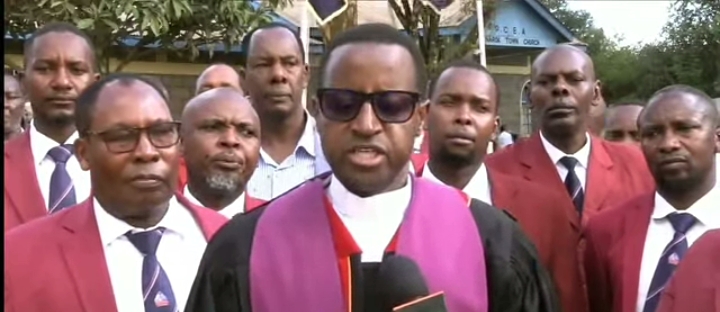
The decision by the PCEA congregation in Narok to break a longstanding taboo restricting unmarried men from church leadership marks a notable development in local religious life.A report on October 20 and another on October 19, 2026, the move challenges a tradition that treated marriage as a pre
-
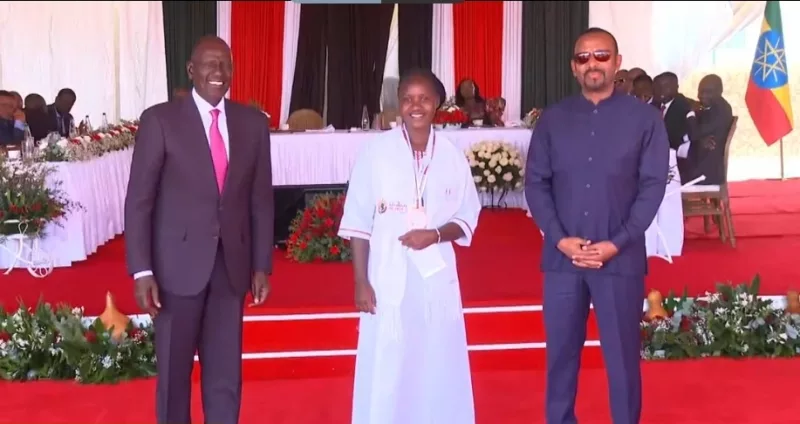
President William Ruto has honoured nurse Jacobeth Jeptoo for her courage, compassion, and selfless service following the tragic February helicopter crash in Nandi County that claimed the lives of Emurua Dikirr MP Johana Ng’eno and five other people. The recognition highlights the vital role playe
-
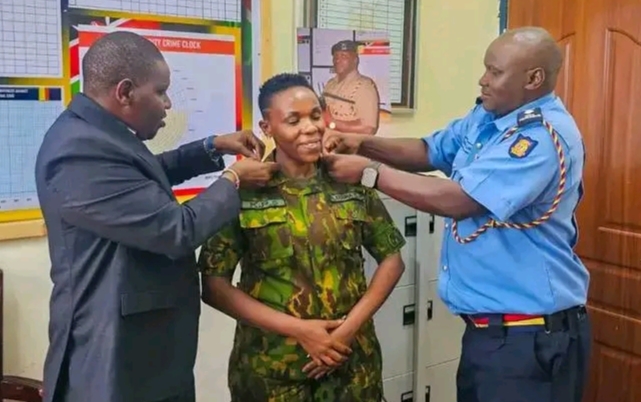
Inspector General Douglas Kanja's approval of promotions for 1,948 police officers marks a significant development in Kenya's police administration following the Court of Appeal's October 16, 2026, judgment. The ruling resolved a major dispute over the authority to manage uniformed police officers,
-
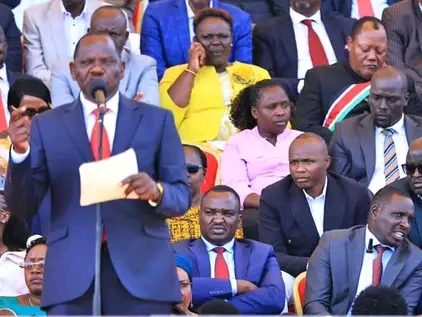
Governor Jonathan Bii's speech during the October 20, 2026, Mashujaa Day celebrations in Eldoret placed the protection of fertile agricultural land and support for farmers at the centre of an important national discussion. His appeal was for Kenyans to balance the growing demand for housing with th
-
Ethiopian Prime Minister Abiy Ahmed's address at the 2026 Mashujaa Day celebrations in Eldoret centred on a clear message: Kenya and Ethiopia should transform their historical friendship into shared economic progress. He called for stronger trade, improved opportunities for farmers and producers, c
-
President William Ruto has praised Kenya’s broad-based government, commending leaders who set aside political differences to promote cooperation and national development. He noted that the partnership demonstrates how political competition can coexist with collective efforts to address the country