



UDA MEETING IN CHAOS! Sosiot Grassroots Gathering Disrupted as Delegates Demand Answers in Kericho
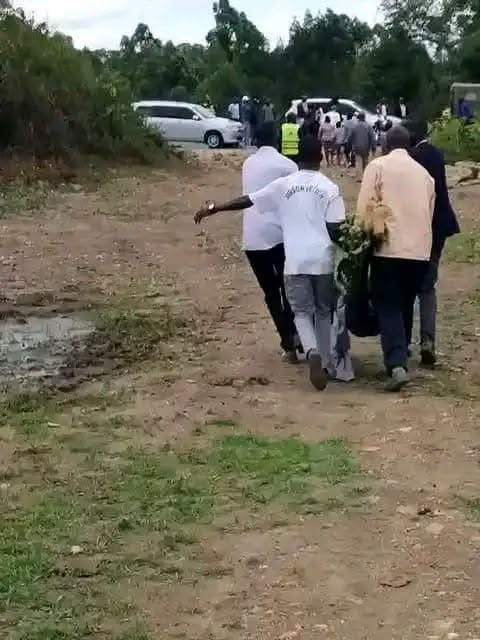
The UDA grassroots meeting in Sosiot, Belgut Constituency, Kericho County, on September 19, 2026, ended prematurely after a disagreement between sections of party delegates and officials. The immediate issues reported included demands for sitting and travelling allowances, concerns over the distribution of T-shirts and caps, and complaints about consultation and local party arrangements. Some members walked out, others chanted "one term", and UDA officials sought police intervention, bringing the meeting to an early close. The incident comes as UDA continues organising its grassroots structures ahead of the 2027 General Election. The party's own documents show that its grassroots system extends from polling centres to wards, constituencies and counties, while its leadership has acknowledged the importance of dispute-resolution mechanisms during the electoral process. For now, the central issue is how UDA will address the concerns raised by the Sosiot delegates and whether further clarification from the party will prevent similar disagreements at future grassroots meetings.
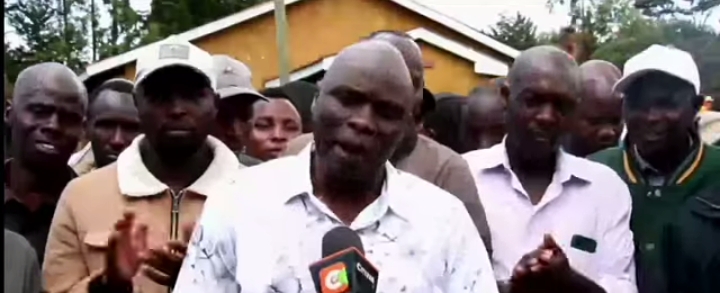
A United Democratic Alliance (UDA) grassroots meeting in Sosiot, Belgut Constituency, Kericho County, was disrupted on Saturday, September 19, 2026, after disagreements emerged between party officials and grassroots delegates. The meeting had been organised as part of the party's ongoing grassroots mobilisation and sensitisation activities, but it ended prematurely after some members protested over the manner in which the gathering was being conducted. Reports from local media indicate that concerns centred on allowances, distribution of party merchandise and the way grassroots members were being consulted and engaged by party officials.
The incident is significant because UDA is currently strengthening its grassroots structures as political parties prepare for the 2027 General Election. UDA's grassroots system involves party officials and members at different levels, including polling centres, wards, constituencies and counties. The party's own grassroots election guide outlines a structure in which polling-centre officials represent groups such as farmers, youth, professionals, traders, religious groups and special-interest groups.
*What happened in Sosiot?*
According to reports, the meeting at Sosiot brought together UDA grassroots officials and delegates from Belgut Constituency for discussions linked to the party's grassroots activities. The gathering was intended to sensitise members on the grassroots electoral process and bring together officials involved in the party's structures.
However, disagreements emerged during the meeting. Some delegates reportedly accused party officials of failing to adequately consult grassroots members and questioned how the meeting had been organised.
The dispute also involved claims concerning sitting allowances and travelling allowances. Patrick Korir, identified as a Nyabangi delegate, told journalists that delegates expected to receive sitting and travelling allowances, arguing that they had heard of such payments being provided in other areas.
The issue of allowances appears to have become one of the immediate triggers for the confrontation. Delegates wanted clarification over whether they were entitled to payments for attending the meeting and travelling to the venue.
Another area of disagreement was the distribution of UDA party merchandise. Some members questioned how T-shirts and caps were distributed, with reports indicating that some delegates felt the process was unfair.
Delegates express dissatisfaction
As the disagreement intensified, some members reportedly walked out of the meeting. Others began chanting "one term", signalling their dissatisfaction with the situation and the party leadership arrangements being discussed at the gathering.
Juda Kiprotich, a Seretut delegate, was also quoted expressing frustration over what he described as attempts to impose arrangements on Belgut without adequate consultation with local members.
The remarks reflected a broader concern raised during the meeting: whether grassroots party members were being sufficiently involved in decisions affecting the organisation of the party at local level.
It is important to distinguish between the allegations raised by individual delegates and established facts. The reports confirm that a disagreement occurred and that the meeting ended early, but the allegations concerning the handling of allowances, merchandise and consultation were raised by members and had not, at the time of reporting, received a detailed public response from UDA officials. People Daily reported that no official statement from UDA officials addressing those specific allegations was immediately available.
Police intervention
As the situation became increasingly tense, UDA officials sought police intervention.
The intervention ultimately brought the gathering to an early end. Reports indicate that the police presence was sought to prevent the disagreement from escalating further and to restore order at the venue.
The early termination meant that the meeting could not proceed as originally intended.
There have been no reports from the sources reviewed indicating serious injuries or major destruction of property during the Sosiot incident. The principal development reported was the confrontation between sections of the delegates, the walkout, chanting and subsequent police intervention.
Why the meeting was important
The Sosiot meeting comes at a time when UDA is placing considerable attention on its grassroots structures.
Political parties depend on grassroots officials to organise activities at local level, mobilise members and maintain communication between ordinary party members and national leadership. For a major political party such as UDA, these structures are particularly important as preparations for the 2027 election gather momentum.
UDA has said its grassroots elections are intended to establish party structures at polling-centre, ward, constituency and county levels. The party's official grassroots guide sets out the positions and representatives at the polling-centre level.
The party has also been conducting preparations for its grassroots elections. In an August 2026 statement, UDA said its National Steering Committee had received a report from the National Elections Board concerning party-election timelines and mechanisms for resolving disputes that could arise during the process.
This means that meetings such as the one in Sosiot are not simply ordinary political gatherings. They form part of the organisational process through which the party seeks to establish and strengthen its structures ahead of the next General Election.
The question of grassroots participation
One of the key issues emerging from the Sosiot incident is the relationship between party leadership and grassroots members.
Political parties require communication between national officials and local members. When grassroots delegates feel that decisions are being made without sufficient consultation, disagreements can arise.
At Sosiot, some delegates reportedly argued that local members should have a greater say in how activities in Belgut are organised. Their concerns included what they described as insufficient consultation and arrangements they believed had been imposed on the constituency.
Whether these concerns represent the views of all UDA members in Belgut cannot be established from the available reports. The incident involved a section of delegates, and there is no evidence from the sources reviewed that every UDA member in the constituency supported the protests.
Allowances become a major issue
The demand for allowances was particularly prominent during the confrontation.
Delegates questioned why they had not received sitting or travelling allowances, while claiming that payments were being provided in other areas. Patrick Korir specifically raised the issue of both sitting and travelling allowances.
The dispute illustrates how practical issues can affect the organisation of political party activities. Delegates travelling to meetings may incur transport costs, while some party officials and representatives may also expect arrangements to be made for their participation.
However, the reports do not establish that UDA had formally promised allowances to every person attending the Sosiot meeting. That distinction is important. The available information establishes that delegates demanded allowances; it does not independently establish an official entitlement or a formal payment commitment.
Merchandise dispute
Party merchandise was another point of disagreement.
Reports indicate that some delegates were unhappy with the distribution of T-shirts and caps. Party merchandise can serve several purposes during political mobilisation, including identifying party supporters and promoting party activities.
In Sosiot, however, the distribution became part of the wider dispute, with some members questioning the fairness of the process.
Again, the available reports do not provide an independent audit of how the merchandise was distributed. What is clear is that some delegates were dissatisfied and raised the issue during the meeting.
UDA's wider grassroots exercise
The disruption in Sosiot comes amid a broader UDA grassroots exercise.
UDA's official website says the party has been organising grassroots elections involving different levels of its organisational structure. Its materials describe elections involving polling centres, wards, constituencies and counties.
The party has also highlighted the scale of its grassroots organisation. In a recent communication, UDA said more than 543,000 party officials had been elected during its polling-centre-level grassroots exercise. The party described the next phase as part of efforts to strengthen its structures ahead of the 2027 General Election.
That scale makes local disagreements significant from an organisational perspective, because successful grassroots structures require cooperation among party officials, delegates and ordinary members.
Sosiot incident adds to recent UDA disruptions
The Sosiot disruption also comes against the background of other disagreements reported during UDA grassroots activities.
The Kenya Times reported that a separate UDA delegates' meeting in Nembure, Embu County, had recently been disrupted amid violence. That incident was considerably more serious, with reports of vehicles being torched, police officers injured and a person killed.
The circumstances of the Nembure incident were different from those reported in Sosiot, and the two incidents should not be treated as identical. However, both illustrate the organisational challenges that can arise when large numbers of party members and delegates participate in internal political activities.
UDA's National Steering Committee has already discussed mechanisms for resolving disputes arising from party elections. The party said its National Elections Board had presented election timelines while its structures considered dispute-resolution mechanisms.
What happens next?
The immediate question following the Sosiot meeting is how UDA officials will respond to the concerns raised by the delegates.
The party could be expected to clarify the arrangements surrounding allowances, merchandise distribution and grassroots engagement. Such clarification would help distinguish misunderstandings from formal party policy and could provide a basis for resolving the disagreement.
The incident also highlights the importance of clear communication before grassroots meetings. Delegates are more likely to understand the purpose and expectations of a meeting when issues such as transport arrangements, allowances, eligibility, merchandise distribution and the agenda are communicated in advance.
UDA's existing framework includes mechanisms for handling disputes arising from grassroots elections. The party has previously published a dispute-resolution framework covering different levels of its grassroots electoral structure.
Political significance
The Sosiot incident does not, by itself, establish the presence of a wider breakdown within UDA in Kericho or nationally. It does, however, provide a snapshot of the kinds of challenges that political parties can face while reorganising their grassroots structures.
For UDA, the challenge is to ensure that local officials and members understand the party's procedures and that disagreements are addressed through established mechanisms rather than allowing meetings to descend into confrontation.
The incident is also noteworthy because Belgut is part of Kericho County, an area where UDA has a substantial political presence. Local party organisation can therefore have implications for the party's mobilisation and internal elections.
At the same time, claims made by individual delegates should be treated as allegations unless independently confirmed. Further statements from UDA officials, the police or other relevant authorities would provide additional information about the events and the steps taken after the meeting.
You Might Also Like
-
TRAGEDY IN BOMET: A first-year Bomet University student has tragically drowned at Mashinani Dam while reportedly fetching water. Her body was later retrieved as authorities investigate the incident.
-
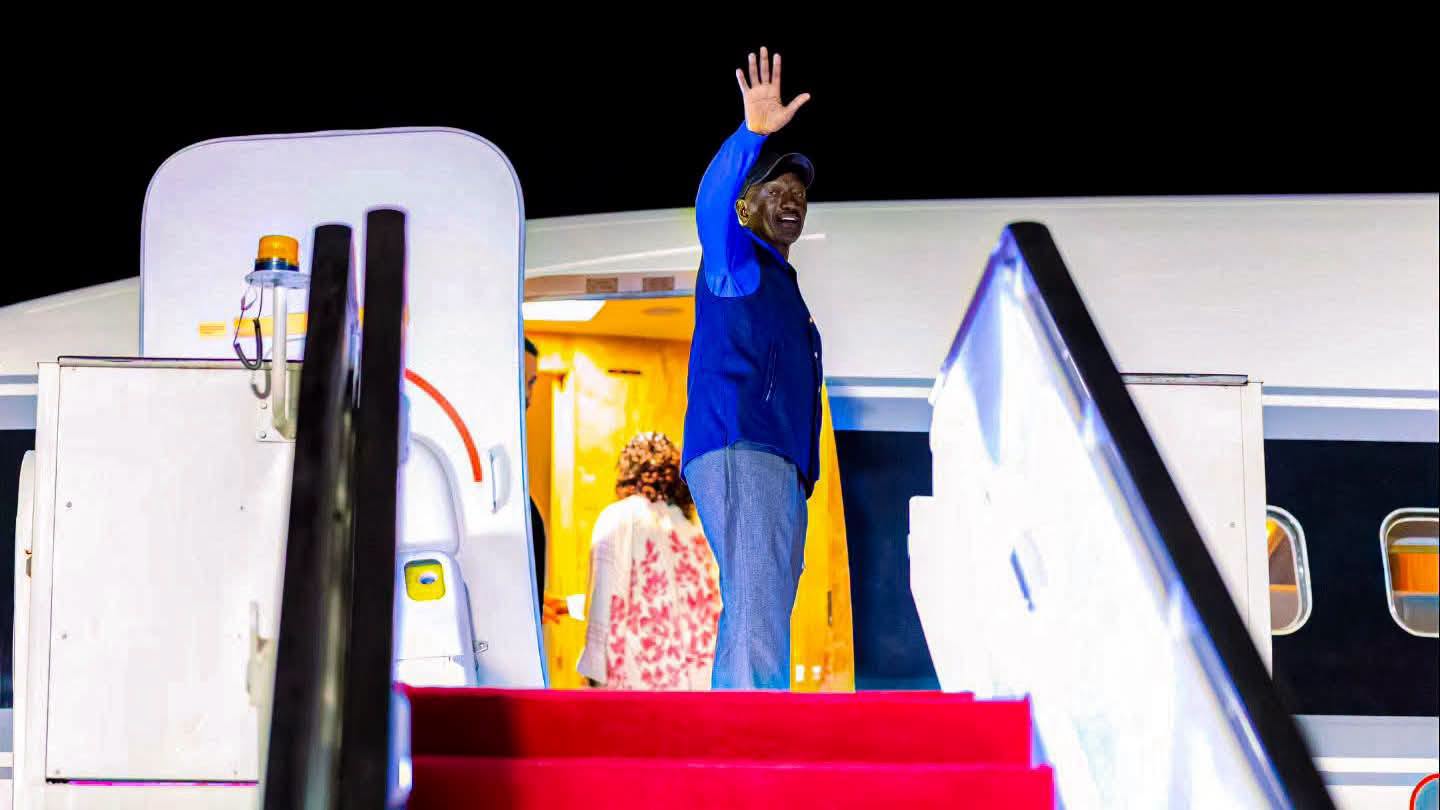
President William Ruto has departed for New York to attend the 81st UN General Assembly, where he is expected to engage world leaders and advance Kenya’s diplomatic, economic and development interests.
-
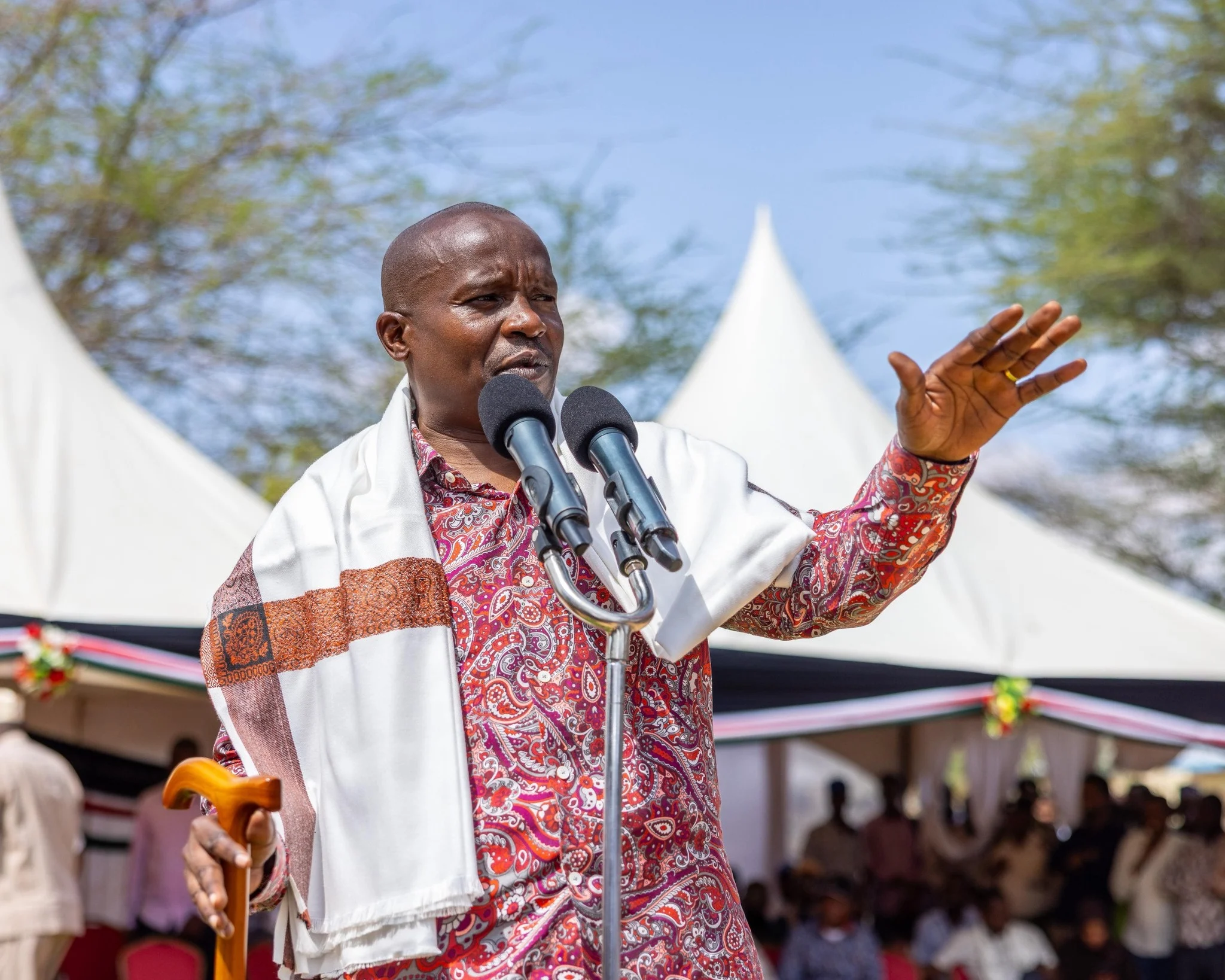
DP Kithure Kindiki says he will ignore his critics and remain focused on his responsibilities, urging attention to the Government’s mission and service delivery.
-
President William Ruto's departure for New York is centered on Kenya's participation in the 81st United Nations General Assembly and a wider programme of diplomatic and economic engagements. His agenda includes attracting investment, promoting an Africa-financing-Africa approach, advancing artificia
-
KIRIGITI, KIAMBU: More than 30,000 Gikuyu, Embu, Mbeere and Ameru elders gathered at Kirigiti Stadium, calling for unity, peace, reconciliation and patriotism while pledging to support national development.
-
The September 19, 2026 Kirigiti gathering marked a notable development in Mount Kenya's political landscape, with representatives of several regional elders' organisations formally endorsing Deputy President Kithure Kindiki as their spokesperson and representative. The elders presented the decision