



High Court Slams Brakes on NTSA’s Smart Driving Licence Scheme, Suspends 21-Year Deal Amid Constitutional Storm
High Court Slams Brakes on NTSA’s Smart Driving Licence Scheme, Suspends 21-Year Deal Amid Constitutional Storm
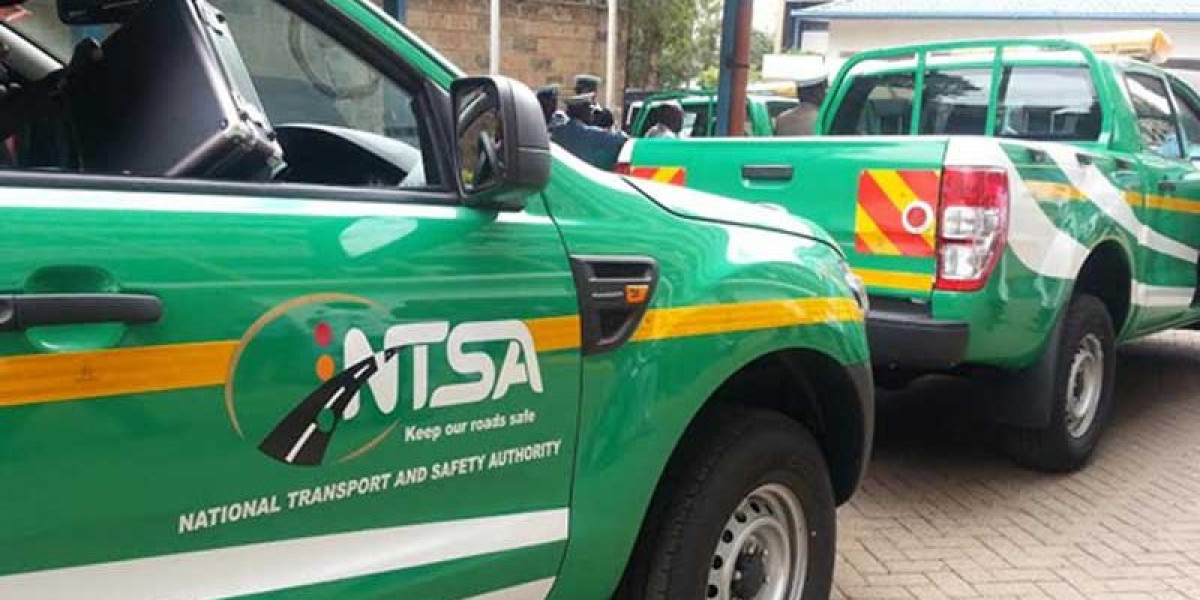
Motorists have gained temporary reprieve after the High Court blocked the rollout of the National Transport and Safety Authority’s (NTSA) smart driving licence programme and automated traffic fine system, pending the resolution of a constitutional challenge.
Justice Dennis Kizito issued conservatory orders suspending a 21-year Public-Private Partnership (PPP) agreement between NTSA and Pesa Print Limited, which was intended to introduce second-generation smart driver’s licences and an automated traffic enforcement system.
The ruling came in response to a petition by the Road Safety Association of Kenya (RSAK), which questioned the legality and constitutionality of the deal.
“The implementation of the Public-Private Partnership between NTSA and Pesa Print Limited consortium relating to smart driving licences, automated traffic fines and associated services has been suspended,” the Kerugoya court ruled.
As a result, the planned June 1, 2026 launch—which would have linked new smart licences to an automated traffic management system—has been frozen.
Under the proposed scheme, motorists would have paid Ksh. 3,050 for the new licences, with Pesa Print handling card design and printing, while KCB Bank managed enrolment and registration. The project also included installing 1,000 traffic surveillance cameras nationwide—700 fixed and 300 mobile—to detect violations and enable automated enforcement.
The judge declared the matter urgent and ordered the respondents to file their responses within ten days. The case is scheduled for a mention on June 21, 2026.
The respondents named in the petition are NTSA, the PPP Committee, the Directorate of Public-Private Partnerships, the Treasury Cabinet Secretary, and the Attorney General. Pesa Print and KCB Bank Kenya are listed as interested parties.
Court documents reveal that the petitioners are challenging how the PPP was structured and awarded. One key issue is the direct procurement of Pesa Print, which the petition notes had previously been flagged in an Auditor General’s report over an earlier smart licence contract that allegedly caused financial losses without delivering the promised licences.
This legal action adds to existing court cases against the government’s push to automate traffic enforcement. Earlier this year, the High Court separately halted NTSA’s instant automated fines system, citing concerns over its legality and constitutional compliance.
Although the government had touted the smart licence programme as a step toward modernising road safety, improving traffic law enforcement, and digitising driver records, the conservatory orders will remain in effect until the court fully hears and decides on the petition.

You Might Also Like
-
Families call for justice after court acquits Mandago in the Ksh.1.1 billion Finland scholarship case.
-
Tourism stakeholders urge politicians to avoid inflammatory remarks that could harm the sector.
-
Court Summons IG Kanja, DIG Lagat and PS Ololtuaa Over Gatoto School Management Dispute
-
A police officer allegedly shot and killed his partner before taking his own life in a tragic incident in Kirinyaga County.
-
Gachagua Thanks Ol Kalou Voters After DCP's Historic By-Election Win
-
IEBC declares DCP's Sammy Waweru the winner of the Ol Kalou by-election with 35,440 votes, while UDA's Samuel Muchina finishes second with 5,450 votes