




Ruto: Foreign Loans Come With Conditions, Including Pressure on Sexuality Laws
Ruto: Foreign Loans Come With Conditions, Including Pressure on Sexuality Laws
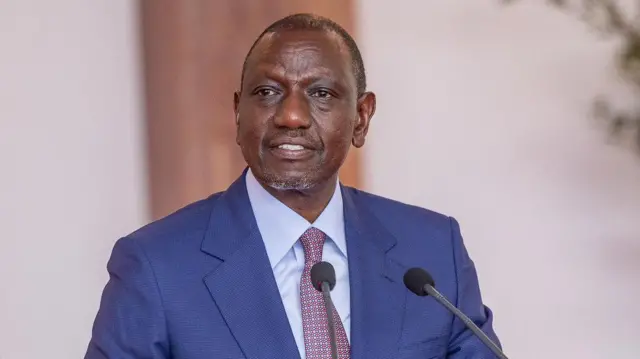
President William Ruto has asserted that African nations seeking financial support from abroad often face demands that extend well beyond economic conditions, including being pushed to adopt legislation on sexuality. Speaking Tuesday at State House, Nairobi, during the 25th anniversary celebrations of the African Trade & Investment Development Insurance (ATIDI), the President argued that heavy reliance on foreign loans exposes countries to requirements that may not reflect their own national interests.
Drawing from his personal experience, Ruto noted that within just three years, his administration has demonstrated the viability of raising domestic funds rather than turning to external lenders who impose various conditions. He recounted external pressures such as being told to "pass this law" or "do this," specifically referencing demands related to sexuality legislation.
The President made these remarks while urging African states to enhance internal revenue generation and cut back on external borrowing, emphasizing that such a shift would grant governments more autonomy in shaping their own development paths.
As an example, Ruto cited Kenya's Affordable Housing Programme, explaining that earlier attempts to secure foreign loans for the project proved unsuccessful. In response, the government established the Housing Fund, financed through a 1.5% mandatory deduction from employees' salaries, matched by employer contributions. This approach, he said, has amassed a portfolio of KSh1.2 trillion in just three years.
Ruto reaffirmed his belief that Africa possesses sufficient resources to finance its own progress and should therefore diminish its dependence on international creditors. He stressed that Africans must not outsource tasks they are capable of handling themselves, adding that it is neither just nor prudent to do so.
Concluding, the President called on African leaders to take ownership of the continent's development challenges rather than attributing them to outside forces. He stated that Africans owe it to themselves to drive their own advancement, insisting that development is achievable and that the continent must seize control of its destiny.

You Might Also Like
-
Jubilee's Fred Matiang'i opposes the Sh2,000 mandatory vehicle inspection fee, citing lack of public input, insufficient evidence, and additional strain on already overburdened Kenyan
-
Ruto: Bomas International Conference Centre to Boost Tourism, Position Nairobi as Regional Events Hub
-
Gachagua Accuses Murkomen of Organizing Criminals He Warned About
-
President Ruto has issued a bold challenge to Gideon Moi's Standard Group, daring them to take their strongest action against him.
-
Tenwek High School hosts fans for luncheon after Bomet games triumph
-
President Ruto increases duty-free allowance for travellors from Ksh.39K to Ksh.260K as he assents to Finance Bill 2026