2026 National Assessments Begin as More Than 2.4 Million Kenyan Learners Sit KPSEA and KJSEA
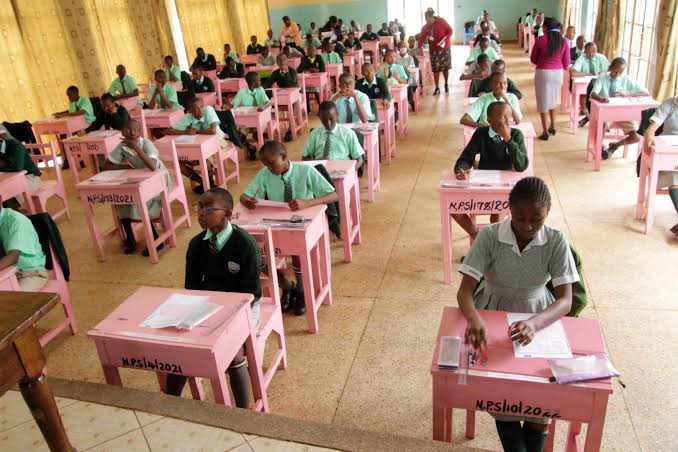
Kenya's 2026 national assessments have officially begun, with 1,298,089 learners sitting the Kenya Primary School Education Assessment (KPSEA) and 1,130,669 undertaking the Kenya Junior School Education Assessment (KJSEA). The exercise marks an important milestone in the implementation of the Competency-Based Curriculum and the transition of learners to the next stages of education.
The 2026 national assessments for primary and junior schools have officially commenced across Kenya, with more than 2.4 million learners expected to participate in the nationwide exercise. A total of 1,298,089 learners are sitting the Kenya Primary School Education Assessment (KPSEA), while 1,130,669 learners are undertaking the Kenya Junior School Education Assessment (KJSEA).
The assessments mark an important stage in the academic journey of learners under Kenya's Competency-Based Curriculum (CBC), which places emphasis on developing practical skills, knowledge, values and competencies among pupils. The nationwide exercise brings together learners, teachers, school administrators, parents and education officials as the country continues implementing reforms aimed at improving the quality of education.
The large number of candidates participating in the 2026 assessments highlights the growing importance of the new education system and the need for effective planning to ensure that every learner is given an opportunity to demonstrate their abilities. Schools across the country have been preparing candidates for the assessments through classroom instruction, revision exercises and other academic activities intended to familiarise learners with the requirements of the examinations.
The Kenya Primary School Education Assessment is designed for learners completing the primary school stage under the Competency-Based Curriculum. It provides an opportunity to evaluate the knowledge, skills and competencies learners have developed during their primary education. The results and assessment information are intended to support decisions about learners' educational progress as they prepare to move into the next stage of learning.
For the 1,298,089 learners sitting the KPSEA, the exercise represents an important milestone after years of learning and preparation. Candidates are expected to demonstrate their understanding of the subjects and learning areas covered in their school curriculum, while also applying the skills they have acquired in the classroom.
The assessment also provides teachers and education stakeholders with information that can help identify areas where learners are performing well and those that may require additional support. Such information is important in strengthening teaching methods, improving learning outcomes and ensuring that pupils receive the assistance they need as they progress through the education system.
At the junior school level, 1,130,669 learners are sitting the Kenya Junior School Education Assessment. The exercise is an important component of the transition from junior school to senior school under the Competency-Based Curriculum.
Junior school represents a critical period in a learner's educational development. During this stage, learners are expected to build on the foundational knowledge acquired in primary school while exploring a broader range of subjects, interests and abilities. The assessment provides information about their progress and helps inform their continued educational journey.
The KJSEA is particularly significant because the senior school pathway system allows learners to pursue areas of study aligned with their interests, strengths and future aspirations. As Kenya continues implementing the CBC, education stakeholders are working to ensure that learners receive appropriate guidance and support when making decisions about their next stage of education.
The assessments are therefore not simply an academic exercise but also part of the broader process of evaluating learners' development and preparing them for future opportunities. Effective assessment practices can help teachers and parents understand learners' abilities and identify areas where additional guidance may be necessary.
The commencement of the 2026 assessments follows months of preparation by schools and education authorities. Teachers have been guiding learners through the curriculum, conducting classroom assessments and helping candidates understand the expectations associated with the national exercise.
School administrators also play a crucial role in ensuring that the assessments are conducted in an organised manner. Their responsibilities include preparing suitable assessment environments, coordinating teachers and other personnel, and ensuring that candidates receive the necessary guidance before beginning the exercise.
Parents and guardians have also been encouraged to support learners by providing a conducive environment for revision, ensuring adequate rest and offering emotional encouragement. The period surrounding national assessments can be stressful for some candidates, making parental support an important part of helping learners approach the exercise with confidence.
Education experts frequently emphasise that learners perform better when they receive balanced support that combines academic preparation with attention to their emotional and physical wellbeing. Adequate sleep, proper nutrition and a calm environment can help candidates remain focused throughout the assessment period.
As the national exercise begins, maintaining fairness, transparency and consistency remains essential. Every learner should have an equal opportunity to participate under appropriate conditions, regardless of their school, geographical location or family background.
The large number of candidates also places significant responsibilities on education officials tasked with coordinating the assessments across the country. Proper distribution of assessment materials, effective supervision and timely communication are necessary to ensure that the exercise proceeds smoothly.
Schools in urban and rural areas alike must be adequately prepared to accommodate candidates and provide an environment that allows them to concentrate. Where challenges arise, prompt communication between school administrators and relevant education authorities can help prevent unnecessary disruption.
The exercise also highlights the importance of ensuring that learners in marginalised and underserved communities receive equal attention. Differences in access to learning materials, digital resources, qualified teachers and adequate school facilities can affect the educational experiences of learners across the country.
Addressing these disparities remains important as Kenya continues to strengthen the implementation of the Competency-Based Curriculum. Adequate funding, teacher training, learning resources and infrastructure are necessary to support schools and improve educational outcomes for all learners.
The CBC was introduced to encourage a shift from an education model primarily associated with academic examinations towards one that also recognises practical application, creativity, critical thinking, communication and problem-solving. Under this approach, learners are encouraged to demonstrate what they know and can do rather than relying exclusively on memorisation.
The KPSEA and KJSEA form part of the assessment framework supporting this transition. They provide structured opportunities to evaluate learner progress while supporting the broader objective of developing individuals equipped with relevant knowledge and skills.
However, the success of the curriculum depends on more than the administration of national assessments. It also requires effective classroom instruction, sufficient teaching materials, ongoing professional development for teachers and strong cooperation between schools, parents and education authorities.
Teachers remain central to this process because they interact with learners daily and are responsible for translating curriculum objectives into practical classroom experiences. Their ability to identify individual learning needs and provide appropriate support can make a significant difference in learners' development.
Parents and guardians also contribute by maintaining communication with teachers, monitoring their children's progress and encouraging positive attitudes towards education. When schools and families work together, learners are more likely to receive consistent guidance throughout their academic journey.
For candidates participating in the 2026 assessments, the focus remains on following instructions, managing time carefully and approaching each assessment with confidence. Learners are expected to observe the guidelines provided by assessment administrators and maintain discipline throughout the exercise.
Teachers and school officials are similarly expected to ensure that candidates understand the procedures and that any concerns are addressed through the appropriate channels. A well-coordinated assessment environment can help reduce anxiety and allow learners to demonstrate their abilities fairly.
The results of national assessments can also provide useful information for education planning. By examining learner performance across different subjects, regions and school settings, education authorities can identify trends and determine where additional resources or targeted interventions may be needed.
Such information can support decisions on teacher deployment, curriculum improvement, school infrastructure and the provision of learning materials. It can also help policymakers assess whether the education system is meeting its objectives and where further adjustments may be necessary.
Nevertheless, assessment results should be considered alongside other indicators of educational development. Learners acquire a wide range of competencies throughout their schooling, and their progress cannot always be fully represented by a single assessment exercise. Continuous classroom evaluation, practical activities and teacher observations also contribute to understanding a learner's strengths and areas for improvement.
The transition from junior school to senior school is another major issue surrounding the implementation of the CBC. As the number of learners progresses through the system, schools and education authorities must ensure that sufficient places, facilities and specialised learning opportunities are available to accommodate them.
Planning for senior school education requires investment in classrooms, laboratories, workshops, libraries and other facilities that support different learning pathways. Schools also need teachers with the appropriate skills to guide learners in their chosen areas of study.
The 2026 KJSEA cohort will therefore be part of a wider national effort to ensure that the transition to senior school is well coordinated and that learners receive information about the opportunities available to them. Proper career guidance and counselling can help students make informed choices based on their interests, abilities and long-term goals.
For primary school learners sitting the KPSEA, the assessment similarly represents a transition point as they continue progressing through the education system. Ensuring that the next stage of learning is accessible, adequately resourced and responsive to individual needs will remain a priority for schools and education stakeholders.
The participation of more than 2.4 million learners in the two assessments underscores the scale of Kenya's education system and the importance of investing in the country's young population. Education remains a key instrument for expanding opportunities, improving livelihoods and preparing future generations to contribute to national development.
The successful administration of the assessments will depend on cooperation among learners, teachers, parents, school administrators and education officials. Each group has a role to play in ensuring that the exercise is conducted in an orderly manner and that candidates are supported throughout the process.
As the 2026 national assessments officially get underway, attention will remain focused on the performance of learners, the organisation of the exercise and the broader progress of the Competency-Based Curriculum. The participation of 1,298,089 KPSEA candidates and 1,130,669 KJSEA candidates demonstrates the significant number of young Kenyans reaching important milestones in their education.
Beyond the assessments themselves, the exercise provides an opportunity to reflect on the country's commitment to delivering quality education and ensuring that every learner has the support needed to develop their potential. Continued investment in schools, teachers, learning materials and appropriate assessment systems will be essential to achieving these goals.
For now, learners across Kenya are undertaking the assessments that form part of their academic progression. Their efforts, combined with the support of teachers, parents and education authorities, will contribute to the continued implementation of the Competency-Based Curriculum and the development of the next generation of Kenyan learners.

You Might Also Like
-
Nairobi Water is set to interrupt water supply for three days in several parts of the capital, including Ngong Road, Lang’ata, Westlands, Gigiri and Karen, to facilitate maintenance on a major pipeline. Residents, businesses and institutions are urged to prepare by storing sufficient water and fol
-
Health Cabinet Secretary Aden Duale has reassured Kenyans and the international community that Kenya has not imposed any travel, trade or tourism restrictions. He says the government is following World Health Organization (WHO) guidance, which advises against closing borders or imposing restrictions
-
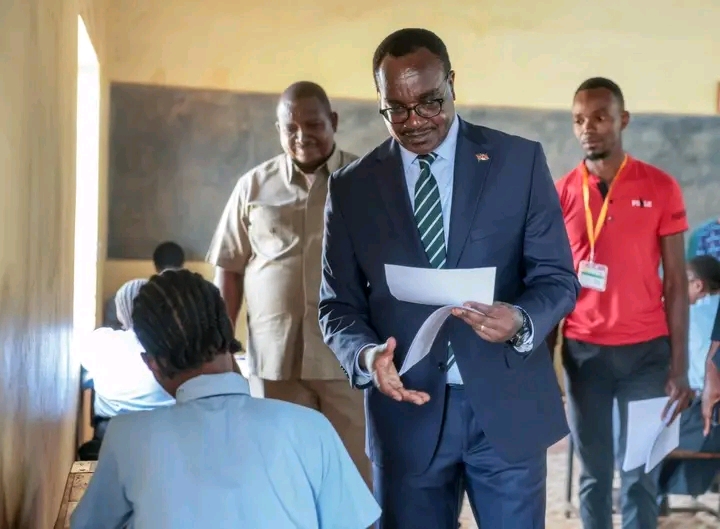
Education Cabinet Secretary Julius Migos Ogamba on Monday, October 26, 2026, witnessed the opening of the KNEC examination container at the Makindu Sub-County Deputy County Commissioner's Office in Makueni County and oversaw the distribution of KPSEA and KJSEA assessment materials to designated cent
-
CS Kipchumba Murkomen together with other leaders attended and interdenominational church service and held a meeting with local leaders in Kongasis,Eburi ward in Nakuru County. He updated the residents on ongoing and upcoming development projects in the county including roads,stadiums,water, housi
-
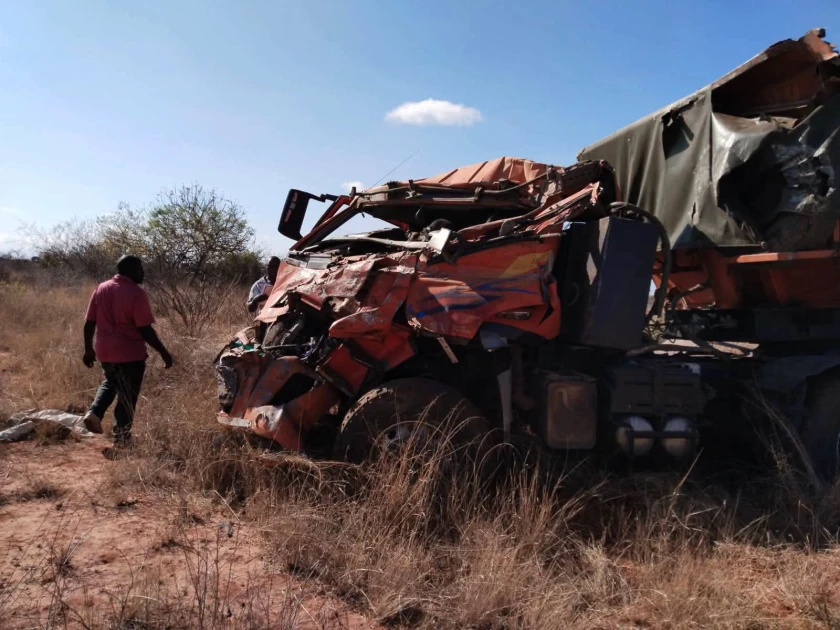
The death toll from the tragic road accident at Kanga area along the Mtito Andei–Mombasa Highway has risen to 24 after two more victims succumbed to injuries sustained in the crash. The incident has left families grieving and renewed concerns over road safety on one of Kenya’s major transport ro
-
President William Ruto has ordered the inspection of all public service vehicles to ensure compliance with road safety regulations following a tragic accident along the Nairobi–Mombasa Highway in Makueni County that claimed 24 lives. The directive aims to improve vehicle safety, strengthen enforce