Aden Duale Reassures Kenyans as WHO Advises Against Border Closures and Travel Restrictions
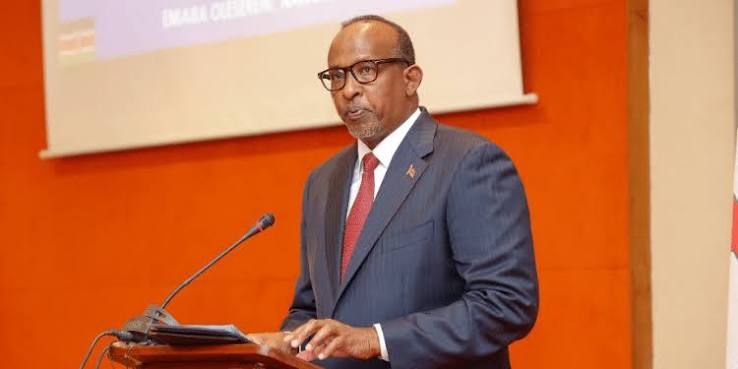
Health Cabinet Secretary Aden Duale has reassured Kenyans and the international community that Kenya has not imposed any travel, trade or tourism restrictions. He says the government is following World Health Organization (WHO) guidance, which advises against closing borders or imposing restrictions that are not justified by public health risks. The government maintains that Kenya remains open to travellers, businesses and tourists while continuing to prioritise public health preparedness and disease surveillance.
Health Cabinet Secretary Aden Duale has reassured Kenyans and the international community that the country has not introduced travel, trade or tourism restrictions, maintaining that the government is following guidance from the World Health Organization (WHO) on the management of public health threats. Duale said Kenya remains open to visitors, businesses and international travellers, adding that the government is not planning to close its borders or introduce measures that could unnecessarily disrupt economic and social activities.
The Cabinet Secretary explained that the World Health Organization advises countries against imposing border closures and broad travel restrictions in response to public health emergencies when such measures are not supported by available evidence. According to Duale, Kenya is committed to following established public health recommendations while maintaining the movement of people and goods across its borders.
His remarks come amid growing public interest in health security and the measures governments are taking to protect their populations while avoiding unnecessary disruptions to daily life. Concerns about the spread of infectious diseases can affect travel decisions, business operations, tourism activities and public confidence. The government has therefore sought to communicate its position clearly, reassuring citizens, investors and international visitors that Kenya continues to operate without the restrictions mentioned by the Cabinet Secretary.
Duale emphasised that protecting public health does not necessarily require shutting down borders or stopping international movement. Instead, governments can strengthen surveillance systems, improve screening where necessary, enhance communication between health authorities and ensure that health facilities are prepared to identify and manage suspected cases. Such measures can help authorities respond to emerging threats while allowing essential economic and social activities to continue.
Kenya relies heavily on international connections for trade, tourism, investment, education and diplomatic relations. Restrictions affecting the movement of people and goods can have consequences for businesses, workers, families and communities that depend on cross-border activities. Maintaining normal movement, alongside appropriate public health measures, is therefore an important consideration for the government as it seeks to balance health protection with economic stability.
The tourism sector is particularly sensitive to developments that affect travellers' confidence. Kenya attracts visitors interested in wildlife, coastal destinations, cultural experiences, conferences and business opportunities. The sector supports hotels, tour operators, transport companies, restaurants, tour guides, small businesses and thousands of workers whose livelihoods depend directly or indirectly on visitors.
When concerns about infectious diseases emerge, travellers may reconsider their plans even when no official restrictions have been introduced. News about outbreaks, border controls or public health emergencies can influence perceptions of safety and affect decisions about where to travel. Clear communication from government officials is therefore important in preventing unnecessary confusion and ensuring that visitors receive accurate information about the country's travel arrangements.
By stating that Kenya has not imposed travel, trade or tourism restrictions, Duale sought to clarify the government's position and provide reassurance to those concerned about the possible effects of public health developments. His statement also underscores the importance of communicating official measures accurately so that members of the public do not mistake precautionary health measures for a general suspension of international movement.
The trade sector is another area where maintaining open borders can have significant economic implications. Kenya serves as an important commercial and transport hub in East Africa, connecting local businesses with regional markets and international trading partners. Goods move through the country's roads, ports, airports and border crossings to reach consumers, manufacturers and businesses in different parts of the region.
Any unnecessary disruption to these transport networks could affect the delivery of essential products, increase costs for traders and create delays for companies that depend on reliable supply chains. Farmers, manufacturers, wholesalers, retailers and transport operators can all be affected when goods cannot move efficiently between markets.
For this reason, decisions concerning public health restrictions require careful consideration of both the potential health benefits and the wider economic consequences. The World Health Organization provides guidance intended to help countries respond to public health risks using measures that are appropriate to the circumstances. Governments are encouraged to assess the available evidence, consider the nature of a health threat and select interventions that can protect communities without creating avoidable harm.
Duale's remarks indicate that Kenya is seeking to maintain this balance by keeping travel and trade open while relying on public health guidance. However, the absence of broad restrictions does not mean that health authorities should abandon vigilance. Disease surveillance, timely reporting, laboratory testing where appropriate and preparedness within health facilities remain important components of a country's ability to respond to potential outbreaks.
Public health authorities must also ensure that healthcare workers have the information and resources needed to identify suspected infections and follow appropriate procedures. Training, protective equipment, reliable diagnostic systems and effective communication between health facilities can strengthen the country's capacity to manage emerging health concerns.
Effective disease surveillance enables health officials to monitor unusual patterns of illness, investigate suspected cases and determine whether further action is necessary. When a possible public health threat is identified, authorities can assess the situation and provide guidance based on the available evidence. This approach allows governments to respond proportionately rather than immediately introducing measures that could affect entire communities or economic sectors.
Public awareness is equally important. Citizens need reliable information about how diseases spread, the symptoms that may require medical attention and the appropriate steps to take when they suspect exposure to an infectious illness. Clear information can help prevent rumours, reduce unnecessary anxiety and encourage people to seek assistance from qualified health professionals when necessary.
Government communication should therefore remain consistent and accessible, particularly during periods when public concern is high. Conflicting statements or unverified information can cause confusion and undermine confidence in official guidance. By communicating the country's position on travel and trade restrictions, the Health Cabinet Secretary has highlighted the need for the public to distinguish between confirmed government measures and speculation about possible future decisions.
For travellers, the government's position means that the restrictions described by Duale have not been introduced as a general policy. Nevertheless, people planning international journeys should continue checking the latest official travel advice and any requirements that may apply to their specific destinations or routes. Entry rules can differ between countries, and individual airlines or transit points may have separate procedures.
Businesses engaged in international trade must similarly remain attentive to official notices from relevant authorities. Although Kenya has not announced the broad restrictions described by Duale, companies should continue observing applicable customs, transport and public health requirements. Staying informed helps businesses prepare for any legitimate changes while avoiding decisions based on rumours.
The government also faces the challenge of ensuring that public health preparedness reaches communities beyond major towns and cities. Health facilities in rural and remote areas need access to information, appropriate supplies and clear reporting channels so that possible health threats can be identified promptly. Strengthening these systems can help protect vulnerable populations while supporting the continued movement of people and goods.
Cooperation between national and county governments is essential in this effort. County health departments play an important role in disease surveillance, public awareness and the delivery of healthcare services. Coordinated planning can improve the flow of information between local facilities and national authorities, allowing officials to identify emerging concerns and respond according to established procedures.
Kenya's regional relationships also make cooperation with neighbouring countries important. Cross-border movement is central to trade, employment, family connections and access to services throughout East Africa. Health authorities can work together by sharing relevant information, coordinating surveillance efforts and improving communication about potential risks. Such cooperation may help countries respond more effectively without resorting to measures that unnecessarily interrupt regional movement.
The World Health Organization's guidance is intended to support countries in making decisions that are proportionate to the public health situation. Recommendations may vary depending on the disease involved, the evidence available and the circumstances surrounding an outbreak. Therefore, the statement that the WHO advises against closing borders or imposing restrictions should be understood within the context of its guidance and the specific public health risks being assessed.
Governments remain responsible for protecting their populations and determining appropriate measures under their national laws. Any decision to introduce additional controls should be based on reliable evidence, the assessment of health risks and advice from relevant experts. Authorities must also communicate the reasons for such decisions clearly so that the public understands the measures and how they are expected to work.
For Kenya, maintaining open travel, trade and tourism channels is closely connected to economic activity and international engagement. The country depends on regional and global partnerships to support commerce, investment, employment and tourism. Avoiding unnecessary restrictions can help preserve these connections, provided that public health risks are monitored and managed responsibly.
Duale's statement also serves as a reminder that public health protection and economic continuity are not necessarily opposing objectives. With effective surveillance, adequate healthcare preparedness, transparent communication and cooperation with international partners, governments can work to safeguard communities while allowing essential activities to continue.
The government will need to maintain public confidence by ensuring that information about health risks and official measures remains accurate and timely. If circumstances change, citizens and businesses should receive clear guidance explaining what has changed, why the change is necessary and who may be affected. Such communication is particularly important in a country where tourism, transport and cross-border trade contribute significantly to livelihoods.
For now, Duale maintains that Kenya has not imposed travel, trade or tourism restrictions and that the government is guided by the World Health Organization's advice against closing borders or introducing restrictions that are not warranted by the circumstances. His remarks reinforce the government's stated position that international movement and economic activity should continue while appropriate attention is given to public health preparedness.

You Might Also Like
-
Kenya's 2026 national assessments have officially begun, with 1,298,089 learners sitting the Kenya Primary School Education Assessment (KPSEA) and 1,130,669 undertaking the Kenya Junior School Education Assessment (KJSEA). The exercise marks an important milestone in the implementation of the Compet
-
Nairobi Water is set to interrupt water supply for three days in several parts of the capital, including Ngong Road, Lang’ata, Westlands, Gigiri and Karen, to facilitate maintenance on a major pipeline. Residents, businesses and institutions are urged to prepare by storing sufficient water and fol
-
Education Cabinet Secretary Julius Migos Ogamba on Monday, October 26, 2026, witnessed the opening of the KNEC examination container at the Makindu Sub-County Deputy County Commissioner's Office in Makueni County and oversaw the distribution of KPSEA and KJSEA assessment materials to designated cent
-
CS Kipchumba Murkomen together with other leaders attended and interdenominational church service and held a meeting with local leaders in Kongasis,Eburi ward in Nakuru County. He updated the residents on ongoing and upcoming development projects in the county including roads,stadiums,water, housi
-
The death toll from the tragic road accident at Kanga area along the Mtito Andei–Mombasa Highway has risen to 24 after two more victims succumbed to injuries sustained in the crash. The incident has left families grieving and renewed concerns over road safety on one of Kenya’s major transport ro
-
President William Ruto has ordered the inspection of all public service vehicles to ensure compliance with road safety regulations following a tragic accident along the Nairobi–Mombasa Highway in Makueni County that claimed 24 lives. The directive aims to improve vehicle safety, strengthen enforce