President Ruto Orders Nationwide Inspection of Public Service Vehicles After Makueni Crash Claims 24 Lives
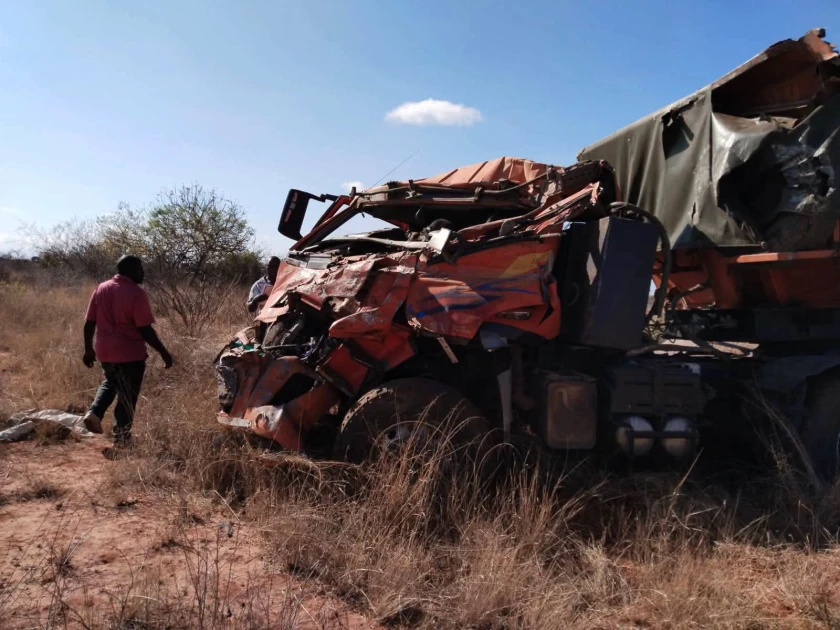
President William Ruto has ordered the inspection of all public service vehicles to ensure compliance with road safety regulations following a tragic accident along the Nairobi–Mombasa Highway in Makueni County that claimed 24 lives. The directive aims to improve vehicle safety, strengthen enforcement of traffic rules and prevent further loss of lives on Kenyan roads.
President William Ruto has directed the inspection of all public service vehicles across the country to ensure they comply with road safety standards following a tragic road accident along the Nairobi–Mombasa Highway in Makueni County that claimed 24 lives on Sunday. The directive comes amid renewed concerns over road safety in Kenya and the need for stricter enforcement of traffic regulations to prevent further loss of lives on the country's highways.
The accident has once again drawn attention to the dangers faced by motorists, passengers and other road users, particularly on busy highways that connect major towns and cities. The Nairobi–Mombasa Highway is one of Kenya's most important transport corridors, serving thousands of travellers and facilitating the movement of goods between the capital, the Coast region and neighbouring areas. Its heavy traffic makes compliance with road safety regulations essential for protecting passengers and other road users.
The President's directive is intended to establish whether public service vehicles operating on Kenyan roads meet the required safety standards. The inspection exercise is expected to focus on the condition of vehicles and their compliance with applicable transport regulations. Public service vehicles play a significant role in the country's transport system, carrying millions of passengers to work, school, business engagements and other destinations every day.
The announcement follows an accident that has left families grieving and communities mourning the loss of loved ones. The death of 24 people in a single road crash highlights the devastating consequences of road accidents and the importance of taking preventive measures before tragedies occur. Beyond the fatalities, serious accidents can leave survivors with life-changing injuries and impose emotional and financial burdens on families.
For families affected by such incidents, the consequences often extend far beyond the day of the accident. The loss of a family member can disrupt household income, affect children's education and leave relatives struggling to cope with grief. Where the deceased was a primary provider, surviving family members may face additional difficulties meeting basic needs. These realities underline why road safety should be treated as a national priority rather than a matter addressed only after major accidents.
Public service vehicles are an essential part of Kenya's transport network, especially for people who depend on buses, minibuses and other passenger vehicles for daily travel. However, their frequent use, long operating hours and movement along busy roads mean that proper maintenance and regular safety checks are necessary. Vehicles that are poorly maintained or operated in violation of safety requirements can expose passengers and other road users to serious risks.
A comprehensive inspection programme can help identify vehicles with mechanical problems, defective safety equipment or other issues that may compromise their roadworthiness. Such checks are important because certain mechanical faults may not be immediately visible to passengers. Problems involving brakes, tyres, lights, steering systems and other critical components can affect a vehicle's ability to respond safely in challenging road conditions.
Regular inspections should therefore be supported by effective enforcement. Identifying a defect is only the first step; the relevant authorities must also ensure that the problem is corrected before the vehicle resumes passenger operations. Where vehicles fail to meet the required standards, appropriate action should be taken in accordance with the law. This would help demonstrate that safety regulations are mandatory and that operators cannot continue exposing passengers to avoidable risks.
The inspection exercise also raises questions about the responsibilities of public service vehicle owners and operators. Transport businesses have an obligation to ensure that their vehicles are maintained and operated safely. This includes arranging regular servicing, addressing mechanical defects promptly and ensuring that vehicles are not used beyond their safe operating limits.
Vehicle owners must also recognise that maintenance is an essential business responsibility rather than an unnecessary expense. Delaying repairs or neglecting routine checks can increase the likelihood of mechanical failures and lead to greater costs in the long term. More importantly, poor maintenance can place passengers, drivers and other road users in danger.
Drivers also have an important role in preventing accidents. Even a vehicle that is mechanically sound can become dangerous when driven carelessly or in violation of traffic rules. Drivers are expected to observe speed limits, maintain safe distances, remain alert and exercise caution when overtaking or approaching busy areas. They should also avoid driving when fatigued or under the influence of alcohol or other substances that impair their ability to operate a vehicle safely.
Fatigue remains a significant concern in the transport sector, particularly for drivers who work long shifts or travel over extended distances. Tired drivers may experience slower reactions, reduced concentration and difficulty making sound decisions. Transport operators should therefore establish schedules that allow drivers sufficient rest and discourage practices that encourage excessive working hours.
Speed management is another critical element of road safety. Excessive speed reduces the time available to react to unexpected situations and increases the severity of injuries when collisions occur. On busy highways, drivers must consider traffic conditions, road surfaces, visibility and the behaviour of other road users rather than focusing only on reaching their destinations quickly.
Passengers also have a role to play in promoting safer travel. Travellers can help by choosing properly licensed transport operators, using available safety belts and reporting visibly unsafe vehicles where appropriate. Passengers should also be cautious about boarding overloaded vehicles or those whose drivers appear to be behaving recklessly. Although passengers may have limited control over how a vehicle is operated, their awareness of safety concerns can contribute to better decisions.
Overloading remains a concern because it can affect a vehicle's stability, braking performance and handling. Public service vehicles should carry only the number of passengers permitted under the applicable regulations. Operators who prioritise additional fares over passenger safety put lives at risk and undermine efforts to improve road transport standards.
The role of transport regulators will be crucial in implementing the President's directive. Effective inspections require clear procedures, sufficient personnel and coordination among the agencies responsible for road safety and public transport oversight. The exercise should be conducted consistently across different regions to avoid concentrating enforcement only on major towns or highways while unsafe vehicles continue operating elsewhere.
Transparency is also important in the inspection process. Clear communication about the requirements, inspection procedures and consequences of non-compliance can help operators understand their obligations. At the same time, enforcement officers must carry out their duties professionally and fairly. Inspections should focus on genuine safety concerns and should not become an opportunity for bribery, harassment or arbitrary decisions.
The government must also consider the practical challenges that vehicle owners may face when complying with inspection requirements. Where vehicles require repairs, operators should be encouraged to address the problems promptly and use qualified service providers. However, financial difficulties cannot justify operating vehicles that pose an unacceptable danger to passengers and other road users.
Beyond vehicle inspections, Kenya needs a comprehensive approach to road safety that addresses the different factors contributing to accidents. Road design, signage, lighting, traffic management, driver behaviour, vehicle condition and emergency response services all influence the level of risk on the roads. A coordinated approach can help identify recurring dangers and develop measures that reduce the likelihood of serious crashes.
Highways connecting major towns carry a mixture of passenger vehicles, private cars, trucks, motorcycles and other forms of transport. These different road users often travel at varying speeds and have different levels of protection in the event of a collision. Careful road planning, visible signage, appropriate speed limits and effective traffic enforcement can help reduce conflicts and improve safety.
Road maintenance is equally important. Damaged road surfaces, unclear markings, inadequate warning signs and poorly designed junctions can create dangerous conditions, particularly when combined with speeding or poor visibility. Authorities responsible for road infrastructure should regularly assess high-risk sections and address hazards that could contribute to accidents.
Public awareness campaigns can reinforce these efforts by educating drivers and passengers about responsible road use. Such campaigns should communicate practical safety information in ways that reach different communities, including professional drivers, schoolchildren, pedestrians, motorcyclists and long-distance travellers. Consistent public education can help strengthen a culture in which road safety is regarded as everyone's responsibility.
Emergency response services are another essential part of the road safety system. When accidents occur, the speed and quality of medical assistance can influence the outcome for injured victims. Strengthening ambulance services, improving communication between emergency teams and health facilities, and ensuring that responders can reach accident scenes quickly may help reduce preventable deaths.
The aftermath of major accidents also demonstrates the importance of accurate investigations. Establishing the circumstances surrounding a crash can help authorities determine whether mechanical failure, driver behaviour, road conditions or other factors contributed to the incident. Investigations should be thorough and impartial, allowing the findings to inform future prevention measures and any necessary legal action.
The Makueni accident has placed renewed attention on the safety of public transport and the measures required to protect people travelling along major highways. While the President's inspection directive signals an intention to strengthen oversight, its effectiveness will depend on implementation, enforcement and continued monitoring after the initial exercise.
A nationwide inspection programme should not be viewed as a one-time response to a tragic incident. Road safety requires continuous attention because vehicles remain in service, mechanical conditions change and new risks emerge. Regular compliance checks, reliable maintenance records and consistent enforcement can help ensure that safety standards remain in place long after public attention shifts to other issues.
The government, transport operators, drivers, passengers and road agencies all have responsibilities in reducing the number and severity of road accidents. Each group influences a different part of the transport system, and weaknesses in one area can undermine progress in others. Cooperation and accountability are therefore necessary to create safer travel conditions.
For transport operators, the priority should be to maintain vehicles properly and ensure that drivers follow the law. For regulators, it should be to enforce standards fairly and consistently. For drivers, it should be to exercise caution and prioritise the safety of passengers over speed or financial pressure. For passengers, it should be to take reasonable precautions and report serious safety concerns.
The loss of 24 lives in the Makueni accident is a painful reminder of the human cost of road crashes. Behind the reported number are individuals whose lives have been cut short, families facing grief and communities affected by the tragedy. Preventing similar incidents requires more than expressions of concern; it demands practical action, responsible behaviour and sustained commitment to road safety.
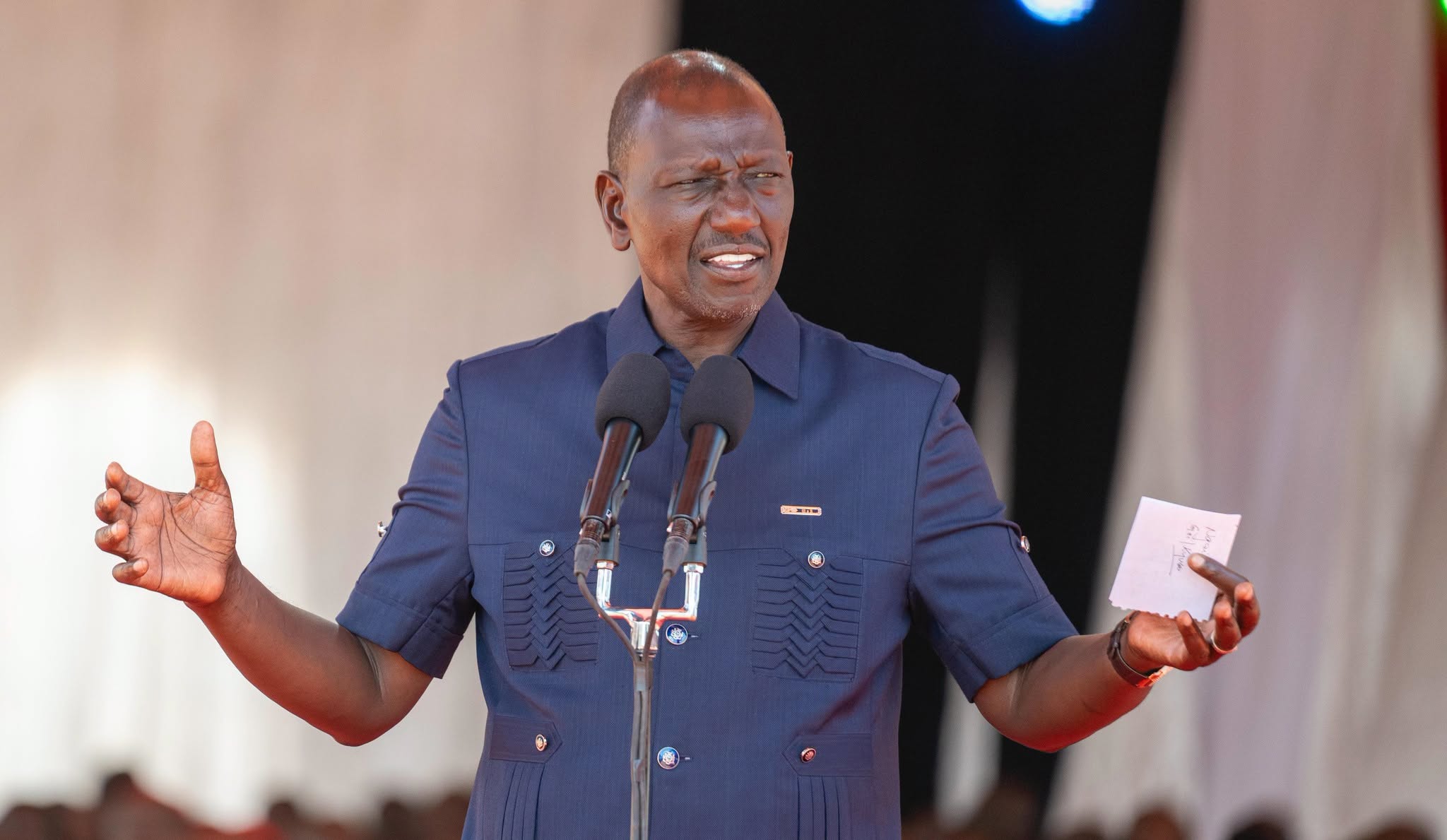
President Ruto's directive to inspect public service vehicles places vehicle compliance at the centre of the immediate response.

You Might Also Like
-
The death toll from the tragic road accident at Kanga area along the Mtito Andei–Mombasa Highway has risen to 24 after two more victims succumbed to injuries sustained in the crash. The incident has left families grieving and renewed concerns over road safety on one of Kenya’s major transport ro
-
The suspension of the 94-day public health officers' strike on October 25, 2026, marks an important development in Kenya's ongoing efforts to restore public health services. The intervention by Health Cabinet Secretary Aden Duale has created an opportunity for the government and the Kenya Environmen
-
President William Ruto has urged political leaders to put aside petty politics and focus on attracting investors to Kenya, stressing that the country’s development depends on its ability to create a favourable business environment, promote economic growth, generate employment and unlock investment
-
The death of Kenya's second Ebola victim, a 65-year-old woman who died on October 23, 2026, and her burial at Lang’ata Cemetery the following day highlighted the challenges facing the country as it responds to Bundibugyo Ebola virus disease. The burial was conducted under strict health protocols,
-
PS Raymond Omollo's call for leaders and young people to uphold peace and reject political violence is an important message as Kenya prepares for the 2027 General Election. His latest reported remarks in Nakuru on October 24, 2026, focused on preventing political manipulation, protecting the rights
-
Rescue operations at the collapsed building in Eastleigh, Nairobi, have entered their third day, with four people rescued alive, according to Police Spokesperson Michael Nyaga Muchiri. Emergency response teams continue working through the rubble in search of anyone who may still be trapped, as anxio