PS Raymond Omollo Calls on Kenyan Leaders to Uphold Peace and Reject Political Violence Ahead of 2027 Elections
PS Raymond Omollo's call for leaders and young people to uphold peace and reject political violence is an important message as Kenya prepares for the 2027 General Election. His latest reported remarks in Nakuru on October 24, 2026, focused on preventing political manipulation, protecting the rights of residents, discouraging ethnic divisions and ensuring that disagreements do not result in violence. He also urged parents to guide young people away from criminal activities and called on communities to preserve the peaceful coexistence they have built over the years.
Internal Security and National Administration Principal Secretary (PS) Dr Raymond Omollo has renewed calls for peace, national unity and responsible political leadership, urging Kenyan leaders and young people to reject political violence as the country moves closer to the 2027 General Election.
His message comes amid growing concerns about political intolerance, the alleged use of criminal gangs to disrupt public gatherings, intimidation of political opponents and the risk of violence during political mobilisation. Omollo has repeatedly warned that political competition should not be used as an excuse to threaten lives, destroy property or interfere with the democratic rights of Kenyans. One of the key messages from Omollo's latest remarks was his warning to young Kenyans against allowing politicians to use them to create disorder, intimidate opponents or disrupt public meetings.
According to a report published on October 24, the principal secretary urged young people to protect their future instead of participating in activities that could expose them to arrest, injury or death. He warned that political violence could destroy the lives of young people while benefiting those who organise or finance the confrontations.
Omollo's message reflects concerns about the recruitment of young people into groups allegedly involved in political intimidation. Such groups can be used to disrupt rallies, attack supporters of rival political camps, interfere with public events and create fear among residents.Omollo also called on Kenyans to distinguish between political competition and hostility among citizens. He stressed that disagreements between leaders should not become a reason for ordinary people to fight, threaten one another or destroy property.
Kenya is a diverse country whose communities have different political preferences, cultural backgrounds and social interests. According to the principal secretary's message, these differences should not prevent citizens from living together peacefully.
The warning carries particular importance in cosmopolitan counties such as Nakuru, where residents from different communities live, work, operate businesses and participate in public affairs.Every Kenyan has a right to live anywhere in the country
Another important issue raised by Omollo was the right of Kenyans to live and work in any part of the country, provided they obey the law.
The principle is important because political tensions can sometimes lead to threats against people perceived to support rival political groups or to come from different communities.
Omollo warned against creating an atmosphere in which residents feel unsafe because of their political affiliations or backgrounds. He called for an environment where citizens can conduct their daily activities without intimidation or interference. Kenya's multiparty democracy allows candidates and political parties to compete for public support. Supporters should be able to listen to different leaders, examine their proposals and make informed decisions without being threatened.
The principal secretary has previously stated that political leaders from different formations have a right to campaign across the country as long as they comply with the law and respect public order. In remarks reported on August 17, 2026, he maintained that political activity should be allowed while security agencies ensure that the law is observed.
This position means that peaceful political meetings should not be disrupted simply because some residents disagree with the organisers.
At the same time, political freedom does not give anyone the right to assault others, damage property, incite violence or interfere with other people's rights.The responsibility for maintaining peace also falls on security agencies, including the National Police Service and local administrative officers.
Omollo's message highlights the need for security teams to respond promptly to threats, prevent confrontations from escalating and protect citizens attending lawful political gatherings.
Police officers are expected to enforce the law impartially, regardless of the political affiliation or social standing of those involved. Where violence occurs, investigations should establish what happened and identify those responsible.
Security agencies also need to work with community leaders and residents to identify potential sources of conflict before they develop into serious incidents.When violence occurs, businesses may be forced to close, transport services can be interrupted and workers may be unable to reach their workplaces. Traders may lose stock, property owners may face destruction of buildings and families may suffer financial losses.
Schools, hospitals and other public services can also be affected when insecurity prevents staff and members of the public from accessing facilities.
In areas where residents depend on small businesses, farming, transport and informal employment, even a short period of unrest can have serious consequences.
Peaceful communities are better positioned to attract investment, support local enterprise and benefit from government development programmes.Omollo's remarks in Nakuru were delivered during a meeting with members of minority communities hosted by Bahati Member of Parliament Irene Njoki at St Michael Catholic Church in Maili Sita.
Njoki also called for unity, urging politicians to avoid mobilising residents along ethnic lines. She argued that political competition should focus on development achievements and the programmes leaders intend to implement rather than on divisions between communities.
Her message echoed Omollo's concerns about preserving peace in a county whose population includes people from different parts of Kenya.
The meeting provided an opportunity to emphasise the importance of cooperation between leaders and residents in protecting social cohesion.The importance of peaceful participation in the 2027 General Election
With the 2027 General Election approaching, Omollo's warning serves as a reminder that the conduct of leaders and their supporters will influence the political environment.
A peaceful election requires more than the absence of violence on polling day. It also depends on responsible campaigning, respect for opposing candidates, accurate public communication and the ability of citizens to make choices without coercion.
Political parties should educate their supporters about lawful conduct and take action against members who organise intimidation or violence.Young people can contribute by registering as voters, checking candidates' records, attending peaceful forums and discussing policies that affect employment, education, healthcare and the cost of living.
Religious institutions and civil society organisations can also promote reconciliation and encourage leaders to resolve disagreements through dialogue.
The police and electoral institutions have a responsibility to protect citizens' rights and respond appropriately to violations of the law.
Above all, political leaders must recognise that winning support should never come at the cost of human life or the destruction of property.

You Might Also Like
-
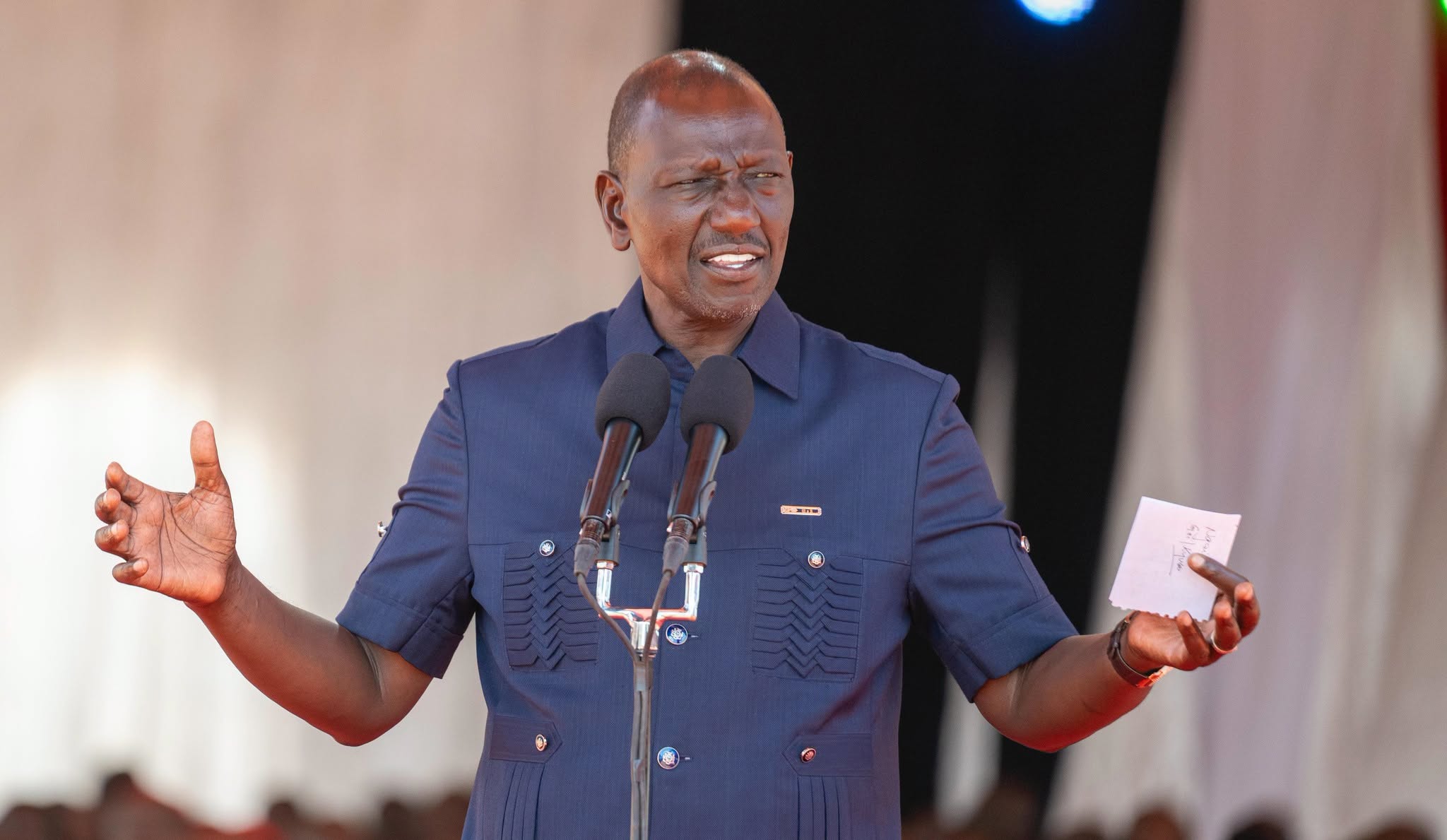
President William Ruto has urged political leaders to put aside petty politics and focus on attracting investors to Kenya, stressing that the country’s development depends on its ability to create a favourable business environment, promote economic growth, generate employment and unlock investment
-
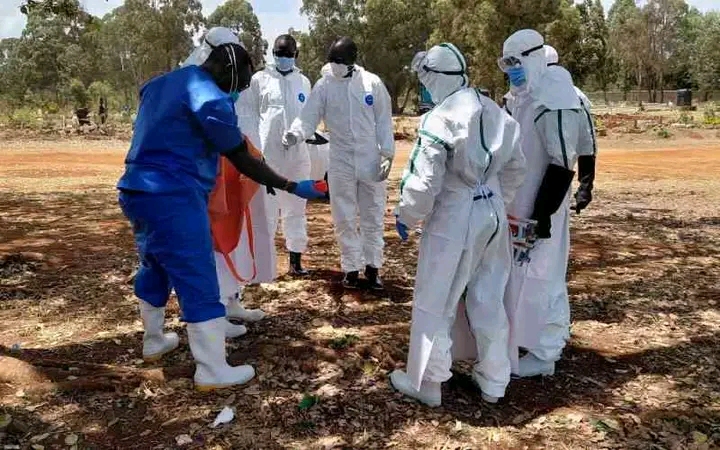
The death of Kenya's second Ebola victim, a 65-year-old woman who died on October 23, 2026, and her burial at Lang’ata Cemetery the following day highlighted the challenges facing the country as it responds to Bundibugyo Ebola virus disease. The burial was conducted under strict health protocols,
-
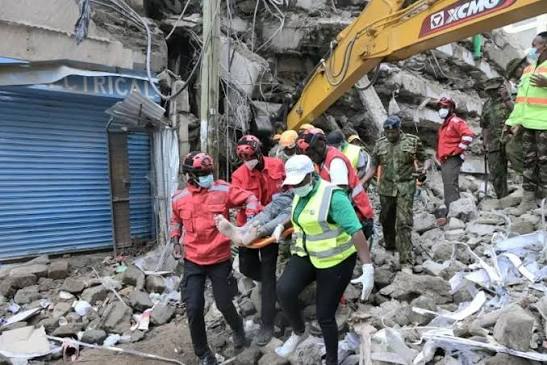
Rescue operations at the collapsed building in Eastleigh, Nairobi, have entered their third day, with four people rescued alive, according to Police Spokesperson Michael Nyaga Muchiri. Emergency response teams continue working through the rubble in search of anyone who may still be trapped, as anxio
-
At least 22 people have reportedly died and several others sustained injuries following a collision involving a bus and a lorry along the Nairobi–Mombasa Highway. The accident has renewed concerns over road safety, with calls for responsible driving, strict enforcement of traffic regulations and m
-
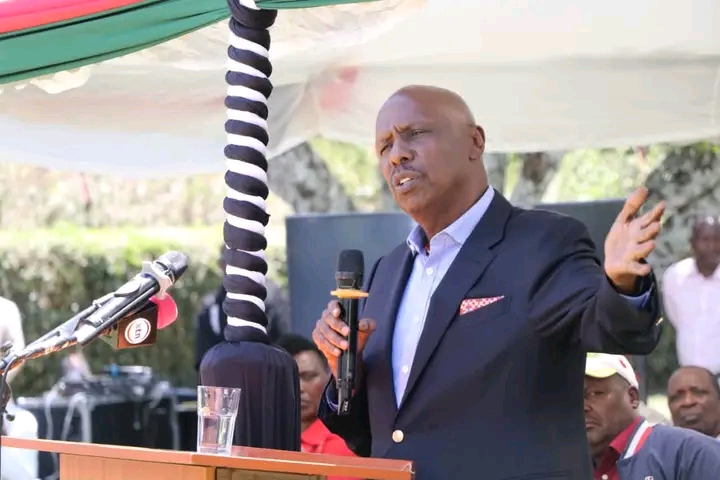
KANU chairman Gideon Moi has accused President William Ruto of failing to honour commitments he says were made during negotiations that led him to withdraw from the Baringo Senate by-election in 2025. Speaking to Kalenjin elders and community representatives at his Kabarak home in Nakuru County on O
-
President William Ruto has described Wiper leader Kalonzo Musyoka as a truthful politician who acknowledges development achievements whenever work has been done. Ruto’s remarks highlight the importance of recognising progress despite political differences, as leaders continue to debate government