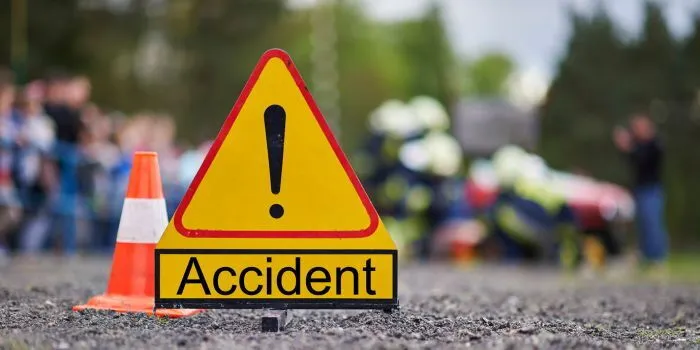
At least 22 people have been killed and several others injured in a collision involving a bus and a lorry along the Nairobi–Mombasa Highway.
At least 22 people have reportedly died and several others sustained injuries following a collision involving a bus and a lorry along the Nairobi–Mombasa Highway. The accident has renewed concerns over road safety, with calls for responsible driving, strict enforcement of traffic regulations and measures to prevent similar tragedies.
A devastating road accident involving a bus and a lorry along the Nairobi–Mombasa Highway has reportedly claimed at least 22 lives and left several other people injured, raising renewed concerns about road safety on one of Kenya’s busiest transport corridors. The collision has caused grief among families and communities as the injured receive medical attention and efforts continue to establish the full circumstances surrounding the tragedy.
The Nairobi–Mombasa Highway is a major route connecting the capital city to the coastal region and serving thousands of motorists, passengers, commercial drivers and transport operators every day. The highway plays a critical role in the movement of people and goods, linking businesses, towns, ports and other economic centres. However, the high volume of traffic, including long-distance buses and heavy commercial vehicles, makes road safety a significant concern along the route.
The reported death toll of at least 22 people highlights the devastating consequences of serious road collisions. Every fatal accident leaves behind families struggling to cope with the sudden loss of loved ones, while survivors may face painful injuries, emotional distress and lengthy recovery periods. The effects often extend beyond those directly involved, affecting entire communities and the livelihoods of dependants.
For families who lose their loved ones in road accidents, the aftermath can be overwhelming. Relatives are left to deal with grief while making arrangements for burial and supporting other family members who depended on the deceased. In cases where victims were the main providers for their households, the loss can also create serious financial difficulties, particularly for children and elderly relatives who relied on them.
Those injured in the collision may require emergency treatment, hospital admission and further medical care depending on the severity of their injuries. Some survivors of serious road accidents experience long recovery periods, which can affect their ability to return to work or resume their normal daily activities. Their families may also face additional expenses related to treatment, transport and caregiving.
Road accidents involving buses and heavy commercial vehicles can have particularly serious consequences because of the size and weight of the vehicles involved. A collision between such vehicles can cause extensive damage, especially when passengers are travelling in a bus that sustains a severe impact. The outcome often depends on several factors, including the speed of the vehicles, the point of impact, road conditions and whether passengers were protected by appropriate safety measures.
The circumstances surrounding the crash will be important in determining what led to the collision and whether any safety regulations were breached. Investigators would need to establish the movements of both vehicles before the impact, the condition of the road, visibility at the time and whether either driver attempted to avoid the collision.
It is also important to establish whether mechanical failure, speeding, fatigue, dangerous overtaking or other factors may have contributed to the accident. These remain possible causes of serious road crashes generally and should not be treated as confirmed explanations for this particular incident until investigations establish the facts.
The Nairobi–Mombasa Highway carries a mixture of private cars, public service vehicles, passenger buses, trucks and other commercial vehicles. The different speeds, sizes and braking capabilities of these vehicles require drivers to exercise caution, maintain safe following distances and remain alert to changing traffic conditions.
Long-distance drivers face additional challenges, particularly when travelling for extended periods. Fatigue can affect concentration, reaction time and decision-making, increasing the risk of mistakes behind the wheel. Drivers and transport companies therefore have a responsibility to ensure that journeys are planned safely and that drivers receive adequate rest before continuing their trips.
Speed management is another important aspect of road safety. Travelling at excessive speed reduces the time available to respond to unexpected situations and increases the distance required to bring a vehicle to a complete stop. When a collision occurs at high speed, the force of impact can also increase the likelihood of severe injuries and fatalities.
Road safety experts have consistently emphasised the importance of responsible driving, compliance with traffic regulations and regular vehicle inspections. Drivers are expected to avoid dangerous overtaking, maintain safe distances and remain attentive throughout their journeys. Commercial transport operators also have a responsibility to ensure their vehicles are properly maintained and that drivers follow established safety procedures.
The tragedy also draws attention to the importance of emergency response services along major highways. Following serious collisions, the speed with which injured people receive assistance can be crucial. Prompt rescue operations, access to ambulances and timely transportation to medical facilities can help improve the chances of survival for victims with serious injuries.
Emergency responders must often work under difficult circumstances when a collision involves heavily damaged vehicles or numerous casualties. They may need to assess the scene, assist trapped passengers, provide immediate medical care and coordinate the transportation of injured people to hospitals. Such operations require careful coordination to protect survivors, rescue personnel and other road users.
Members of the public who arrive at accident scenes can also play a role by alerting emergency services and providing accurate information about the location and nature of the incident. However, untrained individuals should avoid actions that could worsen injuries or expose victims to additional danger. Keeping access routes clear for ambulances and rescue teams is equally important.
The reported fatalities also underline the need for sustained public awareness campaigns targeting drivers, passengers and other road users. Road safety cannot depend solely on enforcement by authorities; it requires a collective commitment to responsible behaviour. Drivers must observe traffic rules, passengers should use available safety restraints and transport operators must place the protection of human life above pressure to meet tight schedules.
Passengers travelling by bus can contribute to their own safety by wearing seat belts where provided and avoiding conduct that distracts drivers. They should also report dangerous driving practices through appropriate channels when it is safe to do so. Although passengers cannot control every situation on the road, basic precautions can reduce certain risks.
Authorities responsible for transport regulation and road safety also have an important role in monitoring compliance with existing laws. Inspections, enforcement against dangerous driving and appropriate action against repeat offenders can help discourage risky behaviour. Where investigations identify specific violations, the findings should be handled through the relevant legal and administrative procedures.
Infrastructure is another important consideration in preventing road accidents. Road markings, warning signs, lighting where necessary and clearly identified junctions can help drivers navigate safely. Authorities should assess locations where collisions occur frequently and determine whether improvements to road design, signage or traffic management are required.
Nevertheless, safer infrastructure must be accompanied by responsible road use. Even well-maintained roads cannot eliminate the risks created by excessive speed, impaired driving, fatigue or reckless manoeuvres. A comprehensive approach combining enforcement, education, vehicle safety and infrastructure improvements offers a stronger foundation for reducing road fatalities.
For families affected by the Nairobi–Mombasa Highway collision, immediate concerns will include identifying victims, obtaining information about injured relatives and making arrangements for medical treatment and burial. Accurate communication from relevant authorities can help families understand what has happened and avoid confusion during an already distressing period.
The identification process following a major accident can be particularly difficult when victims have sustained severe injuries. Authorities and medical personnel must follow appropriate procedures to establish identities and ensure that information released to the public is accurate. Respect for the privacy and dignity of victims and their families is essential throughout this process.
The incident may also prompt renewed discussion about the responsibilities of public transport operators and commercial vehicle owners. Companies operating passenger buses must ensure that their vehicles meet safety requirements, that drivers are qualified and fit for duty, and that operating practices do not encourage dangerous behaviour. Heavy goods vehicle operators must similarly ensure that their drivers and vehicles comply with applicable regulations.
Passengers entrust their lives to transport providers whenever they board a bus for a long-distance journey. That responsibility makes safety a central obligation rather than an optional consideration. Transport companies should therefore promote a culture in which drivers are encouraged to prioritise safe travel, even when delays or difficult road conditions disrupt schedules.
At the community level, the tragedy serves as a painful reminder of the human cost of road accidents. The loss of 22 lives, if confirmed, represents far more than a statistic. Each person had family connections, personal ambitions and responsibilities that may now be profoundly affected by the reported deaths.
The impact of such an incident can continue long after the crash scene has been cleared. Survivors may require physical rehabilitation or emotional support, while bereaved families may need assistance as they adjust to life without their loved ones. Communities and relevant support organisations can help affected households navigate these difficult circumstances.
As investigations establish the circumstances of the collision, it will be important for authorities to communicate verified findings and clarify any measures required to prevent similar incidents. Any conclusions about responsibility should be based on evidence rather than speculation, particularly while the cause of the crash remains uncertain.
The reported collision along the Nairobi–Mombasa Highway has once again placed road safety at the centre of public concern. With at least 22 people reportedly dead and several others injured, the incident highlights the devastating consequences of serious road crashes and the urgent need for continued vigilance by motorists, transport operators and authorities.

You Might Also Like
-
President William Ruto has urged political leaders to put aside petty politics and focus on attracting investors to Kenya, stressing that the country’s development depends on its ability to create a favourable business environment, promote economic growth, generate employment and unlock investment
-
The death of Kenya's second Ebola victim, a 65-year-old woman who died on October 23, 2026, and her burial at Lang’ata Cemetery the following day highlighted the challenges facing the country as it responds to Bundibugyo Ebola virus disease. The burial was conducted under strict health protocols,
-
PS Raymond Omollo's call for leaders and young people to uphold peace and reject political violence is an important message as Kenya prepares for the 2027 General Election. His latest reported remarks in Nakuru on October 24, 2026, focused on preventing political manipulation, protecting the rights
-
Rescue operations at the collapsed building in Eastleigh, Nairobi, have entered their third day, with four people rescued alive, according to Police Spokesperson Michael Nyaga Muchiri. Emergency response teams continue working through the rubble in search of anyone who may still be trapped, as anxio
-
KANU chairman Gideon Moi has accused President William Ruto of failing to honour commitments he says were made during negotiations that led him to withdraw from the Baringo Senate by-election in 2025. Speaking to Kalenjin elders and community representatives at his Kabarak home in Nakuru County on O
-
President William Ruto has described Wiper leader Kalonzo Musyoka as a truthful politician who acknowledges development achievements whenever work has been done. Ruto’s remarks highlight the importance of recognising progress despite political differences, as leaders continue to debate government