Gideon Moi Breaks Silence in Kabarak, Accuses President Ruto of Unfulfilled Promises and Signals New Political Direction
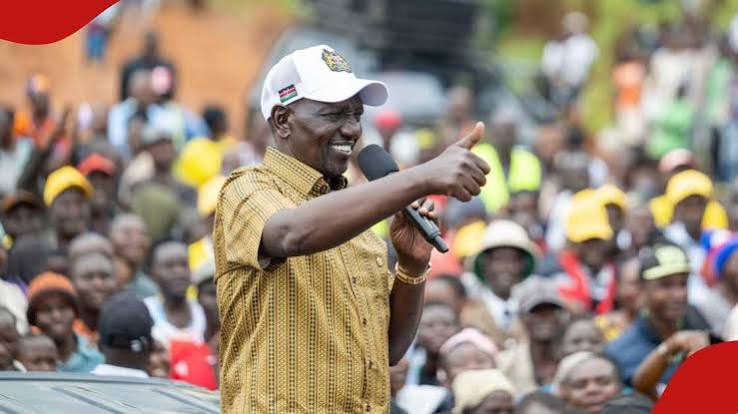
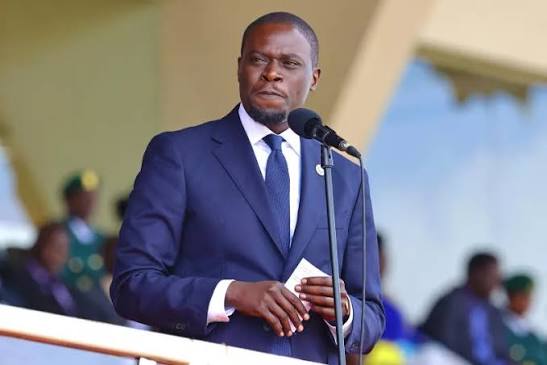
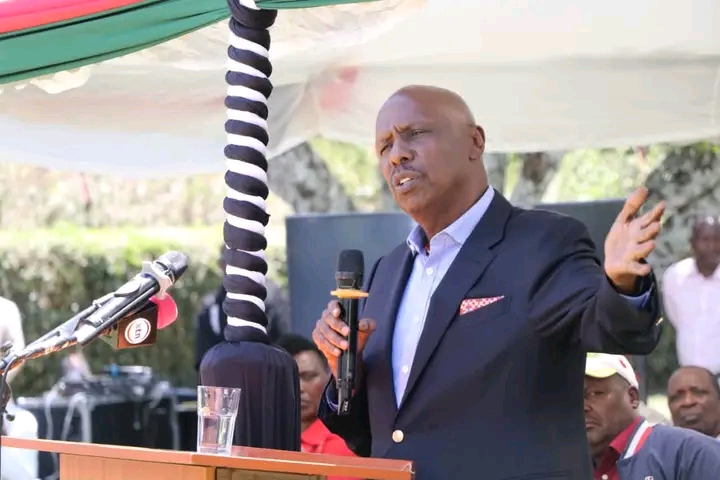
KANU chairman Gideon Moi has accused President William Ruto of failing to honour commitments he says were made during negotiations that led him to withdraw from the Baringo Senate by-election in 2025. Speaking to Kalenjin elders and community representatives at his Kabarak home in Nakuru County on October 23, 2026, Moi said he had sought development commitments for Baringo, particularly the completion of stalled roads and dams, rather than personal benefits. He apologised to his community for stepping aside, criticised the delays in resolving the agreement and rejected suggestions that the Standard Group media organisation was being used to settle political scores. His remarks have renewed debate about the future of the relationship between him and Ruto, KANU's political direction and the competition for influence in the Rift Valley ahead of the 2027 General Election.
KANU party chairman Gideon Moi has made strong remarks about his political relationship with President William Ruto, accusing the Head of State of failing to honour commitments he says were made during negotiations that led him to withdraw from the Baringo senatorial by-election in 2025.Speaking on Friday, October 23, 2026, while hosting elders and representatives of different Kalenjin sub-tribes at his Kabarak home in Nakuru County, Moi revisited the circumstances surrounding his decision to step aside from the contest. He said he had acted in good faith, believing that the discussions with the President would help address stalled development projects in Baringo County.
The meeting attracted attention because it signalled a major shift in the relationship between the two leaders, whose political rapprochement in October 2025 had raised expectations of cooperation between KANU and the ruling United Democratic Alliance (UDA).
Moi expressed disappointment over what he described as repeated delays in fulfilling the commitments he had expected the government to implement. He also apologised to members of his community for withdrawing from the senatorial race, saying he had trusted the President's assurances when making that decision.Moi says he is still waiting for the President to honour commitments
One of the main messages from Gideon Moi's address was his insistence that President Ruto should fulfil the commitments he says were made during their political negotiations.
Moi explained that he had agreed to step aside from the Baringo senatorial by-election because he believed the discussions would lead to progress on issues affecting residents. He said the agreement was not primarily about securing personal advantages but about addressing development needs in his home county.Stalled roads and dams in Baringo County
Development projects in Baringo were central to Moi's explanation of why he had initially sought the Senate seat.
He referred to unfinished development work, particularly roads and dams, saying these were among the issues he wanted addressed. His remarks suggested that he had been motivated by a desire to see outstanding projects completed rather than by a personal political reward.
Road infrastructure is important in rural communities because it affects access to schools, health facilities, markets and agricultural collection centres. Poor roads can increase transport costs, delay the movement of goods and make it difficult for residents to access essential services, particularly during rainy seasons.To understand the significance of Moi's latest remarks, it is necessary to revisit the events of October 2025.
Moi had been selected by KANU to contest the Baringo Senate seat following the death of Senator William Cheptumo in February 2025. He had previously served as Baringo senator from 2013 to 2022.
However, he withdrew from the by-election after holding discussions with President Ruto, including a meeting at State House in Nairobi on October 9, 2025, followed by a gathering at Kabarak on October 10.
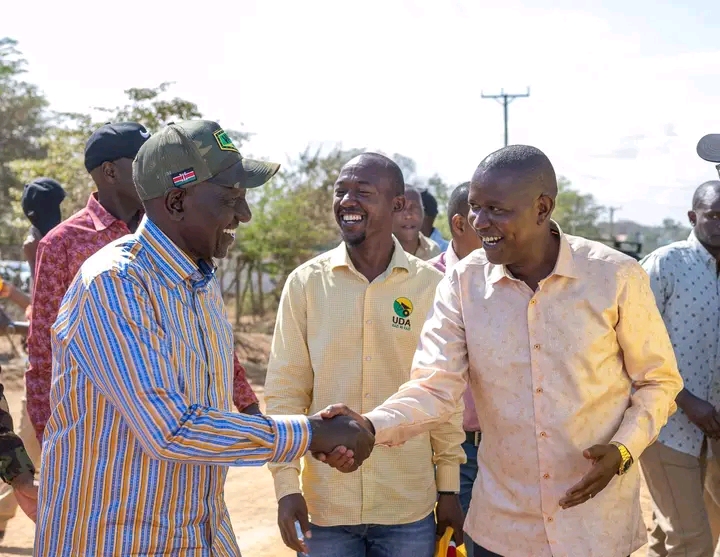
Ruto subsequently confirmed that he had personally approached Moi and asked him to step aside in the interest of political cooperation. Moi agreed, and the ruling UDA candidate, Vincent Kiprono Chemitei, later won the November 27, 2025 by-election. He asked Kalenjin elders and residents to forgive him for the decision he made during the previous year's Senate by-election. He maintained that he had acted with a sincere intention, believing that his cooperation with the President would help resolve outstanding issues.
The apology is significant because political decisions are often judged not only by their intentions but also by their outcomes. Supporters who had expected Moi to contest the election may have felt disappointed when he withdrew, particularly if they believed the decision weakened their political representation.
By addressing elders and representatives of different Kalenjin sub-tribes, Moi was speaking to an audience with an important role in community discussions and political mobilisation.Claims of provocation and concerns about family property
Reports from the Kabarak meeting also indicated that Moi raised concerns about what he described as unnecessary provocation during the preceding year.
These included allegations concerning personal attacks, the treatment of a member of his staff and the occupation of family property near Eldoret.
A report that Moi complained about armed police officers moving onto a five-acre property associated with his family. The report also noted that the family, through its lawyer, disputed the manner in which the occupation took place.The region has a large electorate and has historically played a significant role in determining the outcome of Kenyan presidential elections. Any competition between established political figures for influence in the region could therefore have implications for the 2027 polls.
A report that Moi intended to pursue an independent political direction, although he did not specify which party or alliance he would support or whether he intended to seek an elective position.
For KANU, the developments present both a challenge and an opportunity. The party must determine how to position itself in an increasingly competitive political environment while responding to questions about its relationship with the current administration.What the remarks mean for residents of Baringo
Beyond the political personalities involved, the disagreement raises an important question for residents: what will happen to the development projects that Moi says formed part of his discussions with the President?
For residents, the most important outcome would be tangible progress on the roads, dams and other infrastructure they need.
Political negotiations can create opportunities for cooperation between leaders, but their value is ultimately measured by implementation. Communities need clear information about which projects have been approved, which have received funding, when construction will begin or resume, and which government agency is responsible for delivery.The disagreement also illustrates the tension between political unity and accountability.
When Ruto and Moi announced their cooperation in October 2025, the arrangement was presented as part of a wider effort to bring political leaders together and prioritise national development.
Political cooperation can help governments build consensus, reduce unnecessary conflict and coordinate development programmes. However, cooperation also depends on trust, communication and a shared understanding of commitments.
Moi's complaint is that he acted on an understanding that has not been fulfilled. His position raises questions about how political commitments should be communicated, documented and evaluated.He accused the President of failing to fulfil commitments he says were made before he withdrew from the Baringo senatorial by-election. He identified stalled roads and dams among the development issues he wanted addressed, apologised to residents for stepping aside and defended the independence of the Standard Group amid criticism directed at the media organisation.
The meeting also brought renewed attention to his political future and the contest for influence in the Rift Valley ahead of the 2027 General Election.
The next important development will be whether the President or the government responds to Moi's allegations with clarification about the discussions and the status of the projects he mentioned.
Ultimately, the people of Baringo will be looking for practical results, while political observers will be watching to see whether the disagreement leads to reconciliation or a new phase of competition between the two leaders.

You Might Also Like
-
President William Ruto has described Wiper leader Kalonzo Musyoka as a truthful politician who acknowledges development achievements whenever work has been done. Ruto’s remarks highlight the importance of recognising progress despite political differences, as leaders continue to debate government
-
President William Ruto's October 24, 2026, visit to Mbiuni in Mwala Constituency placed water infrastructure at the centre of the government's development agenda for Ukambani. The commissioning of Phase Two of the Mwala Cluster Last Mile Water Supply Project is intended to improve access to water fo
-
Nairobi Governor Johnson Sakaja has called on the architect linked to the collapsed Eastleigh building to explain how construction proceeded without the required approvals. The incident has raised concerns about building safety, compliance with construction regulations and the effectiveness of inspe
-
The welcome of Kenya's Deputy President Kithure Kindiki by Ethiopian Prime Minister Abiy Ahmed at the 12th Tana High-Level Forum on Security in Africa draws attention to the importance of diplomatic engagement among African leaders. Taking place in Bahir Dar from October 23 to 25, 2026, the forum f
-
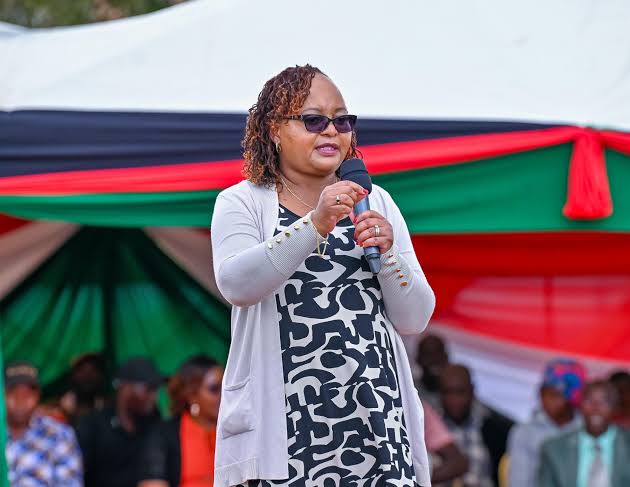
Kirinyaga Governor Anne Waiguru has urged Mt. Kenya voters to prioritise development and reject opposition rhetoric as the country prepares for the 2027 General Election. Waiguru has called on residents to support President William Ruto’s re-election bid, emphasising the importance of infrastructu
-
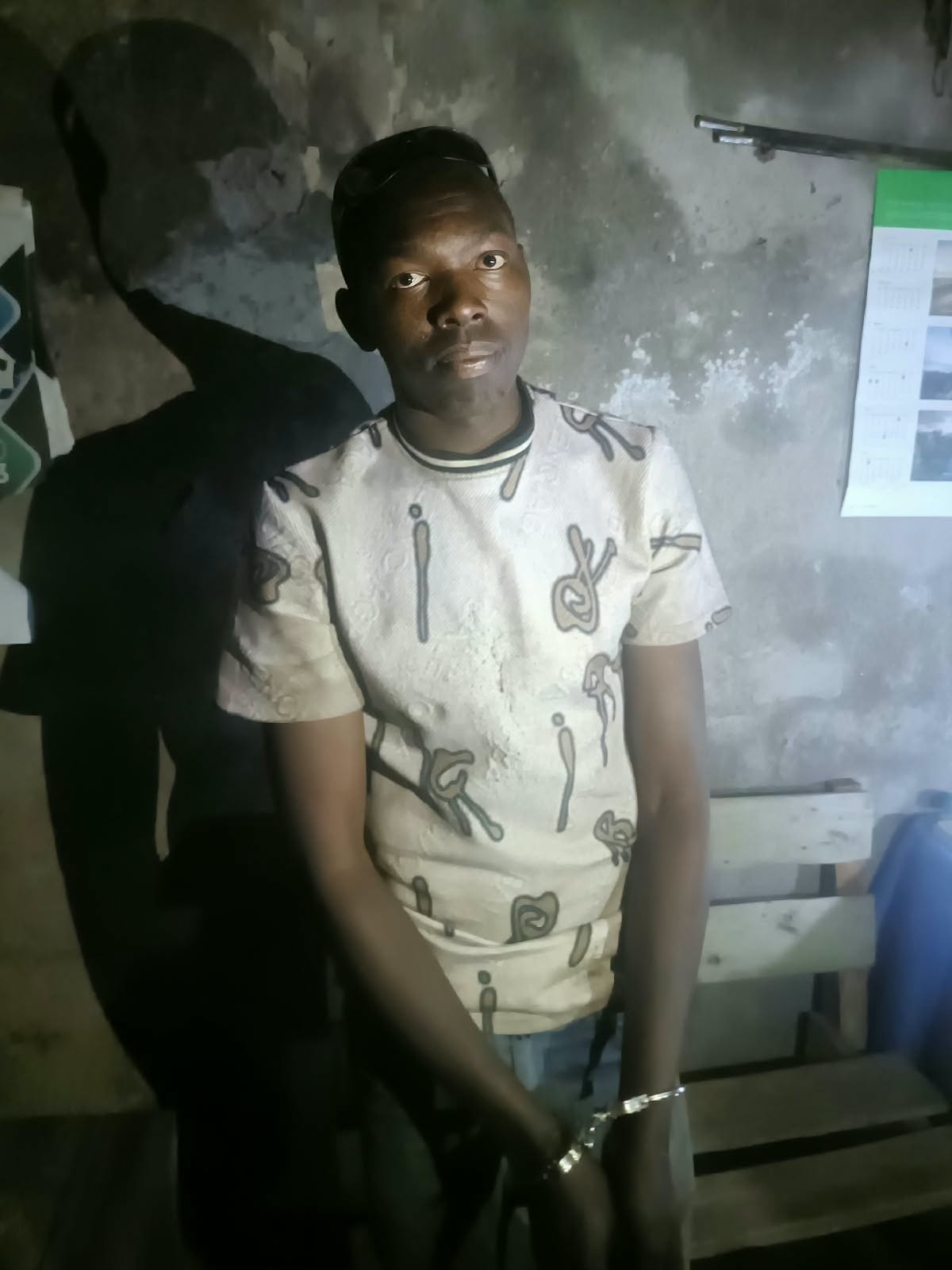
The Directorate of Criminal Investigations (DCI) has arrested Festus Kipkirui, alias Festoo, in Mararianda, Narok East, over alleged online incitement linked to a Facebook page operating under the name Kipz Prince en Narok. The suspect was apprehended by a joint team of detectives from the DCI Headq