William Ruto describes Kalonzo Musyoka as a truthful leader who acknowledges development achievements
President William Ruto has described Wiper leader Kalonzo Musyoka as a truthful politician who acknowledges development achievements whenever work has been done. Ruto’s remarks highlight the importance of recognising progress despite political differences, as leaders continue to debate government performance, public accountability and development priorities. The comments come amid ongoing national discussions about infrastructure, economic growth and the delivery of essential services to Kenyans.
President William Ruto has described Wiper Democratic Movement leader Kalonzo Musyoka as an honest politician who acknowledges development achievements whenever he believes meaningful work has been done. Ruto’s remarks have drawn attention to the relationship between political leadership, public accountability and the importance of recognising development efforts regardless of political differences.
The president’s comments highlight the role that political dialogue can play in shaping national discussions about development. In Kenya’s competitive political environment, leaders often disagree over government policies, the implementation of projects and the management of public resources. However, Ruto’s remarks suggest that political differences do not necessarily prevent leaders from recognising achievements when they believe such progress has been made.
Kalonzo, a veteran politician who has served in several senior government positions, remains an influential figure in Kenyan politics. Over the years, he has participated in national political debates, presidential campaigns and discussions concerning governance, economic development and the welfare of citizens. His political experience has placed him among the leaders whose views continue to attract attention whenever major national issues arise.
Ruto’s description of Kalonzo as a truthful man reflects the president’s assessment of the opposition leader’s approach to acknowledging development achievements. By emphasising that Kalonzo recognises work that has been done, Ruto presented him as someone capable of giving credit where he believes it is deserved. The comments also bring into focus the broader question of how political leaders assess the performance of government institutions and development programmes.
In a democratic society, political leaders play an important role in examining government performance and communicating the concerns of citizens. Those in government are expected to explain their policies, demonstrate progress on their commitments and account for the use of public resources. Opposition leaders, meanwhile, have a responsibility to scrutinise government actions, raise concerns about shortcomings and offer alternative proposals.
This process allows the public to hear different perspectives on national priorities and make informed judgments about leadership. While political competition can sometimes lead to sharp disagreements, constructive engagement can also provide opportunities for leaders to identify shared interests and discuss solutions to common challenges.
Development remains one of the most important issues in Kenya’s political conversation. Citizens across the country continue to demand better roads, reliable electricity, accessible healthcare, quality education, clean water and more opportunities for employment. These needs affect households in both urban and rural areas, making the delivery of essential services a key measure through which many people evaluate their leaders.
For many Kenyans, development is not simply about announcing new projects or launching construction works. It is also about whether completed projects improve daily life, reduce the cost of accessing services and create opportunities for families and businesses. A road, for example, may help farmers transport their produce to markets, enable children to reach schools more easily and reduce travel time for people seeking medical care.
Similarly, improved electricity connections can support small businesses, encourage investment and help households access services that depend on reliable power. Investments in water infrastructure can reduce the time families spend searching for water, while improvements in healthcare can help communities receive treatment closer to home.
These practical outcomes are often central to public discussions about government performance. Political leaders may differ in how they interpret the progress made, but citizens ultimately have an interest in understanding whether public investments are delivering the intended benefits.
Ruto’s remarks about Kalonzo come against the backdrop of a political environment in which leaders frequently debate the achievements and shortcomings of the current administration. The president and his allies have emphasised their development agenda, while opposition figures have continued to scrutinise government policies and raise questions about their effects on ordinary citizens.
Such disagreements are part of the political process. Supporters of the administration may point to projects and programmes they believe demonstrate progress, while critics may focus on the cost of living, taxation, unemployment and the implementation of government promises. These competing perspectives contribute to a wider national debate about the direction of the country.
For political dialogue to remain useful, claims about development should be assessed against clear evidence. The announcement of a project does not necessarily mean it has been completed, and the completion of infrastructure does not automatically establish that all intended benefits have been achieved. Examining project costs, timelines, quality and impact can help citizens understand what has been delivered and what remains outstanding.
Public accountability is therefore an important part of recognising development achievements. Government agencies and elected leaders are expected to provide information about public projects, including the resources used, the people expected to benefit and the results achieved. Such information helps citizens distinguish between political claims and measurable progress.
The relationship between the president and opposition leaders is also an important feature of Kenya’s political landscape. Political alliances can change over time, and leaders who disagree on national issues may occasionally find common ground on particular policies or development priorities. However, acknowledging an achievement in one area does not necessarily indicate agreement on every other issue.
Kalonzo’s long experience in public life has given him a prominent place in national political discussions. His views on governance, public policy and the direction of the country are often considered within the wider debate about Kenya’s political future. As an opposition leader, he is also expected to provide scrutiny of government decisions and articulate the concerns of the people he represents.
Ruto’s description of him as someone who acknowledges work that has been done adds another dimension to the discussion about how politicians engage with one another. It presents the possibility that political leaders can recognise specific achievements even when they occupy different positions in the political divide.
Nevertheless, the assessment of any leader’s honesty or consistency remains a matter that should be considered in the context of their public statements and actions. Political descriptions often reflect the views of the person making them, and citizens can evaluate such assessments by examining the available record. In the same way, claims about government achievements can be considered alongside project information, official records and the experiences of affected communities.
Kenya’s development priorities require cooperation across different levels of government and between public institutions, private businesses and communities. National government projects may involve infrastructure, energy, housing and major public services, while county administrations have responsibilities in areas such as local health facilities, markets, county roads and water services. Effective coordination can help ensure that projects respond to local needs and that public resources are used efficiently.
Political leaders can contribute to this process by focusing discussions on practical solutions. Where projects have been completed successfully, their impact can be documented and assessed. Where delays or challenges occur, authorities can explain the reasons and identify steps to address them. Such an approach allows public debate to focus on evidence and outcomes rather than political exchanges alone.
The economic circumstances facing many households also make development discussions particularly significant. Families continue to consider the cost of food, transport, housing, education and healthcare when assessing their financial well-being. Small businesses are concerned about operating expenses, access to credit and the purchasing power of customers. Farmers, meanwhile, depend on reliable markets, affordable inputs and infrastructure that allows them to move their products efficiently.
Government programmes are often evaluated according to their ability to respond to these concerns. Infrastructure investments may create employment during construction and improve access to markets, while education and training programmes can help young people acquire skills. Healthcare initiatives can reduce the financial burden associated with illness, and agricultural support can improve productivity when it is effectively designed and implemented.
However, the impact of such programmes varies depending on their implementation, accessibility and sustainability. This is why monitoring and evaluation are essential. Public institutions need to establish whether intended beneficiaries are receiving support and whether the resources allocated to a programme are producing the expected results.
Political leaders also have an opportunity to encourage public participation in development planning. Communities can identify their most pressing needs, monitor projects and provide feedback about the quality of services. When residents are informed about budgets, timelines and project objectives, they are better placed to hold the relevant authorities accountable.
Ruto’s remarks about Kalonzo have also drawn attention to the importance of communication between leaders. Political disagreements can become intense, especially as parties position themselves for future elections. Yet national challenges such as unemployment, infrastructure gaps, economic pressures and access to essential services affect citizens across political boundaries.
Constructive engagement does not require leaders to abandon their differences. Rather, it involves allowing evidence and the public interest to guide discussions where possible. Leaders can challenge policies they consider ineffective while acknowledging specific initiatives that they believe have delivered results. This can create a more balanced conversation about the country's development priorities.
As Kenya continues to pursue economic growth and improved public services, citizens will remain interested in how leaders assess the performance of government programmes. They will want clear explanations of what has been achieved, what challenges remain and how future plans will address outstanding needs.
Ruto’s comments portray Kalonzo as a leader who recognises development efforts when he believes work has been done. The remarks contribute to a broader conversation about political honesty, public accountability and the role of constructive criticism in a democracy.

You Might Also Like
-
KANU chairman Gideon Moi has accused President William Ruto of failing to honour commitments he says were made during negotiations that led him to withdraw from the Baringo Senate by-election in 2025. Speaking to Kalenjin elders and community representatives at his Kabarak home in Nakuru County on O
-
President William Ruto's October 24, 2026, visit to Mbiuni in Mwala Constituency placed water infrastructure at the centre of the government's development agenda for Ukambani. The commissioning of Phase Two of the Mwala Cluster Last Mile Water Supply Project is intended to improve access to water fo
-
Nairobi Governor Johnson Sakaja has called on the architect linked to the collapsed Eastleigh building to explain how construction proceeded without the required approvals. The incident has raised concerns about building safety, compliance with construction regulations and the effectiveness of inspe
-
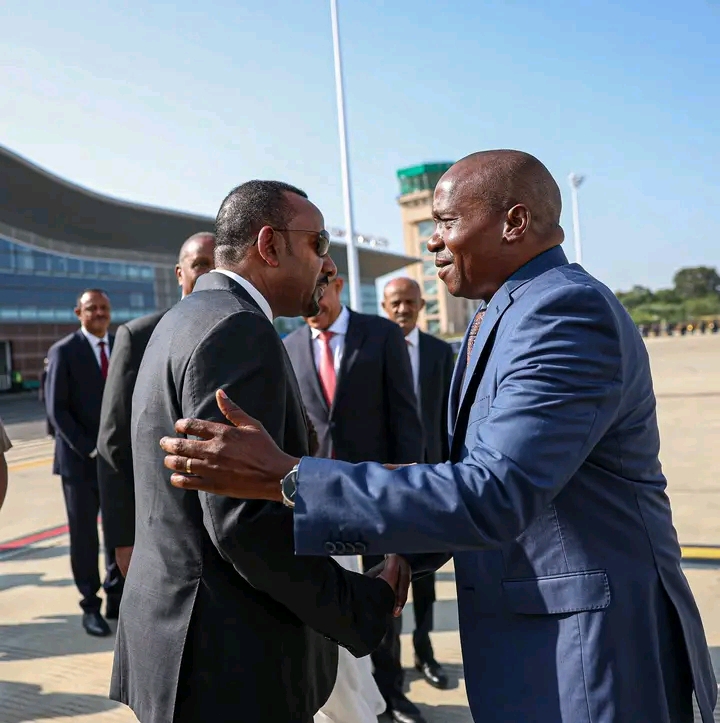
The welcome of Kenya's Deputy President Kithure Kindiki by Ethiopian Prime Minister Abiy Ahmed at the 12th Tana High-Level Forum on Security in Africa draws attention to the importance of diplomatic engagement among African leaders. Taking place in Bahir Dar from October 23 to 25, 2026, the forum f
-
Kirinyaga Governor Anne Waiguru has urged Mt. Kenya voters to prioritise development and reject opposition rhetoric as the country prepares for the 2027 General Election. Waiguru has called on residents to support President William Ruto’s re-election bid, emphasising the importance of infrastructu
-
The Directorate of Criminal Investigations (DCI) has arrested Festus Kipkirui, alias Festoo, in Mararianda, Narok East, over alleged online incitement linked to a Facebook page operating under the name Kipz Prince en Narok. The suspect was apprehended by a joint team of detectives from the DCI Headq