President Ruto’s Development Tour in Mwala: Water Projects, Infrastructure and Promises to Machakos Residents
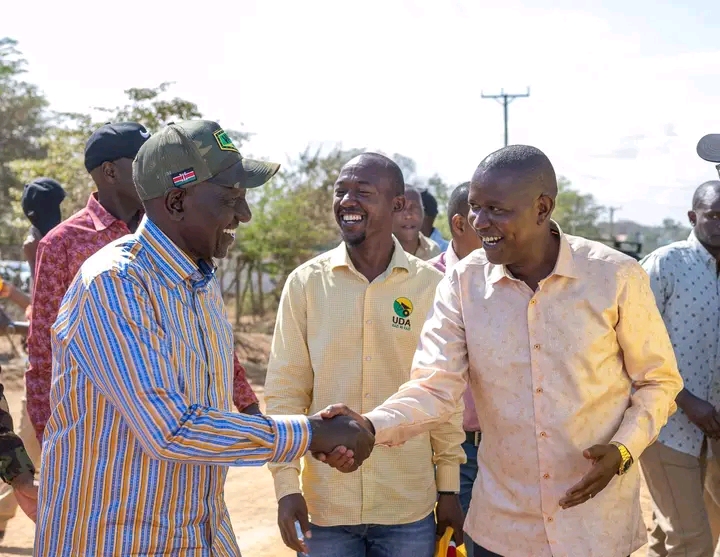
President William Ruto's October 24, 2026, visit to Mbiuni in Mwala Constituency placed water infrastructure at the centre of the government's development agenda for Ukambani. The commissioning of Phase Two of the Mwala Cluster Last Mile Water Supply Project is intended to improve access to water for approximately 120,000 residents across the identified communities. The President also pledged action on persistent water shortages and announced plans for two major dams in the region. His remarks highlighted the government's stated commitment to equitable development, including investment in areas experiencing longstanding infrastructure challenges. The project's long-term success will depend on reliable distribution, affordable access, water quality, maintenance and transparent implementation. For residents of Mwala and surrounding areas, the key outcome will be whether the investment translates into dependable water supplies for households, schools, health facilities, farmers and businesses.
The president William Samoei Ruto commissioned the mwala cluster Water supply project in Machakos County.Water development is particularly important in Machakos County because communities depend on water for domestic consumption, livestock production, irrigation and other economic activities. Investment in dams, boreholes, water pipelines, storage tanks and distribution networks can help reduce the distance residents travel to collect water and lessen their vulnerability during prolonged dry spells.
The following report examines the development priorities associated with the presidential visit, the expected importance of water projects, the issues affecting residents and the responsibilities of leaders involved in delivering development. President William Ruto began his four-day development tour of the Ukambani region on Saturday, October 24, 2026, in Mbiuni, Mwala Constituency, Machakos County. One of the major activities was the commissioning of Phase Two of the Mwala Cluster Last Mile Water Supply Project, an initiative intended to improve access to clean and reliable water for thousands of residents. The project formed part of the government's wider programme to expand essential services and infrastructure across Machakos, Makueni and Kitui counties. According to the reports the phase being commissioned is expected to supply water to approximately 120,000 residents across Mwala, Makutano, Masii, Kivandini, Wamunyu, Kathama, Oldonyo Sabuk, Mbiuni, Mbaani, Kilembwa and Kyawango. The project is particularly important in these communities because water shortages have affected household activities, livestock keeping, farming and other economic activities.
The President's visit also provided an opportunity to discuss the government's response to water scarcity in Ukambani, the construction of additional dams and the need to ensure that public investment reaches communities across the Country the Mwala Cluster Water Supply Project
The principal water initiative associated with the presidential visit is the Mwala Cluster Water Supply Project. It is designed to strengthen water distribution in Mwala and neighbouring areas, where residents have historically faced difficulties obtaining sufficient water for their daily needs.
The project is a collaboration involving the national government, the county government of Machakos and water-sector institutions. It forms part of wider efforts to improve water security in the semi-arid parts of Lower Eastern Kenya.
An earlier government progress report put the project's cost at approximately KSh1.7 billion and described an extensive water supply system intended to serve communities in Mwala and Matungulu. The broader scheme was expected to benefit about 150,000 residents, although other reports have cited different beneficiary figures depending on the project phase and coverage being discussed. In rural communities, women and children can spend considerable time fetching water when nearby sources dry up. A reliable piped water system could reduce that burden and give families more time for education, work and other productive activities.
Schools could also benefit from improved water access, helping them maintain sanitation facilities and provide safer environments for learners. Health facilities require dependable water supplies for cleaning, hygiene and other essential services.
Small businesses, including food vendors, shops, restaurants and agricultural enterprises, could also benefit from more reliable access to water.According to a report, the President said: “We must be deliberate and intentional in addressing water shortages in Ukambani.” He also announced plans to construct two major dams in the region to improve water access.
The remarks underscored the need for long-term measures rather than relying exclusively on emergency water deliveries during droughts.
Dams can help store water for use during dry periods, depending on their capacity, catchment conditions, environmental considerations and the distribution infrastructure connected to them. Combined with treatment plants, pipelines and storage facilities, they can form part of a more comprehensive water security strategy.
For residents, the important question is how quickly the proposed dams will move from announcements to planning, financing, construction and eventual operation.The report quoted him as rejecting claims that Ukambani was being sidelined because of its political alignment. He said: “The old politics of tribalism and discrimination no longer have a place in Kenya.” He further maintained that Machakos deserved its share of national development investment.
His message placed the Mwala project within a wider discussion about equitable development.
For residents, equitable development means more than the announcement of projects. It involves access to functioning water systems, passable roads, electricity, schools, healthcare and opportunities to earn a living.
The government's stated position is that development should reach communities regardless of their political affiliations. The practical test will be the delivery, completion and maintenance of projects within their intended timelines.
Residents will therefore be interested in monitoring the implementation of the water project and other commitments made during the tour.Other Development Activities in Mwala
Water infrastructure was a major part of the presidential programme in Mbiuni, but the visit also included an inspection of a sports academy under construction.
The academy is another example of the government's wider focus on infrastructure and youth-related development. Sports facilities can provide training opportunities, encourage participation in athletics and other sporting disciplines, and create spaces where young people can develop their abilities.
The progress of the academy will be important to local residents, particularly young people who need accessible facilities and structured sporting opportunities.Agriculture and livestock keeping are important sources of income for many households in Machakos County. However, water scarcity can make farming difficult, particularly during extended dry periods.
Farmers require water for household use, livestock and, where appropriate, irrigation. When water becomes scarce, households may face higher costs for transporting water or purchasing supplies from alternative sources.
A dependable water network could improve the conditions under which farmers manage their livestock and carry out small-scale agricultural activities. It could also support the growth of businesses that depend on water.
Nevertheless, a domestic water supply project should not automatically be presented as a full irrigation scheme. Its ability to support farming will depend on the amount of water available, the design of the system, the intended uses and the regulations governing distribution.Second, water must remain affordable. Households need a service they can pay for without placing excessive pressure on their limited incomes.
Third, maintenance must be prioritised. Pumps, treatment equipment, storage tanks and pipelines require regular servicing to prevent breakdowns and interruptions.
Fourth, water quality must be monitored. Proper treatment, testing and safe handling are essential to protect consumers.
Finally, project commitments must be transparent. Residents should receive clear information about coverage, costs, completion milestones and the institutions responsible for addressing complaints.What Residents Will Expect After the Launch
Following the commissioning of Phase Two, residents will expect to see improvements in the actual availability of water.
They will want to know whether supply will be continuous, which villages will be connected first, how water tariffs will be determined and where they can report faults.
Residents will also expect the government to provide updates on the proposed dams mentioned by the President. Such updates should include the development stages, financing arrangements, implementation schedules and expected benefits.
The county government and water service providers will need to communicate clearly about how households can access the new system and what steps are being taken to maintain it.

You Might Also Like
-
KANU chairman Gideon Moi has accused President William Ruto of failing to honour commitments he says were made during negotiations that led him to withdraw from the Baringo Senate by-election in 2025. Speaking to Kalenjin elders and community representatives at his Kabarak home in Nakuru County on O
-
President William Ruto has described Wiper leader Kalonzo Musyoka as a truthful politician who acknowledges development achievements whenever work has been done. Ruto’s remarks highlight the importance of recognising progress despite political differences, as leaders continue to debate government
-
Nairobi Governor Johnson Sakaja has called on the architect linked to the collapsed Eastleigh building to explain how construction proceeded without the required approvals. The incident has raised concerns about building safety, compliance with construction regulations and the effectiveness of inspe
-
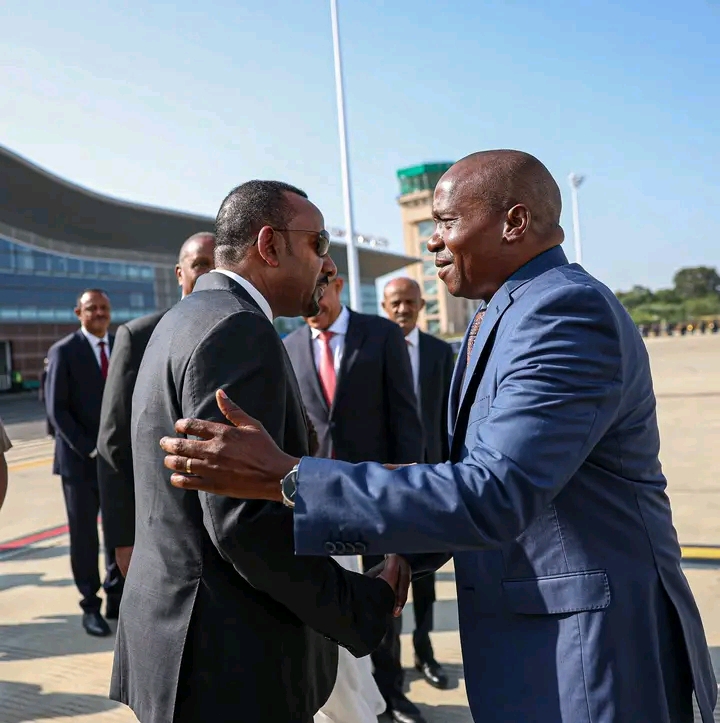
The welcome of Kenya's Deputy President Kithure Kindiki by Ethiopian Prime Minister Abiy Ahmed at the 12th Tana High-Level Forum on Security in Africa draws attention to the importance of diplomatic engagement among African leaders. Taking place in Bahir Dar from October 23 to 25, 2026, the forum f
-
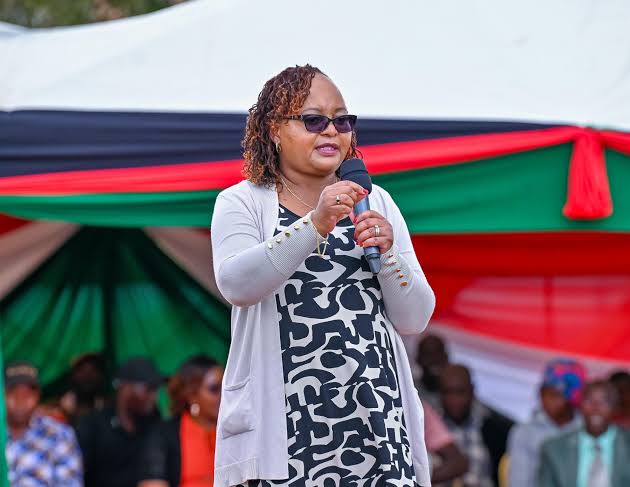
Kirinyaga Governor Anne Waiguru has urged Mt. Kenya voters to prioritise development and reject opposition rhetoric as the country prepares for the 2027 General Election. Waiguru has called on residents to support President William Ruto’s re-election bid, emphasising the importance of infrastructu
-
The Directorate of Criminal Investigations (DCI) has arrested Festus Kipkirui, alias Festoo, in Mararianda, Narok East, over alleged online incitement linked to a Facebook page operating under the name Kipz Prince en Narok. The suspect was apprehended by a joint team of detectives from the DCI Headq