Anne Waiguru urges Mt. Kenya voters to back Ruto’s 2027 re-election bid
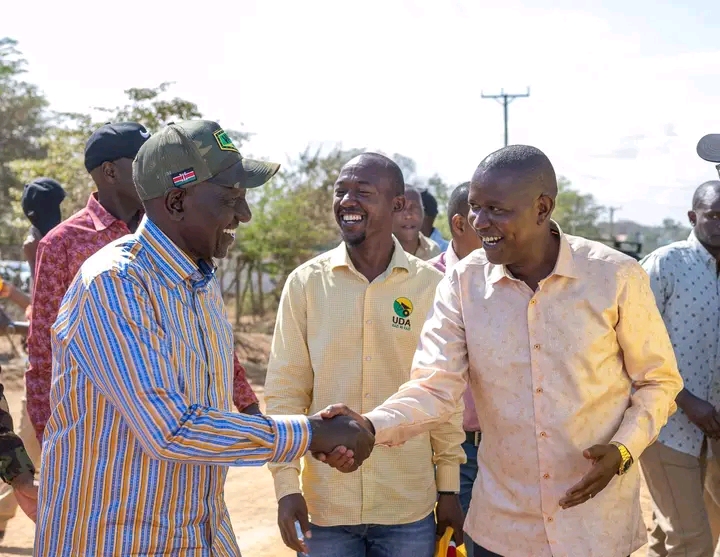
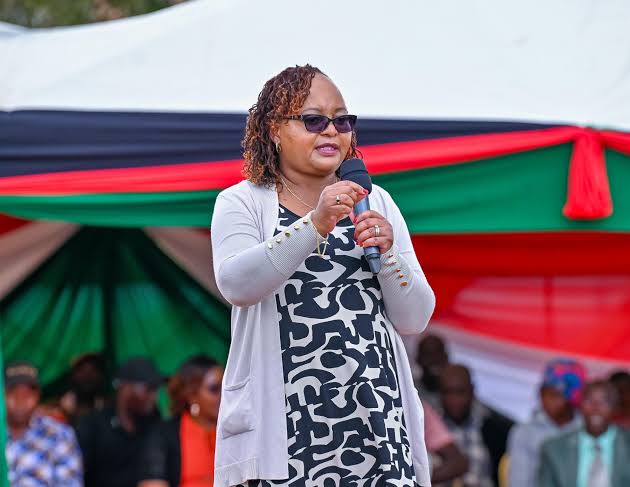
Kirinyaga Governor Anne Waiguru has urged Mt. Kenya voters to prioritise development and reject opposition rhetoric as the country prepares for the 2027 General Election. Waiguru has called on residents to support President William Ruto’s re-election bid, emphasising the importance of infrastructure development, agriculture, healthcare, education and economic growth. Her remarks come amid growing political activity in the Mt. Kenya region, where leaders are seeking to strengthen alliances and mobilise support ahead of the upcoming elections.
Kirinyaga Governor Anne Waiguru has called on voters from the Mt. Kenya region to focus on development priorities and reject opposition messaging as the country prepares for the 2027 General Election. Waiguru has urged residents to consider the government’s development agenda and support President William Ruto’s re-election bid, arguing that the region’s future should be guided by its economic interests and the delivery of public projects.
Her remarks come at a time when political leaders are intensifying efforts to consolidate support across Mt. Kenya, a region that continues to play a significant role in Kenya’s national political landscape. As the 2027 elections approach, political parties and leaders are increasingly engaging residents through public meetings, political rallies and community gatherings to communicate their agendas and seek support.
Waiguru’s appeal places development at the centre of the political debate, with the governor urging voters to look beyond political disagreements and focus on issues that affect their daily lives. These include infrastructure, agriculture, access to healthcare, education, employment opportunities and the cost of living. Her message is that residents should evaluate political leadership by considering its development priorities and the extent to which government programmes respond to their needs.
The governor has also called on the Mt. Kenya electorate to be cautious about political messages from opposition leaders, encouraging residents to assess competing political positions before making decisions about the country’s future leadership. Her remarks reflect the growing contest among political figures seeking to influence public opinion in the region ahead of the next general election.
Mt. Kenya remains an important political constituency because of its population, economic activity and historical influence on presidential elections. Political support from the region can have a considerable impact on national campaigns, making it a key focus for both the ruling coalition and opposition groups. As political realignments continue, leaders are expected to make renewed efforts to appeal to voters through promises, policy proposals and discussions about development.
Waiguru’s position is that political conversations should give greater attention to tangible improvements in people’s lives. In a region where agriculture supports many households, farmers are particularly concerned about the prices of farm inputs, access to markets, crop prices and the reliability of agricultural services. Tea, coffee, dairy farming, horticulture and other agricultural activities provide income for many families, making the performance of the sector an important consideration for voters.
For farmers, development is closely linked to the ability to produce crops profitably and sell them at prices that reflect their investment. Poor roads, high transport costs, expensive fertiliser and fluctuating market prices can reduce household earnings. Political leaders seeking support in the region are therefore likely to face questions about how their policies would improve agricultural productivity, strengthen cooperatives and create more reliable markets for local produce.
Waiguru’s appeal also brings attention to infrastructure development, an issue that remains important to residents across the Mt. Kenya region. Roads connect farms to markets, improve access to schools and hospitals, and support the movement of goods and services. Better transport networks can also encourage investment by making it easier for businesses to operate and reach customers.
Residents may also consider the availability of electricity, clean water and other essential services when assessing the performance of national and county governments. Such services influence the cost of running businesses, the quality of life in rural communities and the opportunities available to young people. Political leaders who promise development are expected to explain how their plans will be financed, implemented and monitored.
Healthcare is another issue likely to feature prominently in political discussions ahead of 2027. Families across the country continue to seek affordable medical services, accessible health facilities, adequate staffing and reliable supplies of medicines. For residents, the success of healthcare policies is often measured by whether they can receive treatment without facing excessive costs or travelling long distances to reach a hospital.
Education also remains a central concern for households. Parents want schools to have sufficient learning materials, qualified teachers, safe facilities and the resources needed to support learners. At the same time, young people completing their education are seeking employment, vocational training and opportunities to start businesses. These issues are likely to shape public debate as political leaders present their plans for the coming years.
Waiguru’s call to prioritise development comes amid a wider national discussion about the relationship between political promises and actual service delivery. Voters increasingly expect leaders to explain how government policies will address unemployment, household expenses and economic pressures. They also want accountability in the use of public funds and clarity about the progress of projects announced by political leaders.
The governor’s support for Ruto’s re-election bid places her among leaders advocating for continuity of the current administration. Supporters of continuity may argue that maintaining the same leadership provides an opportunity to complete ongoing projects and build on existing programmes. Critics, however, may question the pace of implementation, the cost of living and whether government policies have delivered sufficient benefits to ordinary citizens.
These differing perspectives are likely to remain part of the national political conversation as the election approaches. The ruling coalition will be expected to explain its record and outline the priorities it intends to pursue if given another term, while opposition leaders will have an opportunity to present alternative proposals and challenge the government’s performance.
For voters in Mt. Kenya, the debate is likely to involve both national and local considerations. Residents may assess the work of the national government alongside the performance of county administrations and elected representatives. Issues such as county roads, local health facilities, agricultural support, water projects and market infrastructure can influence how communities evaluate their leaders.
The region’s political landscape has also been shaped by discussions about representation, alliances and the relationship between local leaders and the national administration. Political figures have different views on how best to protect the region’s interests and secure development resources. Waiguru’s remarks indicate that she believes supporting Ruto’s re-election campaign is the appropriate path, while other leaders may advocate different political arrangements.
As the political competition develops, the public will have opportunities to compare these positions. The effectiveness of each political message will depend not only on the prominence of the leaders delivering it but also on the credibility of their proposals and their ability to respond to concerns raised by residents.
Political analysts and observers often regard Mt. Kenya as a region where alliances can significantly influence the direction of national campaigns. However, the views of residents are not necessarily uniform. Voters may differ according to county, age, occupation, economic circumstances and their experiences with public services. Support for a particular candidate or party cannot be assumed to be shared equally across the region.
This makes engagement with communities an important part of the campaign period. Political leaders seeking support are likely to face questions about their plans for job creation, agricultural reforms, taxation, infrastructure, healthcare and education. Residents may also demand explanations about the management of public resources and the timelines for completing promised projects.
Waiguru’s message encourages voters to place development at the centre of their political choices, but the election campaign will ultimately involve a broader assessment of leadership, policies and accountability. Citizens will have to consider the competing arguments presented by the government and opposition, including their records, promises and proposed approaches to national challenges.
The 2027 General Election is expected to generate increased political activity as parties organise their supporters, leaders negotiate alliances and candidates seek to strengthen their regional bases. Mt. Kenya is likely to remain an important arena in these efforts because of its influence on national political calculations.
For the ruling administration, retaining support in the region will require continued engagement with residents and a clear account of its development priorities. For the opposition, building support will involve convincing voters that alternative policies and leadership arrangements can better address their concerns. Both sides will need to respond to questions about economic conditions, public services and the practical benefits of their proposals.

You Might Also Like
-
President William Ruto's October 24, 2026, visit to Mbiuni in Mwala Constituency placed water infrastructure at the centre of the government's development agenda for Ukambani. The commissioning of Phase Two of the Mwala Cluster Last Mile Water Supply Project is intended to improve access to water fo
-
Nairobi Governor Johnson Sakaja has called on the architect linked to the collapsed Eastleigh building to explain how construction proceeded without the required approvals. The incident has raised concerns about building safety, compliance with construction regulations and the effectiveness of inspe
-
The welcome of Kenya's Deputy President Kithure Kindiki by Ethiopian Prime Minister Abiy Ahmed at the 12th Tana High-Level Forum on Security in Africa draws attention to the importance of diplomatic engagement among African leaders. Taking place in Bahir Dar from October 23 to 25, 2026, the forum f
-
The Directorate of Criminal Investigations (DCI) has arrested Festus Kipkirui, alias Festoo, in Mararianda, Narok East, over alleged online incitement linked to a Facebook page operating under the name Kipz Prince en Narok. The suspect was apprehended by a joint team of detectives from the DCI Headq
-
Seven people have been reported missing following the collapse of a multi-storey building under construction in Eastleigh, Nairobi. Rescue teams are continuing to search through the rubble for individuals feared trapped beneath the debris. The incident has raised concerns about construction safety,
-
President William Ruto is set to embark on a four-day development tour of the Ukambani region, covering Machakos, Kitui and Makueni counties. The visit is expected to focus on government projects, infrastructure development and initiatives aimed at improving the livelihoods of residents. The tour wi