Kenya Records Second Ebola Death as 65-Year-Old Woman Is Buried Under Strict Health Protocols
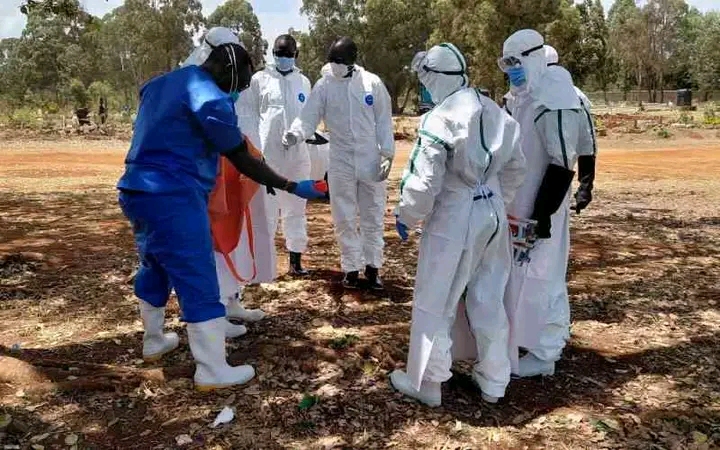
The death of Kenya's second Ebola victim, a 65-year-old woman who died on October 23, 2026, and her burial at Lang’ata Cemetery the following day highlighted the challenges facing the country as it responds to Bundibugyo Ebola virus disease. The burial was conducted under strict health protocols, including restricted access to the site, the use of protective equipment, disinfection of the grave and transportation vehicle, and controlled handling of protective materials. These precautions were designed to protect the burial team, relatives and the wider public while respecting the deceased's religious traditions.
Kenya’s fight against the Ebola outbreak entered a critical stage following the death and burial of a 65-year-old woman who became the country’s second Ebola fatality. The woman died on Friday, October 23, 2026, while receiving treatment at an infectious disease unit in Nairobi. Her burial was conducted on Saturday, October 24, at Lang’ata Cemetery under strict public health protocols designed to prevent further transmission of the virus while respecting Islamic burial traditions.
The incident attracted attention because of the precautions taken by health officials, including the use of full protective equipment, disinfection of the burial site and vehicle, and restrictions on how close relatives and members of the public could approach the grave.
The death also raised renewed concerns about the ongoing Bundibugyo Ebola virus disease outbreak in Kenya. By October 24, health authorities had confirmed nine cases and two deaths, while the remaining seven patients were receiving treatment in isolation facilities. Officials said the confirmed infections remained within a known cluster of contacts, with no evidence of community transmission at the time of the announcement. According to the Ministry of Health, the deceased was a 65-year-old woman who was a close family member and direct contact of Kenya’s first confirmed Ebola patient, a 40-year-old Kenyan man who died earlier in October.
The woman was Kenya’s third confirmed Ebola case. She had been placed under quarantine because of her exposure to the initial patient. While in quarantine, she developed symptoms on October 13 and was admitted to an infectious disease unit the same day, where medical personnel provided supportive treatment. She later died on October 23.
Her death demonstrated the seriousness of the outbreak and the challenges health workers face when treating people who have been exposed to the virus. Quarantine and monitoring help identify infections early, but they cannot guarantee that every exposed person will survive if they become ill.Health Director-General Dr Patrick Amoth announced the death and conveyed the Ministry of Health’s condolences to the bereaved family. The ministry also said medical teams had made efforts to save the patient’s life.
The family was informed, and arrangements were made for a safe and dignified burial in consultation with relatives, taking account of the public health risks and the family’s religious beliefs.
The authorities faced the difficult task of protecting people from infection while ensuring that the deceased was treated with respect. Ebola-related deaths require special handling because the body of an infected person can remain a source of infection.According to a report approximately ten health workers wearing full personal protective equipment (PPE) took part in the burial operation. The area around the grave was secured, and unauthorised people were kept approximately 500 metres away to reduce the risk of exposure.
The burial followed several precautionary stages.
Securing the burial site: Health officials restricted access to the area and kept family members, friends and onlookers at a safe distance.
Disinfecting the grave: The burial site was disinfected before the body was lowered into the grave.
Handling the body safely: The body remained enclosed in a sealed body bag and was handled by trained health personnel.
Disinfecting during burial: Further disinfection was carried out as the body was lowered and the grave was filled.
Decontaminating the vehicle: The vehicle used to transport the body was disinfected before leaving the cemetery.
Disposing of protective equipment: The protective gear used during the exercise was disinfected and subsequently burned, according to the media report. Islamic burial traditions generally emphasise dignity, prompt burial and respect for the deceased. In ordinary circumstances, washing the body and wrapping it in a burial shroud are important parts of Muslim funeral practices.
However, Ebola presents exceptional risks. Direct contact with an infected person's body and bodily fluids can expose other people to the virus, including after death. Consequently, health authorities must determine which funeral practices can be safely accommodated and which must be modified.
Kenya's Public Health (Ebola Disease) Rules, 2026, prohibit the washing and embalming of bodies of people who have died from Ebola. They also restrict the removal or replacement of clothing and require sealed body bags to remain closed, subject to limited authorised exceptions for medical examinations or specimen collection.Kenya's Ebola outbreak reaches nine confirmed cases
The second death came as Kenya continued responding to an outbreak of Bundibugyo Ebola virus disease.
By October 24, 2026, the country had recorded nine confirmed cases and two deaths. The 65-year-old woman was the third confirmed patient and a direct contact of the first patient, who also died from the disease. The seven other confirmed patients were reported to be receiving treatment in two isolation facilities.
The first confirmed patient was a 40-year-old Kenyan man who had travelled from the Democratic Republic of Congo through Uganda before arriving in Nairobi in early October. His infection was confirmed, and he died on October 5. His burial took place under public health precautions the following day. Quarantine is used to monitor people who may have been exposed to Ebola so that symptoms can be identified and appropriate action taken quickly.
Kenya's Ebola regulations provide for contacts to be quarantined for 21 days from their last relevant exposure, with daily monitoring for symptoms. The period reflects the recognised interval in which symptoms may develop after infection.
Contact tracing helps health officials establish who may have been exposed, where those people are located and whether they have developed symptoms.
Once an individual is identified as a contact, health teams can provide guidance on monitoring, testing and seeking treatment. Anyone who becomes unwell can be assessed promptly, reducing the risk of further transmission.
The death of the 65-year-old woman also reinforces the importance of maintaining medical observation even when a person is already known to health authorities.Under the Public Health (Ebola Disease) Rules, 2026, bodies of people who die from Ebola in Kenya may be transported to another location within the country for burial only under arrangements approved by the relevant medical officer of health and in accordance with infection-prevention requirements.
The rules also prohibit the repatriation into Kenya of bodies of people who die from Ebola abroad, requiring burial in the country where the death occurs.
These measures are intended to reduce the risk of spreading the virus through the transportation or handling of infected bodies.
The regulations also require suspected cases and deaths to be reported to the appropriate health authorities. Failure to report suspected cases, providing false information and escaping quarantine may attract legal penalties under the applicable public health provisions. Warning signs the public should understand
Health authorities have urged the public to remain alert to possible symptoms of Ebola, particularly when there has been a known exposure.
Symptoms can include:
Fever.
Severe weakness and fatigue.
Muscle pain.
Headache and sore throat.
Vomiting and diarrhoea.
In some cases, unexplained bleeding.
Symptoms alone do not confirm Ebola because other illnesses can cause similar problems. Anyone who develops concerning symptoms after possible exposure should contact health professionals promptly and explain the potential exposure.Protecting healthcare workers and burial teams
The burial of the second Ebola victim also underlined the risks faced by healthcare workers and other personnel involved in responding to the outbreak.
Doctors, nurses, laboratory staff, ambulance personnel and burial teams may encounter infected patients or contaminated materials while performing essential duties.
For this reason, workers must receive appropriate protective equipment and training in infection prevention, including the correct procedures for putting on and removing protective gear.
The Lang’ata burial involved a team of ten health workers wearing protective equipment. The subsequent disinfection of the vehicle and handling of protective gear formed part of the precautions reported during the exercise.The emotional impact on the bereaved family
Beyond the medical response, the woman's death represents a personal loss for her family and community.
Losing a relative to a serious infectious disease can be particularly difficult when funeral arrangements are restricted and family members cannot gather closely around the body.
For relatives, being required to observe the burial from a distance may make it harder to find the comfort and closure that normally accompany funeral rituals.
These restrictions, however, are intended to reduce exposure and protect mourners from infection. Public health teams must therefore balance the need for safety with the need to treat grieving families with sensitivity.The confirmed cases were reported to be within a known cluster, but authorities still need to maintain surveillance and investigate any new alerts. Continued monitoring is particularly important because an exposed person may develop symptoms after an initial period without obvious illness.
The government must also maintain public communication so that people know where to seek assistance, how to report suspected cases and what precautions to follow.
Health workers need adequate supplies, protective equipment, isolation facilities and laboratory capacity to respond effectively.
At the community level, cooperation with contact tracing and timely reporting of symptoms can help prevent further spread. Religious leaders and local administrators can also help explain burial precautions and encourage residents to follow verified public health advice.

You Might Also Like
-
President William Ruto has urged political leaders to put aside petty politics and focus on attracting investors to Kenya, stressing that the country’s development depends on its ability to create a favourable business environment, promote economic growth, generate employment and unlock investment
-
PS Raymond Omollo's call for leaders and young people to uphold peace and reject political violence is an important message as Kenya prepares for the 2027 General Election. His latest reported remarks in Nakuru on October 24, 2026, focused on preventing political manipulation, protecting the rights
-
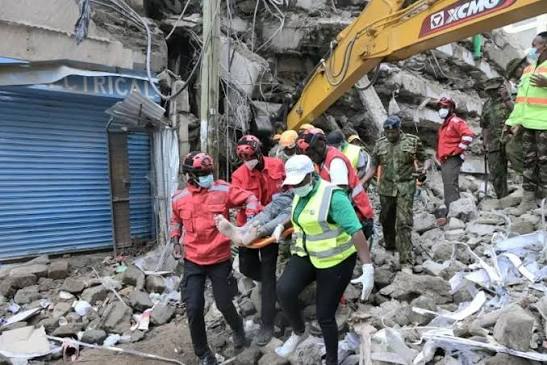
Rescue operations at the collapsed building in Eastleigh, Nairobi, have entered their third day, with four people rescued alive, according to Police Spokesperson Michael Nyaga Muchiri. Emergency response teams continue working through the rubble in search of anyone who may still be trapped, as anxio
-
At least 22 people have reportedly died and several others sustained injuries following a collision involving a bus and a lorry along the Nairobi–Mombasa Highway. The accident has renewed concerns over road safety, with calls for responsible driving, strict enforcement of traffic regulations and m
-
KANU chairman Gideon Moi has accused President William Ruto of failing to honour commitments he says were made during negotiations that led him to withdraw from the Baringo Senate by-election in 2025. Speaking to Kalenjin elders and community representatives at his Kabarak home in Nakuru County on O
-
President William Ruto has described Wiper leader Kalonzo Musyoka as a truthful politician who acknowledges development achievements whenever work has been done. Ruto’s remarks highlight the importance of recognising progress despite political differences, as leaders continue to debate government