President Ruto Urges Leaders to Keep Petty Politics Away from Investment Opportunities
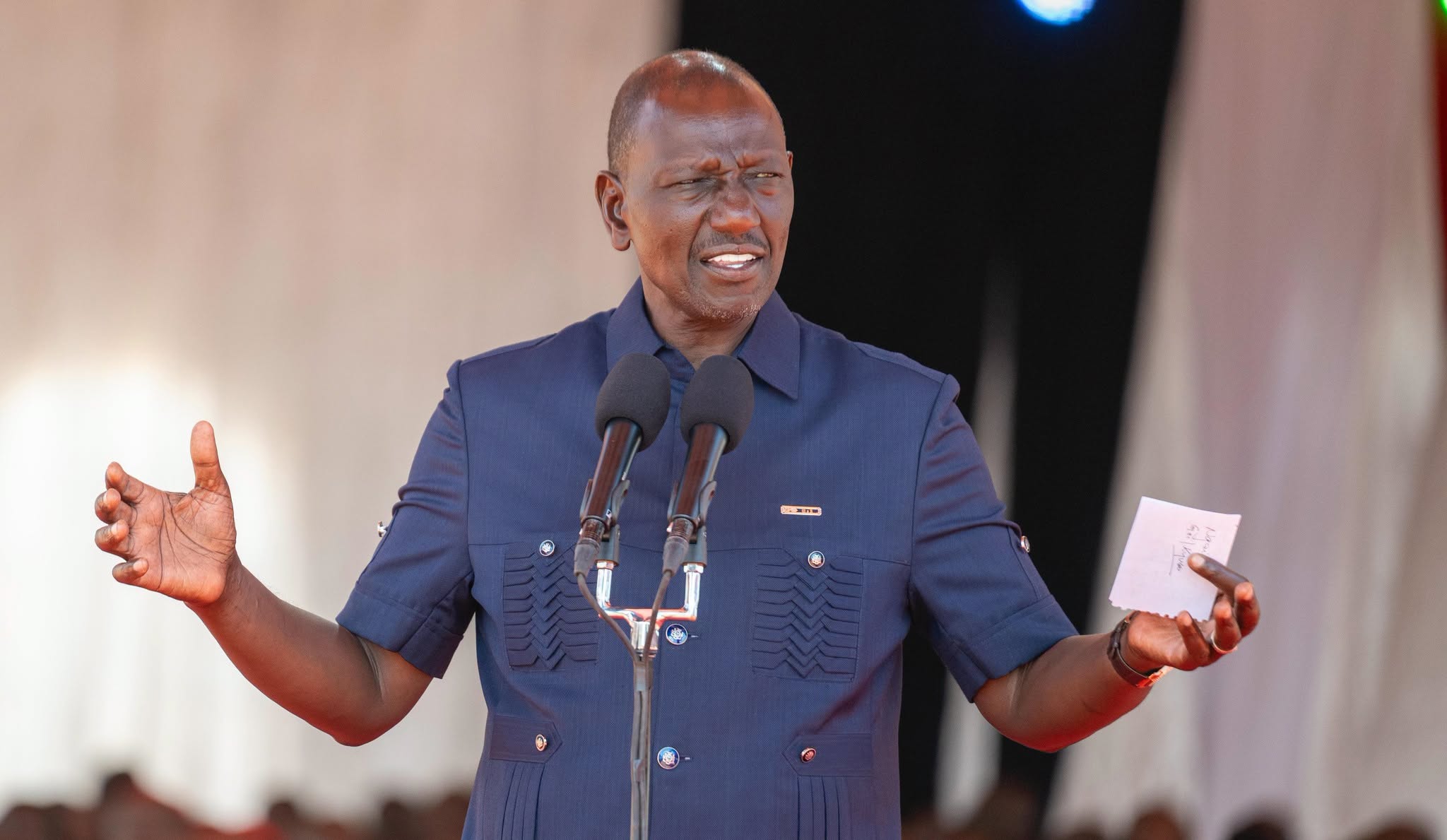
President William Ruto has urged political leaders to put aside petty politics and focus on attracting investors to Kenya, stressing that the country’s development depends on its ability to create a favourable business environment, promote economic growth, generate employment and unlock investment opportunities for the benefit of all Kenyans.
President William Ruto has called on Kenyans to put aside petty politics and focus on creating an environment that attracts investors and supports economic growth. He has emphasised that the country's development depends on its ability to identify investment opportunities, encourage business activities and create conditions that allow both local and international investors to contribute to national progress.
The President's remarks highlight the importance of separating political disagreements from matters that affect the country's economic future. According to this position, political competition should not interfere with efforts to attract investors, establish businesses, create employment and improve the living standards of citizens. Kenya, like other developing economies, requires sustained investment across various sectors to strengthen production, expand infrastructure and provide opportunities for its growing population.
Investment plays a central role in economic development because it supports the establishment of businesses, the expansion of industries and the creation of employment opportunities. When investors are confident about a country's economic direction, they are more likely to commit their resources to long-term projects. These projects can generate income, support local enterprises and increase government revenue through taxes and other lawful contributions.
However, attracting investment requires more than making public statements or announcing ambitious development plans. Investors often examine a country's political stability, economic policies, infrastructure, regulatory environment and the reliability of public institutions before deciding where to establish their businesses. A country that provides predictable policies and demonstrates commitment to economic growth is generally better positioned to compete for investment.
President Ruto's message therefore draws attention to the need for national unity when pursuing economic opportunities. Although political leaders may hold different opinions about government policies, they share a responsibility to ensure that their disagreements do not undermine the country's development prospects. Political debate remains an important part of democracy, but it should also allow room for cooperation on issues that benefit the wider population.
Kenya's political environment has a direct influence on how investors assess the country's business climate. When political disagreements become disruptive or create uncertainty about future policies, some investors may postpone decisions or seek opportunities in other markets. This can affect the pace at which businesses expand, new projects are established and employment opportunities are created.
Maintaining a stable investment environment does not mean silencing criticism or preventing opposition leaders from questioning government decisions. Rather, it means ensuring that political competition takes place within democratic institutions and does not unnecessarily threaten economic activity. Leaders can disagree strongly on governance while still supporting measures that encourage investment, protect businesses and promote the interests of citizens.
The country's economic progress also depends on the ability of leaders to develop policies that respond to the needs of ordinary Kenyans. Investment should not be viewed only in terms of the amount of money entering the economy. Its value should also be measured by the opportunities it creates for young people, the income it generates for households, the markets it opens for local producers and the services it makes accessible to communities.
For many Kenyans, the most important economic concern is the availability of decent employment. Young people continue to seek opportunities that can enable them to support themselves and their families, while small business owners are looking for ways to expand their activities. Investment in manufacturing, agriculture, tourism, technology, transport, energy and other productive sectors can help address these concerns when projects are properly planned and implemented.
The manufacturing sector, for example, can provide employment while increasing the value of goods produced locally. Instead of relying heavily on imported finished products, Kenya can strengthen its industries by encouraging investment in processing, assembly and the production of goods for domestic and international markets. This approach can support local suppliers, create technical jobs and increase demand for raw materials produced by Kenyan farmers and other enterprises.
Agriculture also presents significant opportunities for investment. The sector supports millions of people through farming, livestock keeping, transportation, processing and trade. However, farmers often face challenges associated with high production costs, limited access to markets, inadequate storage facilities and unpredictable weather conditions. Investment in irrigation, modern farming equipment, cold storage, processing facilities and reliable transport networks could help improve productivity and reduce losses.
When agricultural products are processed locally, farmers can benefit from stronger markets while businesses gain opportunities to produce goods for consumers at home and abroad. Such investments can also create employment in rural areas, reducing the pressure on major towns and cities where many young people move in search of work.
Infrastructure development remains another important factor in attracting investors. Businesses require dependable roads, affordable electricity, reliable water supplies, efficient transport systems and access to digital services. Where infrastructure is inadequate, the cost of doing business can increase, making projects less attractive and reducing the competitiveness of local industries.
Investment in roads and transport networks can connect farmers to markets, help businesses move goods efficiently and improve access to essential services. Reliable electricity can support factories, hospitals, schools, hotels and small enterprises, while improved water infrastructure can benefit households, farms and industries. Digital infrastructure can also enable businesses to reach customers, adopt modern technologies and participate in international markets.
The government and the private sector therefore have important roles to play in ensuring that infrastructure development supports economic activity. Public investment can provide essential facilities and create an environment in which private enterprises can operate effectively. At the same time, private investment can bring capital, technical expertise and innovative approaches to projects that might otherwise take longer to establish.
Kenya's growing digital economy also offers opportunities for attracting investment. Technology companies, financial service providers, online businesses and digital entrepreneurs are creating new ways of delivering services and connecting consumers with markets. Continued investment in internet access, digital skills and secure technology systems could strengthen this sector and enable more young Kenyans to participate in emerging industries.
Small and medium-sized enterprises must also remain part of the national investment conversation. These businesses are essential to everyday economic activity, supporting livelihoods in markets, shopping centres, residential areas and rural communities. While large investment projects often attract public attention, smaller businesses collectively make a substantial contribution to employment and household incomes.
For these enterprises to grow, they need access to affordable financing, reliable infrastructure, fair regulations and markets for their products. Excessive administrative requirements, unpredictable charges and difficulties obtaining credit can limit their ability to expand. Improving the business environment for small enterprises would allow more Kenyans to establish businesses, employ workers and contribute to economic growth.
The country's ability to attract foreign investment should also go hand in hand with supporting domestic investors. Kenyan entrepreneurs understand local markets and often identify opportunities that larger companies may overlook. Policies that encourage local ownership, strengthen business skills and improve access to financing can help domestic enterprises compete and grow.
Foreign investors can complement these efforts by bringing additional capital, specialised knowledge, technology and access to international markets. However, the benefits of such partnerships depend on how investments are structured and implemented. Projects should create meaningful opportunities for Kenyan workers and businesses while respecting the country's laws and environmental requirements.
Transparency and accountability are equally important in building investor confidence. Investors need assurance that business regulations will be applied fairly, public resources will be managed responsibly and government decisions will follow established procedures. Strong institutions and predictable enforcement of the law can reduce uncertainty and make it easier for businesses to plan for the future.
Public confidence is also essential. Kenyans want to see investment translate into tangible improvements in their daily lives. Development projects should therefore be assessed not only by their announcements or financial value but also by their outcomes. Communities should be able to identify the jobs created, services improved, businesses supported and economic opportunities generated by projects undertaken in their areas.
Public participation can help ensure that investment decisions reflect local priorities. Communities often understand the challenges affecting their regions, including shortages of water, poor roads, limited market facilities and inadequate access to electricity. Consulting residents and local businesses can help investors and public institutions identify projects that respond to genuine needs and have a greater chance of delivering lasting benefits.
Environmental protection must also remain part of the investment agenda. Economic growth that damages natural resources can create long-term problems for communities and future generations. Investors should be encouraged to adopt responsible practices, manage waste appropriately, conserve water and comply with environmental standards. Sustainable investment can support economic activity while protecting the natural resources on which agriculture, tourism and other sectors depend.
Political leaders have a significant responsibility in shaping the country's investment climate through their statements, policies and conduct. Public disagreements are inevitable in a democratic society, but leaders should recognise the broader consequences of their actions. Responsible political engagement can strengthen confidence in institutions and demonstrate that the country's economic future is not dependent on the interests of one political group.
The opposition and other stakeholders also have a legitimate role in scrutinising government policies and demanding accountability. Constructive criticism can identify weaknesses, expose waste and encourage better decision-making. The objective should not be to avoid political debate but to ensure that such debate contributes to better governance and does not unnecessarily discourage productive economic activity.
Similarly, the government must demonstrate that its commitment to attracting investors is supported by practical measures. Clear regulations, efficient public services, fair competition and responsible management of public finances are essential. Investors are more likely to make long-term commitments when they can assess the rules governing their operations and trust that those rules will be applied consistently.
Kenya must also compete with other countries seeking investment. Investors have many destinations to consider, and they compare opportunities based on expected returns, operating costs, available skills, market access and political and economic conditions. The country therefore needs to strengthen its advantages while addressing challenges that could discourage businesses from establishing or expanding their operations.
These efforts require cooperation between national and county governments, private companies, financial institutions, professional organisations and local communities. County governments, in particular, can help attract investment by improving local infrastructure, supporting business registration processes, developing industrial and commercial areas and identifying opportunities suited to their regions.
Counties with strong agricultural potential can promote processing and storage facilities, while those with tourism attractions can support responsible hospitality and conservation projects. Urban centres can attract technology, manufacturing and service industries, provided they offer reliable infrastructure and an efficient operating environment. Such approaches can help spread investment beyond a few major commercial centres and create opportunities in different parts of the country.
Ultimately, Kenya's economic future depends on turning investment opportunities into measurable results. Announcements must be followed by implementation, projects must be completed to the required standards, and public policies must support sustainable business activity. The success of an investment strategy should be judged by whether it improves productivity, expands employment, strengthens local enterprises and raises the quality of life for citizens.
President Ruto's call to keep petty politics away from investment opportunities underscores the importance of placing national economic interests at the centre of public discussion. His message presents investment as a shared national responsibility that requires stability, cooperation, confidence and a clear development direction.

You Might Also Like
-
The death of Kenya's second Ebola victim, a 65-year-old woman who died on October 23, 2026, and her burial at Lang’ata Cemetery the following day highlighted the challenges facing the country as it responds to Bundibugyo Ebola virus disease. The burial was conducted under strict health protocols,
-
PS Raymond Omollo's call for leaders and young people to uphold peace and reject political violence is an important message as Kenya prepares for the 2027 General Election. His latest reported remarks in Nakuru on October 24, 2026, focused on preventing political manipulation, protecting the rights
-
Rescue operations at the collapsed building in Eastleigh, Nairobi, have entered their third day, with four people rescued alive, according to Police Spokesperson Michael Nyaga Muchiri. Emergency response teams continue working through the rubble in search of anyone who may still be trapped, as anxio
-
At least 22 people have reportedly died and several others sustained injuries following a collision involving a bus and a lorry along the Nairobi–Mombasa Highway. The accident has renewed concerns over road safety, with calls for responsible driving, strict enforcement of traffic regulations and m
-
KANU chairman Gideon Moi has accused President William Ruto of failing to honour commitments he says were made during negotiations that led him to withdraw from the Baringo Senate by-election in 2025. Speaking to Kalenjin elders and community representatives at his Kabarak home in Nakuru County on O
-
President William Ruto has described Wiper leader Kalonzo Musyoka as a truthful politician who acknowledges development achievements whenever work has been done. Ruto’s remarks highlight the importance of recognising progress despite political differences, as leaders continue to debate government