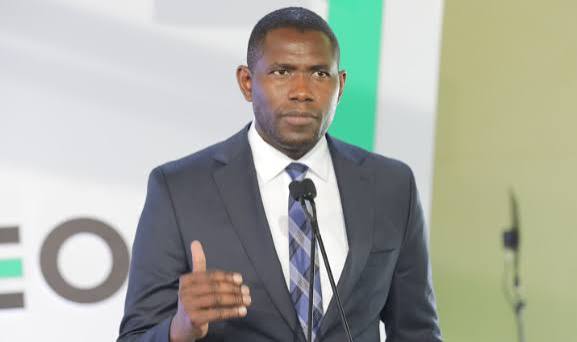
CS Julius Ogamba reaffirms government commitment to advancing girls’ education
Education Cabinet Secretary Julius Ogamba has reaffirmed the government’s commitment to strengthening girls’ education across the country through expanded access to quality learning, competency-based education, scholarships, mentorship programmes and stronger school re-entry policies. The commitment seeks to address barriers that continue to prevent some girls from accessing education, remaining in school and completing their studies. Ogamba emphasised the importance of creating inclusive and supportive learning environments where every girl can develop her abilities, build confidence and pursue her academic and career ambitions without discrimination. The government is also prioritising sustainable financing and strategic partnerships with relevant stakeholders to ensure that education programmes are adequately supported and reach learners from vulnerable and disadvantaged backgrounds. Through scholarships, girls facing financial difficulties can receive assistance to continue with their education, while mentorship programmes are expected to provide guidance, inspiration and encouragement as they prepare for future opportunities. Stronger school re-entry policies will also help ensure that girls who leave school due to pregnancy or other difficult circumstances are given an opportunity to return and complete their education. The renewed focus highlights the importance of cooperation between government agencies, schools, parents, communities and development partners in addressing challenges affecting girls’ participation in education. By investing in girls’ education, the government aims to promote equal opportunities, reduce educational inequalities and empower the next generation to contribute meaningfully to national development.
Education Cabinet Secretary Julius Ogamba has reaffirmed the government’s commitment to expanding access to quality education for girls across the country, highlighting the importance of competency-based learning, scholarships, mentorship programmes and stronger school re-entry policies in ensuring that every girl has an opportunity to complete her education and achieve her ambitions.
Ogamba said promoting girls’ education remains an important part of the government’s broader efforts to strengthen the education sector, address inequalities and create opportunities for all learners, regardless of their social or economic backgrounds. He emphasised that girls must be supported through policies and programmes that enable them to remain in school, participate fully in learning and transition successfully from one level of education to another.
The Cabinet Secretary noted that education plays a critical role in empowering girls and preparing them to contribute meaningfully to society. According to the government’s education agenda, improving access to learning opportunities for girls requires a comprehensive approach that addresses the challenges affecting their participation, retention and performance in schools.
He highlighted the importance of the Competency-Based Education system in creating learning opportunities that recognise the different abilities, interests and talents of learners. The competency-based approach is intended to move beyond an education system that focuses primarily on examinations by encouraging practical skills, creativity, problem-solving, communication and critical thinking.
Through this approach, learners are expected to develop competencies that can help them respond to real-life challenges and prepare them for further education, training and employment. For girls, the system provides an opportunity to explore different areas of interest, build confidence and develop skills that can support their participation in various sectors of the economy.
Ogamba stressed that schools must provide supportive and inclusive environments where girls can participate equally in classroom activities, access learning resources and pursue subjects that match their abilities and career aspirations. He noted that the education system should recognise the potential of every learner and ensure that gender does not become a barrier to academic achievement or future opportunities.
The government’s commitment to girls’ education also includes expanding scholarship opportunities to support learners from vulnerable and disadvantaged households. Financial challenges remain among the factors that can prevent some girls from accessing education or completing their studies. For families experiencing economic difficulties, the cost of school-related expenses can place significant pressure on household resources.
Scholarship programmes are therefore important in helping deserving learners remain in school and pursue their academic goals. Through financial assistance, students from disadvantaged backgrounds can receive support that reduces the burden on their families and improves their chances of completing their education.
Ogamba underscored the need for sustainable financing mechanisms that can support education programmes over the long term. He noted that efforts to improve access to education must be accompanied by adequate resources to ensure that schools have the facilities, teaching materials and personnel required to deliver quality learning.
Sustainable funding is particularly important in supporting learners who face additional barriers to education. Without consistent financial support, programmes designed to improve girls’ participation and retention may struggle to achieve their intended objectives. The government is therefore expected to continue working with relevant stakeholders to strengthen financing arrangements and ensure that available resources reach learners who need them most.
Mentorship was also highlighted as an important pillar in promoting girls’ education. Mentorship programmes provide learners with guidance, encouragement and practical information that can help them make informed decisions about their education and future careers.
Through engagement with teachers, professionals, community leaders and other role models, girls can gain confidence and develop a clearer understanding of the opportunities available to them. Mentors can also help learners navigate academic challenges, build leadership skills and remain focused on their educational ambitions.
Ogamba emphasised the importance of creating opportunities for girls to interact with individuals who can inspire them to pursue their goals. Such engagements can help challenge limiting beliefs about the roles women and girls can play in society, while encouraging learners to explore careers in science, technology, engineering, mathematics, business, leadership and other professional fields.
Mentorship can also help address challenges that affect girls beyond the classroom. By providing guidance and support, mentorship initiatives can contribute to creating awareness about personal development, decision-making, confidence and the importance of remaining committed to education.
The Education Ministry has also placed emphasis on strengthening school re-entry policies to ensure that girls who leave school due to pregnancy or other difficult circumstances are given an opportunity to resume their studies. School re-entry policies are intended to prevent temporary setbacks from permanently denying learners access to education.
Ogamba reaffirmed the importance of ensuring that girls who become pregnant while in school are not automatically excluded from pursuing their academic ambitions. Such learners should receive appropriate support and guidance to enable them to return to school and continue with their education.
The implementation of effective re-entry policies requires cooperation among schools, parents, communities and relevant government agencies. Schools must provide an environment where returning learners are treated with dignity and supported without discrimination or unnecessary barriers.
The government’s approach also recognises the importance of addressing the social and economic circumstances that contribute to school dropout rates among girls. Early pregnancies, poverty, harmful cultural practices, child marriage and limited access to educational resources can affect the ability of girls to remain in school.
Addressing these challenges requires coordinated interventions that go beyond the education sector. Government departments responsible for health, social protection and other public services have an important role to play in supporting programmes that protect girls and improve their access to opportunities.
Ogamba also underscored the need for inclusive learning environments where all students are treated fairly and given the support required to achieve their potential. Inclusive education involves removing barriers that prevent learners from participating fully in school activities and ensuring that educational opportunities are accessible to everyone.
For girls, an inclusive environment means having equal opportunities to participate in academic activities, leadership positions, sports and other school programmes. It also requires schools to address discrimination, harassment and practices that discourage girls from pursuing their education.
Teachers and school administrators have a critical responsibility in creating environments that encourage participation and promote respect among learners. Their role extends beyond delivering lessons to identifying challenges that may affect students and providing appropriate guidance where necessary.
The Cabinet Secretary further pointed to the importance of strategic partnerships in advancing girls’ education. The government recognises that improving educational outcomes requires collaboration among public institutions, development partners, private organisations, civil society groups, parents and local communities.
Such partnerships can help mobilise financial resources, provide learning materials, strengthen mentorship programmes and support initiatives aimed at improving school infrastructure. They can also contribute expertise and technical assistance that can help education institutions respond to emerging challenges.
Partnerships with communities are particularly important because parents and guardians play a central role in influencing the educational decisions of their children. Encouraging families to support girls’ education can help reduce dropout rates and promote a culture that values learning for both boys and girls.
Community leaders can also contribute by challenging practices that limit girls’ opportunities and encouraging households to prioritise education. When communities recognise the value of educating girls, learners are more likely to receive the support they need to remain in school and pursue their ambitions.
The government’s renewed focus on girls’ education comes amid broader efforts to improve the quality, accessibility and relevance of learning across the country. Ensuring that every child receives quality education remains an important national responsibility, particularly as the country seeks to develop a skilled population capable of contributing to economic growth and national development.
Ogamba’s remarks also highlight the importance of linking educational reforms to the wider needs of society. An education system that supports girls can contribute to reducing inequalities, improving household welfare and increasing the participation of women in different areas of national development.
Educated girls are better positioned to make informed decisions, pursue employment opportunities, participate in leadership and contribute to their communities. Improving their access to education can therefore have benefits that extend beyond individual learners to families and society as a whole.
However, achieving these objectives requires sustained implementation of policies and programmes rather than commitments alone. Adequate funding, effective monitoring, strong institutional coordination and accountability are necessary to ensure that initiatives designed to support girls translate into measurable improvements.
Schools must also be equipped to respond to the different needs of learners, including those from marginalised communities and households facing financial difficulties. Providing appropriate infrastructure, learning materials and qualified teachers remains essential in ensuring that girls receive an education that prepares them for the future.
The government is expected to continue working with education stakeholders to strengthen existing interventions and identify additional measures that can improve access, retention and learning outcomes. Particular attention remains necessary for girls who face multiple disadvantages that make it difficult for them to complete their studies.

You Might Also Like
-
Linda Mwananchi Movement leader and Nairobi Senator Edwin Sifuna is set to begin his United States tour in New Jersey, where he will officially open the movement’s diaspora office as part of efforts to strengthen its presence and organisational structures among Kenyans living abroad. The planned v
-
Medical Services Principal Secretary Ouma Oluga has called for expanded access to HIV prevention services, particularly among populations considered to be at higher risk of infection, as the government intensifies efforts to strengthen the country’s response to HIV. Oluga emphasised the need to en
-
The Teachers Service Commission (TSC) has dismissed allegations of tribalism raised by former Deputy President Rigathi Gachagua over the appointment of Cheptumo Ayabei as its new Chief Executive Officer, maintaining that the recruitment exercise was conducted through a transparent, professional and
-
Head of Public Service Felix Koskei has announced that this year’s Jamhuri Day celebrations will focus on showcasing how investments in infrastructure and innovation are contributing to Kenya’s economic transformation. The celebrations will highlight the role of development projects in creating
-
Medical Services Principal Secretary Ouma Oluga has called for stronger collaboration among government departments to strengthen the implementation of health sector programmes, emphasising that investment in healthcare is essential to improving the well-being of Kenyans and supporting sustainable ec
-
Democracy for the Citizens Party (DCP) leader Rigathi Gachagua has set December 31, 2026, as the deadline for Members of Parliament and other politicians wishing to join his party, declaring that the transfer window is officially open. Gachagua made the announcement on Tuesday, November 17, at his W