PS Ouma Oluga calls for expanded access to HIV prevention services
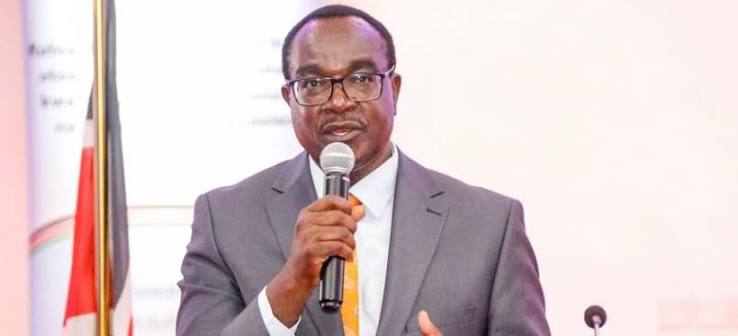
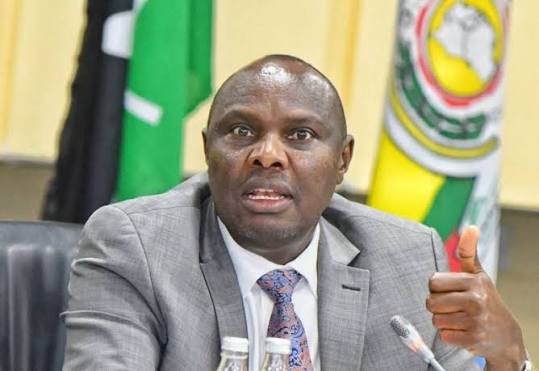
Medical Services Principal Secretary Ouma Oluga has called for expanded access to HIV prevention services, particularly among populations considered to be at higher risk of infection, as the government intensifies efforts to strengthen the country’s response to HIV. Oluga emphasised the need to ensure that vulnerable groups can access essential prevention interventions, including HIV testing, counselling, accurate health information and other available protective services. He also urged development partners and stakeholders supporting the health sector to align their financial and technical assistance with Kenya’s national health priorities to avoid duplication of programmes and ensure that resources address the country’s most pressing healthcare needs. The PS further highlighted the importance of strengthening existing health systems through investment in healthcare facilities, trained personnel, medical supplies and community-based services to ensure that prevention programmes are accessible and sustainable. His remarks underscore the need for stronger cooperation between the national government, county governments, healthcare providers, community organisations and development partners in addressing barriers such as stigma, discrimination, limited awareness and inadequate access to medical services. Expanding HIV prevention is critical in protecting vulnerable populations, reducing new infections and easing the long-term burden on the healthcare system. The government’s approach places emphasis on coordinated interventions, sustainable financing and community involvement to ensure that more Kenyans can access essential HIV prevention services.
Medical Services Principal Secretary Ouma Oluga has called for expanded access to HIV prevention services, particularly among populations considered to be at higher risk of infection, while urging development partners and other stakeholders to align their support with Kenya’s national health priorities and strengthen existing healthcare systems.
Oluga emphasised the importance of ensuring that HIV prevention services are accessible to all people who need them, noting that targeted interventions remain essential in reducing new infections and protecting vulnerable communities. He called for stronger coordination between the government, healthcare providers, development partners and community organisations to improve the delivery of prevention programmes across the country.
The Principal Secretary noted that addressing HIV remains an important part of Kenya’s broader public health agenda, requiring sustained investment, effective planning and cooperation among different stakeholders. He stressed that prevention efforts must be strengthened to ensure that individuals at greater risk of infection can access appropriate information, testing, counselling and other available prevention services.
Expanding access to HIV prevention is particularly important because different communities experience varying levels of vulnerability and face different barriers when seeking healthcare. Some populations may struggle to access services because of stigma, discrimination, limited awareness, financial difficulties or the distance between their homes and health facilities.
Oluga called for interventions that respond to these challenges while ensuring that prevention services are delivered in a respectful, confidential and accessible manner. He emphasised that healthcare programmes should be designed to reach people who may otherwise remain underserved by existing systems.
High-risk populations require particular attention because targeted prevention programmes can help reduce exposure to HIV and encourage individuals to seek appropriate healthcare services. Such interventions may include access to HIV testing, counselling, condoms, preventive medication where appropriate, education and referral services.
HIV prevention also depends on providing accurate information that enables individuals to understand how the virus is transmitted and the measures they can take to protect themselves. Public awareness programmes remain important in correcting misconceptions, addressing misinformation and encouraging responsible health decisions.
Oluga's call highlights the need to strengthen prevention services alongside existing efforts in HIV treatment and care. While access to treatment has improved the management of HIV, preventing new infections remains essential in reducing the long-term burden on individuals, families and the country's healthcare system.
The government has continued to work with various partners in implementing health programmes aimed at improving access to prevention, testing and treatment services. However, ensuring that these interventions reach the people who need them most requires stronger coordination and proper use of available resources.
The Principal Secretary urged development partners to align their financial and technical support with national health priorities, noting that cooperation is necessary to achieve sustainable improvements in healthcare delivery. He emphasised that partner-supported programmes should complement government strategies rather than operate independently of the country's broader health objectives.
Alignment with national priorities is important in ensuring that resources are directed towards identified needs and that interventions contribute to long-term improvements in the health sector. It can also reduce duplication of programmes, strengthen accountability and improve coordination among institutions involved in service delivery.
Development partners play an important role in supporting HIV prevention through financing, technical assistance, research, capacity building and the provision of essential healthcare resources. Their contribution can help expand services, strengthen health facilities and improve the ability of healthcare workers to respond to the needs of different communities.
However, sustainable progress requires these contributions to be integrated into national and county health systems. Stronger integration can help ensure that services continue even when individual projects or external funding arrangements come to an end.
Oluga's remarks also point to the importance of investing in existing health infrastructure rather than relying exclusively on separate programmes. Strengthening healthcare systems involves improving the availability of trained personnel, medical supplies, diagnostic equipment, information systems and service delivery facilities.
Healthcare workers remain central to the success of HIV prevention programmes. Nurses, doctors, counsellors, community health promoters and other frontline personnel play an important role in providing information, conducting tests, guiding patients and connecting individuals to appropriate services.
Ensuring that these workers receive adequate training, resources and professional support can improve the quality of services offered to communities. It can also help strengthen confidentiality, reduce stigma and encourage more people to seek preventive healthcare without fear of discrimination.
Community-based interventions are equally important in reaching individuals who may not regularly visit health facilities. Working with local organisations and community health promoters can help extend awareness campaigns and connect vulnerable populations with available services.
Such approaches can also help address social barriers that prevent people from seeking HIV-related services. Stigma and discrimination remain significant challenges in public health, as individuals may avoid testing or prevention programmes because of concerns about how they will be treated by society.
Promoting respectful healthcare environments is therefore essential in encouraging people to access services. Healthcare providers must ensure that individuals seeking HIV prevention and treatment are treated with dignity, regardless of their backgrounds or circumstances.
The expansion of HIV prevention services also requires sustained public education, particularly among young people. Providing age-appropriate and accurate information can help individuals understand HIV risks, prevention methods and the importance of seeking professional healthcare advice.
Schools, community organisations, healthcare facilities and other institutions can contribute to awareness initiatives that encourage informed decision-making. These efforts should also address misinformation and promote open discussions about sexual and reproductive health.
Another important aspect of HIV prevention is ensuring that services are available beyond major towns and urban centres. People living in remote and underserved areas may face difficulties accessing healthcare because of transport costs, limited facilities and shortages of medical personnel.
Strengthening primary healthcare services can help address these gaps by bringing essential interventions closer to communities. Through properly equipped local facilities and effective referral systems, individuals can access prevention and other health services without travelling long distances.
The government and its partners must also ensure that prevention programmes are supported by reliable data and regular monitoring. Accurate information can help identify communities with significant service gaps, assess the effectiveness of interventions and guide decisions on resource allocation.
Monitoring and evaluation are important in determining whether prevention initiatives are reaching their intended populations and achieving the desired outcomes. They also provide an opportunity to identify weaknesses and make necessary adjustments to improve service delivery.
Oluga's emphasis on strengthening existing health systems comes amid broader efforts to improve the country's healthcare infrastructure and ensure that essential services are available to all Kenyans. A strong health system is necessary not only for HIV prevention but also for responding to other public health challenges.
Integrating HIV services into broader healthcare programmes can improve efficiency and make it easier for individuals to access different forms of care. It can also help reduce the fragmentation of services and ensure that patients receive comprehensive support within the same healthcare system.
Sustainable financing remains another important consideration in maintaining and expanding HIV prevention programmes. Reliable funding is required to support awareness campaigns, purchase medical supplies, train healthcare workers and maintain facilities that provide essential services.
The involvement of government institutions, development partners and other stakeholders can help mobilise resources while ensuring that investments are directed towards programmes with clear public health benefits. However, proper planning and accountability remain necessary to guarantee that available funds are used effectively.
The Principal Secretary's call for partners to align their support with national priorities also highlights the importance of government leadership in coordinating health sector interventions. While external partners can provide valuable assistance, national institutions must remain central in determining priorities, guiding implementation and monitoring progress.
Collaboration between national and county governments is equally important because healthcare services are delivered through facilities and programmes operating at different levels. Effective coordination can help ensure that national policies are translated into practical interventions within local communities.
County health departments have a significant role in identifying local needs, supporting healthcare facilities and ensuring that prevention programmes reach vulnerable populations. Cooperation between the two levels of government can also improve the distribution of resources and strengthen the overall health response.
As Kenya continues working towards reducing new HIV infections, expanding prevention services will remain an important priority. Achieving meaningful progress requires more than public awareness campaigns; it demands accessible healthcare, adequate financing, trained personnel, reliable supplies and strong partnerships.

You Might Also Like
-
Linda Mwananchi Movement leader and Nairobi Senator Edwin Sifuna is set to begin his United States tour in New Jersey, where he will officially open the movement’s diaspora office as part of efforts to strengthen its presence and organisational structures among Kenyans living abroad. The planned v
-
Education Cabinet Secretary Julius Ogamba has reaffirmed the government’s commitment to strengthening girls’ education across the country through expanded access to quality learning, competency-based education, scholarships, mentorship programmes and stronger school re-entry policies. The commit
-
The Teachers Service Commission (TSC) has dismissed allegations of tribalism raised by former Deputy President Rigathi Gachagua over the appointment of Cheptumo Ayabei as its new Chief Executive Officer, maintaining that the recruitment exercise was conducted through a transparent, professional and
-
Head of Public Service Felix Koskei has announced that this year’s Jamhuri Day celebrations will focus on showcasing how investments in infrastructure and innovation are contributing to Kenya’s economic transformation. The celebrations will highlight the role of development projects in creating
-
Medical Services Principal Secretary Ouma Oluga has called for stronger collaboration among government departments to strengthen the implementation of health sector programmes, emphasising that investment in healthcare is essential to improving the well-being of Kenyans and supporting sustainable ec
-
Democracy for the Citizens Party (DCP) leader Rigathi Gachagua has set December 31, 2026, as the deadline for Members of Parliament and other politicians wishing to join his party, declaring that the transfer window is officially open. Gachagua made the announcement on Tuesday, November 17, at his W