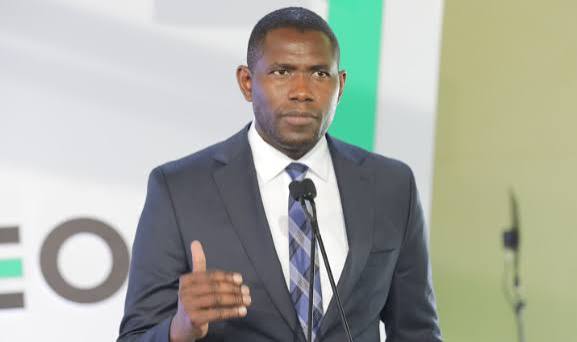
Felix Koskei outlines infrastructure and innovation focus for Jamhuri Day celebrations
Head of Public Service Felix Koskei has announced that this year’s Jamhuri Day celebrations will focus on showcasing how investments in infrastructure and innovation are contributing to Kenya’s economic transformation. The celebrations will highlight the role of development projects in creating employment opportunities, improving public service delivery and opening new avenues for economic growth. Infrastructure remains a key driver of national development, with investments in roads, energy, transport networks and other essential facilities expected to support businesses, connect communities and improve access to markets and public services. The focus on innovation will also demonstrate how technology and new ideas are creating opportunities for entrepreneurs, young people and businesses while improving efficiency in different sectors of the economy. The planned celebrations will provide an opportunity to reflect on Kenya’s development journey and examine how government investments are translating into tangible benefits for citizens. As the country prepares to mark Jamhuri Day, attention will be placed on the connection between infrastructure development, technological advancement, job creation and improved livelihoods.
Head of Public Service Felix Koskei has said this year’s Jamhuri Day celebrations will place special emphasis on showcasing the role of infrastructure development and innovation in transforming Kenya’s economy. The celebrations are expected to highlight how investments in key development projects are creating economic opportunities, improving the delivery of public services and supporting employment across different sectors.
The announcement places infrastructure and innovation at the centre of this year's national celebrations, with attention expected to focus on the contribution of development investments to the country's social and economic progress. Jamhuri Day provides an opportunity for Kenyans to reflect on the country's journey since attaining independence and becoming a republic, while also examining the progress made in different areas of national development.
Koskei's remarks indicate that the celebrations will go beyond the traditional commemoration of Kenya's history to highlight ongoing efforts aimed at improving the lives of citizens. Through infrastructure projects, technological advancement and innovation, the government seeks to demonstrate how development initiatives can create opportunities for individuals, businesses and communities.
Infrastructure remains a major component of economic development because it supports the movement of people, goods and services. Roads, bridges, airports, ports, electricity networks, water systems and other public facilities provide the foundation upon which businesses and industries operate. When these facilities are improved, they can reduce the cost of doing business, increase access to markets and encourage investment in different parts of the country.
Road development, for example, plays an important role in connecting agricultural areas to markets, enabling farmers to transport their produce more efficiently and reducing the difficulties associated with poor transport networks. Improved roads can also make it easier for residents to access schools, hospitals, government offices and other essential services.
For businesses, reliable transport infrastructure can improve supply chains and reduce delays in the movement of raw materials and finished products. This can help companies operate more efficiently, expand their activities and create additional employment opportunities. Small businesses, traders and entrepreneurs also benefit when transport networks make it easier to reach customers and suppliers.
Energy infrastructure is another important area because reliable electricity supports manufacturing, agriculture, technology and service industries. Businesses require dependable power to operate machinery, preserve products, run digital systems and maintain production. Expanding electricity access can therefore support economic activities in areas that have traditionally experienced limited infrastructure.
Investment in water infrastructure also contributes to economic and social development. Reliable water supplies support households, agricultural production, manufacturing and other commercial activities. In rural communities, improved access to water can reduce the time spent searching for the resource and allow families to dedicate more time to education, farming and income-generating activities.
The emphasis on innovation also reflects the growing importance of technology in Kenya's development agenda. Digital systems have increasingly become part of everyday economic activities, changing how people communicate, conduct business, access information and receive services. Technology has created opportunities for entrepreneurs, professionals and young people to develop new solutions to existing challenges.
Innovation can improve productivity by helping businesses adopt more efficient ways of producing and delivering goods and services. Through digital platforms, enterprises can reach customers beyond their immediate locations, manage transactions and access information that supports decision-making. These opportunities are particularly important for small and medium-sized businesses seeking to expand in a competitive economy.
Kenya's technology sector has also created opportunities in areas such as software development, digital financial services, online commerce, telecommunications and creative industries. Young people with digital skills can access employment opportunities in emerging sectors, while entrepreneurs can use technology to develop products and services that respond to the needs of different communities.
The connection between innovation and employment is particularly important as the country continues to address the challenge of creating opportunities for its growing population. Job creation remains a major concern for many households, especially young people entering the labour market. Investments in infrastructure and technology can support employment directly through construction, engineering, technical services and other related activities.
Infrastructure projects often require workers with different skills, including engineers, architects, construction workers, drivers, technicians and suppliers. They can also create indirect opportunities for businesses providing building materials, transport, food services and equipment. As projects expand, the economic activity generated can benefit communities beyond the immediate construction sites.
However, the long-term value of infrastructure investment depends on the ability of completed projects to support sustainable economic activity. Roads, electricity networks and other facilities must be properly maintained and integrated into broader development plans. Without adequate maintenance and effective management, infrastructure projects may fail to deliver their full economic benefits.
Innovation also requires investment in education, skills development and research. The availability of technology alone cannot guarantee economic transformation unless people have the knowledge and skills required to use it effectively. Schools, universities, technical institutions and vocational training centres therefore have an important role in preparing citizens for opportunities in an increasingly digital economy.
Training in science, technology, engineering and mathematics can help prepare young people for careers in emerging industries. At the same time, vocational education can equip learners with practical skills needed in construction, manufacturing, electrical installation, agriculture and other technical fields. Connecting training programmes to the needs of employers can help reduce skills gaps and improve access to employment.
Improving service delivery is another major theme associated with infrastructure and innovation. Citizens interact with government institutions when accessing services such as registration documents, business permits, healthcare, education and other public administration functions. Efficient service delivery can reduce the time and cost involved in accessing these services.
Digital government platforms can simplify administrative procedures by allowing citizens to submit applications, make payments and access information remotely. When properly designed and maintained, these systems can reduce unnecessary movement, improve transparency and make government services more accessible to people living far from major towns.
Technology can also strengthen accountability by improving the management of public information and records. Digital systems can help institutions track applications, monitor service requests and identify delays. This can support better planning and allow government agencies to assess their performance.
Nevertheless, digital transformation must be inclusive. Not every Kenyan has reliable internet access, modern devices or the digital skills required to use online platforms. Some communities, particularly in remote areas, may continue to experience challenges associated with connectivity and electricity. Expanding digital infrastructure and improving digital literacy are therefore necessary to ensure that technological progress benefits all citizens.
The focus on infrastructure and innovation also creates an opportunity to examine the role of private investment in national development. Government resources alone may not be sufficient to meet all infrastructure needs, making cooperation with private businesses and development partners an important consideration. Properly structured partnerships can help mobilise capital, technical expertise and new approaches to project implementation.
Such partnerships, however, require clear regulations, transparency and accountability to protect public interests. Infrastructure investments should be guided by national priorities and assessed according to their economic and social value. Effective planning is also necessary to ensure that projects respond to genuine public needs and provide long-term benefits.
Small and medium-sized enterprises are another important part of the economic opportunities expected to be highlighted during the celebrations. These businesses support employment, provide goods and services and contribute to economic activity in towns and rural communities. Improved infrastructure can help them reach wider markets, while innovation can give them access to new customers and more efficient business tools.
Agriculture, which supports millions of Kenyans, also stands to benefit from investment in infrastructure and technology. Better roads can improve access to markets, while reliable electricity can support irrigation, storage and processing. Digital platforms can provide farmers with information about market prices, weather conditions and agricultural practices, helping them make more informed decisions.
Manufacturing can also benefit from improved transport, energy and digital infrastructure. Efficient production requires reliable supplies, access to markets and technology that supports quality and productivity. Investments in these areas can help local industries strengthen their operations and compete in both domestic and international markets.
Tourism is another sector where infrastructure and innovation can create economic opportunities. Improved roads, airports and other transport facilities can make destinations more accessible, while digital marketing platforms allow tourism businesses to reach potential visitors around the world. Better public facilities can also improve the experience of visitors and support businesses operating in tourism-related activities.
The Jamhuri Day celebrations are therefore expected to provide a national platform for highlighting the relationship between development investments and the daily lives of citizens. Beyond the completion of projects, the focus is on how such investments contribute to improved livelihoods, expanded economic activity and better access to essential services.
The occasion also offers an opportunity to recognise the contribution of workers, entrepreneurs, professionals and communities involved in national development. Infrastructure projects depend on the efforts of people with different skills, while innovation often emerges from individuals and institutions seeking practical solutions to challenges affecting society.
As the country marks another Jamhuri Day, the emphasis on economic opportunities and service delivery places attention on the importance of translating development plans into measurable results. Citizens ultimately assess progress through the services they receive, the opportunities available to them and the improvements they experience in their communities.
The success of infrastructure and innovation programmes will therefore depend on effective implementation, responsible use of public resources and the ability to ensure that benefits are distributed fairly across different regions. Investments must address existing gaps while creating opportunities for communities that have historically faced limited access to essential facilities.
Koskei's announcement signals that this year's celebrations will provide an opportunity to showcase the role of infrastructure and innovation in shaping Kenya's development. It also highlights the broader connection between economic investment, employment creation and efficient public services.
As preparations for the national celebrations continue, attention will be directed towards the projects and initiatives demonstrating how development investments can support the country's future. The central message is that infrastructure and innovation are not only about constructing facilities or introducing new technologies, but also about creating an environment in which citizens can access opportunities, businesses can grow and public institutions can serve Kenyans more effectively.

You Might Also Like
-
Linda Mwananchi Movement leader and Nairobi Senator Edwin Sifuna is set to begin his United States tour in New Jersey, where he will officially open the movement’s diaspora office as part of efforts to strengthen its presence and organisational structures among Kenyans living abroad. The planned v
-
Medical Services Principal Secretary Ouma Oluga has called for expanded access to HIV prevention services, particularly among populations considered to be at higher risk of infection, as the government intensifies efforts to strengthen the country’s response to HIV. Oluga emphasised the need to en
-
Education Cabinet Secretary Julius Ogamba has reaffirmed the government’s commitment to strengthening girls’ education across the country through expanded access to quality learning, competency-based education, scholarships, mentorship programmes and stronger school re-entry policies. The commit
-
The Teachers Service Commission (TSC) has dismissed allegations of tribalism raised by former Deputy President Rigathi Gachagua over the appointment of Cheptumo Ayabei as its new Chief Executive Officer, maintaining that the recruitment exercise was conducted through a transparent, professional and
-
Medical Services Principal Secretary Ouma Oluga has called for stronger collaboration among government departments to strengthen the implementation of health sector programmes, emphasising that investment in healthcare is essential to improving the well-being of Kenyans and supporting sustainable ec
-
Democracy for the Citizens Party (DCP) leader Rigathi Gachagua has set December 31, 2026, as the deadline for Members of Parliament and other politicians wishing to join his party, declaring that the transfer window is officially open. Gachagua made the announcement on Tuesday, November 17, at his W