DP Kindiki Takes Development Drive to Kwale, Launches Sh1.8 Billion Electricity Project and Inspects Major Projects in Msambweni and Lunga Lunga
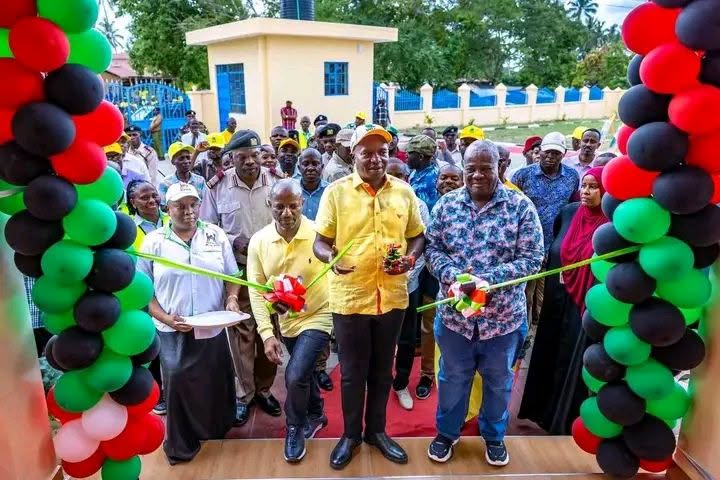
Deputy President Kithure Kindiki's development tour of Msambweni and Lunga Lunga constituencies has highlighted the government's continued investment in Kwale County through electricity connectivity, affordable housing, modern markets, fishing infrastructure and road construction. The commissioning of the KSh1.8 billion Kiruku Last Mile Electricity Supply Project, targeting 15,300 households, was among the major highlights of the visit. Other important activities included inspecting the White House Affordable Housing Project and Mwaepe Fish Landing Site, as well as flagging off the Darigube Last Mile Electrification Project. The KSh17.2 billion allocation for 294 kilometres of roads and the wider KSh14 billion investment in housing, markets and hostels also featured in the development agenda presented during the tour.
During the visit, Kindiki reaffirmed the government's commitment to addressing historical challenges that have affected the Coast region for many years. He noted that the region had experienced development inequalities, particularly in land ownership, electricity connectivity, road infrastructure and economic opportunities.
He said the government was determined to ensure that development resources are distributed fairly and that residents of Kwale County receive opportunities to improve their economic and social conditions.The Deputy President also flagged off the Darigube Last Mile Electrification Project, which is part of the government's efforts to expand electricity connectivity to rural communities.
The projects are expected to contribute significantly to the transformation of Msambweni by improving access to essential services, supporting local businesses and strengthening economic activities.
Kindiki emphasised that development should be measured through projects that directly improve people's lives rather than political statements and promises.
He said the government was committed to ensuring that residents of the Coast region benefit from investments that create jobs, improve infrastructure and support household incomes.Through affordable housing developments, the government aims to provide better living conditions while creating employment opportunities for construction workers, suppliers, engineers, contractors and other professionals.
The project is also expected to stimulate economic activities in the surrounding areas through increased demand for building materials, transport services and other businesses.
Kindiki's inspection demonstrated the government's intention to monitor the implementation of housing projects and ensure that they contribute to the country's broader development agenda.Many families depend on fishing for their daily income, making investments in fishing infrastructure important for improving livelihoods.
The Mwaepe Fish Landing Site is expected to provide better facilities for fishermen and improve the handling and management of fish after harvesting.
Modern fish landing facilities can help reduce post-harvest losses, improve fish quality and create better opportunities for fishermen to access markets.
The development is also expected to support the government's blue economy agenda, which focuses on using marine resources sustainably to generate employment, increase incomes and promote economic growth.
During the inspection, Kindiki emphasised the importance of ensuring that development projects are completed according to the required standards.Through the Last Mile Connectivity Programme, the government aims to bring electricity closer to residents by extending power distribution infrastructure to villages and settlements.
The project is expected to improve the living conditions of beneficiaries while creating opportunities for residents to engage in income-generating activities.
Small businesses such as shops, salons, welding enterprises, food-processing businesses and other commercial activities can benefit from reliable electricity.
Electricity also supports learning by allowing students to study during evening hours and enabling educational institutions to use modern learning equipment.
For health facilities, reliable electricity is important for lighting, refrigeration of medical supplies and operation of essential equipment.Among the projects highlighted were the White House Affordable Housing Project and Diani Modern Market.
The Diani Modern Market is particularly important because the area is one of the major commercial and tourism centres in Kwale County.
Modern market facilities provide traders with better working environments, improved sanitation, organised business spaces and opportunities to expand their operations.
The government has continued to promote modern markets as part of its strategy to support small-scale traders and strengthen the informal economy.
Improved market infrastructure can also attract more customers, increase business activities and create employment opportunities for people working in transportation, retail and other services.The Deputy President also highlighted the importance of the completed Shimoni Fish Landing Site, which is among the major investments supporting the blue economy in Kwale County.
The Shimoni facility was developed at a reported cost of approximately KSh2.7 billion.
The project is expected to strengthen fishing activities by providing improved facilities for fish handling, storage and marketing.
Shimoni is an important fishing area, and many residents depend on marine resources for their livelihoods.
The development of modern fishing infrastructure is expected to improve the ability of local fishermen to access wider markets and benefit from commercial opportunities in the fisheries sector.
The government has also been implementing other blue economy projects in the area, including investments in marine research, fishing equipment and facilities intended to improve the safety and productivity of fishermen.The electricity programme has been allocated approximately KSh1.8 billion and is expected to connect 15,300 households across Kwale County.
The project is part of the government's wider efforts to expand electricity access and address the historical challenges experienced by communities that have remained without reliable power.
According to reports from the visit, 99 households in Kiruku Village had already been connected to electricity, including the home of Mama Saumu Mohammed.
Electricity connectivity works were also continuing in neighbouring Kifuku and Mabandari villages.
The Deputy President described electricity expansion as an important step towards promoting equitable development and improving the economic conditions of rural communities.
He said the government was prioritising electricity connections in areas that had previously been left behind in infrastructure development.Road infrastructure plays an important role in supporting economic development because it enables farmers, traders, fishermen and other businesspeople to transport their products to markets.
Improved roads also make it easier for residents to access schools, hospitals, government offices and other essential services.
In Kwale County, better road connectivity is particularly important for agricultural communities, fishing settlements and areas that depend on tourism.
The roads programme is expected to open up previously underserved areas and support the movement of people and goods.
Kindiki emphasised that development should reach all communities and that government resources should be distributed fairly across the country.Kindiki said the government was working towards addressing these challenges through various interventions.
He also pointed to the issuance of thousands of title deeds by President William Ruto to residents who had waited for many years to secure legal ownership of their land.
He maintained that the government was committed to ensuring that residents of the Coast region enjoy equal opportunities and receive their fair share of national development resources.
The Deputy President described the government's Usawa ni Sawa agenda as an important strategy for promoting national unity and equitable distribution of resources.During the development tour, Kindiki was accompanied by several national and county leaders.
Those present included Cabinet Secretary for Youth Affairs, Sports and Creative Economy Salim Mvurya, Kwale Governor Fatuma Achani, Kwale Senator Raphael Chimera, Msambweni MP Feisal Abdallah, Lunga Lunga MP Mangale Chiforomodo and other elected leaders.
Matuga MP Kassim Tandaza, Kinango MP Gonzi Rai and Taveta MP John Bwire were also among the leaders mentioned in reports from the visit.
Members of the County Assembly and other local leaders participated in the engagements.
The presence of national and county leaders provided an opportunity to discuss development priorities affecting residents and the implementation of ongoing government programmes.

You Might Also Like
-
Kenya is moving closer to being declared Ebola-free following the recovery and discharge of all nine confirmed patients who tested positive for Bundibugyo Virus Disease. Health Cabinet Secretary Aden Duale has confirmed that the final 11 contacts also completed their mandatory 21-day monitoring peri
-
Kenyan tea farmers and exporters are expected to benefit from renewed business opportunities following Sudan’s decision to lift its ban on tea imports from Kenya. The move paves the way for the resumption of tea shipments to the Sudanese market, which has traditionally been an important destinatio
-
Kenya has made a major breakthrough in its fight against the Ebola virus after Health Cabinet Secretary Aden Duale announced that the last patient receiving treatment for the disease had been discharged from hospital. The announcement marks an important milestone in the country's efforts to contain
-
The destruction of two classrooms at the school in Tilito village, Kipkelion East Constituency, following heavy rainfall and strong winds has left residents concerned about the future of learning facilities in their community. The incident, which occurred on November 9, 2026, also affected the schoo
-
Prime cabinet secretary Musalia Mudavadi opens national forum on county public service boards.His call for merit-based recruitment, performance-based promotions, independent public service boards and proper wage-bill management highlights the need for stronger human resource systems across all 47 co
-
Deputy President Kithure Kindiki has officially commissioned the Sh52 million Rabai Huduma Centre in Kilifi County, in a move aimed at bringing essential government services closer to residents while creating new opportunities for young people. During the launch, Kindiki announced plans to equip the