Kenya Association of Manufacturers Unveils Export Catalogue to Unlock Billions in EU Market Opportunities
The unveiling of the Kenya-EU EPA Export Catalogue 2026 by the Kenya Association of Manufacturers and its partners marks an important step in Kenya's efforts to increase exports, strengthen local manufacturing and expand its presence in international markets. The initiative seeks to address information gaps that have prevented many Kenyan businesses from identifying European buyers and understanding the requirements for exporting their products. It also supports the wider objective of taking advantage of the Kenya-EU Economic Partnership Agreement, which provides eligible Kenyan goods with duty-free and quota-free access to the European market. With opportunities spanning agriculture, processed foods, textiles, leather, pharmaceuticals, building materials and other industries, the catalogue could help businesses diversify exports beyond traditional commodities.
Kenya is stepping up efforts to increase its export earnings from the European Union (EU) following the launch of the Kenya-EU Economic Partnership Agreement (EPA) Export Catalogue 2026, an initiative designed to connect Kenyan manufacturers, farmers and entrepreneurs with international buyers.
The catalogue was unveiled on October 28, 2026, in Nairobi through a partnership involving the Kenya Association of Manufacturers (KAM), the government and other public and private sector stakeholders. It is intended to help Kenyan businesses identify European market opportunities, showcase locally produced goods and understand the requirements for selling their products in Europe.
The initiative comes at a time when Kenya is seeking to expand its industrial sector, increase the value of locally manufactured goods and reduce dependence on exporting raw agricultural commodities. Despite having preferential access to the European market under a trade agreement that took effect in July 2024, Kenya is reportedly exploiting only about 10 per cent of its estimated export potential in the EU.For many Kenyan businesses, especially small and medium-sized enterprises, entering the European market can be challenging. Although their products may have the potential to attract European customers, many businesses lack information about prospective buyers, distribution networks, product standards, packaging requirements and the procedures involved in exporting goods.
The catalogue seeks to address these challenges by helping European importers identify what Kenyan businesses can supply while enabling Kenyan producers to understand which products have export potential.
According to information released during the launch, the directory covers multiple industries, including horticulture, processed foods, textiles, apparel, leather products, chemicals, pharmaceuticals and building materials. It also provides information intended to connect buyers with suppliers and relevant business associations. Instead of exporting raw materials alone, Kenya has an opportunity to process, package and manufacture products locally before selling them to international markets.
This approach could increase the value of exports, create additional employment opportunities and support the growth of local industries.
The catalogue is therefore intended to serve as more than a list of Kenyan products. It is part of a broader effort to make Kenyan businesses more visible internationally and turn existing trade opportunities into actual export contracts.For Kenyan manufacturers, this presents an opportunity to sell goods beyond the domestic market and reach customers with different purchasing needs, including retailers, wholesalers, industrial companies and food distributors.
KAM has indicated that Kenya's exports to the EU are valued at approximately KSh264 billion. However, the association estimates that the country is tapping only around 10 per cent of the available market opportunity. It has therefore encouraged businesses to pursue a substantially larger share, with a longer-term ambition of capturing between 40 and 50 per cent of the estimated opportunity.
Achieving this ambition would require more than increasing the number of products listed in the catalogue. Kenyan businesses would need to identify suitable buyers, increase production capacity, improve quality and establish reliable supply arrangements.Strict European standards remain a major challenge
Despite the advantages offered by the trade agreement, Kenyan exporters must still meet the requirements that apply to their products.
European buyers and regulators place considerable emphasis on product safety, quality, traceability, labelling and environmental compliance.
For agricultural exports, traceability means being able to establish where a product originated, how it was grown, how it was handled and how it moved through the supply chain. Certain products may also require phytosanitary certificates and evidence of compliance with applicable food-safety rules.
Manufactured products face their own requirements. Depending on the item, these may include chemical-safety rules, technical specifications, packaging requirements and product certifications.The EU's official Access2Markets portal can help businesses check product-specific tariffs, rules of origin, taxes, customs procedures and import requirements. Exporters can use it alongside guidance from relevant Kenyan authorities and industry associations.
For smaller firms, the costs of testing, certification, packaging improvements and compliance may be difficult to manage. This makes training, technical assistance and access to affordable financing important components of Kenya's wider export strategy.How increased exports could create jobs
One of the most important potential benefits of the catalogue is its capacity to support employment and income generation.
When a Kenyan manufacturer secures a large export order, it may need to increase production, recruit additional workers, purchase more raw materials and expand its transport and distribution arrangements.
The benefits could extend beyond the exporting company to farmers, packaging suppliers, transporters, warehouse operators, technicians and other service providers.For instance, increased demand for processed fruit products could create opportunities for farmers supplying mangoes, pineapples and other fruits. Higher demand for garments could benefit textile workers, designers and suppliers of packaging materials.
Young people could benefit through employment in production, logistics, marketing, quality assurance and international trade. Entrepreneurs could also establish businesses supplying goods and services to larger exporters.
KAM has presented export growth as a means of creating employment and strengthening supply chains across the economy. Kenya seeks to reduce its trade imbalance with Europe
Expanding exports could also help Kenya improve its merchandise trade balance with the European Union.
According to figures reported during the export initiative, Kenya's exports to the EU were worth approximately KSh264 billion, while the country continued to import substantial quantities of goods from Europe.
The report that Kenya imported goods worth approximately US$1.9 billion in 2024, compared with exports worth about US$1.2 billion during that year. These figures indicate a merchandise trade deficit, although the periods and exchange-rate conversions should be considered when comparing different reports. Challenges that could affect the catalogue's success
Although the catalogue provides a new tool for exporters, several challenges could limit its impact.
High production costs: Electricity, financing, transport and imported production inputs can affect the final price of Kenyan goods.
Limited production capacity: Some smaller companies may not be able to fulfil large orders or maintain a consistent supply throughout the year.
Compliance costs: Product testing, certification and improvements to production facilities can require substantial investment.
Logistics and delivery: Exporters must ensure goods reach buyers on time and in suitable condition, especially perishable agricultural products.
Access to finance: Businesses need working capital to purchase raw materials, expand production and wait for payment under agreed export terms.
Competition: Kenyan manufacturers compete with suppliers from other countries that may already have established European distribution networks and strong brand recognition.What Kenyan businesses should do next
For the catalogue to deliver meaningful results, manufacturers and exporters should treat it as a starting point for a structured export plan.
First, businesses should identify products they can supply consistently and competitively. They should then research potential buyers and select European markets that match their products.Second, exporters need to confirm the applicable standards, packaging rules, documentation and rules of origin before accepting orders. They should calculate the full cost of production, certification, shipping and distribution to establish whether an export contract will be profitable.
Third, companies should develop reliable production and quality-control systems. European buyers are more likely to maintain long-term relationships with suppliers that deliver consistent quality and honour their contractual commitments.
Finally, businesses should build relationships with trade-promotion agencies, industry associations, logistics providers and prospective distributors. These partnerships can help turn the information contained in the catalogue into real commercial opportunities.

You Might Also Like
-
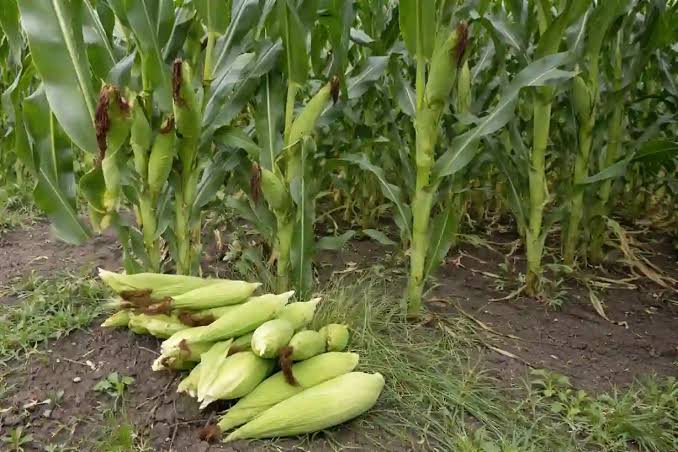
Kenya’s maize production is projected to decline by 39 per cent to 2.2 million tonnes by June 2027, raising concerns over food security and the possibility of rising food prices ahead of the General Election year. The sharp drop, linked to extreme weather conditions, is the steepest decline below
-
Kenya's banking sector recorded a historic KSh205.58 billion in total tax contributions in 2025, representing a 5.53 per cent increase from the KSh194.81 billion reported in 2024. The figure, published in the Kenya Bankers Association's Total Tax Contribution Report 2025, represented approximately 8