KSh 162 Million Lifeline for Nakuru Students as Governor Susan Kihika Warns Parents Against Keeping Children Out of School
Nakuru Governor Susan Kihika has announced KSh 162.9 million in bursary funds to support thousands of learners from financially disadvantaged families across Nakuru County, urging parents and guardians not to allow financial difficulties to prevent their children from attending school. The bursary programme is expected to benefit students in secondary schools, universities, colleges, vocational training centres and special schools, easing the burden of school fees and other education-related expenses. The governor has emphasised that education is essential in fighting poverty and creating opportunities for young people, calling on parents to seek available support and ensure their children remain in school. The initiative forms part of the county government's broader efforts to improve access to education, support vulnerable households and give learners a better chance of achieving their academic and career ambitions.
Nakuru Governor Susan Kihika has announced a KSh 162 million allocation for bursaries to support learners in county schools, renewing calls for parents and guardians to ensure that financial difficulties do not prevent children from attending school. The initiative highlights the importance of education in improving the lives of young people and expanding opportunities for families across Nakuru County.
The bursary allocation is intended to ease the financial pressure facing vulnerable households, particularly those struggling to pay school fees and meet other education-related expenses. For many families, the cost of keeping children in school remains a significant challenge, with some parents forced to choose between paying school fees, buying food and meeting other essential household needs.Governor Kihika Urges Parents to Keep Children in School
Governor Kihika has emphasised that financial hardship should not become a permanent barrier to education. Her appeal to parents is particularly important in households where income is irregular and school expenses arrive at a time when families are already struggling to meet their daily needs.
Parents and guardians have a responsibility to encourage children to attend school consistently, follow their academic progress and seek assistance when they encounter difficulties. Keeping a learner at home because of unpaid fees can disrupt learning and make it harder for the child to catch up with classmates.Education as a Tool for Fighting Poverty
One of the central arguments behind the bursary programme is that education can help break the cycle of poverty.
Children from disadvantaged families often have ambitions to become teachers, doctors, engineers, nurses, entrepreneurs and professionals in other fields. Yet, without adequate financial support, some may struggle to complete secondary school or proceed to colleges and universities.
When a student drops out because of financial difficulties, the consequences can extend beyond the individual. Families may lose an opportunity to improve their economic circumstances, while communities may miss out on the skills and contributions that an educated young person could bring.The cost of education involves more than school fees alone. Families may also need to pay for uniforms, books, stationery, transport, meals, accommodation and other essential learning materials.
For parents with several children in school, these expenses can become overwhelming. A household that relies on casual labour, small-scale farming or informal business may not have a predictable income to meet school payment deadlines.
Some families are also affected by illness, unemployment, the loss of a breadwinner and other unexpected financial pressures. These challenges can make it difficult to maintain regular school attendance even when parents understand the importance of education.The KSh 162.9 million allocation is therefore an intervention aimed at reducing some of these financial barriers.
However, bursaries cannot solve every challenge facing learners. Continued cooperation between families, schools, county authorities and the national government remains important to ensure that children receive the support they need.
Parents should also be encouraged to seek assistance early rather than wait until a learner has missed several days of school. Early communication can help schools understand a family's circumstances and explore available support mechanisms.Transparency in Bursary Distribution
The management of public bursary funds is an important part of ensuring that the programme achieves its intended purpose.
Since the money is meant for learners facing financial hardship, families need confidence that beneficiaries are selected fairly and that assistance reaches those who need it most.
The county has pledged to distribute the funds with integrity and ensure that deserving students benefit. Support for Early Childhood Education
Beyond the scholarship programme, Governor Kihika has highlighted other county initiatives intended to improve access to education from an early age.
According to reporting on the bursary launch, the county has introduced fortified porridge in public Early Childhood Development Education centres, employed 498 ECDE teachers, supplied learning materials and constructed classrooms. The administration has also announced plans to introduce free uniforms for learners in public ECDE centres from January 2027.
These interventions address some of the difficulties that prevent young children from accessing early learning opportunities.Vocational Training Offers an Alternative Pathway
The governor has also encouraged young people to enrol in vocational training centres, particularly in communities facing challenges such as school absenteeism and child labour.
Vocational training can help learners acquire practical skills in areas such as electrical installation, construction, mechanics, tailoring, hospitality and other technical fields, depending on the courses offered by individual institutions.
For young people who do not follow a conventional academic pathway, technical training can provide an alternative route towards employment and self-employment.
Nakuru County has reported providing annual capitation of KSh 30,000 per trainee in its vocational training centres, forming part of its wider education support efforts.During the Mau Narok event, Kihika also raised concern about child labour and school absenteeism, urging young people to pursue education and vocational training.
Child labour can interfere with learning when children are required to work instead of attending classes or completing school assignments. Although some families depend on the contributions of their children to survive, excessive work can place a child's education and development at risk.
Addressing the problem requires cooperation between parents, school administrators, community leaders and child protection authorities.
Schools can help identify learners who frequently miss classes, while community leaders can encourage families to seek support before children are pushed out of education.The latest bursary announcement represents a substantial investment in learners from financially vulnerable households. By supporting thousands of students across different education levels, the programme has the potential to reduce some of the economic barriers that prevent young people from pursuing their ambitions.
Its long-term success will depend on fair beneficiary selection, timely disbursement, proper oversight and continued cooperation with families and educational institutions.
Parents, meanwhile, should take the governor's message seriously by ensuring that financial difficulties do not lead them to give up on their children's education. They should seek information about available bursaries, complete application requirements and communicate with schools when they face difficulties paying fees.

You Might Also Like
-
The arrest of 76 suspects in Kitale over alleged criminal activities has brought renewed attention to security in Trans Nzoia County and to the troubling disappearance of Lilly Cherono Kimutai, wife of retired police officer Michael Kimutai. The reported arrest of two suspects linked to the case of
-
The Anti-Counterfeit Authority's push for stronger regional cooperation and more consistent legal frameworks reflects the reality that counterfeit trade crosses borders and cannot be defeated by isolated national action. Kenya's engagements with Tanzania, Uganda, WIPO and other African partners dem
-
France's announcement on October 22, 2026, of the first documented human infection with Shamonda virus is a significant development in infectious disease research. The virus, previously associated primarily with livestock, was detected in a severely immunocompromised patient receiving treatment in L
-
Rescue operations are underway following a deadly quarry collapse at Mutonga in Imenti South, Meru County, that left one person dead and several others feared trapped beneath the rubble. Emergency teams and local residents are working to locate the missing individuals as concerns grow over quarr
-
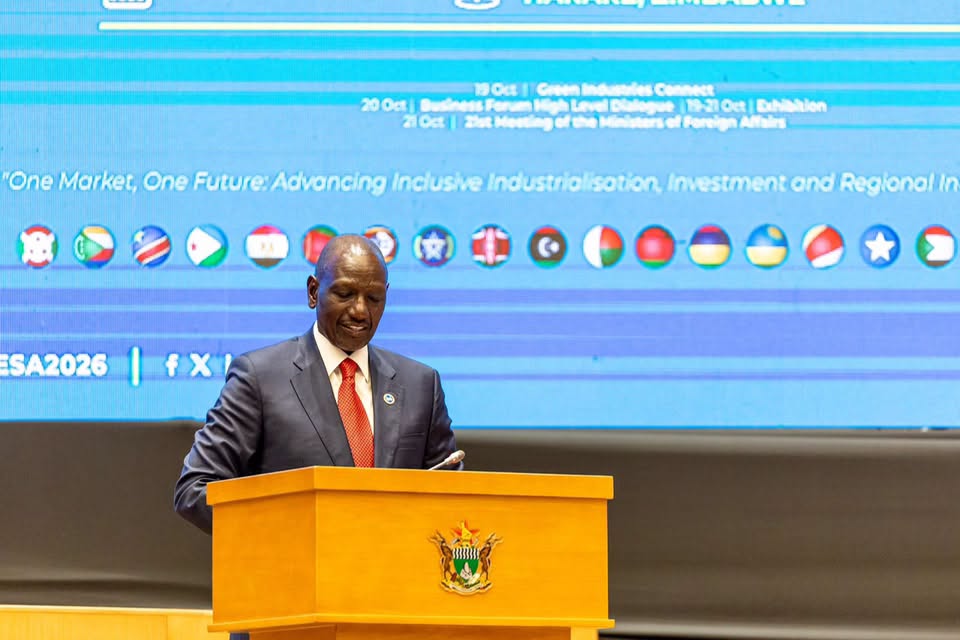
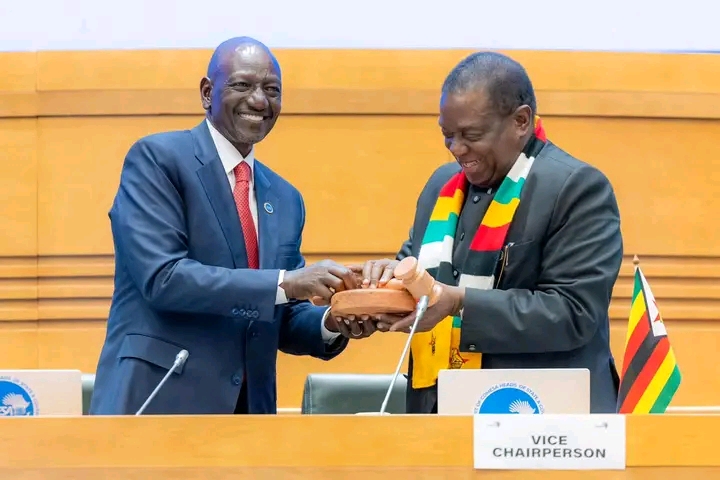
President William Ruto, speaking at the COMESA Summit in Zimbabwe on October 22, 2026, calls for African countries to be treated as equal partners in global affairs, emphasising fairness, mutual respect and equal opportunities in international trade, investment and decision-making. He urges COMESA m
-
President William Ruto's remarks at the 25th COMESA Summit in Harare highlighted the importance of stronger African economic cooperation, increased production, greater investment and expanded trade within the region. His message that African countries should produce more, invest more and trade more